Tokyo's Skyscraper Boom Hides a Costly Truth
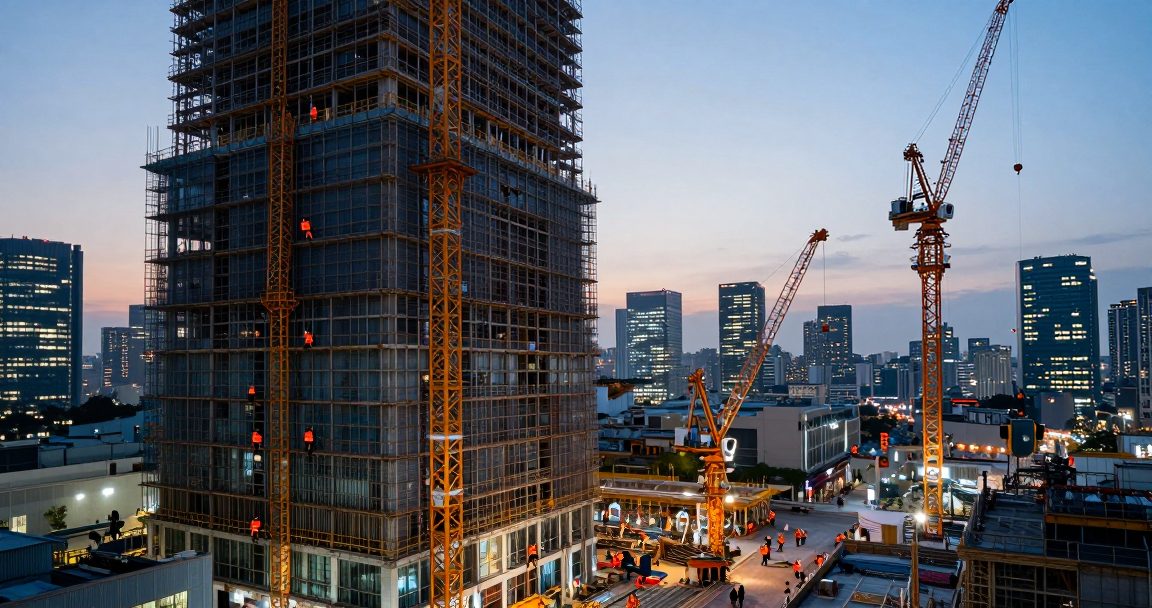
- Tokyo continues to experience a surge in high-rise building construction.
- Rising construction costs and labor shortages are increasing pressure on sites.
- Profit-driven, mechanical work rhythms are accelerating risks.
- Who bears the burden of risk and responsibility remains unclear.
- The report delves into the backstage operations and issues of large-scale projects.
Why should readers in Taiwan care about Tokyo's skyscraper boom? It reflects global urban development challenges and construction industry pressures. The article highlights rising costs, labor shortages, and profit-driven work rhythms, which are critical issues for any region pursuing large-scale development. While no specific figures or timelines are provided, the implications for Taiwan’s construction sector are clear: international competition and cost control will become increasingly challenging.
Structurally, Japan’s construction industry has been adapting to global economic uncertainties and sustainability demands. This mirrors Taiwan’s own industrial upgrading efforts, particularly in high-rise and smart building development. Lessons from Japan can help shape more resilient and competitive construction practices in Taiwan.
The article also raises a key question: who bears the risks and responsibilities in large-scale projects? This issue is crucial for ensuring long-term stability and social impact. As Taiwan advances its own major infrastructure projects, it must address these questions through better regulation and institutional frameworks to avoid repeating past mistakes.
Moving forward, the focus should remain on how risks and responsibilities are distributed in such projects. This will be a key indicator of the sustainability and ethical integrity of future urban development initiatives.