Apples Are in Season: 9 Tokyo Apple Pies, from American Style to French Patisserie to Old-School Kissaten
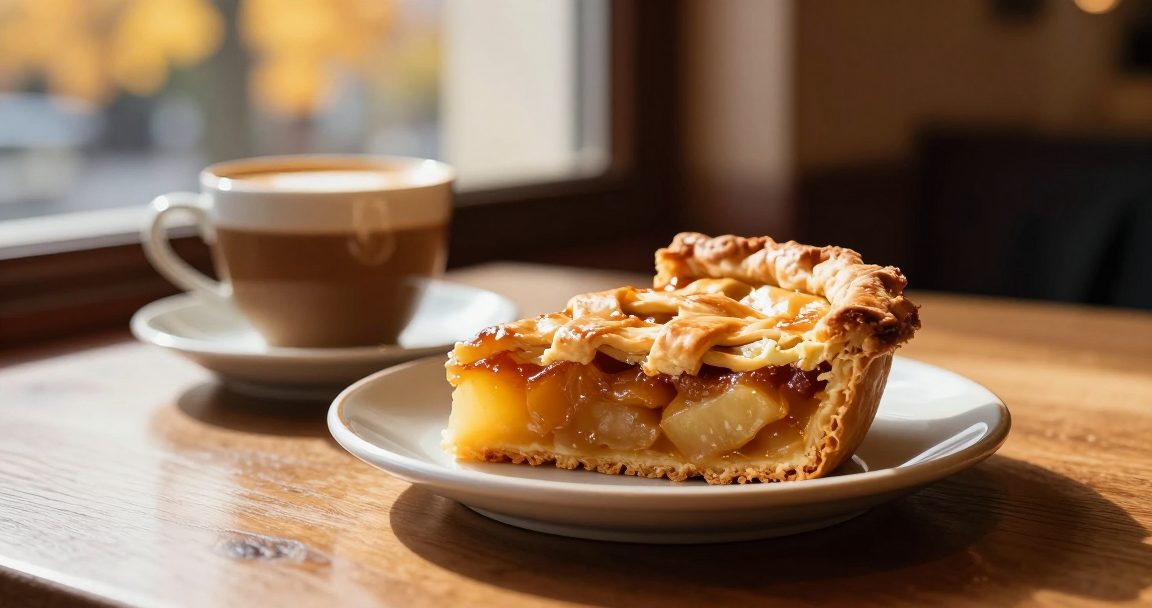
- Apple pie is its own 'specialty shop' category in Japan; apples arrive from September into Nov-Dec, and tart baking varieties peak in autumn — the best season for it.
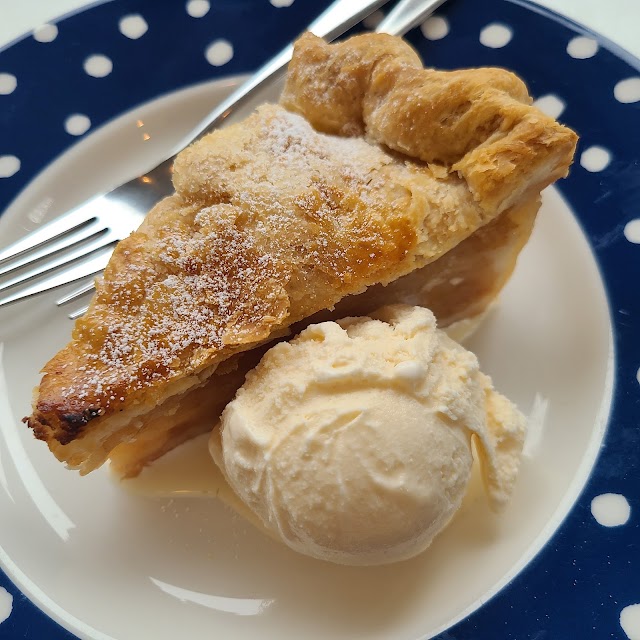
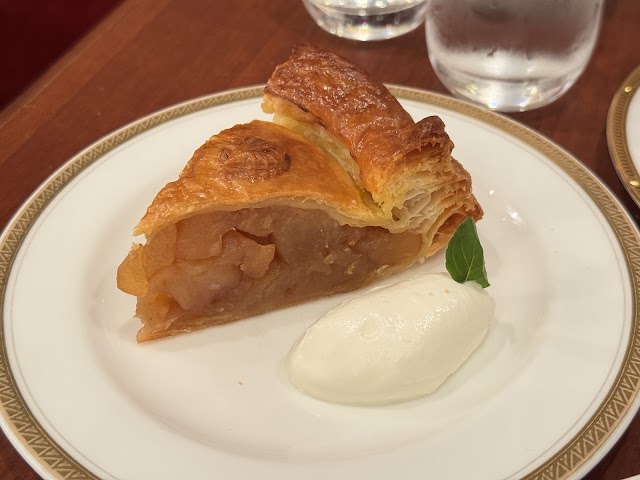
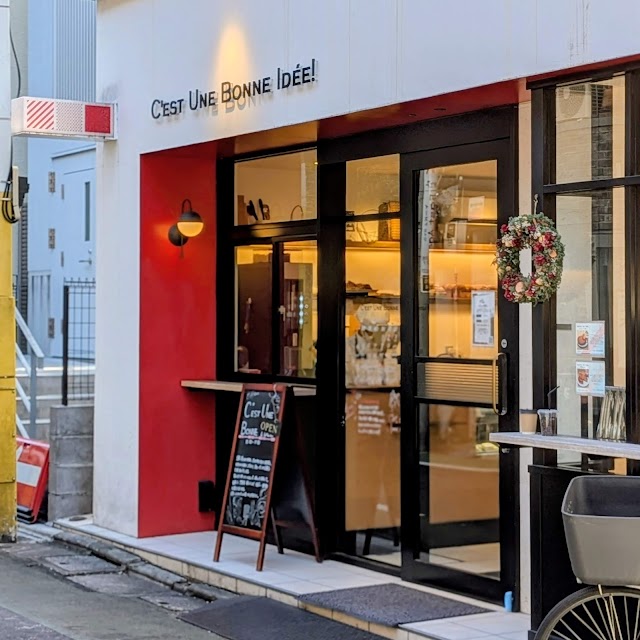
- Know the style: American (Granny Smith, Matsunosuke) is hearty with big apple chunks; French patisserie (Les Anges aux Fours, C'est une bonne idée) has fine crust and caramelized apple.
- Know the format: takeout-and-fresh (RINGO, best straight from the oven) vs sit-down kissaten (Tricolore, Cafe 1894), which sell atmosphere and a coffee ritual.
- Apple variety matters: 'Kogyoku' is bright and tart, 'Fuji'/honey apples sweeter — order by the label.
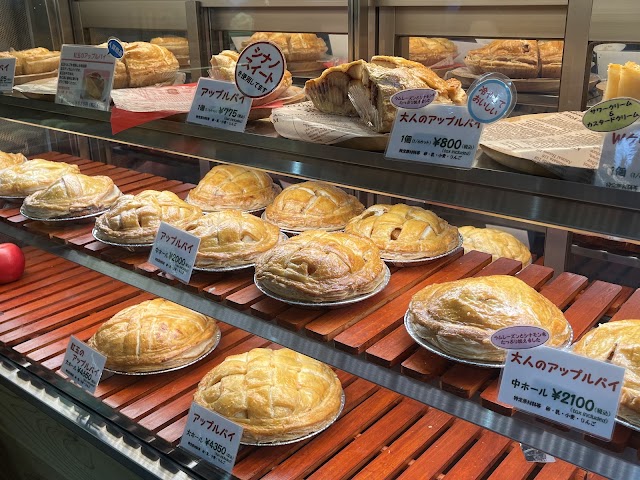
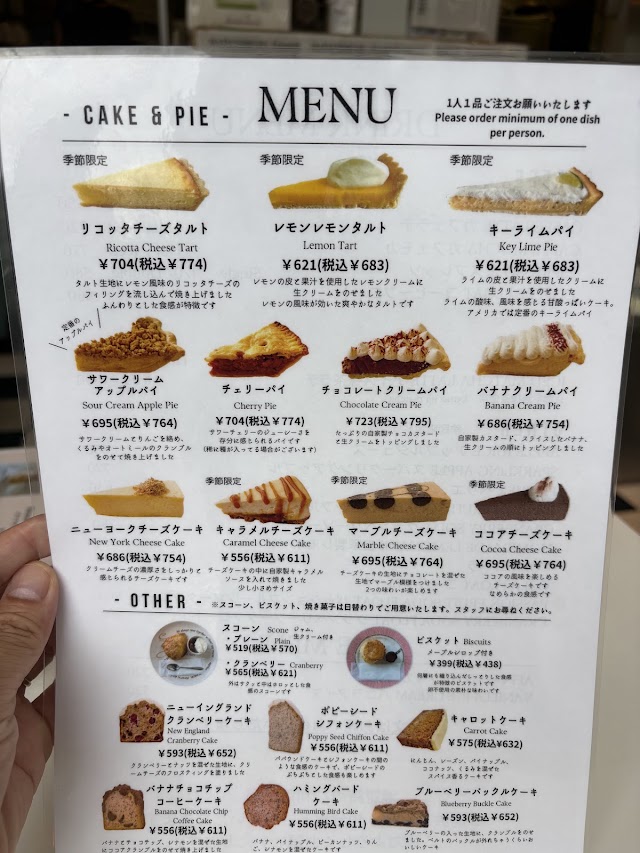
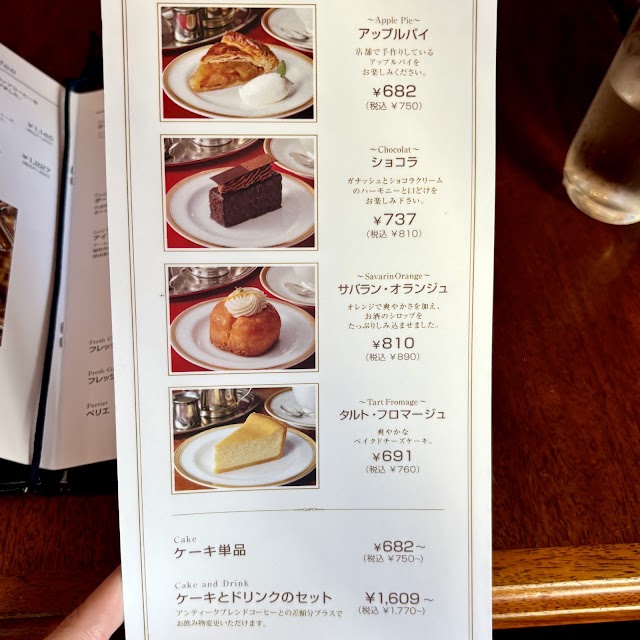
- Prices: from ~¥399 a piece at RINGO to ¥500-900 slices at specialists/patisseries to ¥1,500-2,000 with coffee at heritage cafes.
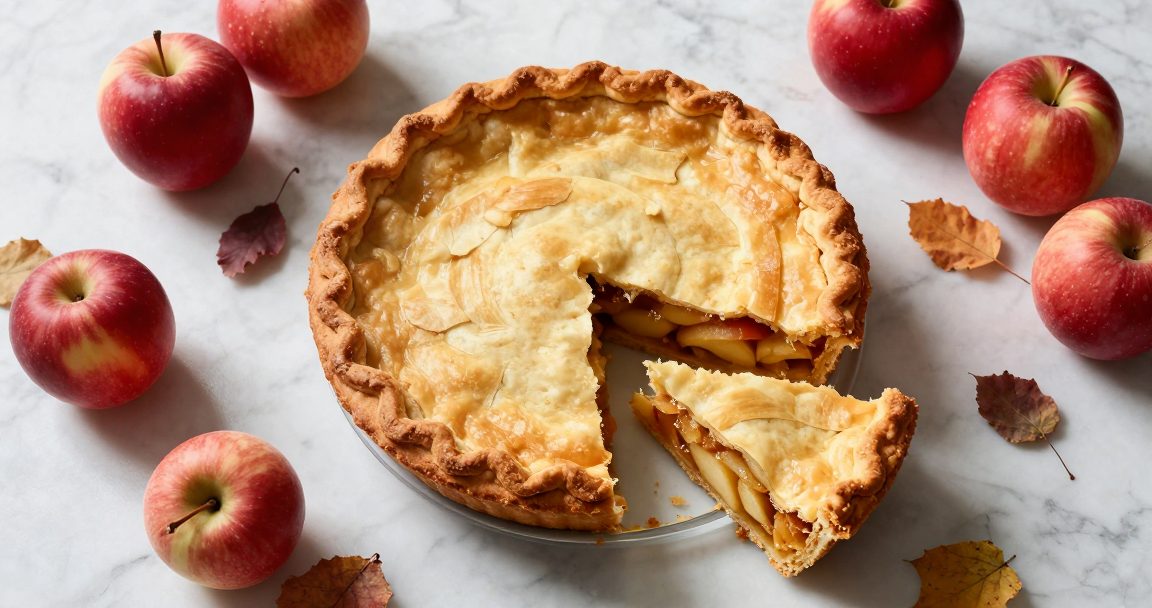
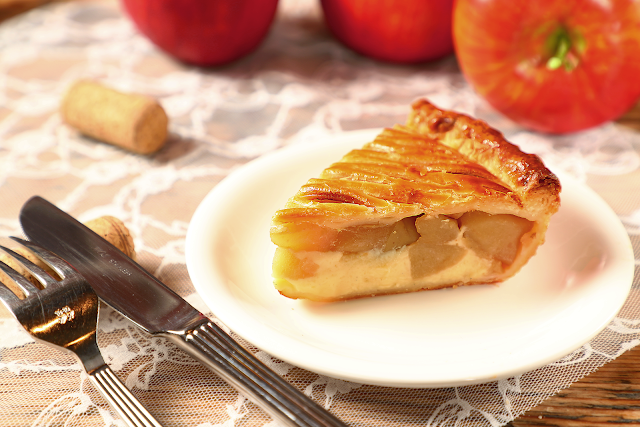
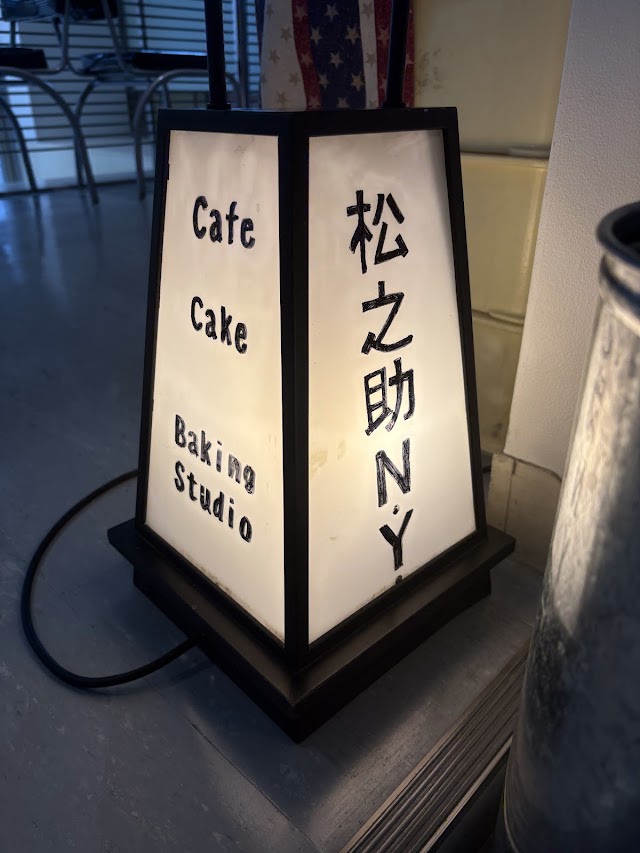
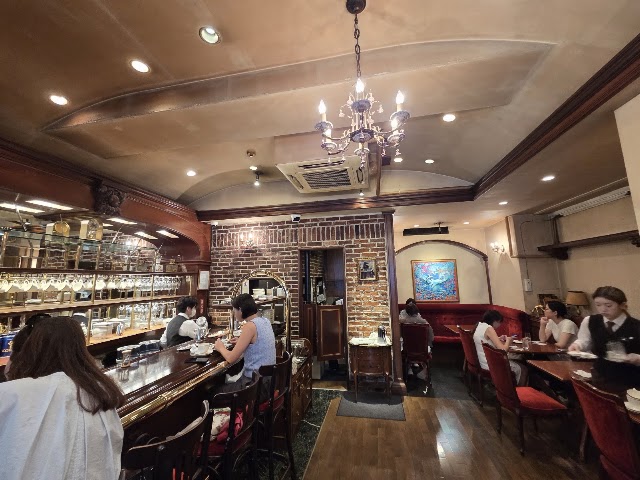
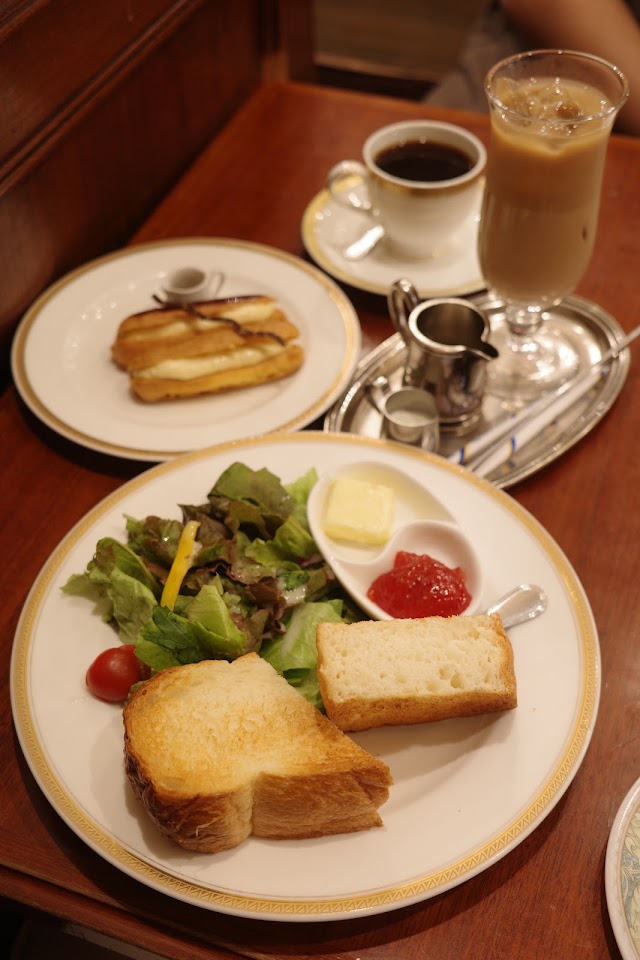
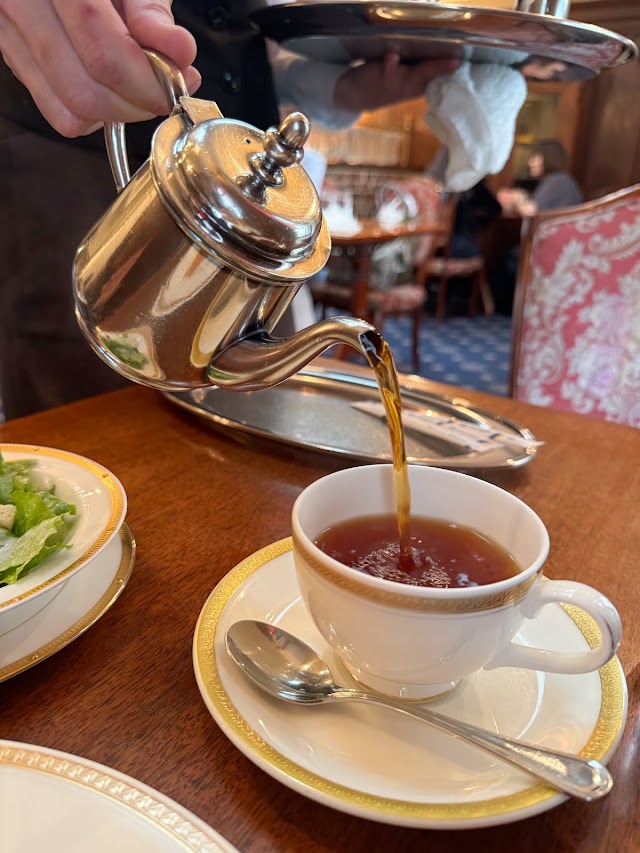
In Japan the apple pie has grown into its own category with a genuine 'specialty shop' culture — Tokyo alone has enough dedicated apple-pie makers to fill a list. Autumn is the season to eat it: Japanese apples arrive from around September through November-December, and tart, bake-friendly varieties like Kogyoku come into their own, when the pies are most fragrant and 'autumn-limited' versions appear. Three distinctions to know first: American style (Granny Smith, Matsunosuke N.Y.) is hearty, with big apple chunks and direct sweet-tartness; French patisserie (Les Anges aux Fours, C'est une bonne idée) has fine, layered crust and caramelized apple. Then, takeout-and-fresh (RINGO, best eaten just out of the oven) versus sit-down kissaten (Tricolore, Cafe 1894), which sell the setting — a heritage building or old cafe, pie with coffee. Finally, apple variety matters: 'Kogyoku' is bright and tart, 'Fuji'/honey apples sweeter — order by the label. Prices span widely, from ¥399 pieces at RINGO to ¥500-900 slices at specialists and patisseries to ¥1,500-2,000 with coffee at heritage cafes. The nine below are chosen by style and area, from the Setagaya specialist that started the boom to a Meiji-era hall in Marunouchi and a Showa cafe in Ginza.
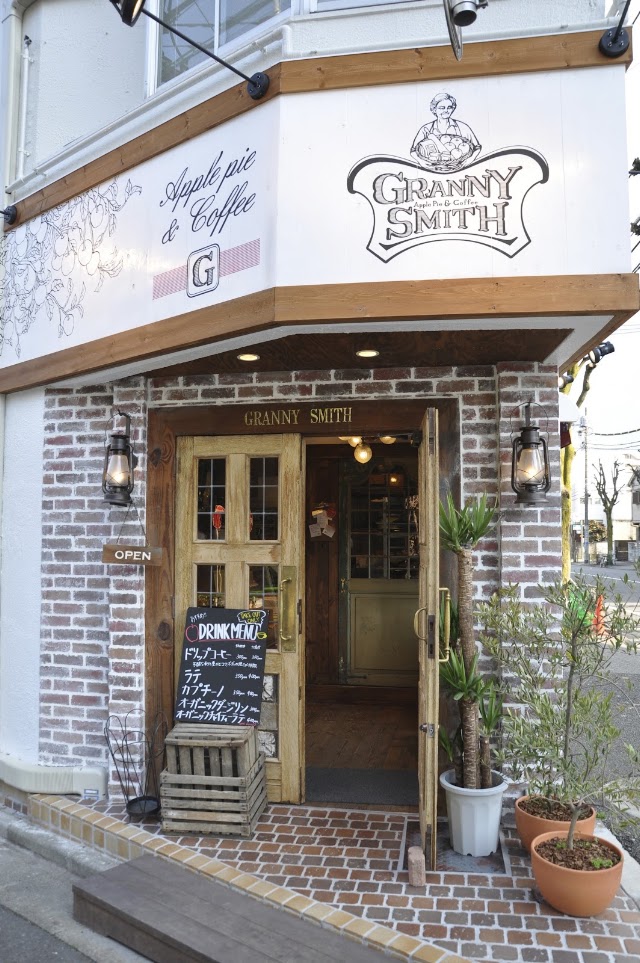
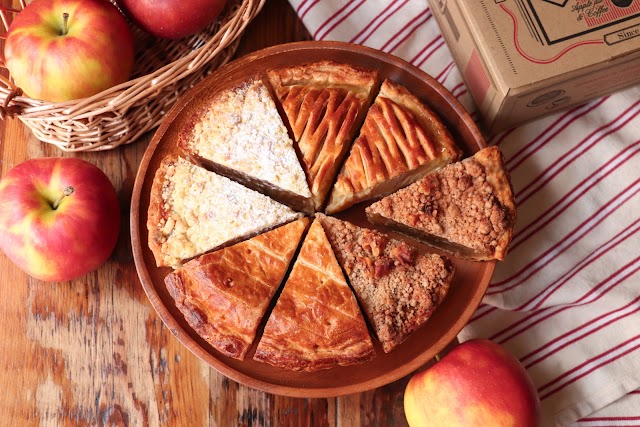
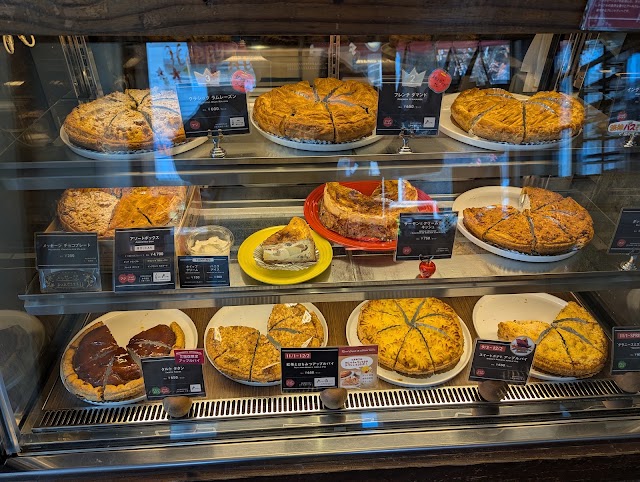
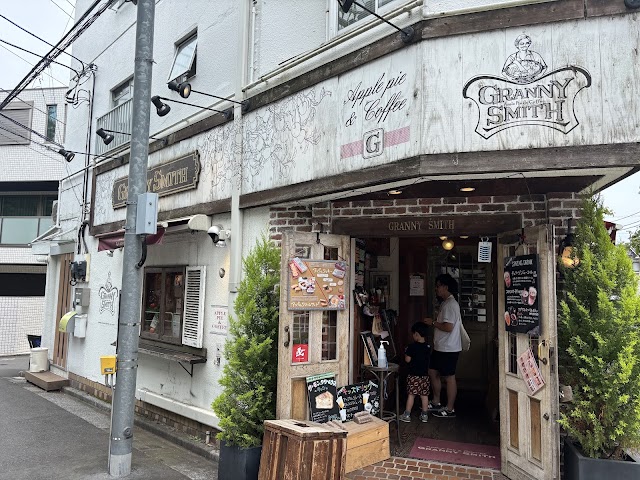
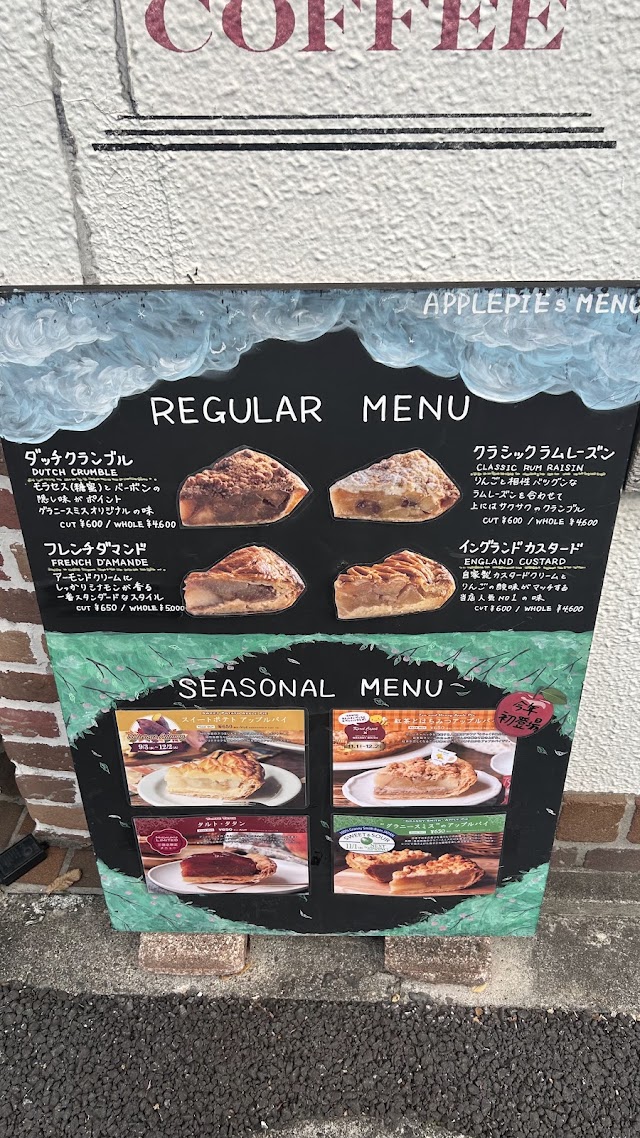
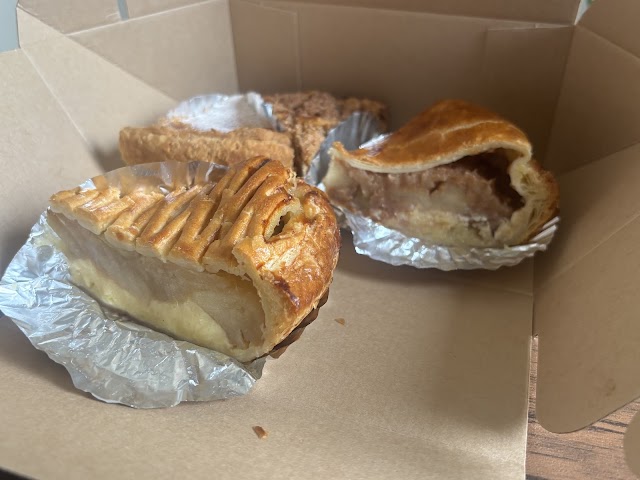
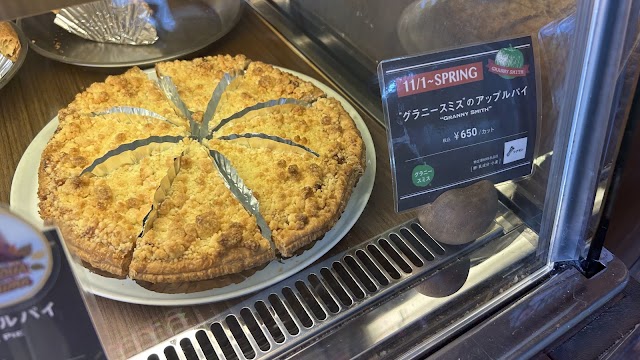
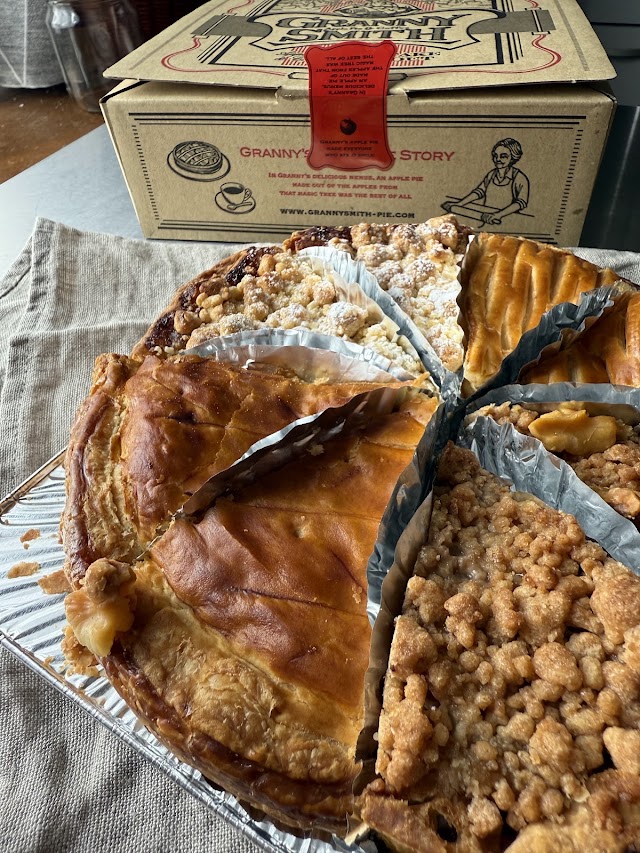
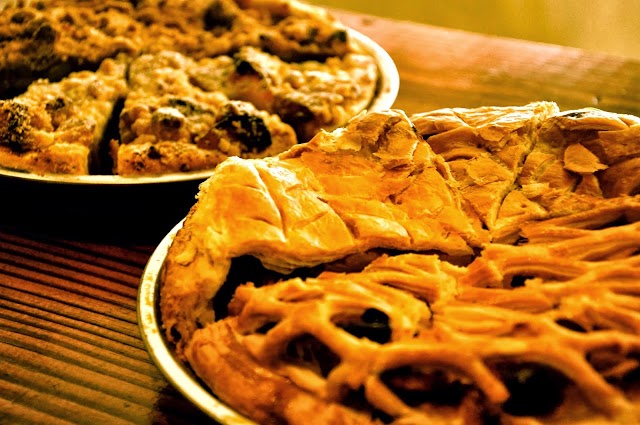
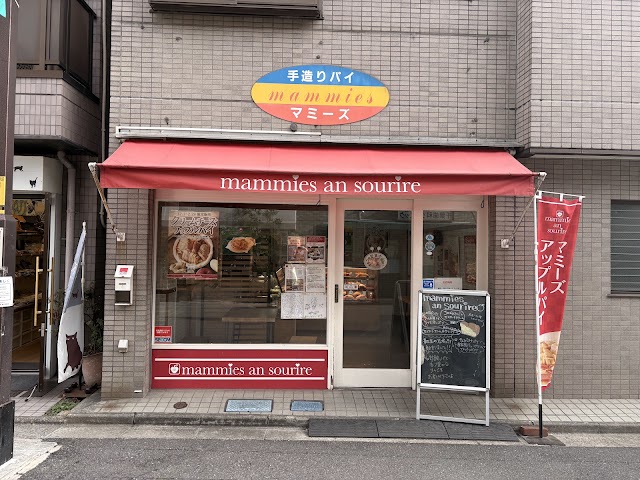
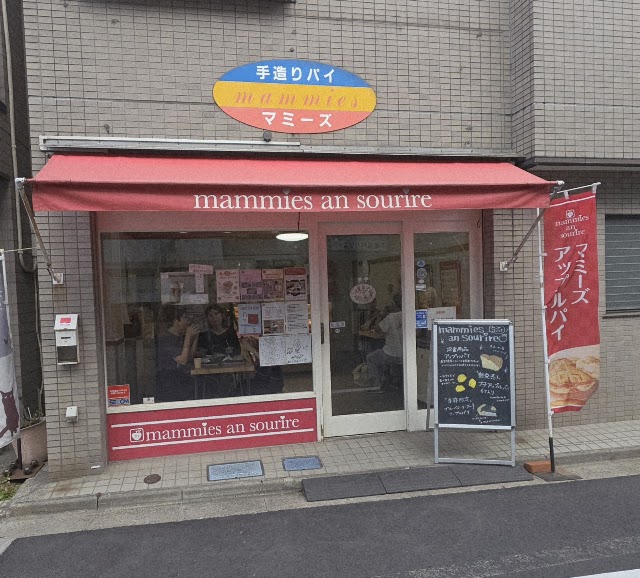
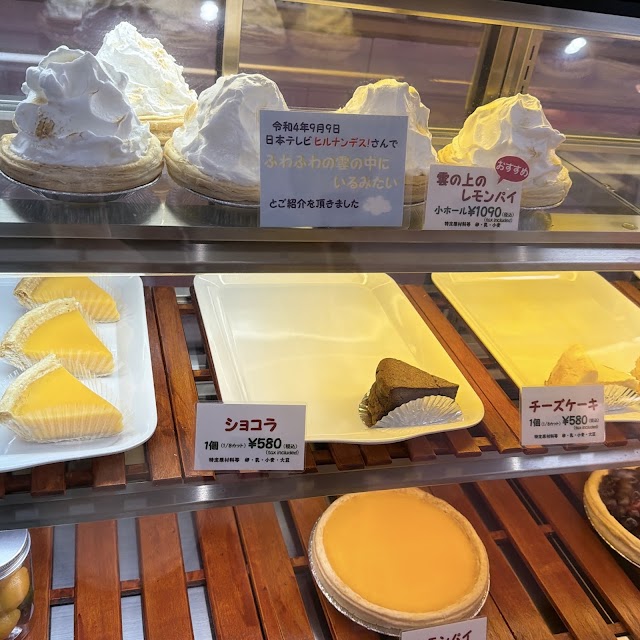
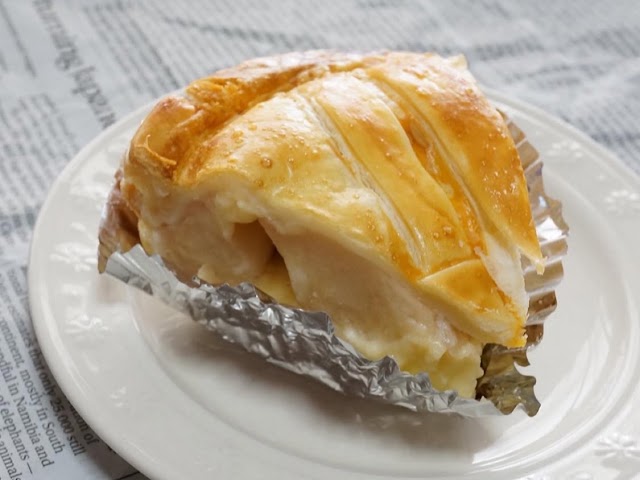
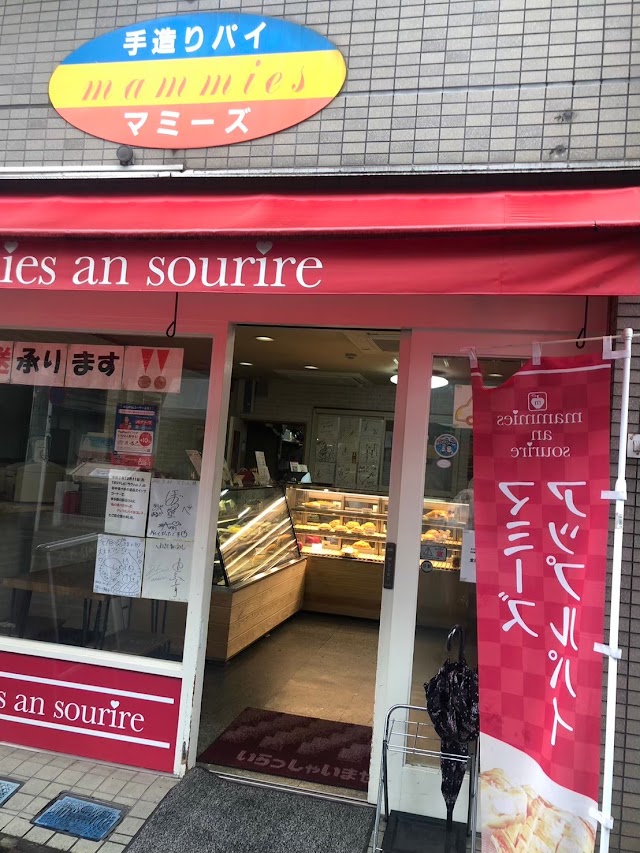
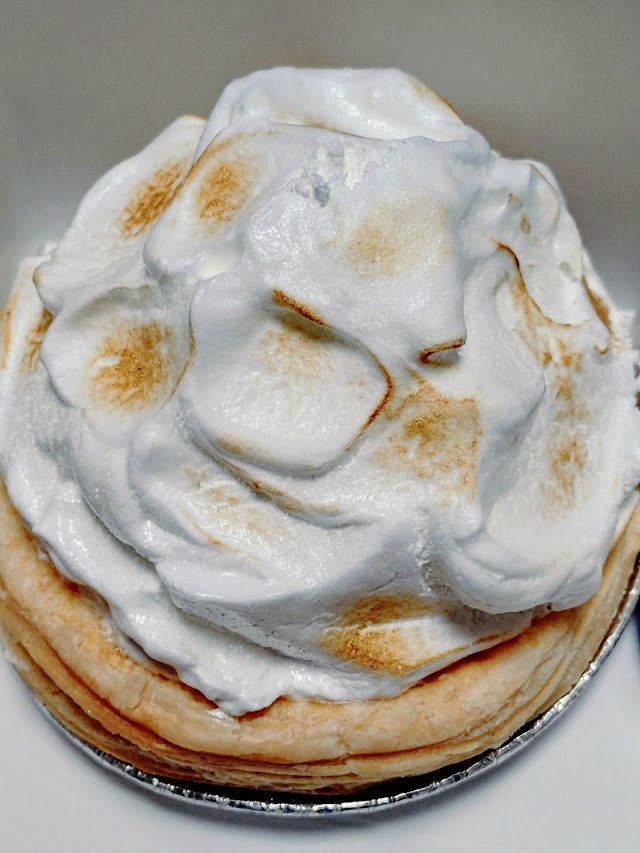
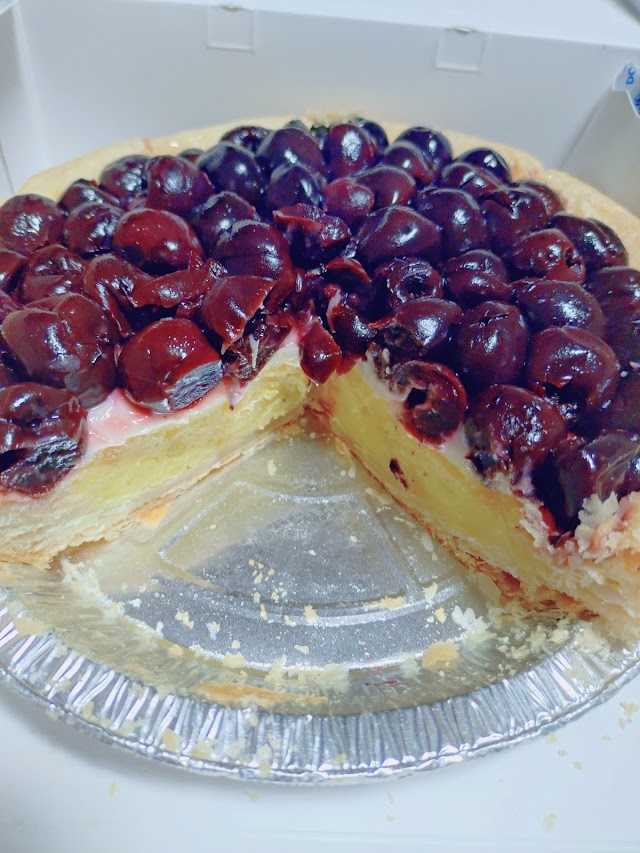
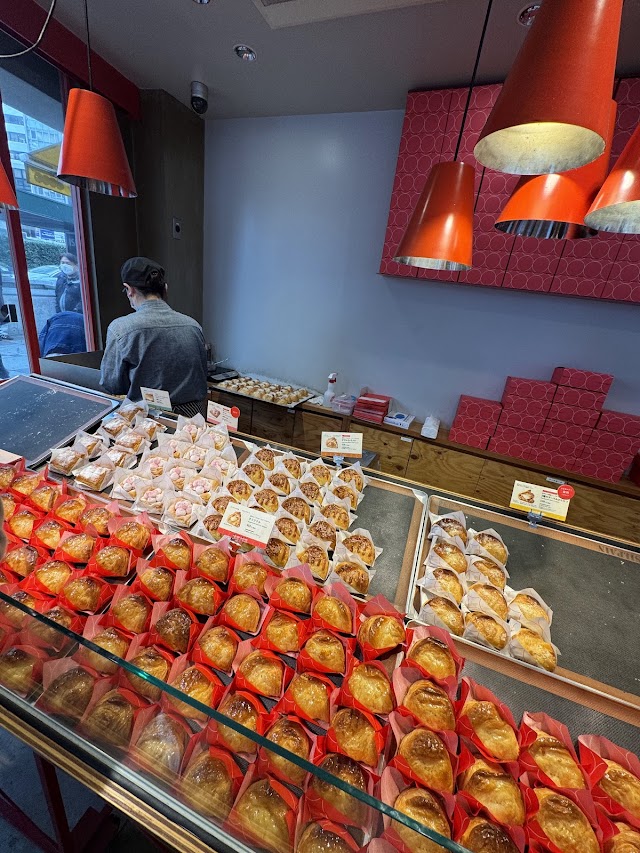
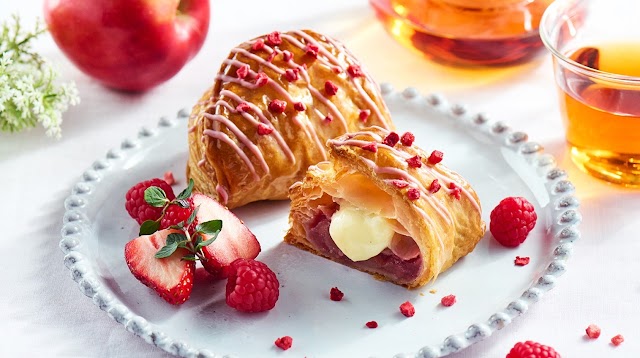
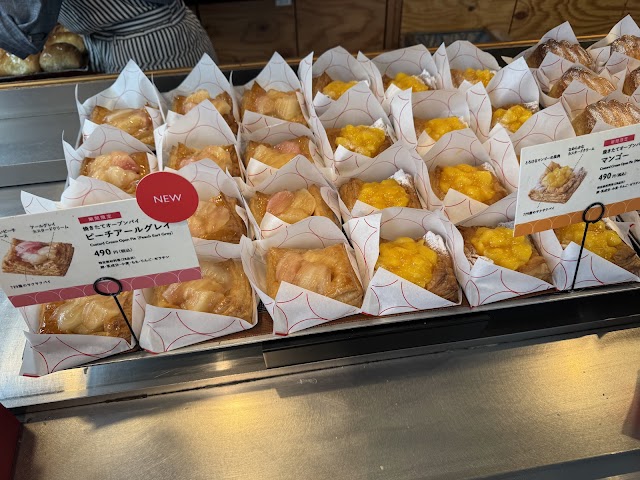
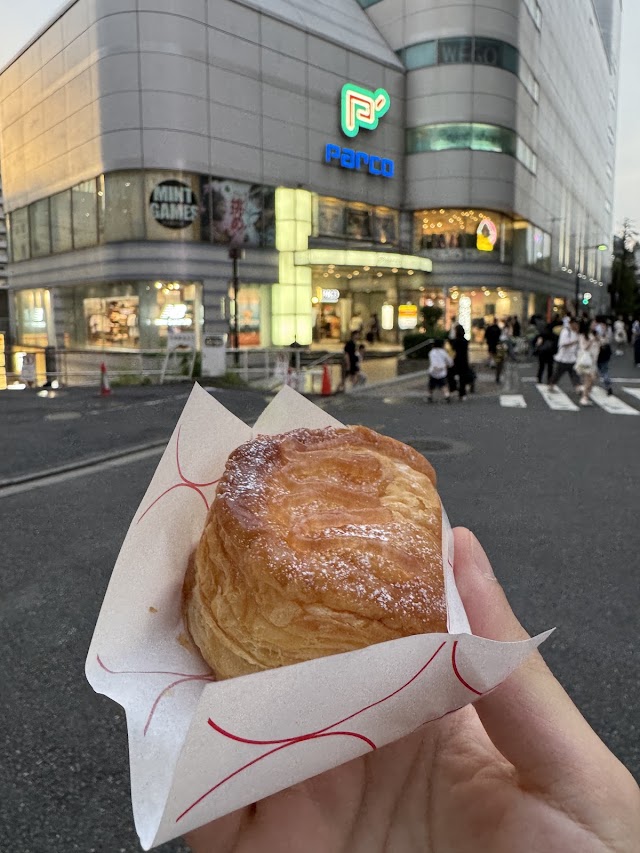
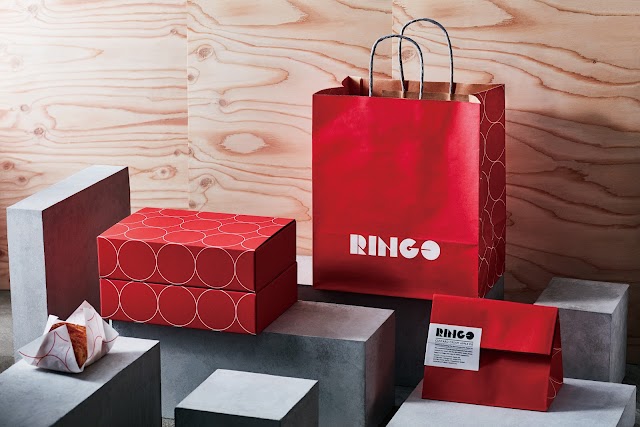
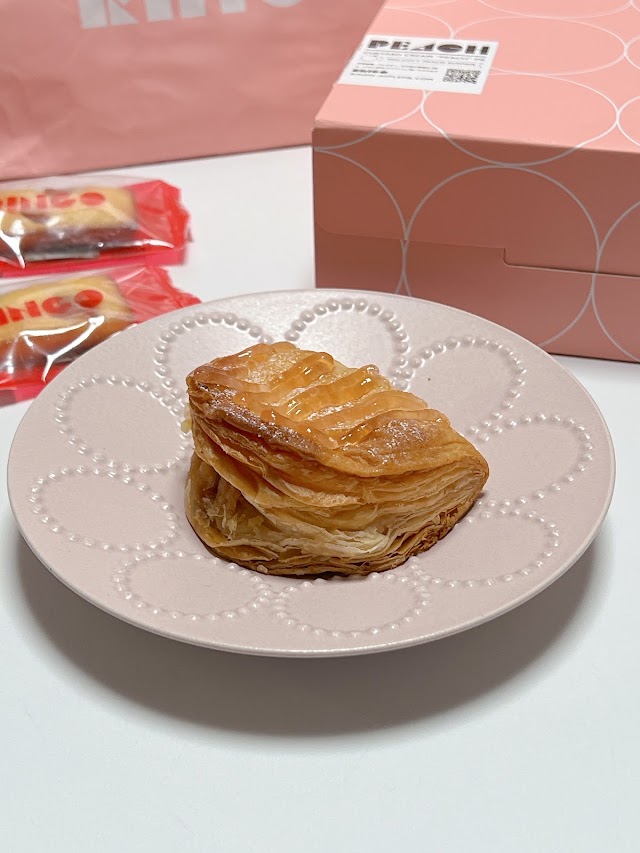
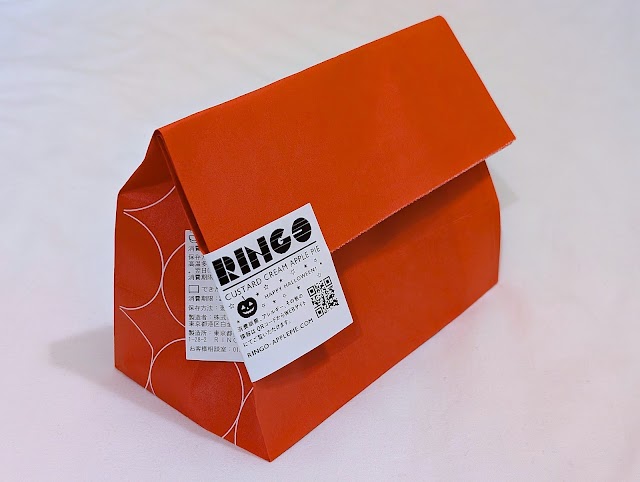
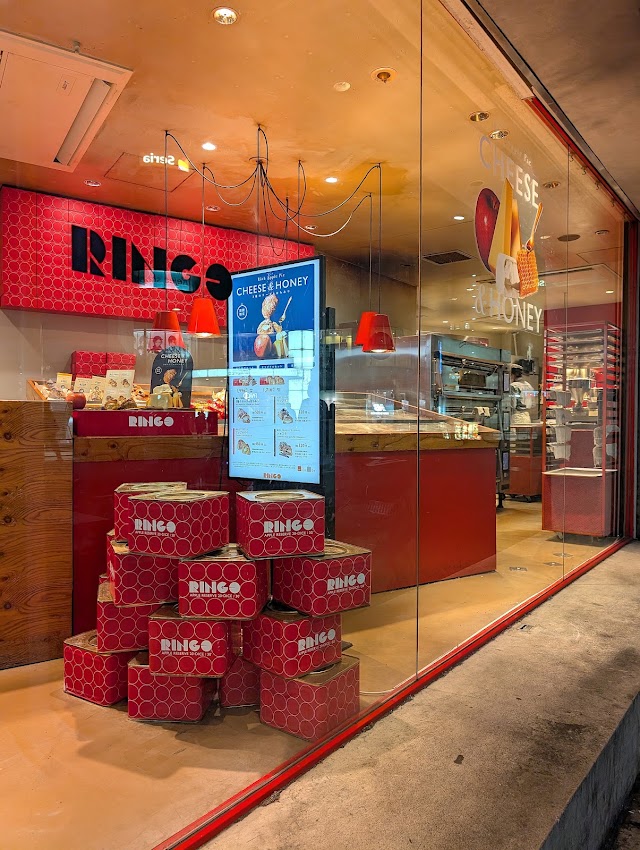
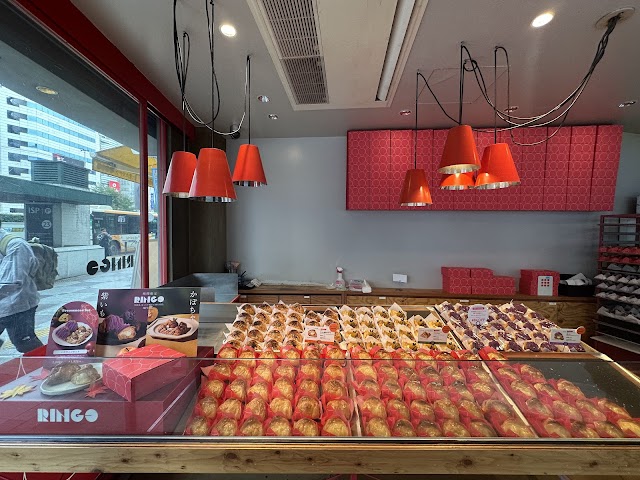
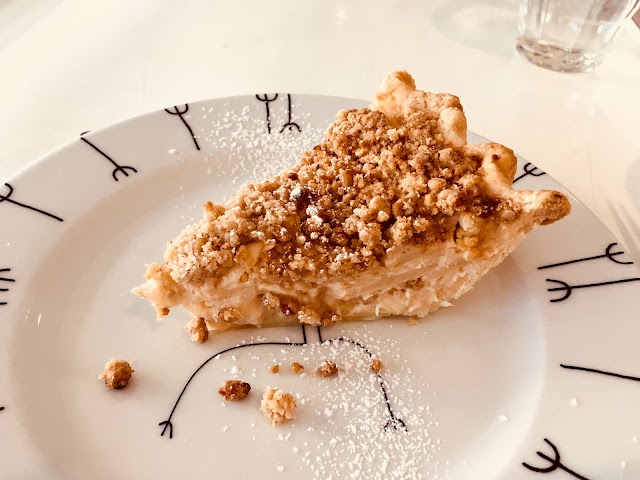
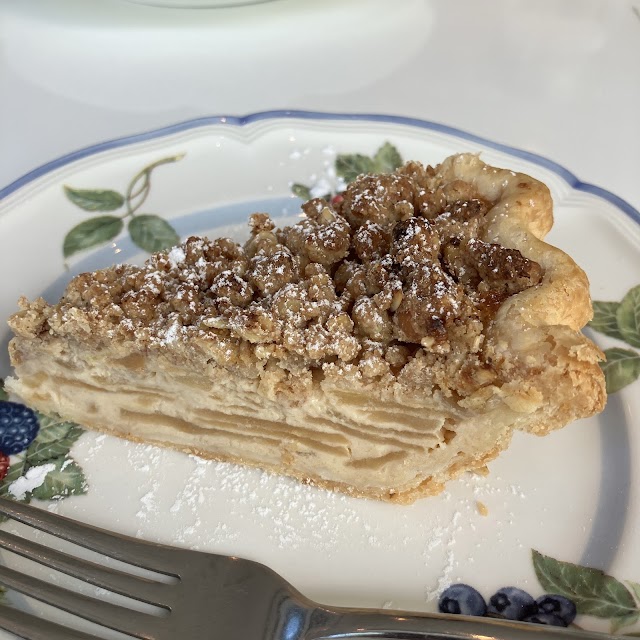
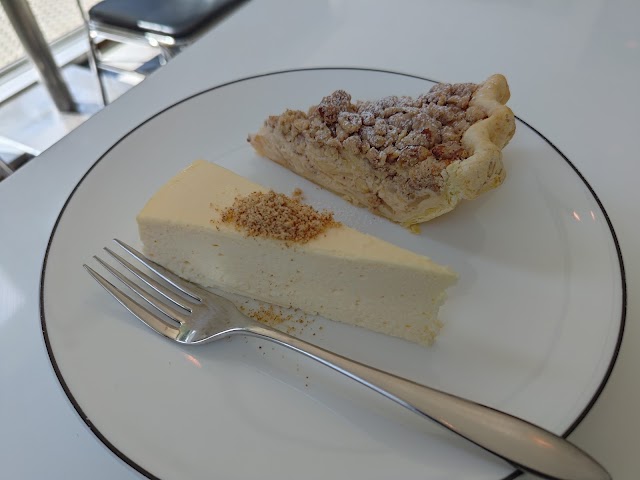
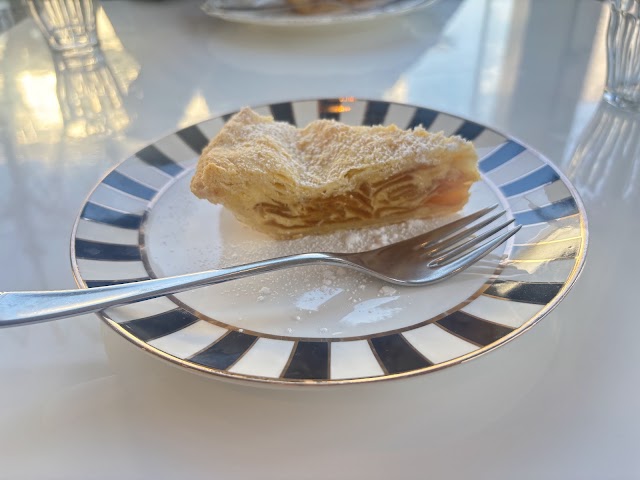
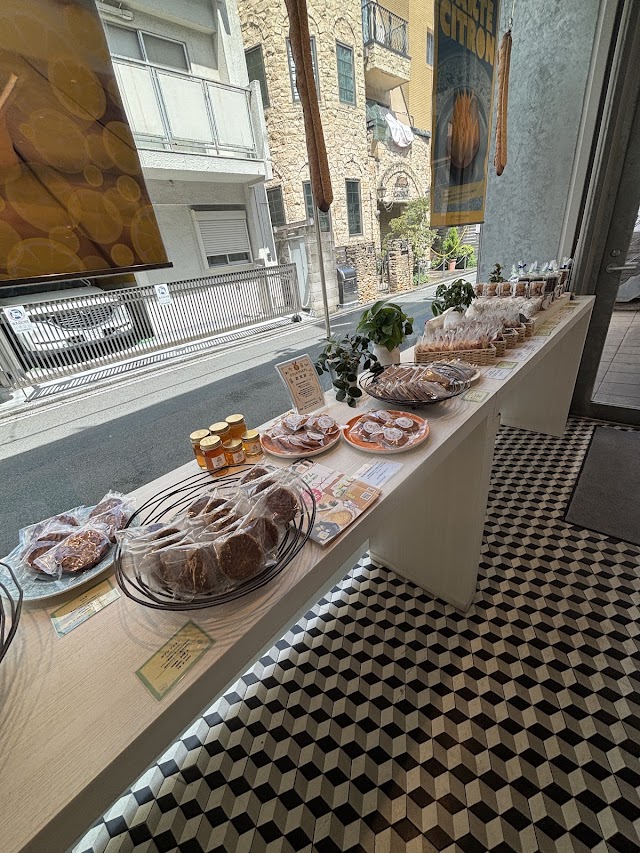
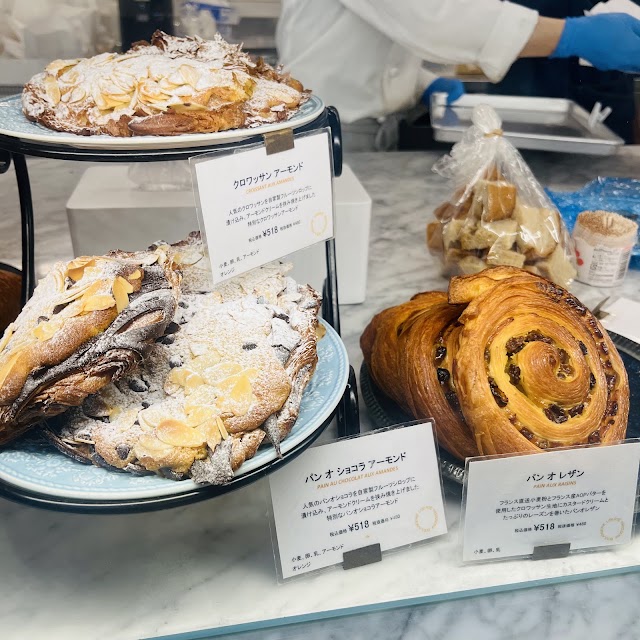
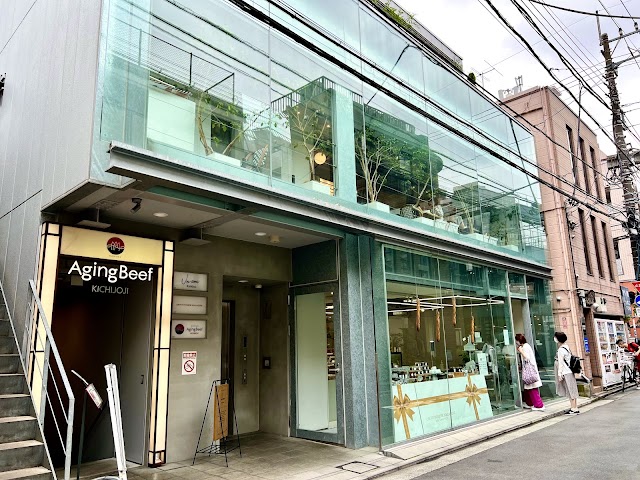
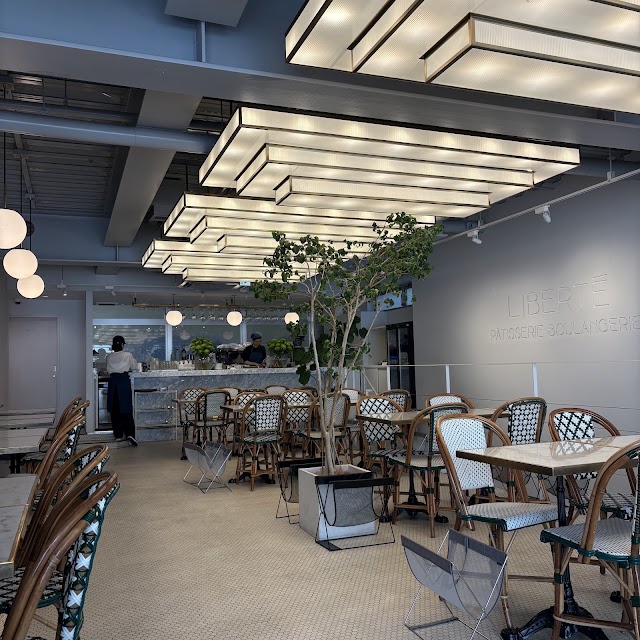
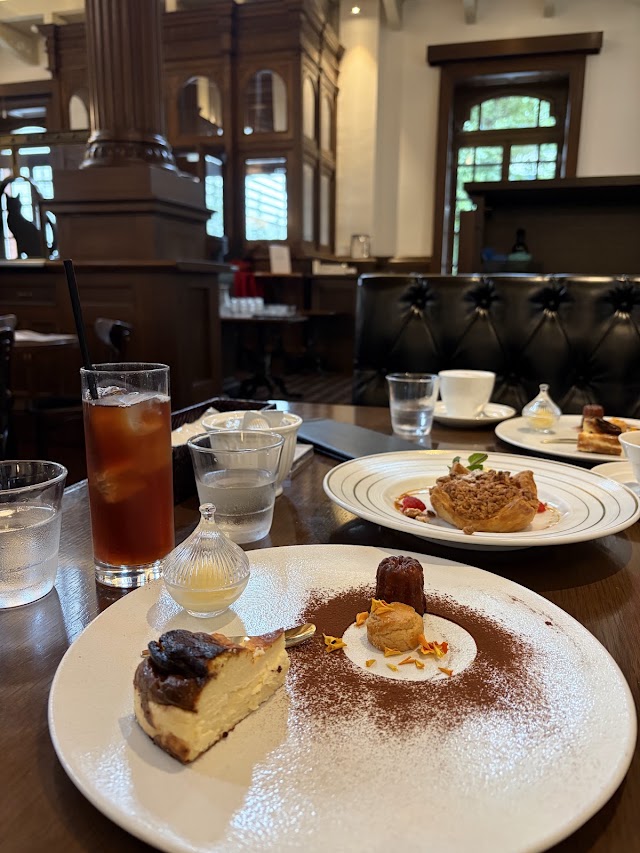
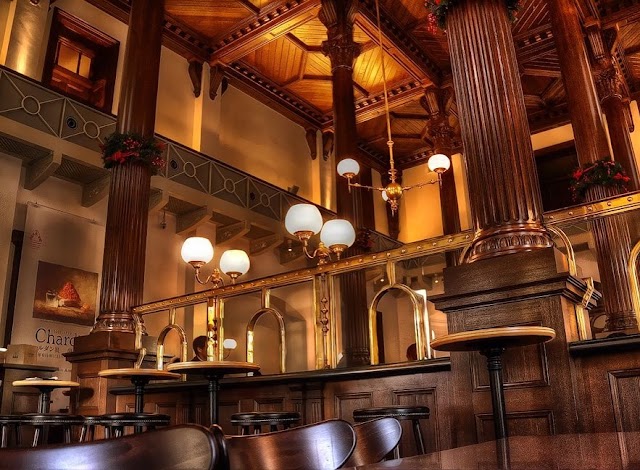
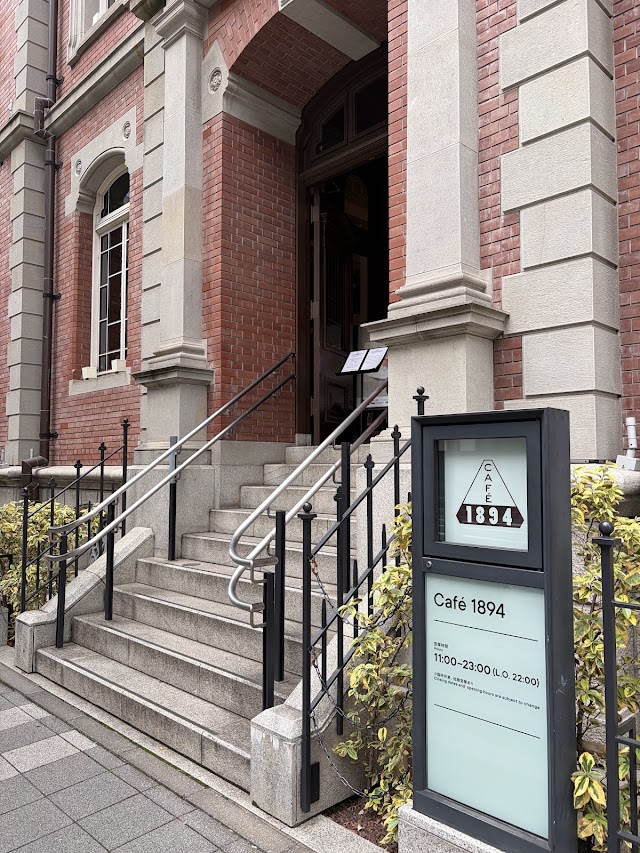
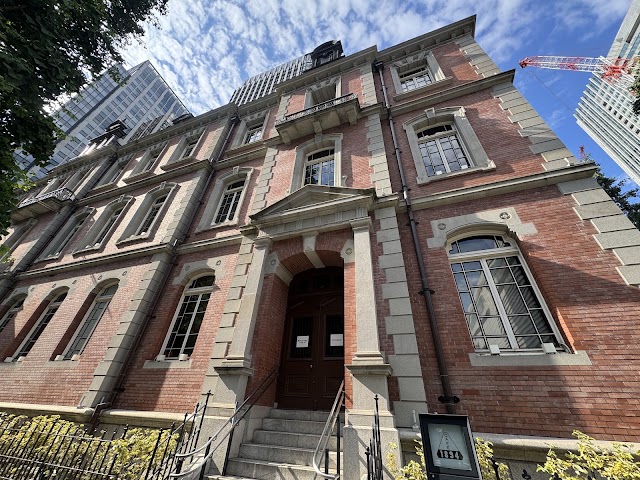
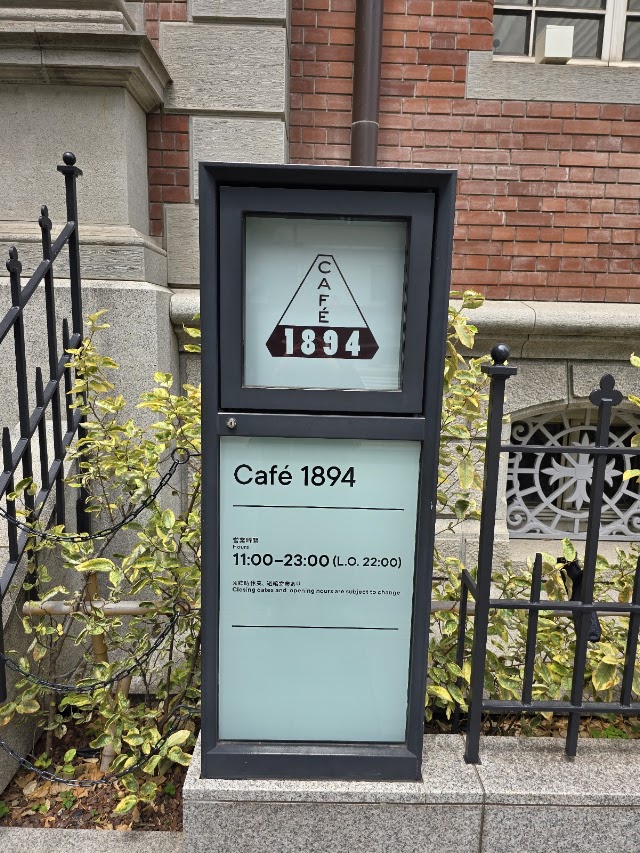
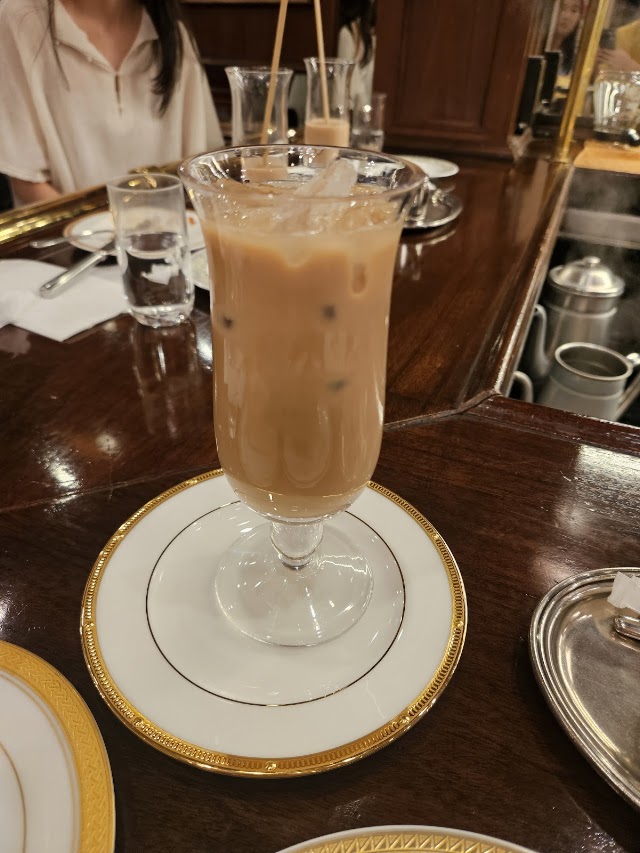
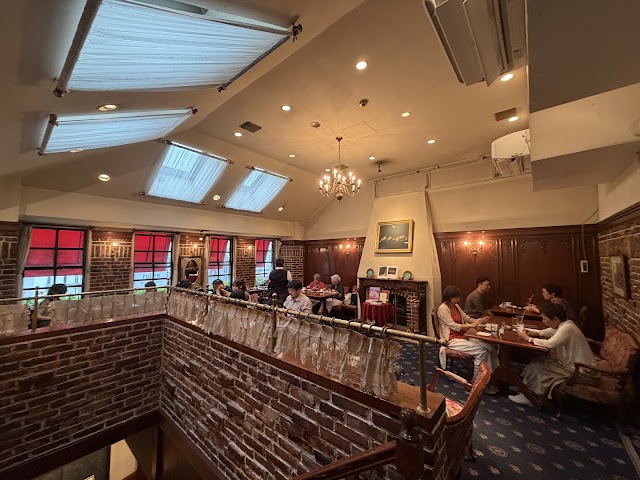
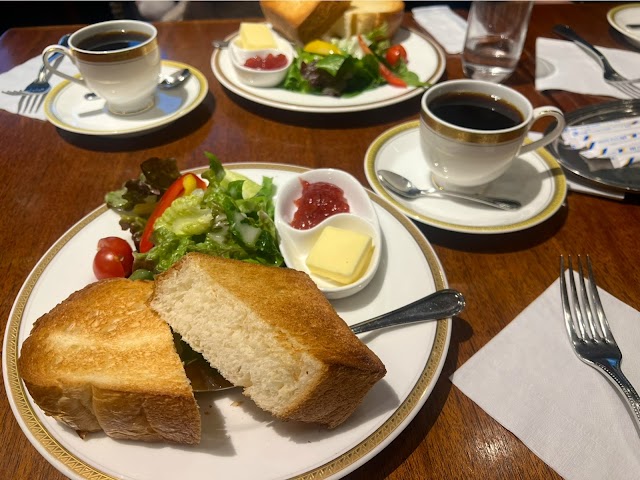
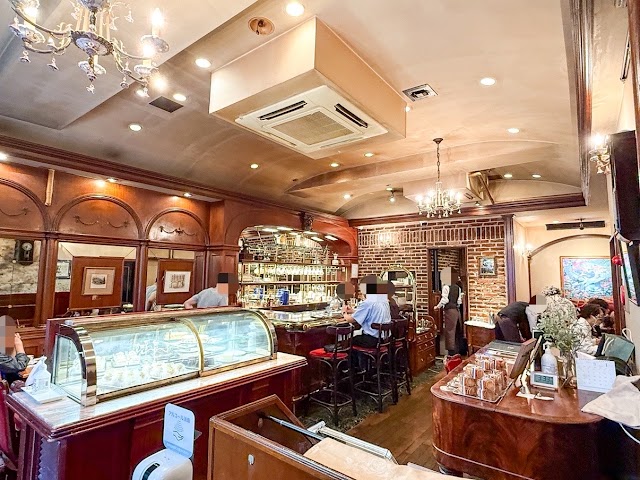
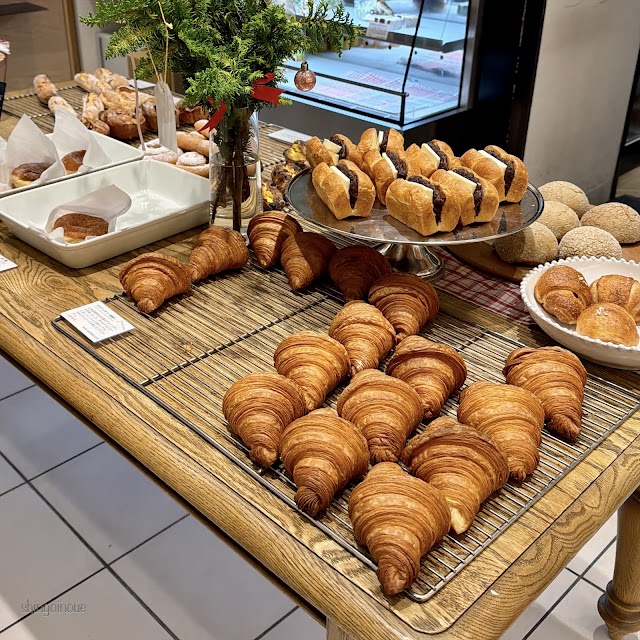
This guide sorts nine Tokyo apple pies by style and area. The specialists that started the boom: Granny Smith (opened 2012 opposite Setagaya Park; named for the baking apple; ~¥650 a slice) and Matsunosuke N.Y. in Daikanyama (Akiko Hirano's New England style, raw apple baked into the crust) define Tokyo's 'American' apple pie. For the homey and the grab-and-go: Mammies an Sourire in Yanaka bakes a 'mom's taste' pie by hand (Japan Food Selection Gold, July 2026), while RINGO in Ikebukuro — from the BAKE group — makes a twice-baked custard apple pie (~¥399) best eaten fresh. French patisserie route: Les Anges aux Fours in Ebisu and C'est une bonne idée in Jiyugaoka are refined and caramel-scented; Liberté in Kichijoji (2026 Pan Tokyo Top-100) piles on apple with a shatteringly crisp crust. For the setting: Cafe 1894, restored from an 1894 bank hall in Marunouchi, is one of the area's most photogenic rooms; Tricolore Main Store (Ginza, since 1936) pairs handmade pie with siphon coffee in pure Showa-kissaten style. Seasonal note: Japanese apples arrive from September, tart baking varieties peak in autumn, and many shops change apple type by season — order by the label (Kogyoku = bright/tart, Fuji/honey apple = sweeter). Heritage and museum cafes change hours by exhibition or season, so check before you go. Phone, hours, closing days, ratings and official photos are attached tomorrow morning from Google's official data.
 Scan for map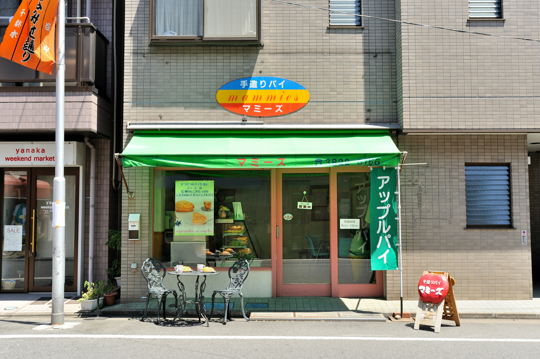
 Scan for map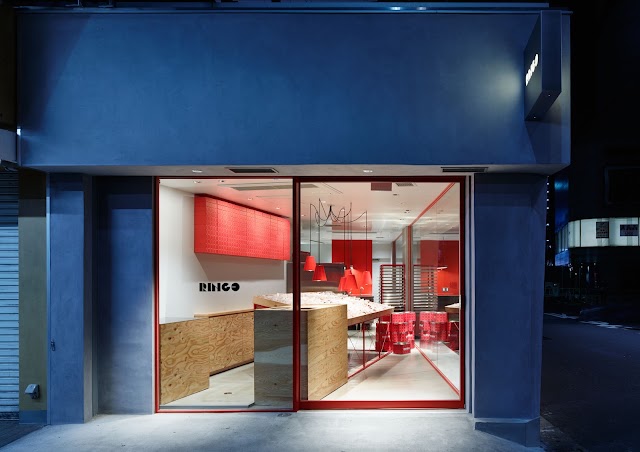
 Scan for map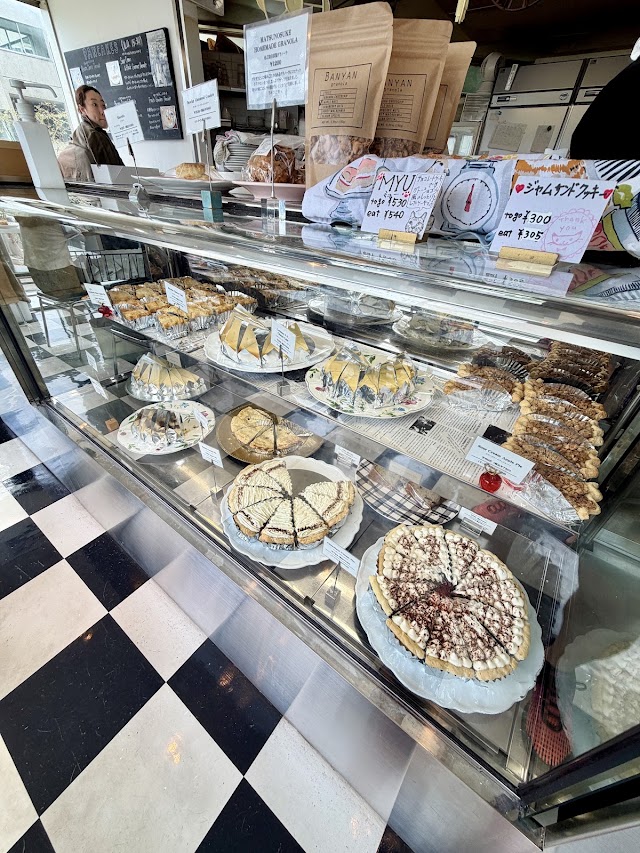
 Scan for map
 Scan for map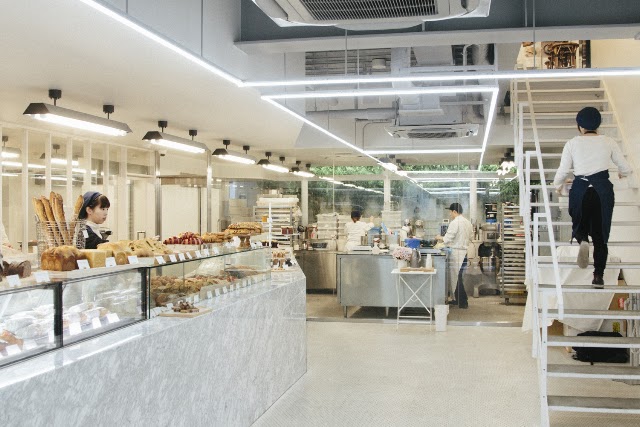
 Scan for map
 Scan for map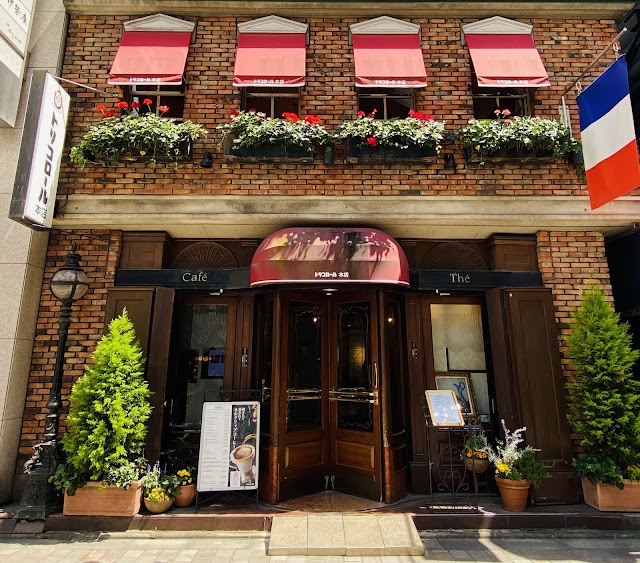
 Scan for map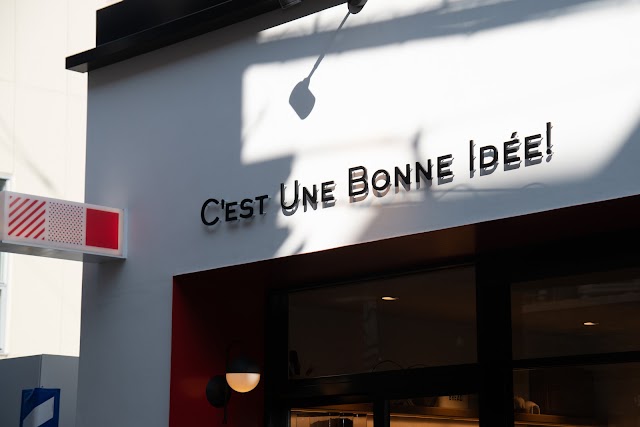
 Scan for map