Amber in Ginza or Fruit in Kiyosumi-Shirakawa: 9 Tokyo Self-Roast Coffee Houses, from Showa Kissaten to the World's No. 28
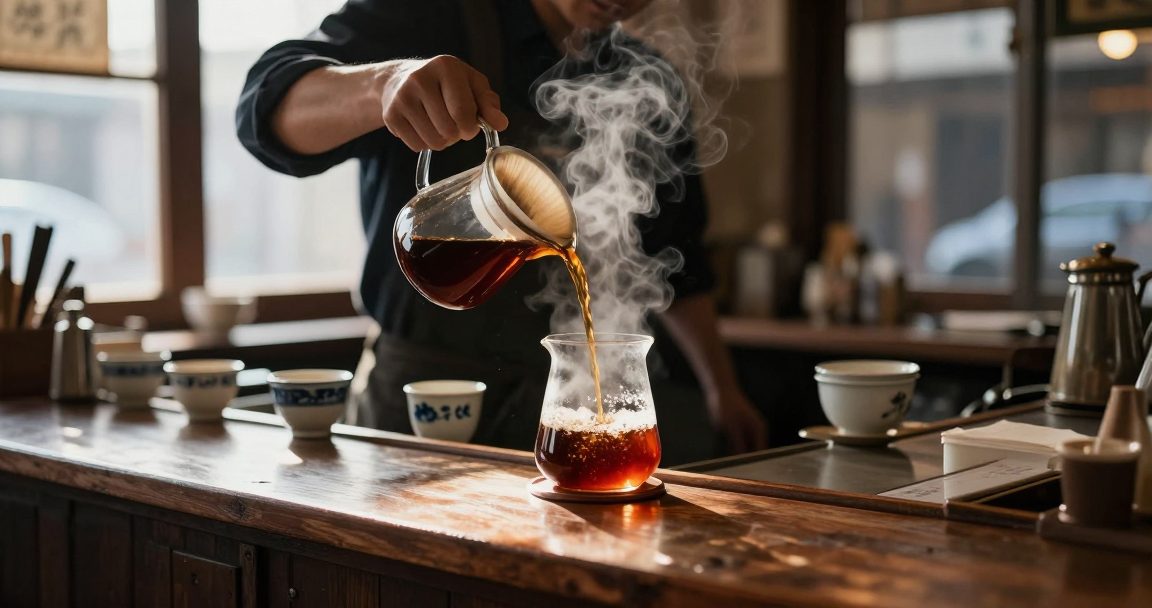
- Coffee is year-round, but the autumn chill is the best entry to dark roast; a flannel-dripped amber cup warms you as the weather turns.
- Two schools: dark-roast old school (Ginza's Café de L'Ambre, Juichibo) — flannel drip, aged beans, bittersweet body; light-roast third wave (Kiyosumi-Shirakawa, Jimbocho) — single origin, fruity acidity, freshness-driven.
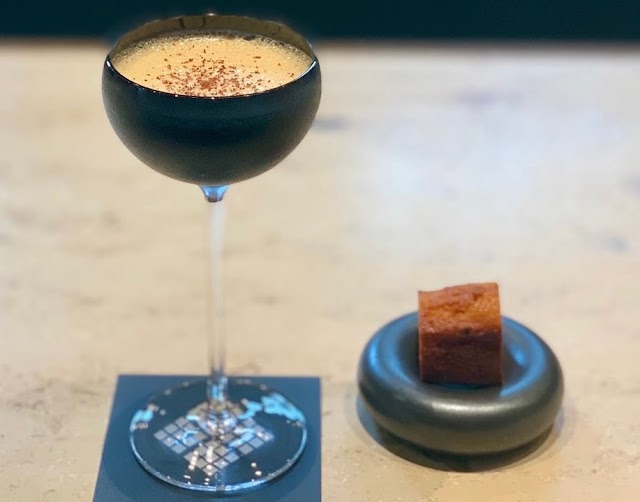
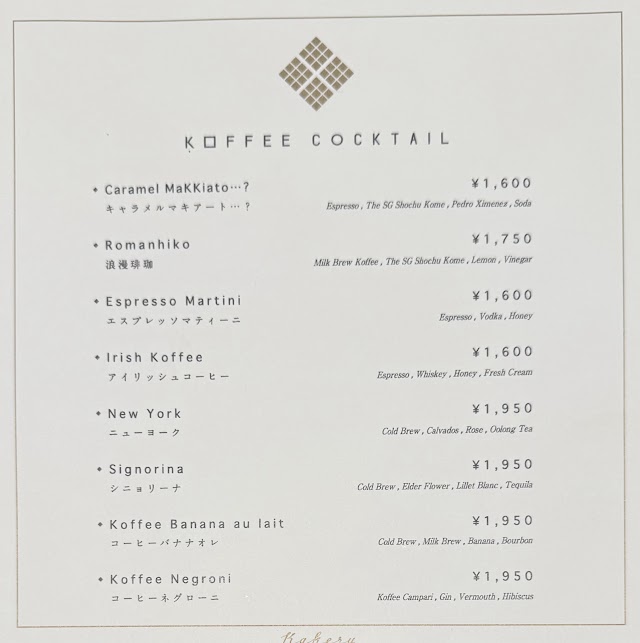
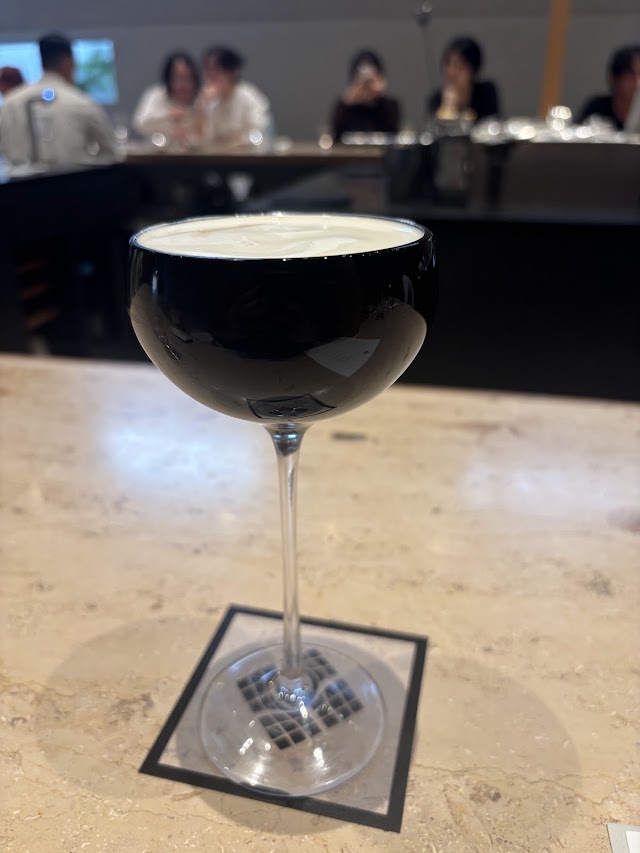
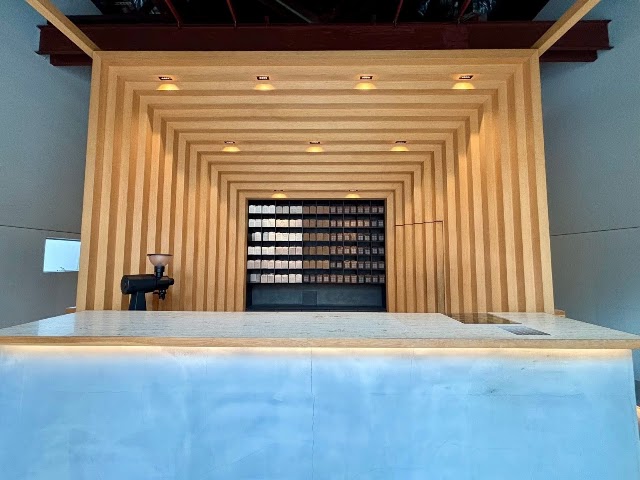
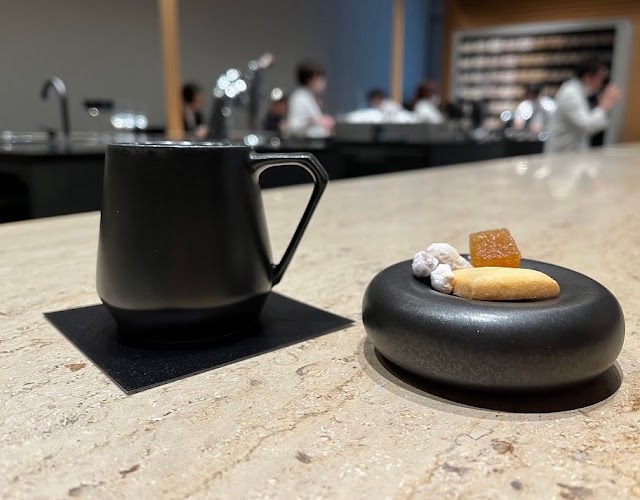
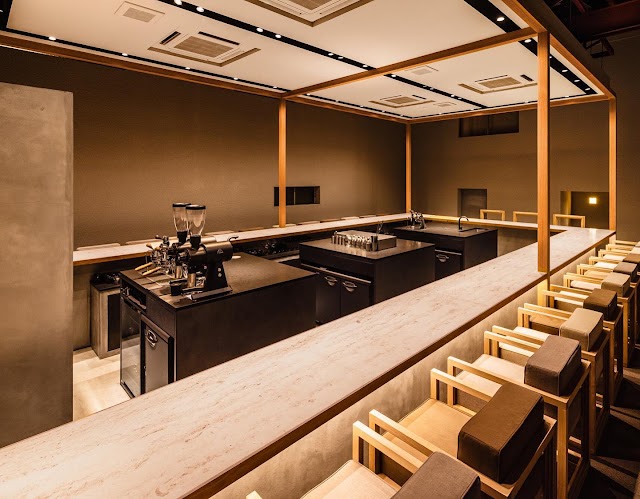
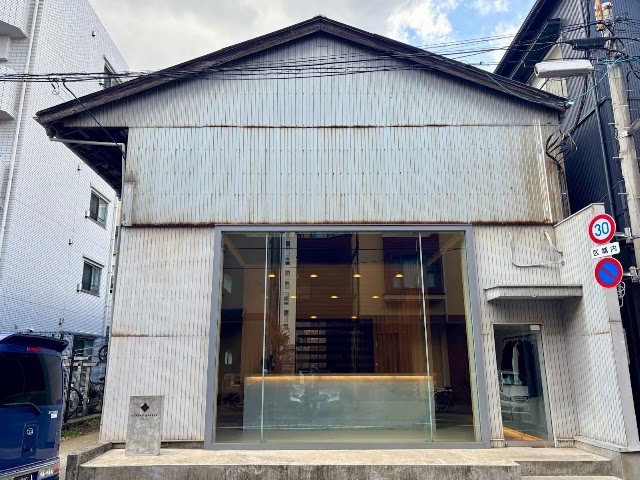
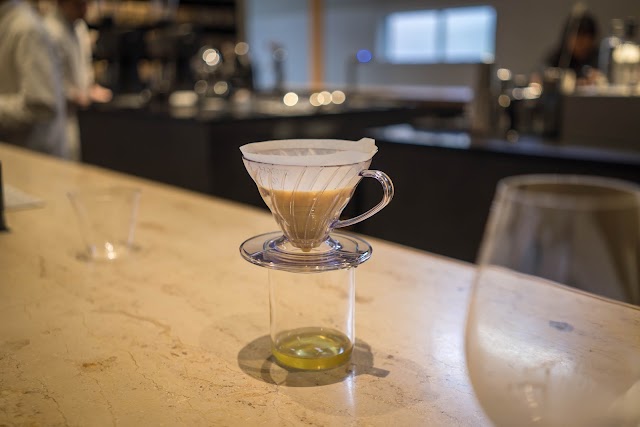
- Koffee Mameya Kakeru (Kiyosumi-Shirakawa) is No. 28 on the UK's World's 100 Best Coffee Shops 2026 — one of only two Japanese entries (the other is Ult, Osaka); its signature hour-long tasting course needs a reservation.
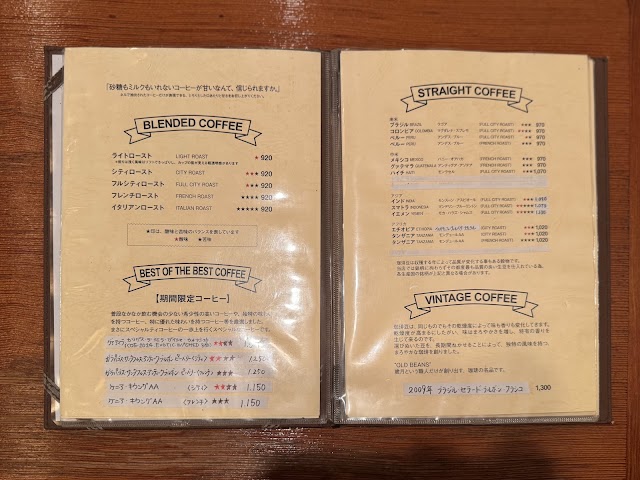
- Ordering words: 'nel drip / dark roast' for old school; 'single origin' with origin/process for specialty; 'flat white' for milk drinks; 'batch brew' when in a hurry; ask for the 'coffee of the day' if unsure.
- Prices: takeaway specialty ¥500-700; seated single-origin pour-over ¥800-1,500; Ginza aged-bean dark roast ¥1,500-2,000; Koffee Mameya Kakeru course ¥3,000-5,000. Almost every shop sells beans to take home.
'Self-roasting' is a familiar idea to specialty-coffee fans back home, but Tokyo is special because it has preserved two whole generations of it side by side — and does both to the extreme. In the morning you can watch a Showa-era master in Ginza drip a deep-roast, amber cup through a flannel filter (nel drip); by afternoon you can be in a Kiyosumi-Shirakawa roastery smelling a light-roast Ethiopian that reads like fruit juice. Same city, same phrase 'jika-baisen', two parallel worlds — that is the charm of Tokyo coffee.
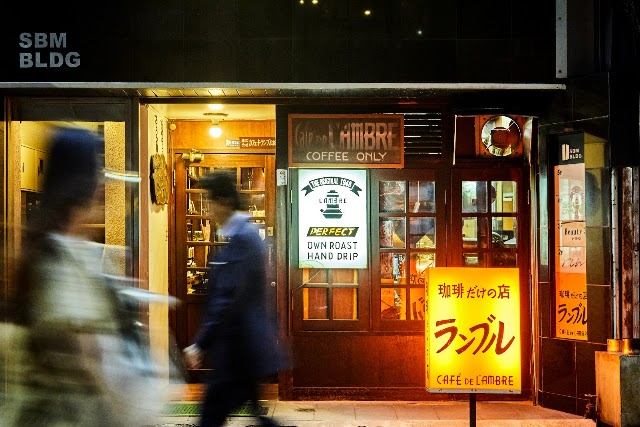
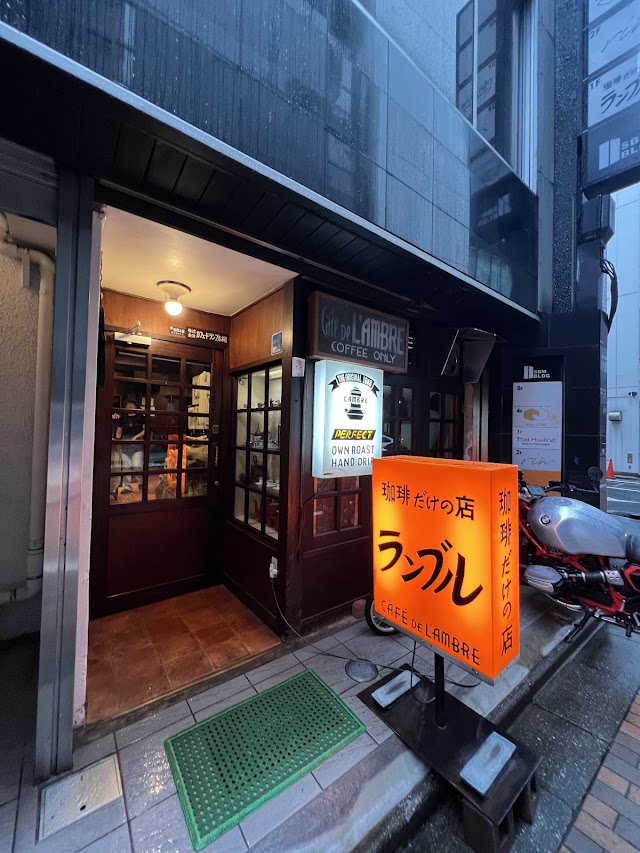
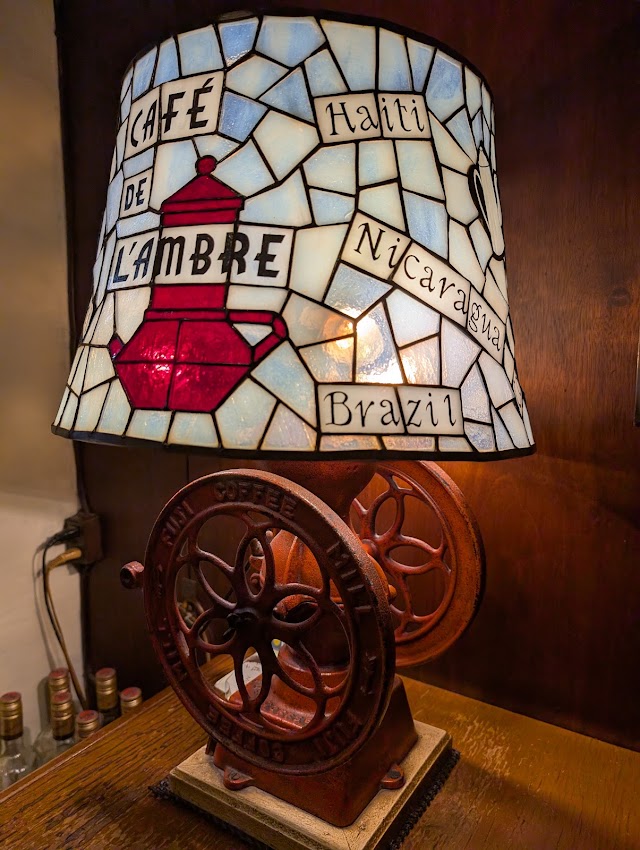
The key division for visitors is dark-roast old school vs light-roast third wave. The dark side is rooted in postwar Showa kissaten; its icon is Cafe de L'Ambre in Ginza (founded 1948), a coffee-only shop that uses aged green beans and flannel drip, chasing a 'clear amber' cup of deep, bittersweet body. The third wave grew over the last decade out of Kiyosumi-Shirakawa and Jimbocho, using light-to-medium roasts to spotlight single-origin acidity, terroir and freshness. Tell the two apart and you will order well anywhere in the city.
Useful ordering words: ask for 'nel drip' for the old-school dark cup; look for 'single origin' with origin and process notes for third-wave; a 'flat white' is common at modern shops; 'batch brew' is fast and cheap when you are in a hurry; and Koffee Mameya Kakeru turns coffee into an hour-long tasting course (reserve ahead). Almost every shop lets you buy beans to take home — the most practical souvenir.
Prices vary widely: a takeaway filter is often ¥500-700; a seated single-origin pour-over ¥800-1,500; a Ginza aged-bean dark cup up to ¥1,500-2,000; the Koffee Mameya Kakeru tasting course ¥3,000-5,000. The nine below are grouped into 'Showa dark-roast old school', 'third-wave and world-class', and 'neighborhood micro-roasters and characters' — and one of them is on the World's 100 Best Coffee Shops 2026 list, on which Japan has only two entries.
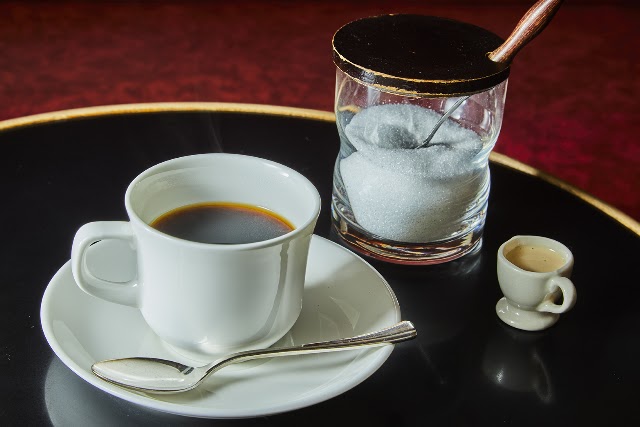
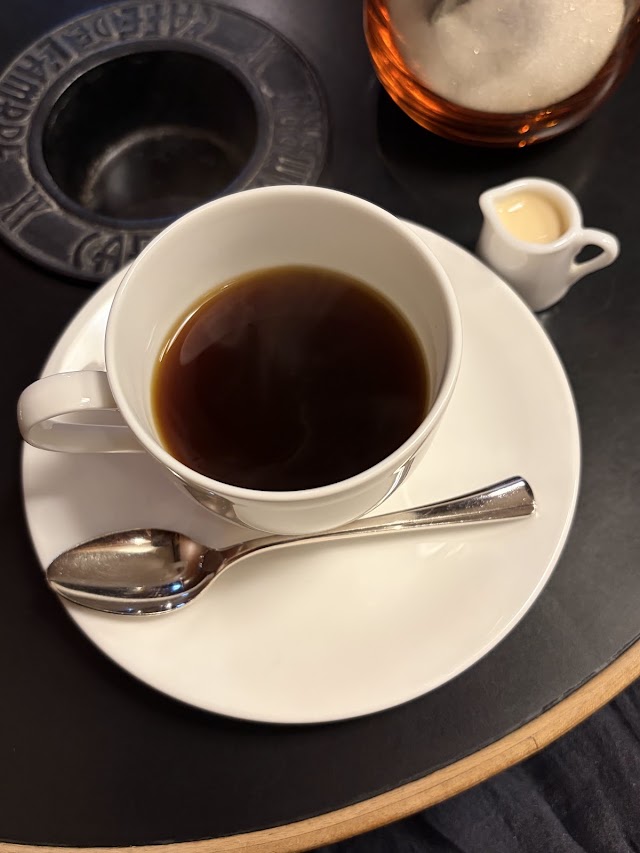
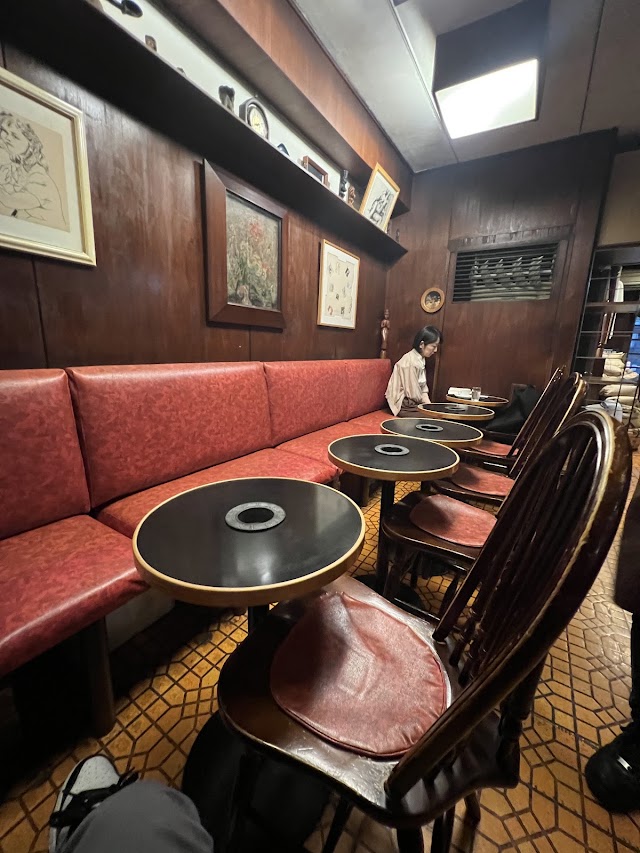
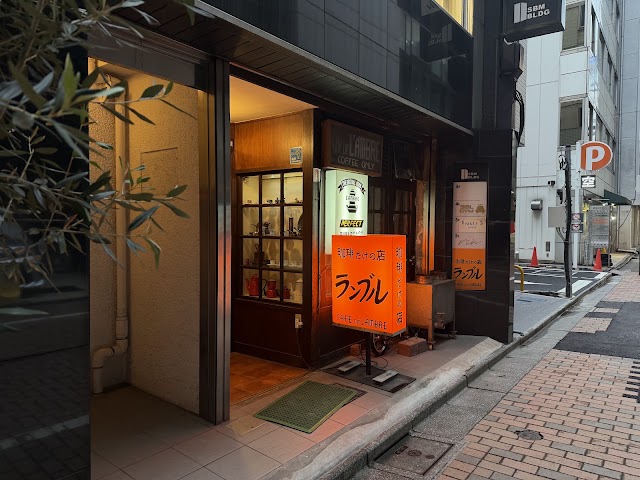
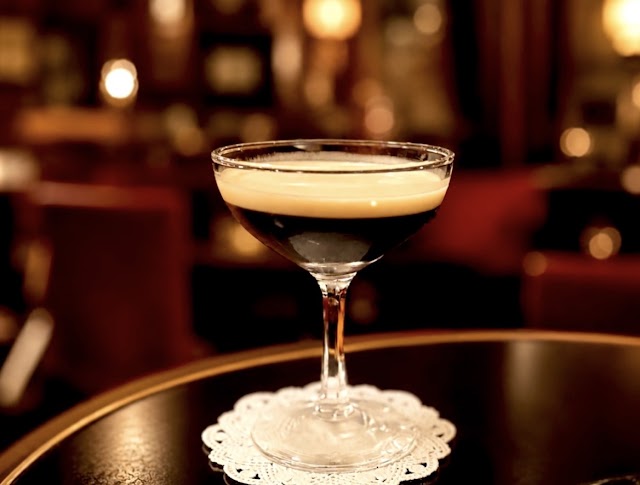
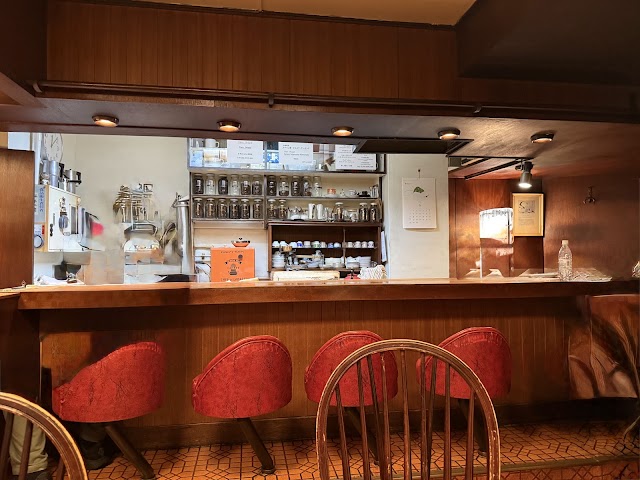
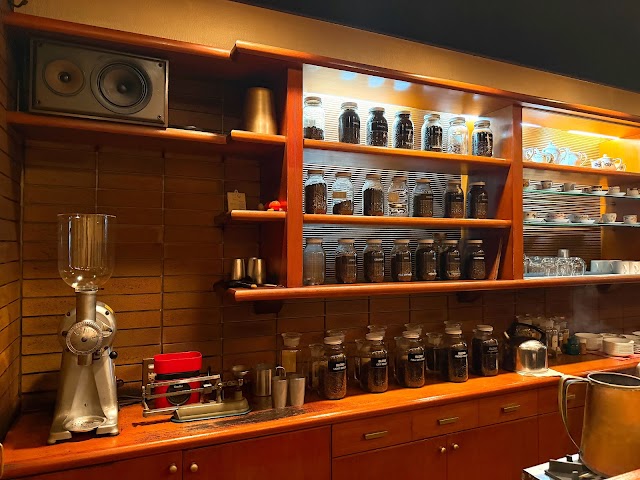
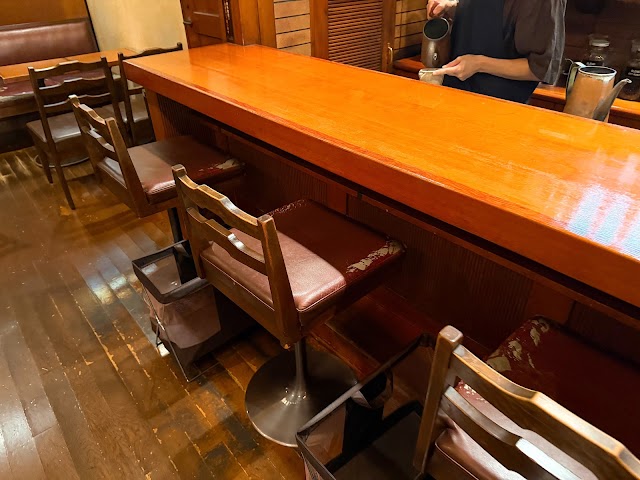
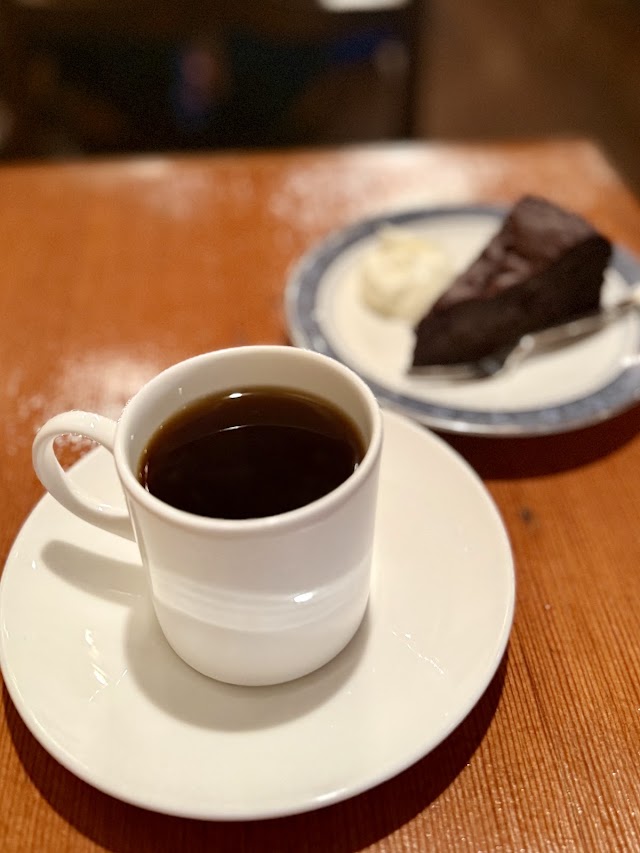
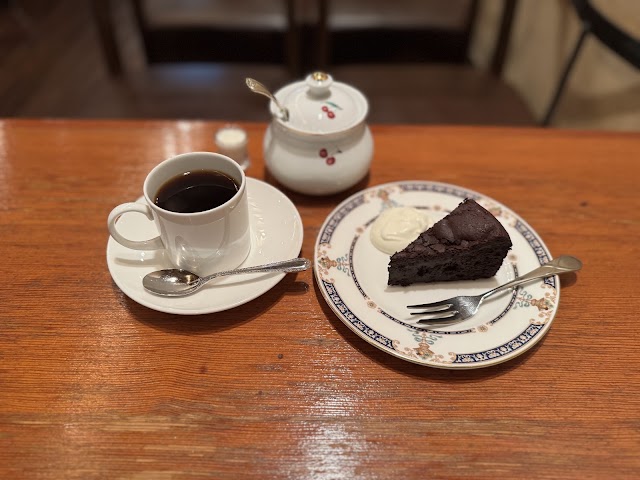
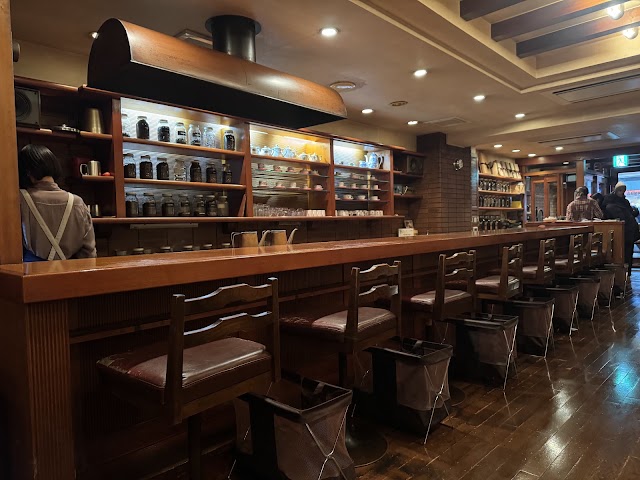
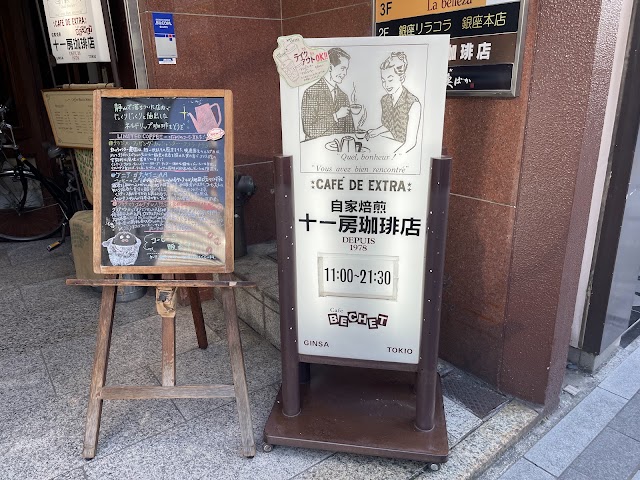
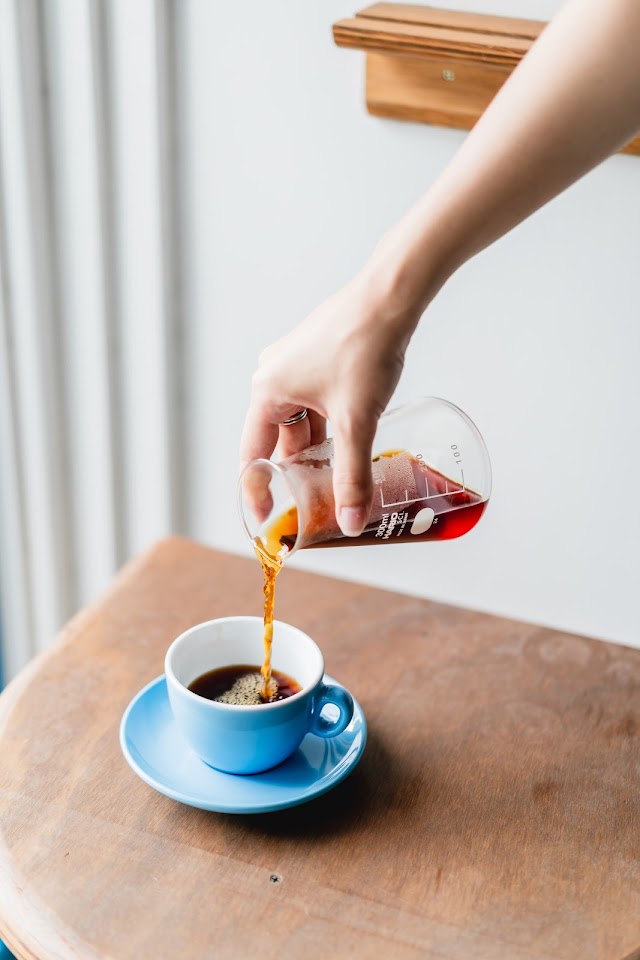
**Showa dark-roast old school, where time and flannel do the talking.** In Ginza 8-chome, Café de L'Ambre (founded 1948) is living history: named after the French word for 'amber', its signature is a deep, clear amber cup dripped through flannel from aged green beans — bittersweet, full-bodied, almost without acidity, the textbook of the dark-roast school. It serves coffee only; come to sit and drink slowly in a 70-year-old kissaten. Also in Ginza, Juichibo Coffee follows the same flannel dark-roast, Showa-mood path at friendlier prices — a good escape from the tourist queues for dark-roast lovers.
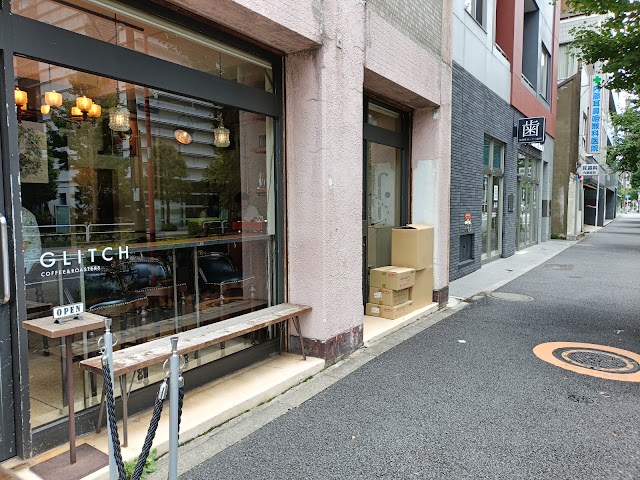
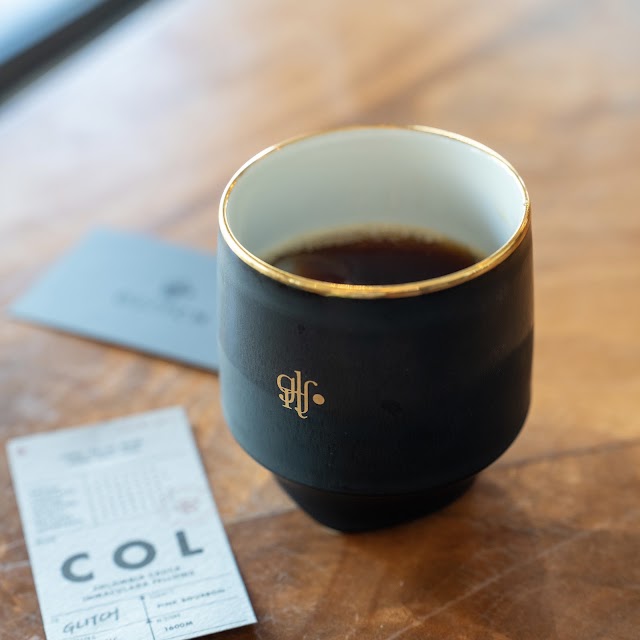
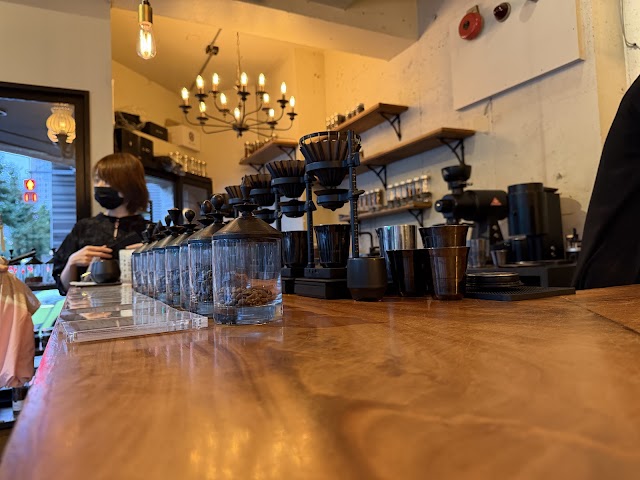
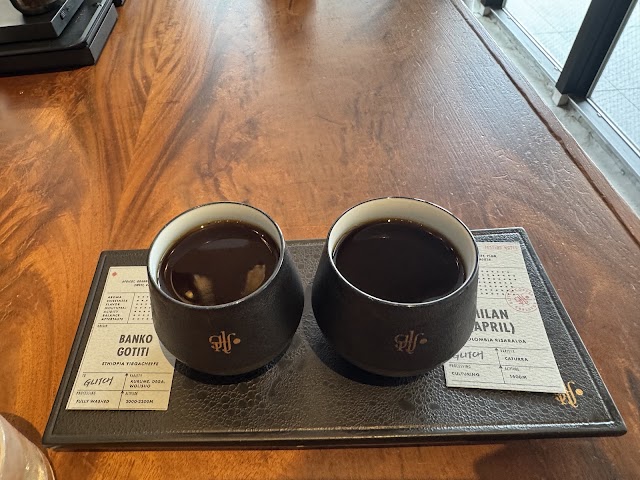
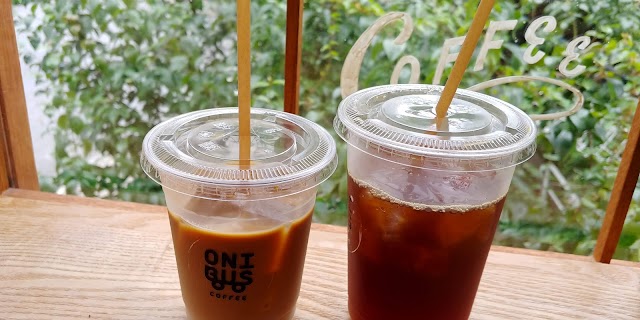
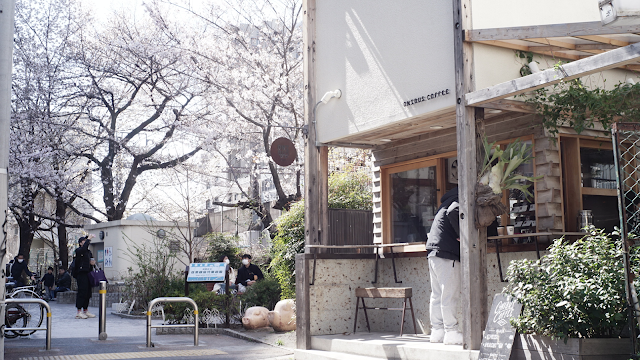
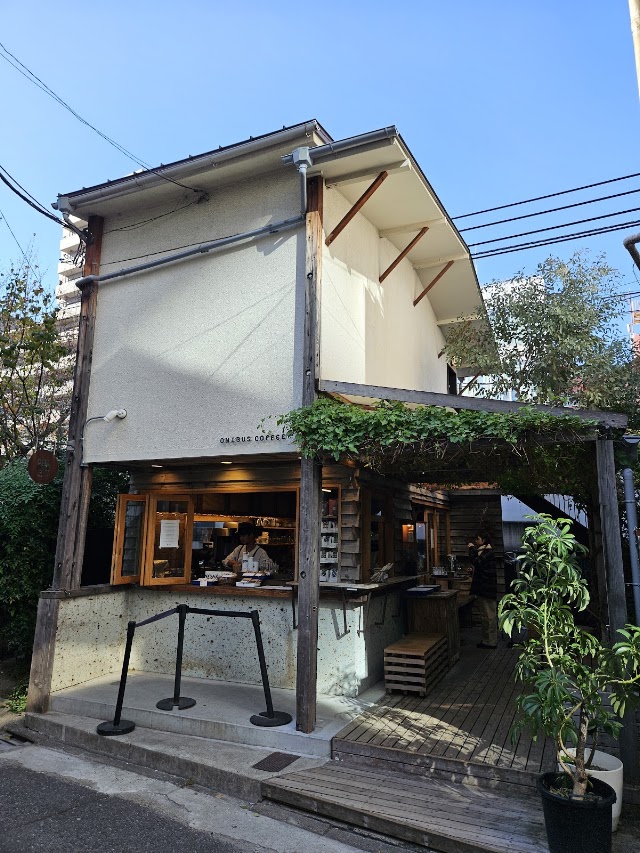
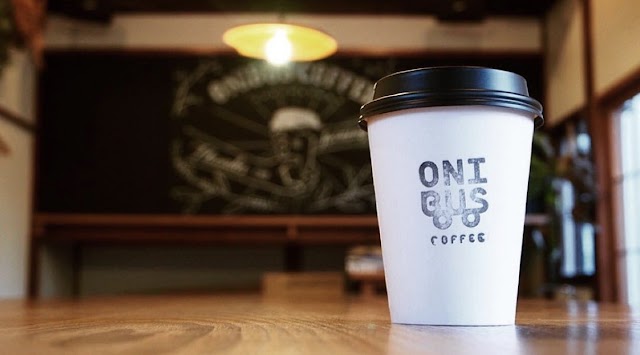
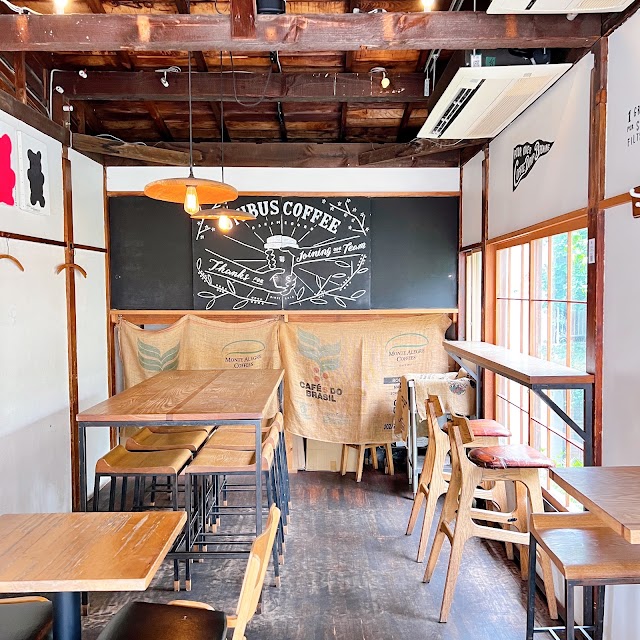
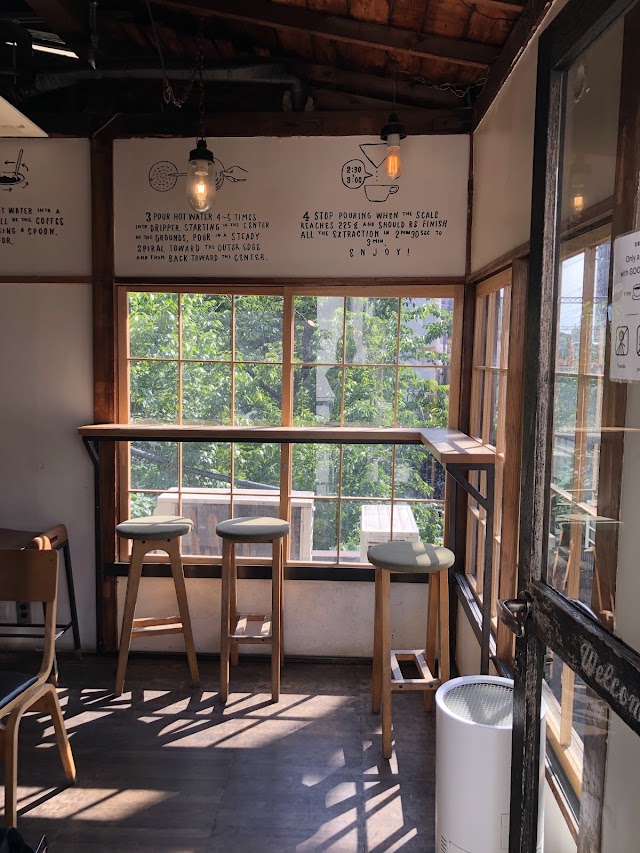
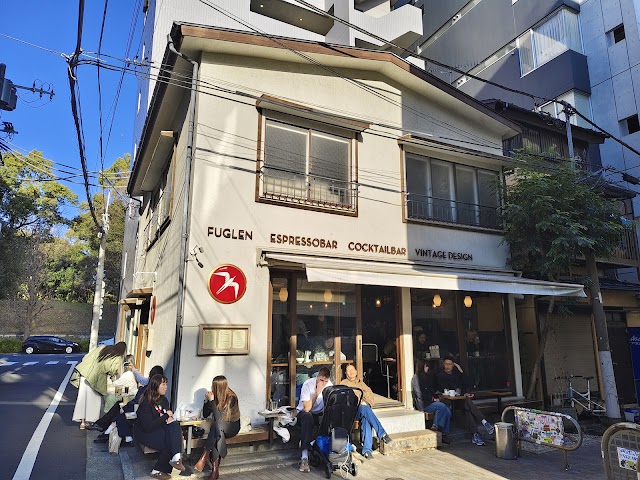
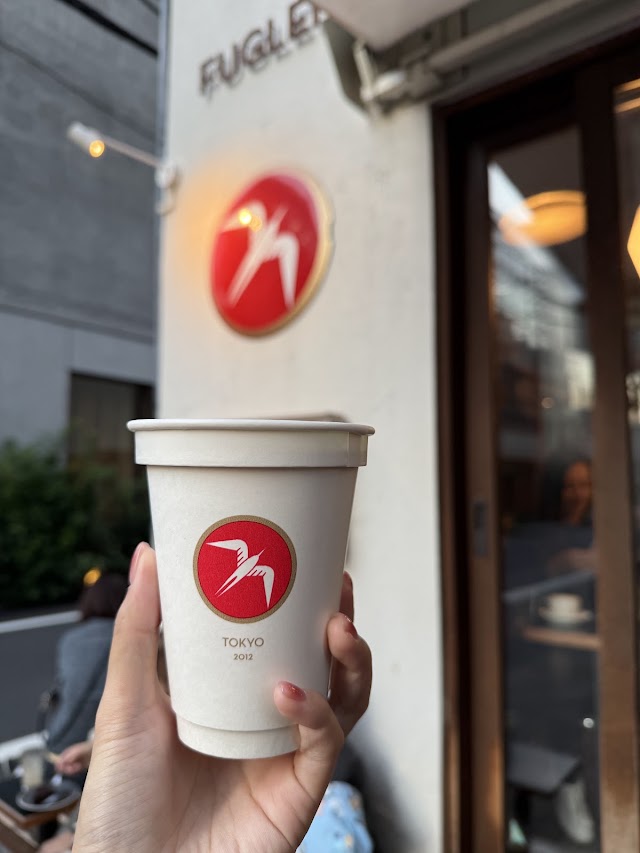
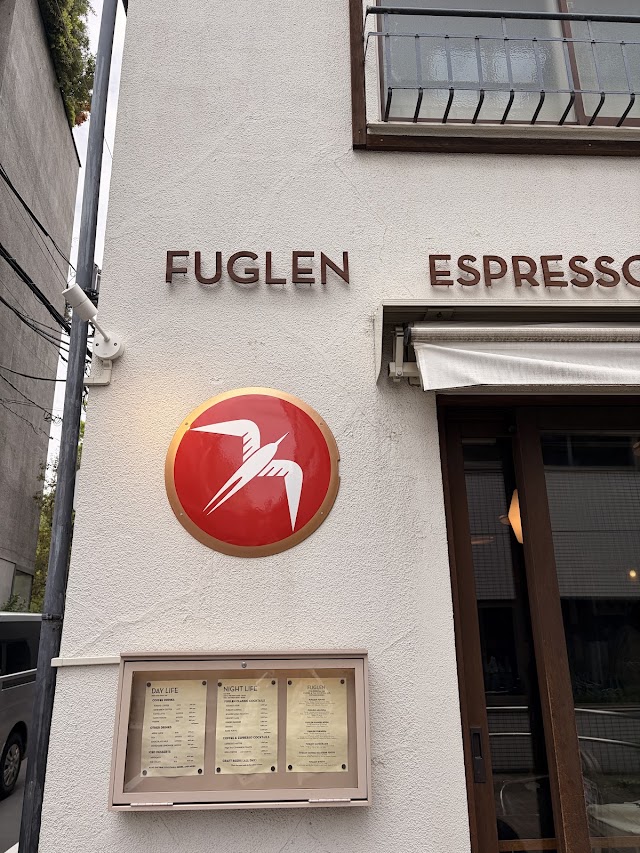
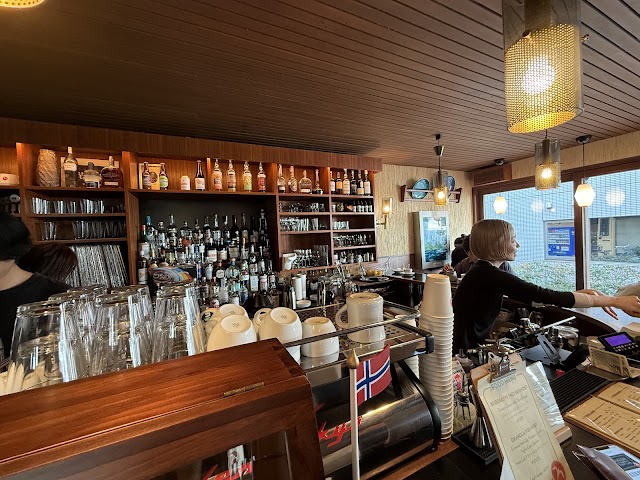
**Third wave and world-class, where origin and freshness matter.** In Kiyosumi-Shirakawa, Koffee Mameya Kakeru is the marquee name — ranked No. 28 on the UK's World's 100 Best Coffee Shops 2026, one of only two Japanese entries (the other is Ult in Osaka). Its signature is not a single cup but an hour-long tasting course showing one bean as cold brew, milk brew, filter and espresso; reserve ahead, prices are higher, for those who take coffee seriously. In Jimbocho, GLITCH COFFEE & ROASTERS is Tokyo's light-roast third-wave flagship — single-origin pour-overs and lattes stand out, around ¥1,000 a cup, a 7-minute walk from Jimbocho Station, perfect after the used-book street. By Nakameguro Station, ONIBUS COFFEE occupies a renovated old house with a train view from the upstairs window; it roasts high-grade Rwandan and Guatemalan beans and is the most approachable specialty spot — a takeaway on the terrace is a Nakameguro walk staple. In Tomigaya by Yoyogi Park, Fuglen Tokyo comes from Oslo: a Nordic specialty café by day, cocktail bar by night, with light-roast pour-overs and design to match.
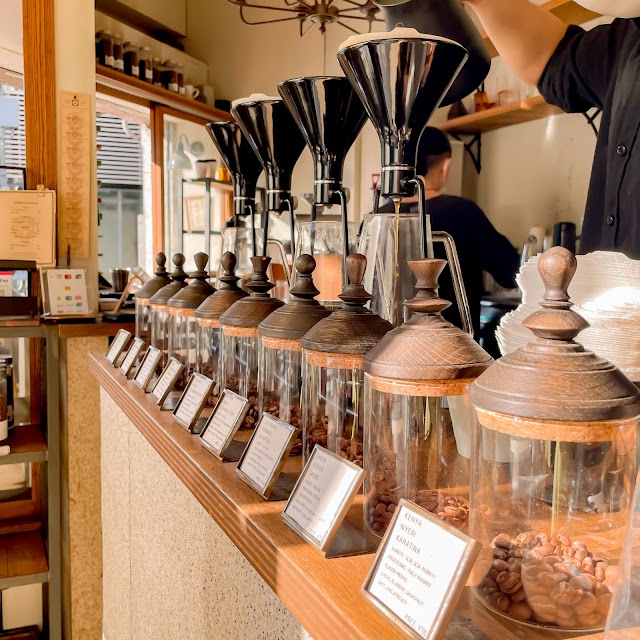
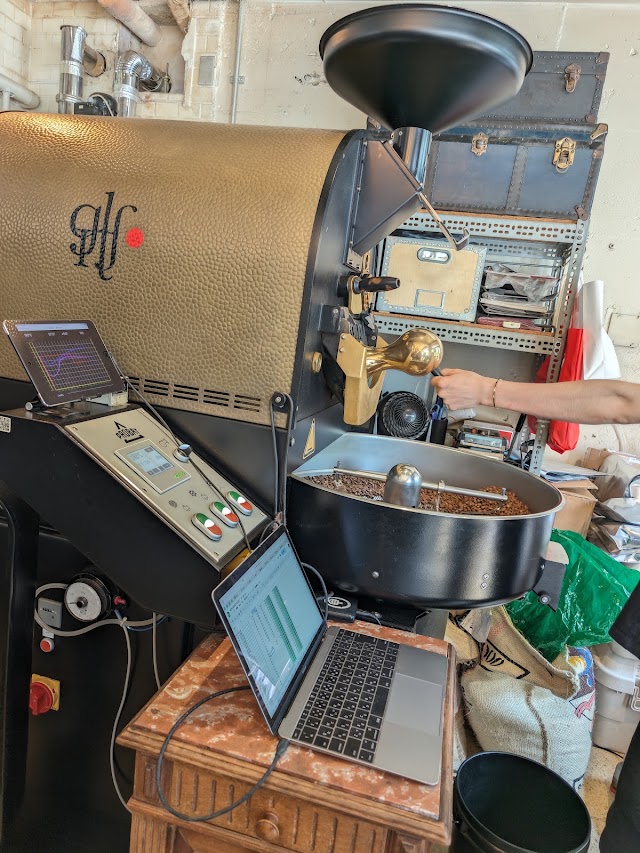
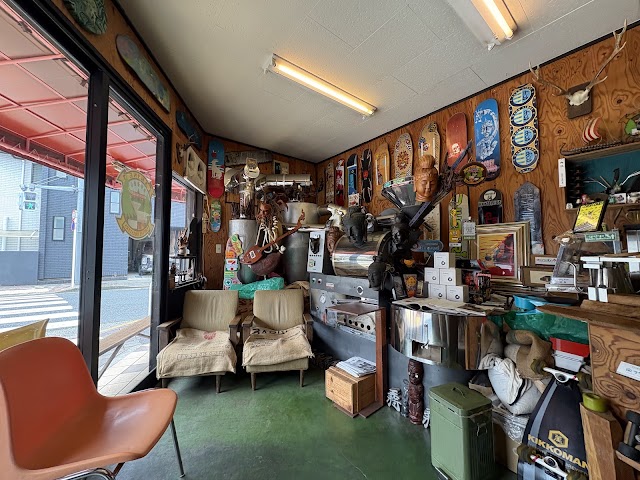
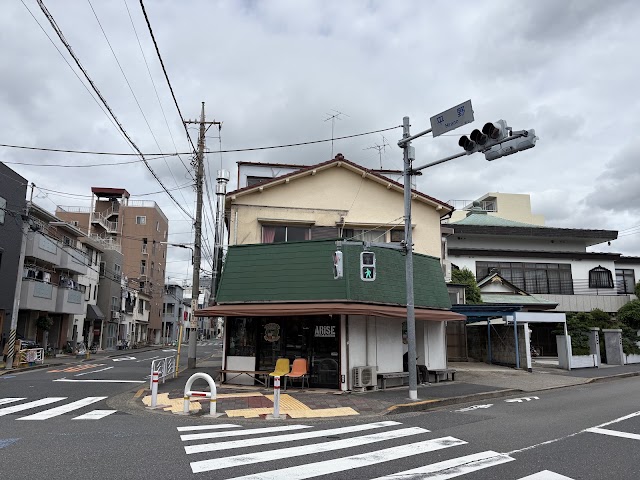
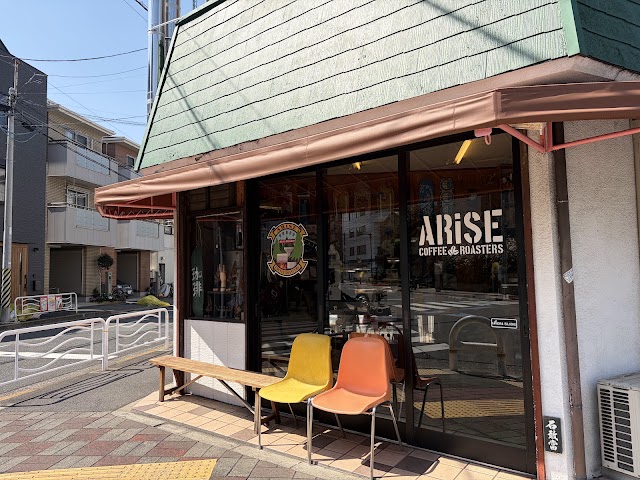
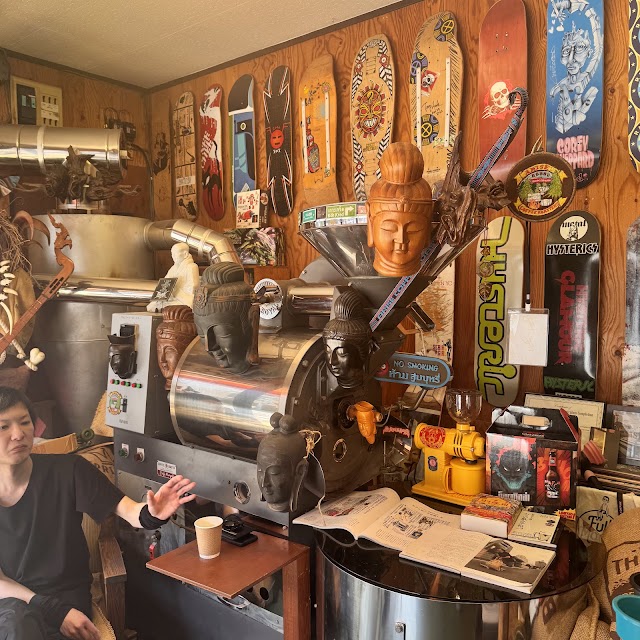
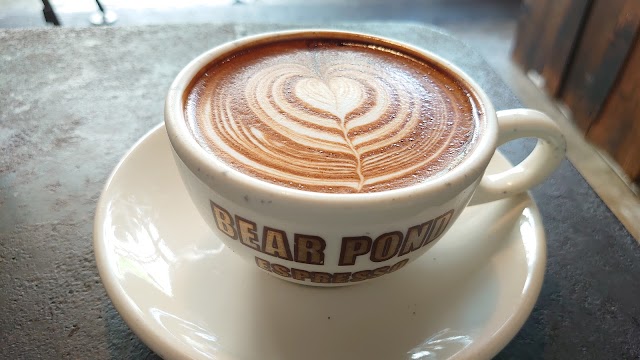
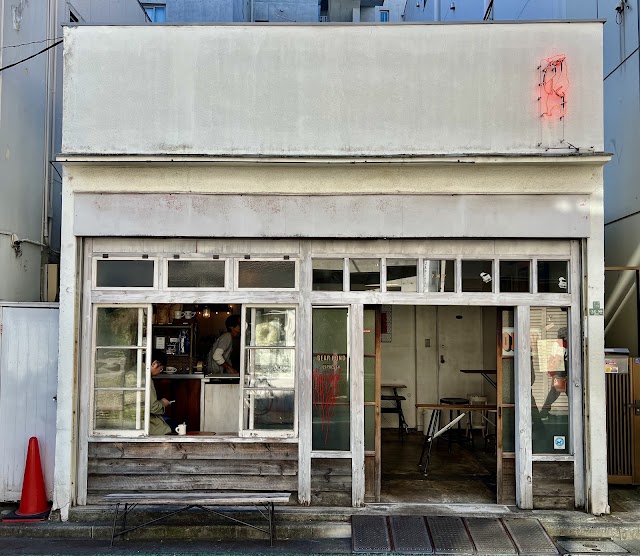
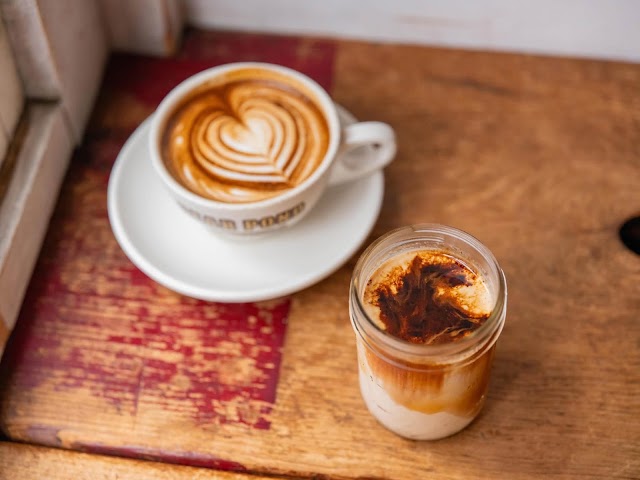
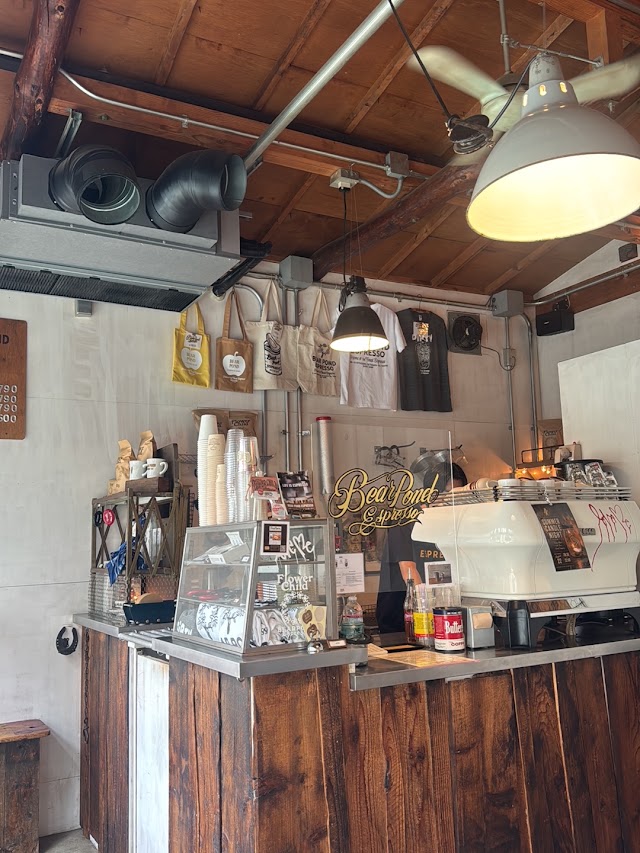
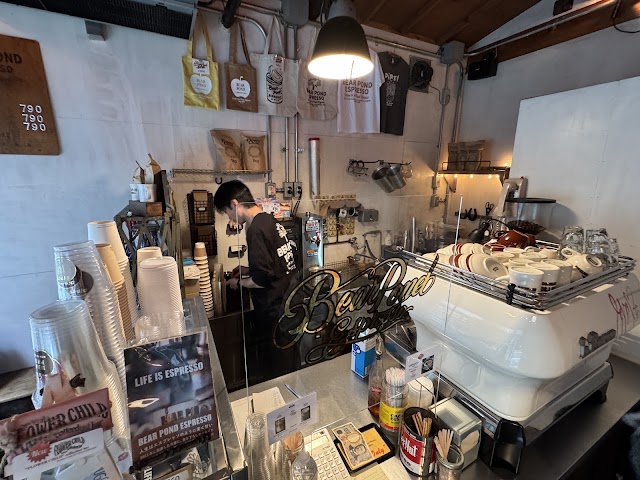
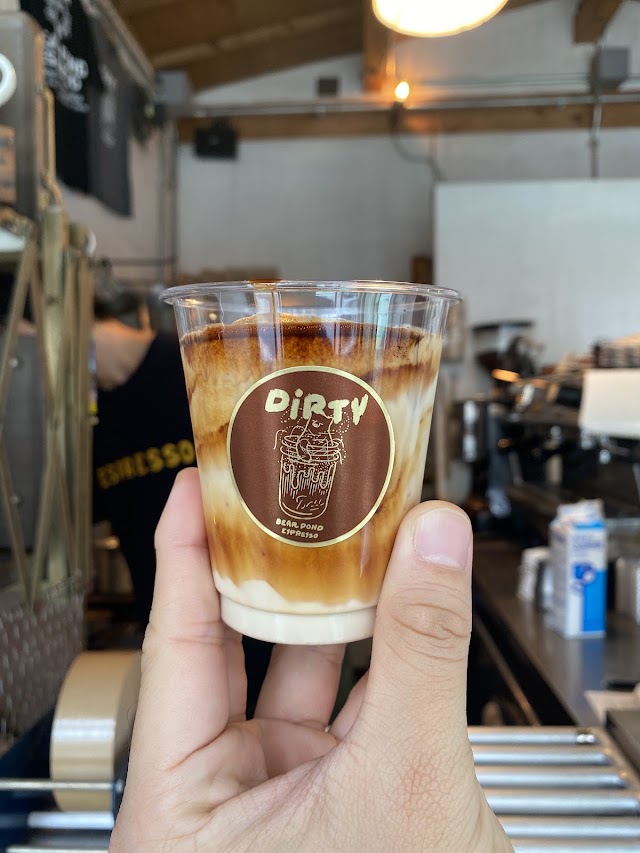
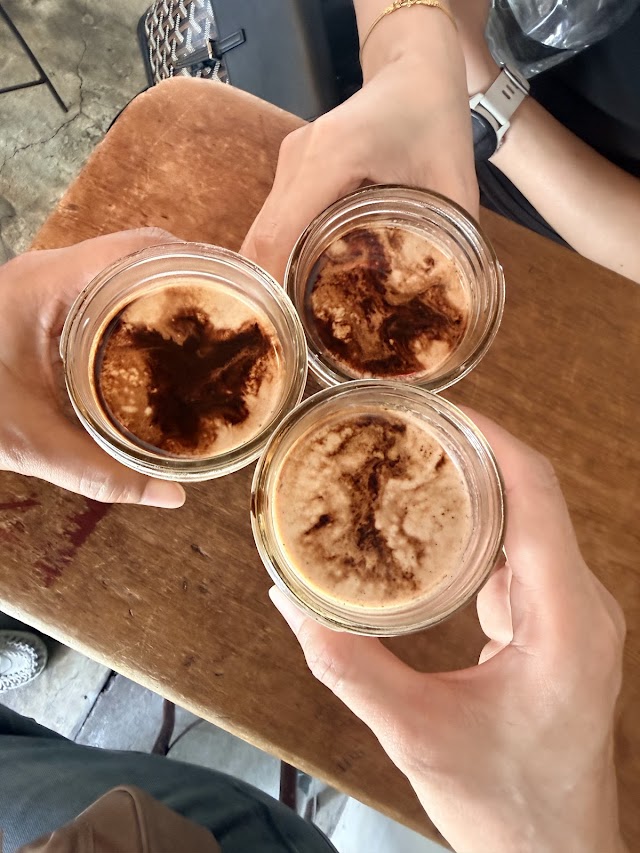
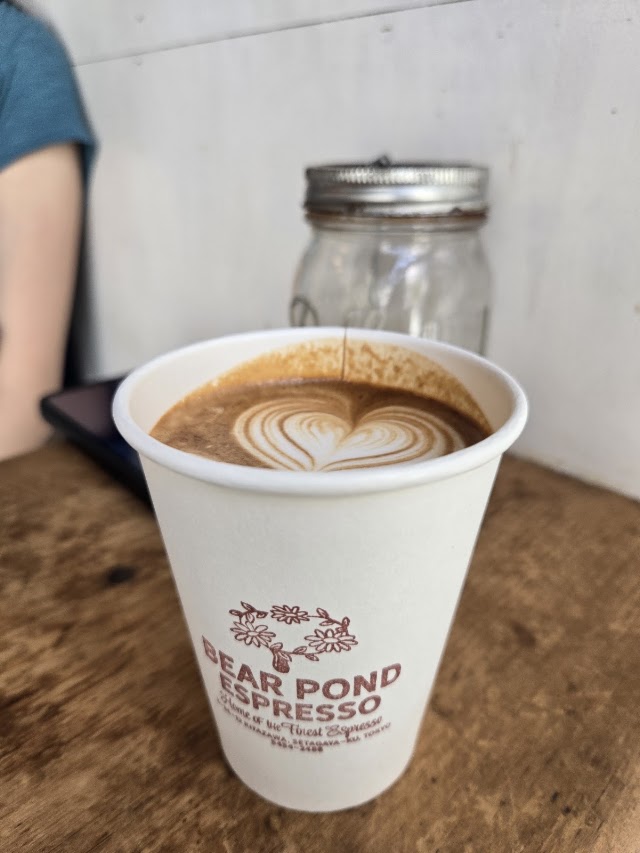
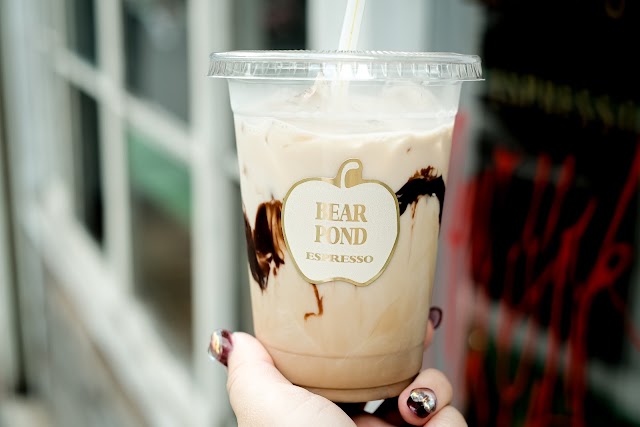
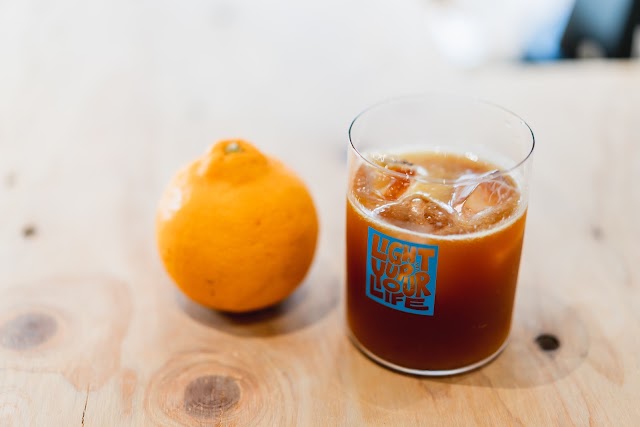
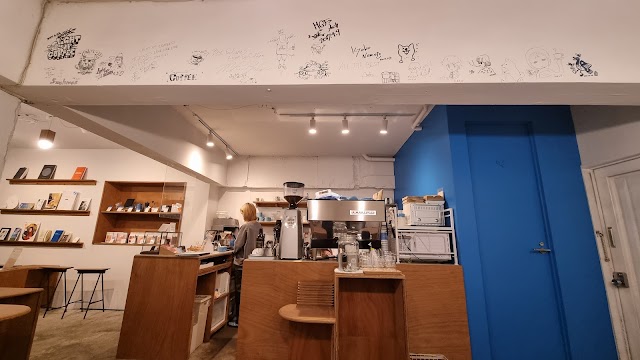
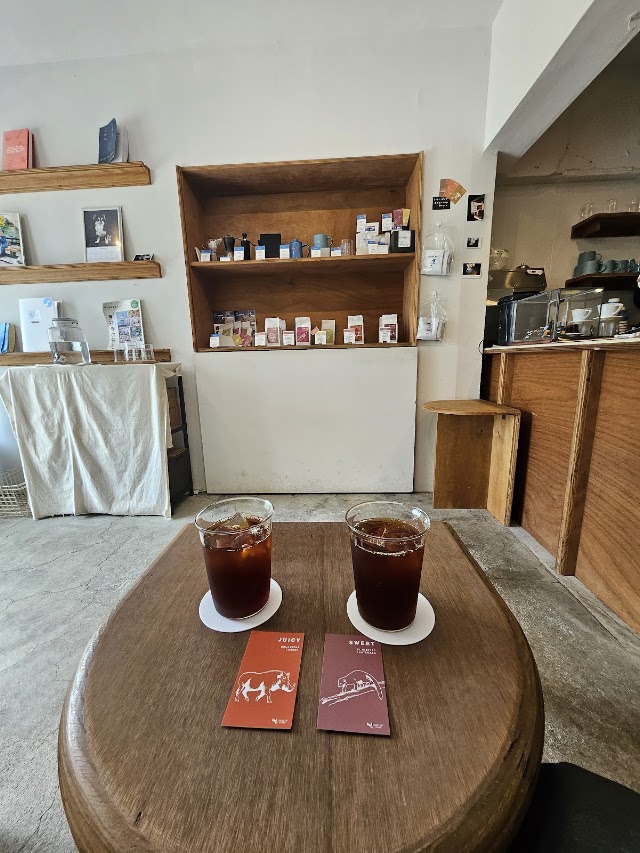
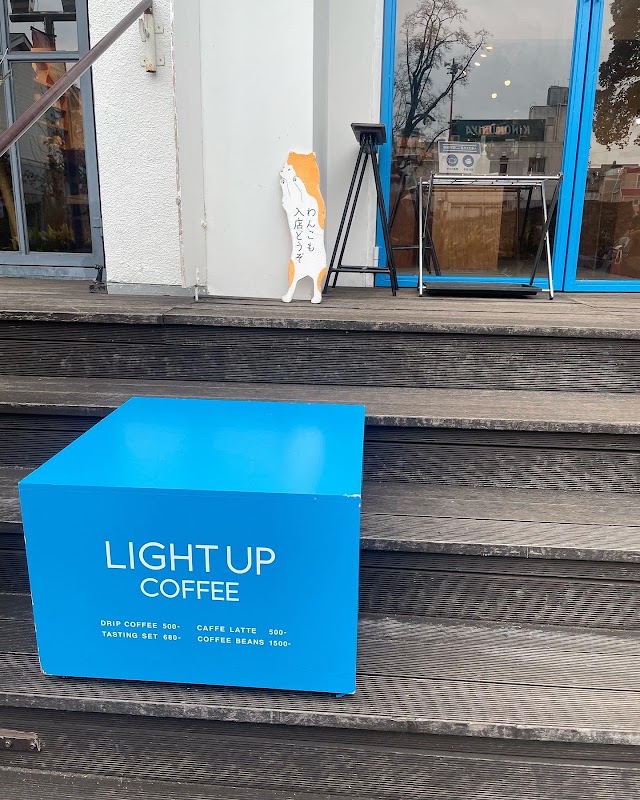
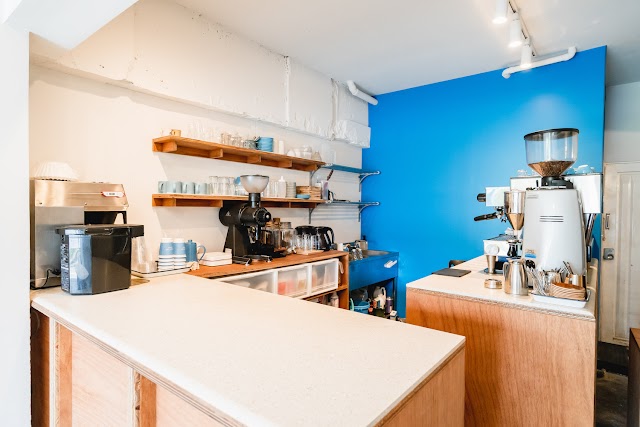
**Neighborhood micro-roasters and characters, humble but with attitude.** In Kiyosumi-Shirakawa, ARISE COFFEE ROASTERS is one of the small pioneer roasters that turned the area into 'Tokyo's coffee town' — tiny, owner-roasted, a few hundred yen a cup, the most artisanal and a great place to buy beans. In Shimokitazawa, Bear Pond Espresso is a Tokyo espresso legend; its limited 'Angel Stain' shot and near-obsessive extraction come with counter rules (no photos at certain times) — a pilgrimage for coffee geeks and the most personality-driven of the list. In Kichijoji, LIGHT UP COFFEE focuses on light-roast single origins, explains each bean's origin and flavor in unusual detail and runs brewing workshops — a friendly on-ramp for beginners, right by Inokashira Park.
**Seasonal and ordering notes.** Coffee is a year-round drink, but the autumn chill is the best entry to the dark-roast school — that flannel-dripped amber warms you as the weather turns; conversely, for lingering late-summer heat, order an iced light-roast pour-over or cold brew. Identify the school first: 'nel drip / dark roast' for old-school body, 'single origin / light roast' for terroir; unsure, just ask for the 'coffee of the day'. Almost every shop sells beans to take home — the most practical Tokyo souvenir. (Sources: Time Out Tokyo, San-tatsu, Café de L'Ambre official site, Tabelog, ONIBUS COFFEE official site, The World's 100 Best Coffee Shops 2026.)
 Scan for map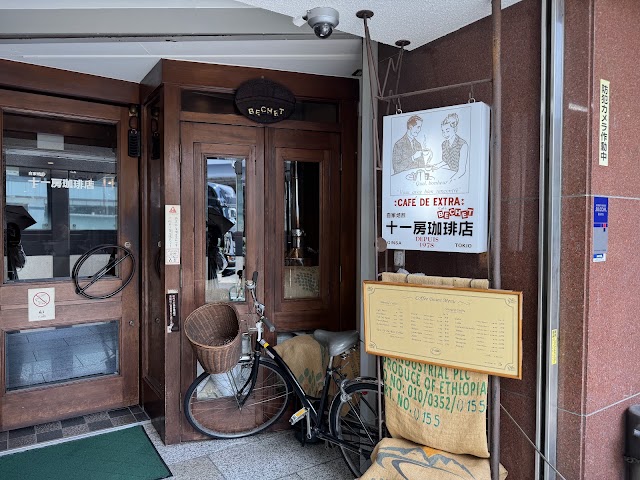
 Scan for map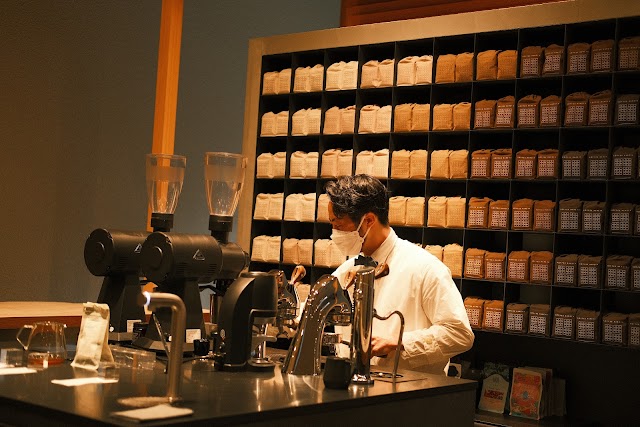
 Scan for map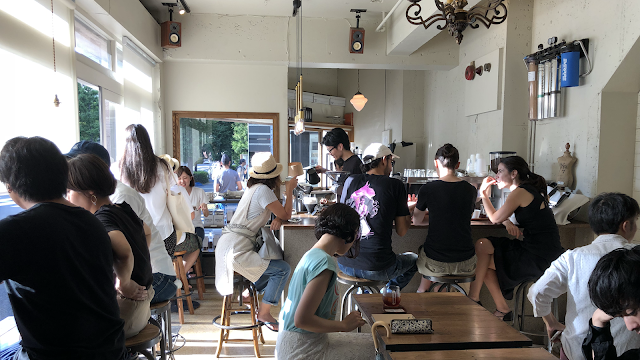
 Scan for map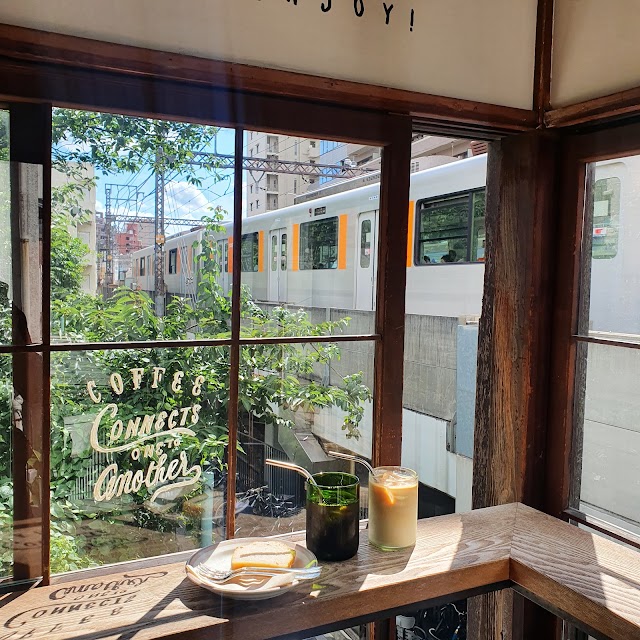
 Scan for map
 Scan for map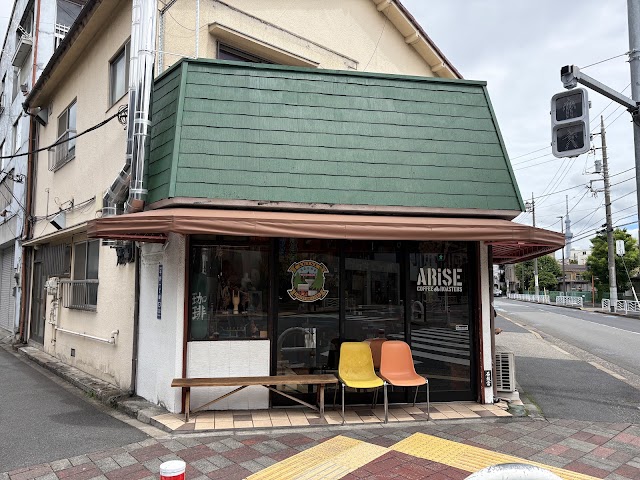
 Scan for map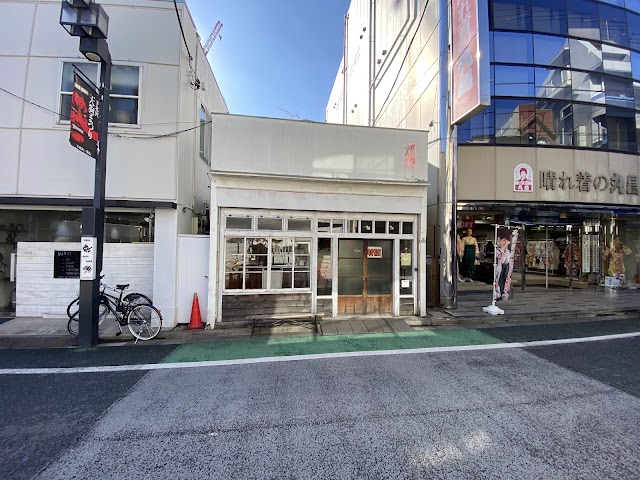
 Scan for map
 Scan for map