When the Late-Summer Heat Breaks, Tokyo Starts Simmering Oden: 9 Old-School Oden Houses, from Kanto Dark-Soy to Kansai-Style Delicacy
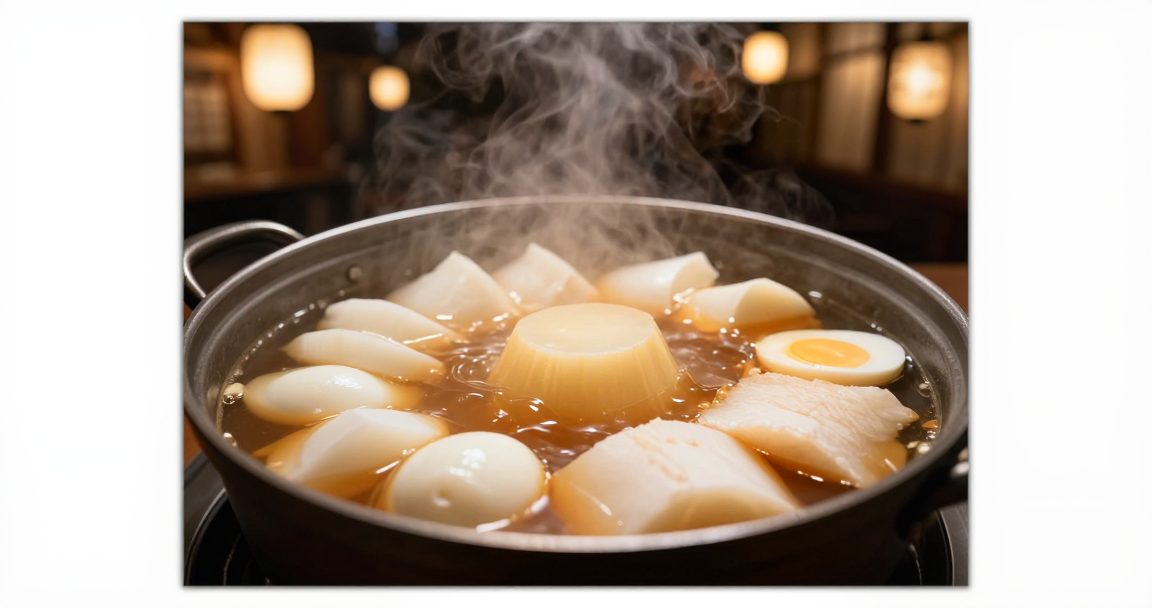
- Oden is year-round, but autumn's chill is its best entry point; konbini oden and seasonal items at the veterans mark Tokyo's turn to fall.
- Know the school: Kanto (Otako, Takokyu, Owariya, Shinbashi Otako) uses dark soy for a deep, sweet-savory broth; Kansai/refined (Otafuku, Ginza Ogura) uses kombu and bonito for a clear, salt-led broth.
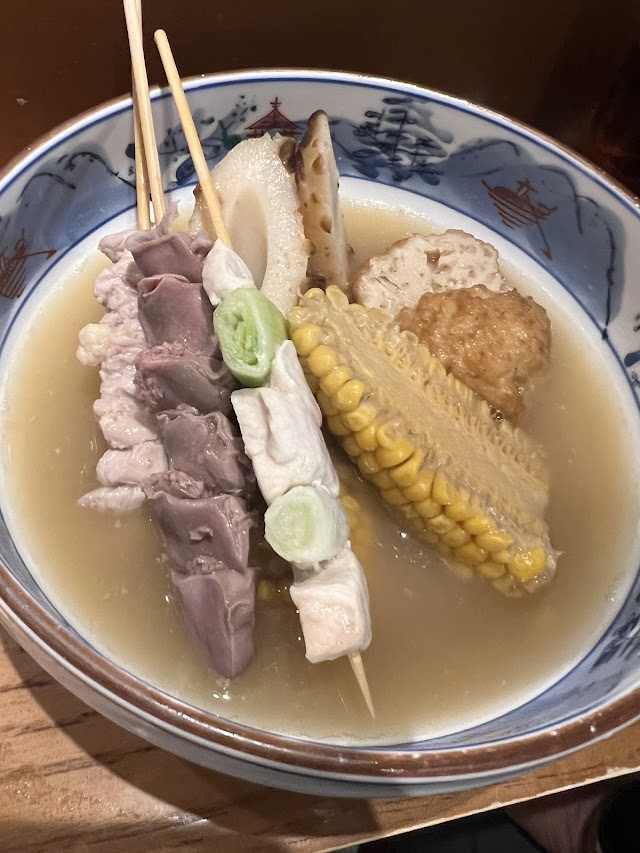
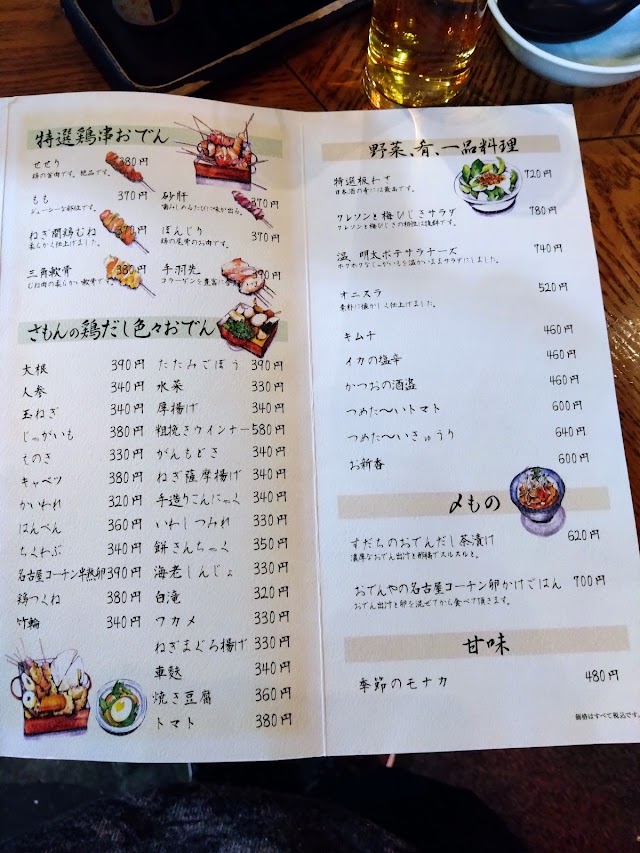
- Ginza Ogura 'looks Kansai but drinks with Kanto depth'; Nakameguro's Samon opens a third path with Oyama-chicken dashi.
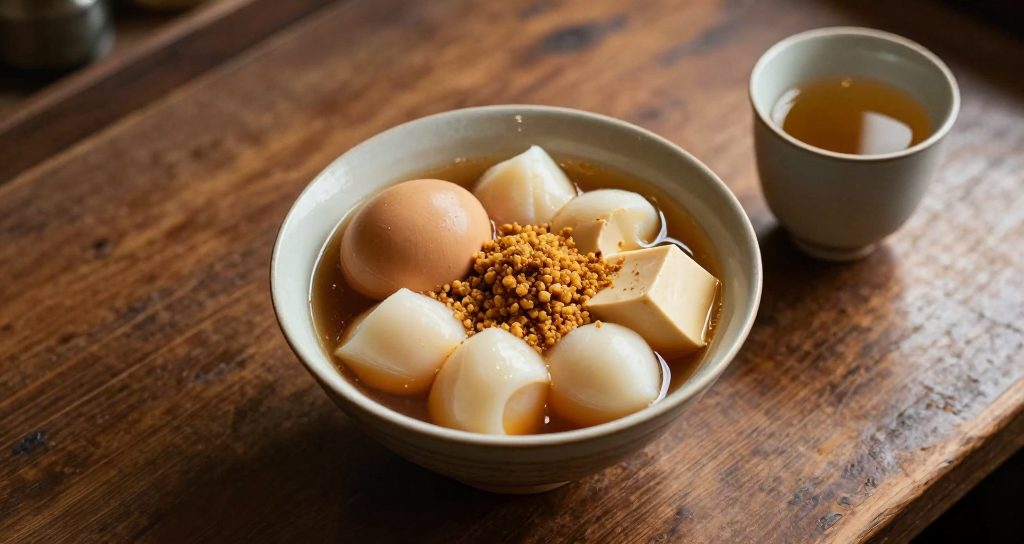
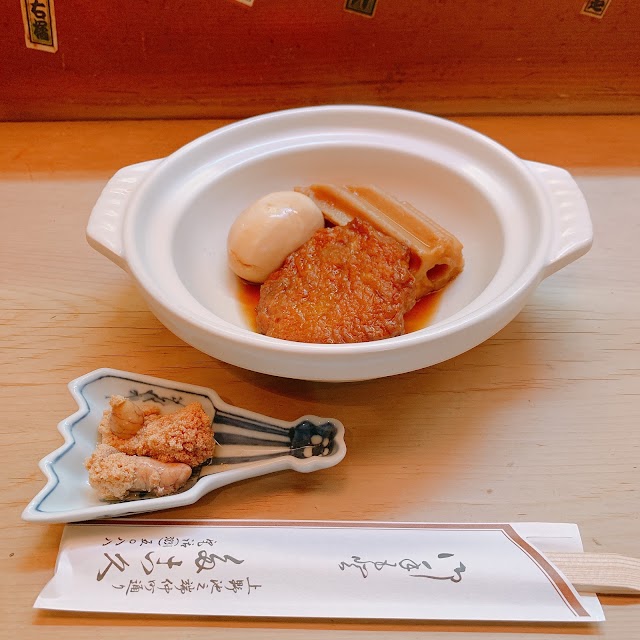
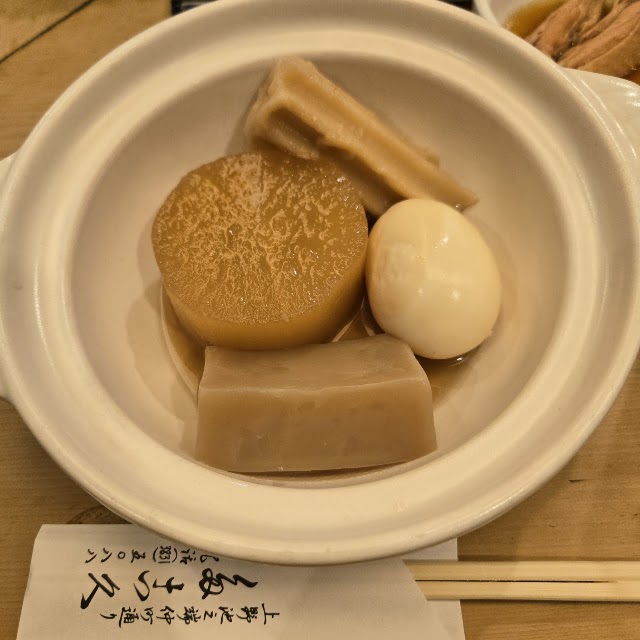
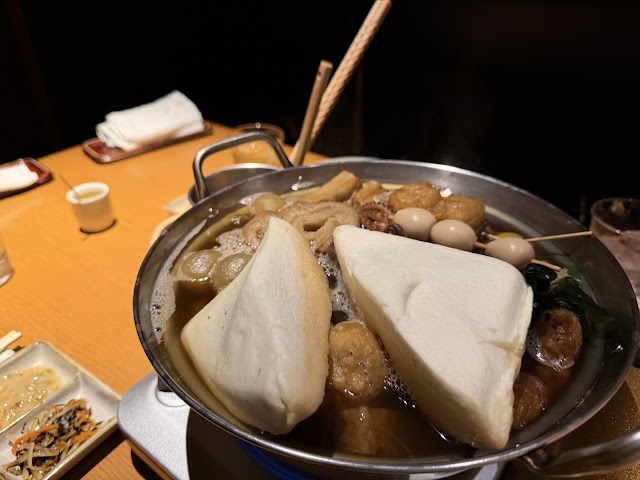
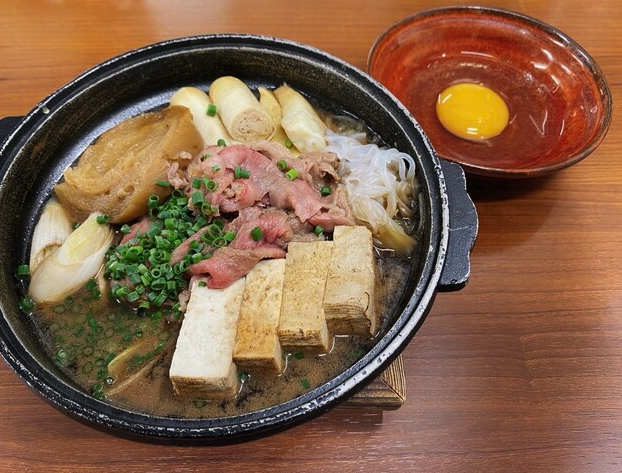
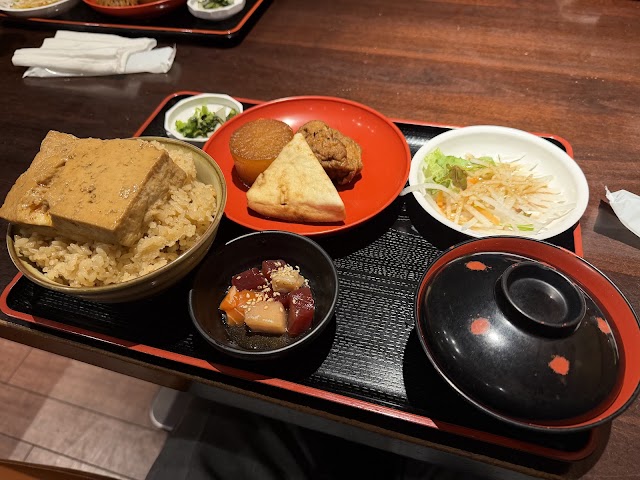
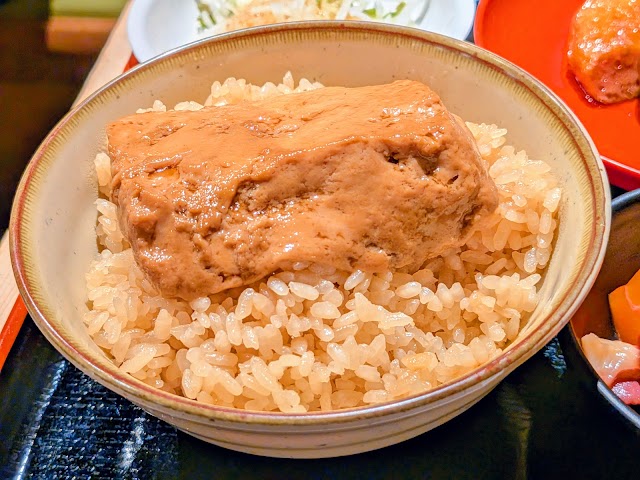
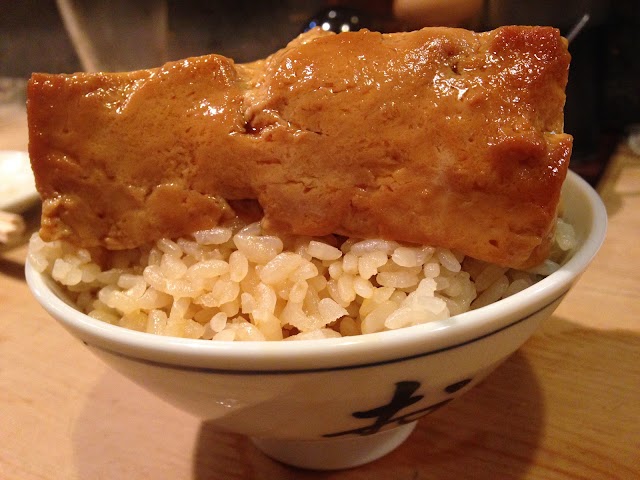
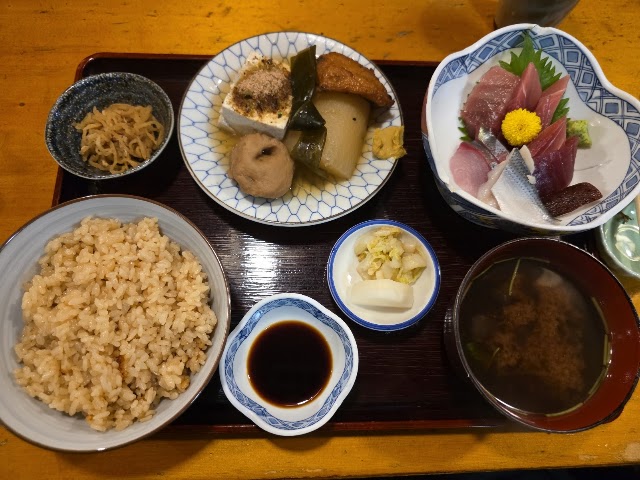
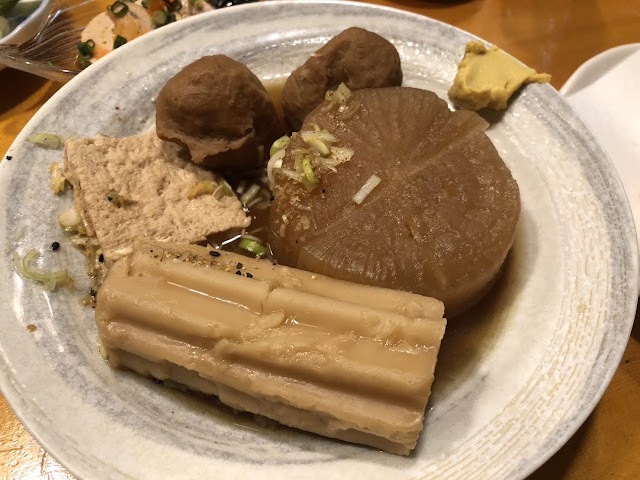
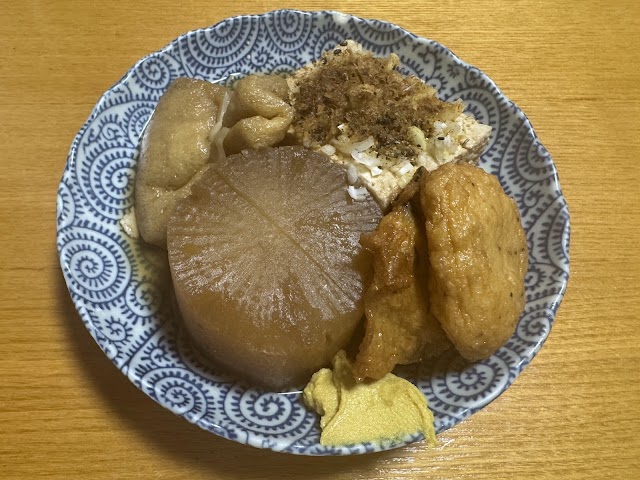
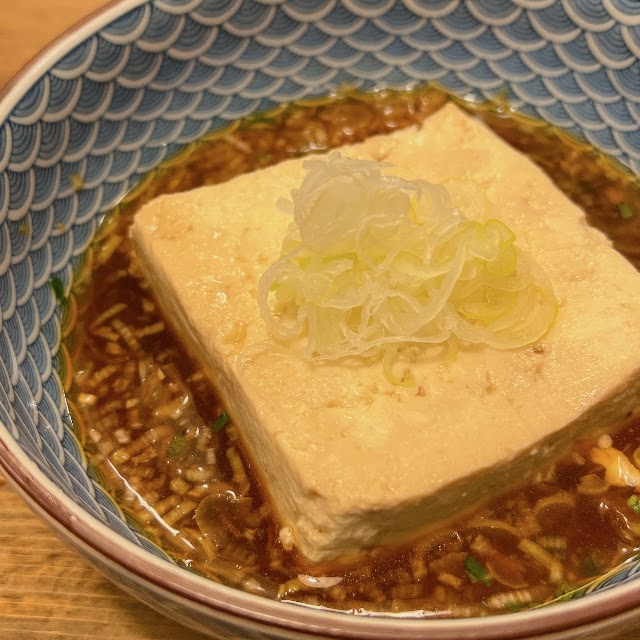
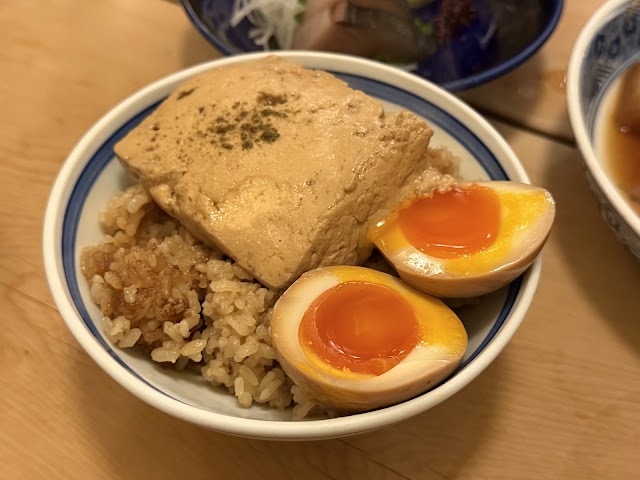
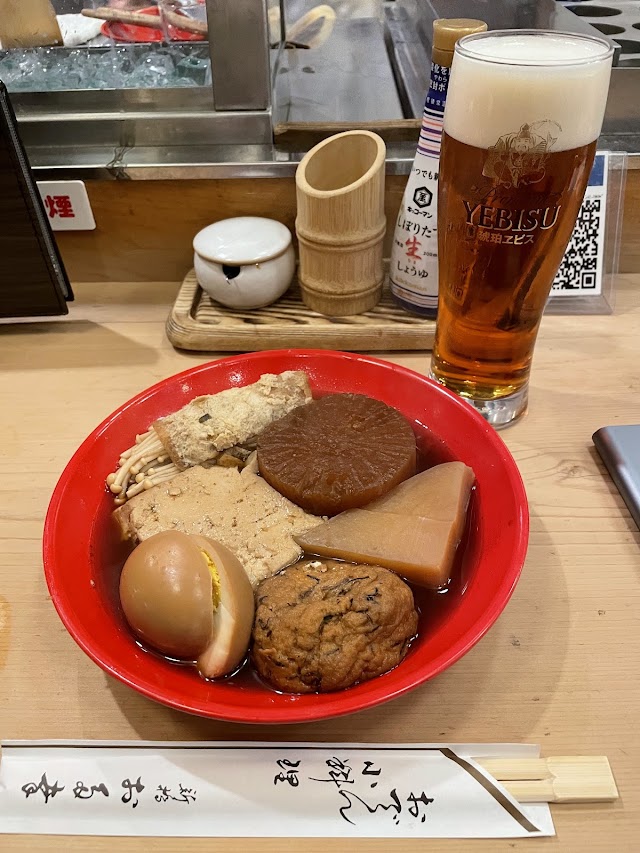
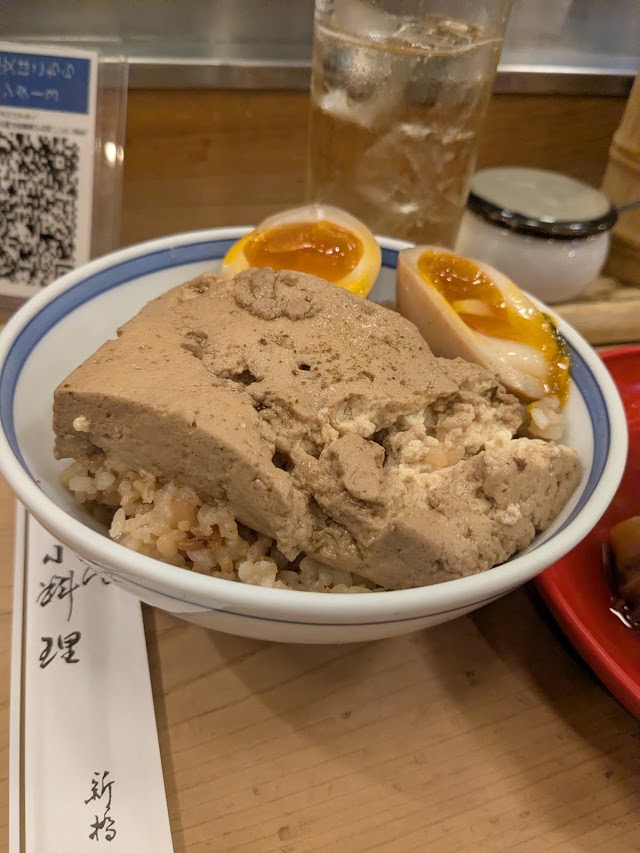
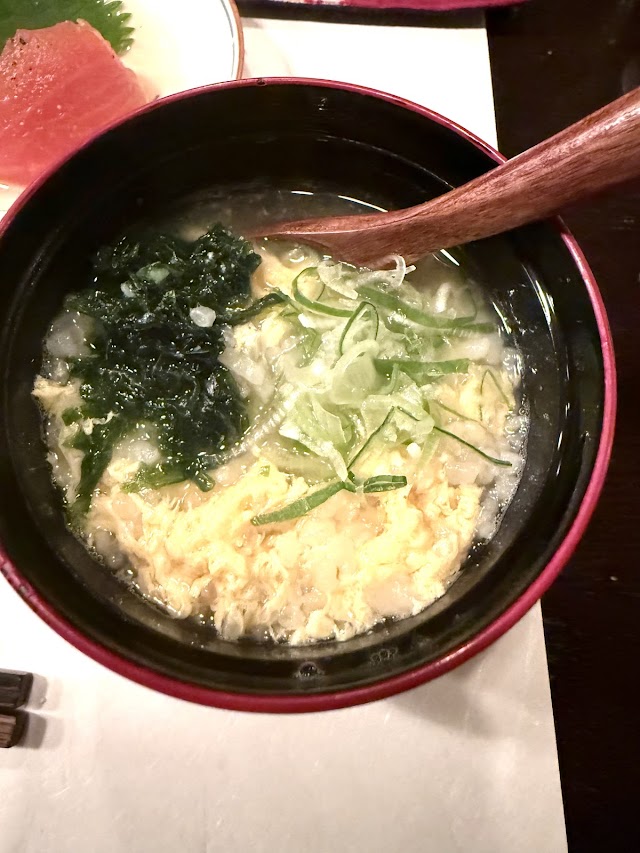
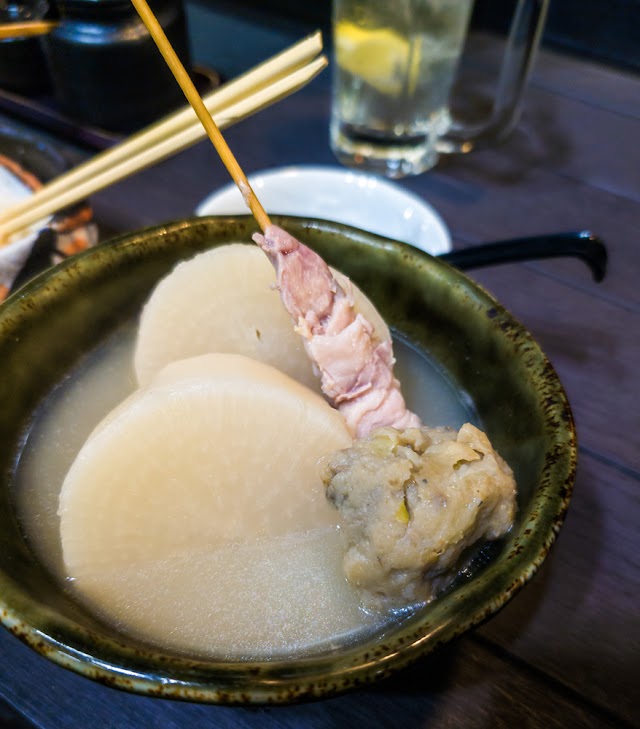
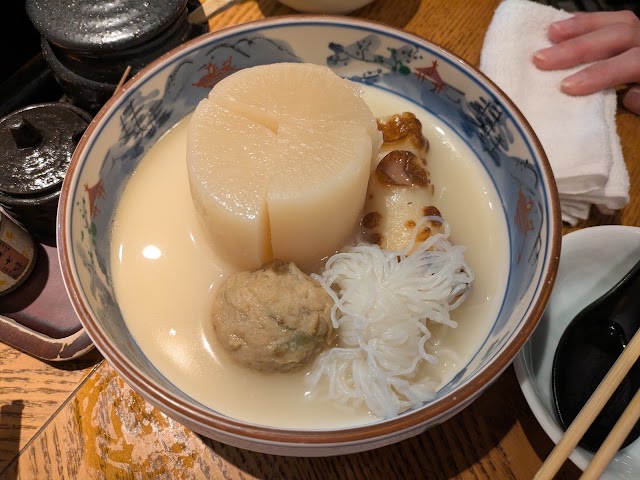
- Ordering keywords: staples daikon/egg/konnyaku; the Kanto-only 'chikuwabu'; Otako's signature 'toumeshi' (tofu over tea-rice) is filling and available at lunch.
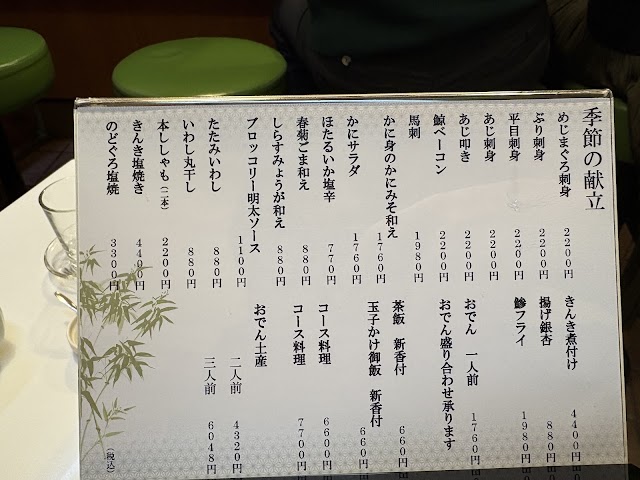
- Prices: stand-bars like Akabane's Maruken ~¥1,000-1,500; Nihonbashi/Asakusa/Kanda veterans ~¥3,000-6,000; kappo-style Ogura and Esaki higher, good for entertaining.
For Taiwanese readers, oden is both familiar and foreign — familiar because the convenience-store 'kanto-ni' is its konbini version, foreign because Tokyo has turned oden into a specialty craft with century-old shops and rival schools, a world apart from that store-counter pot. And now is the moment: Tokyo in September still carries late-summer heat, but the day the convenience stores put oden out is the city's signal that autumn has begun; as evenings cool, ducking into a steamy oden house is the most grounded opening to a Tokyo autumn.
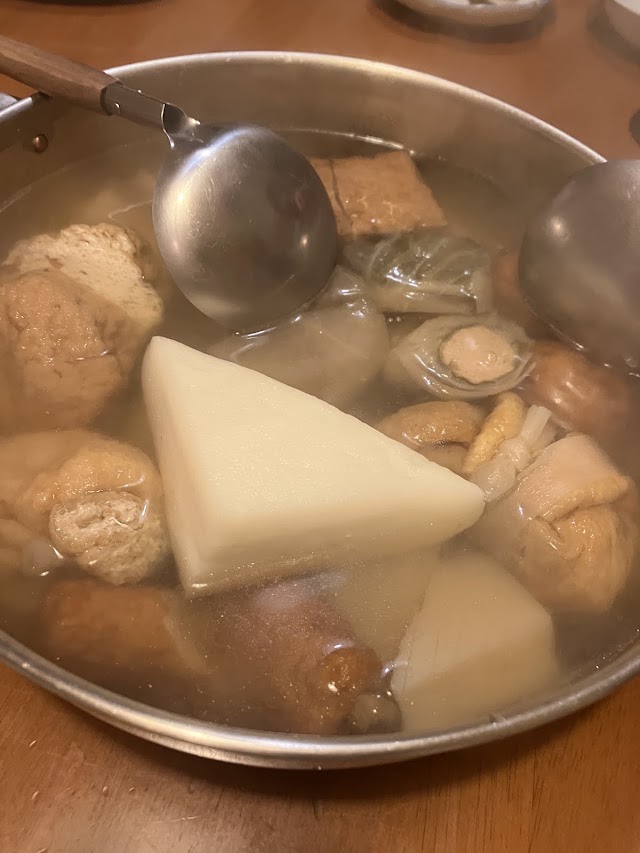
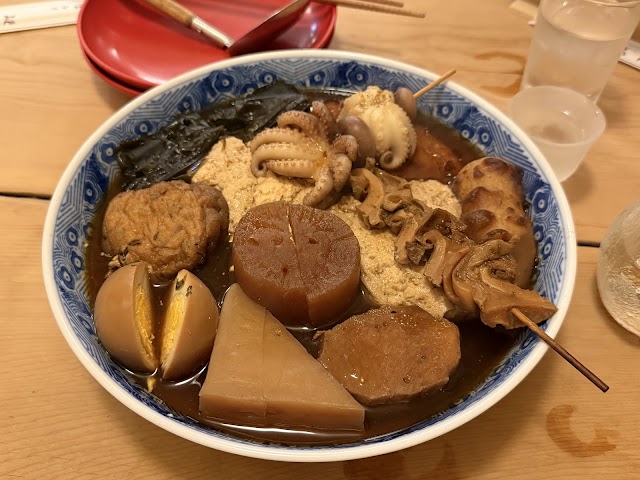
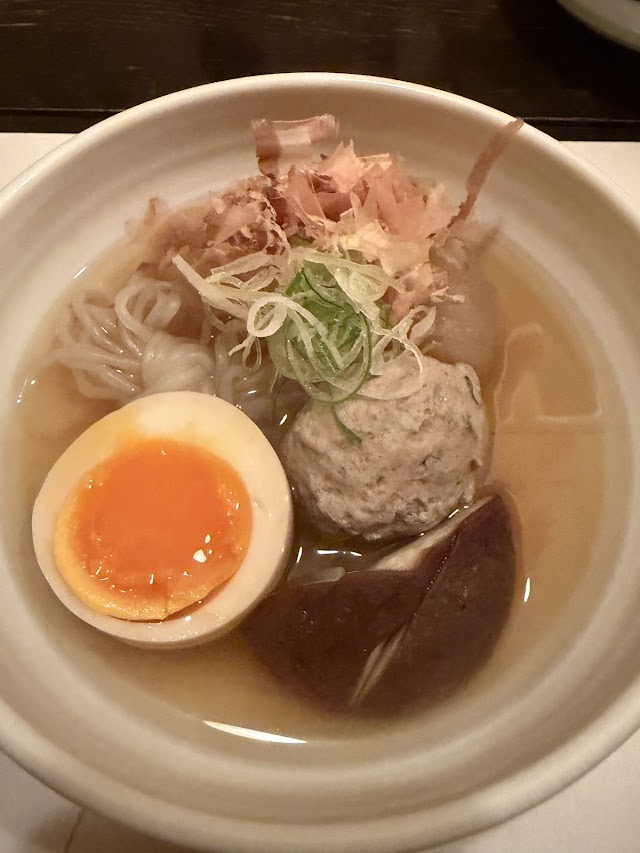
The key distinction to grasp first is Kanto vs Kansai. Kanto-style (Otako, Takokyu, Owariya, Shinbashi Otako) uses dark soy — a deep-colored, boldly sweet-savory broth, Tokyo's native 'Edomae' oden. Kansai / refined style (Otafuku, Ginza Ogura) leans on kombu and bonito for a clear amber broth seasoned mainly with salt, where you taste the dashi itself. Tellingly, Ogura 'looks Kansai but drinks with Kanto depth,' the very fusion of a Tokyo veteran; Nakameguro's Samon opens a third path with a rich chicken dashi.
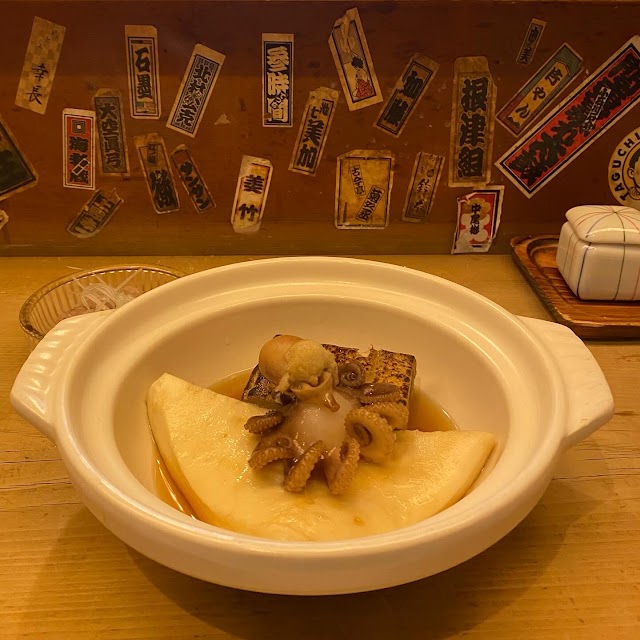
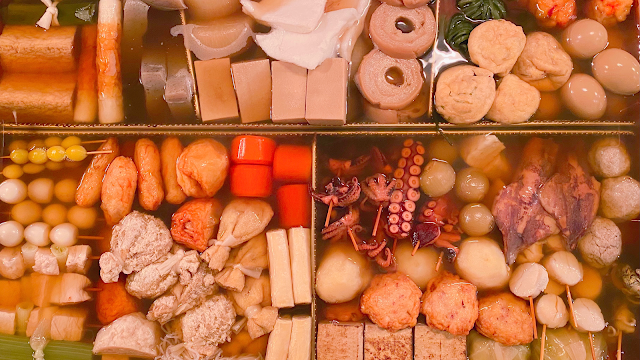
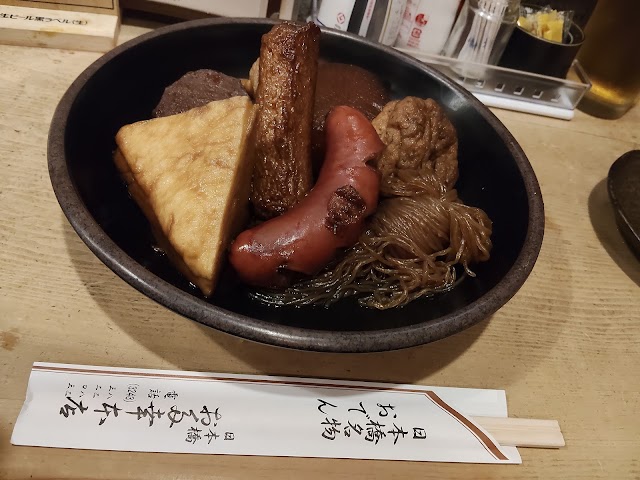
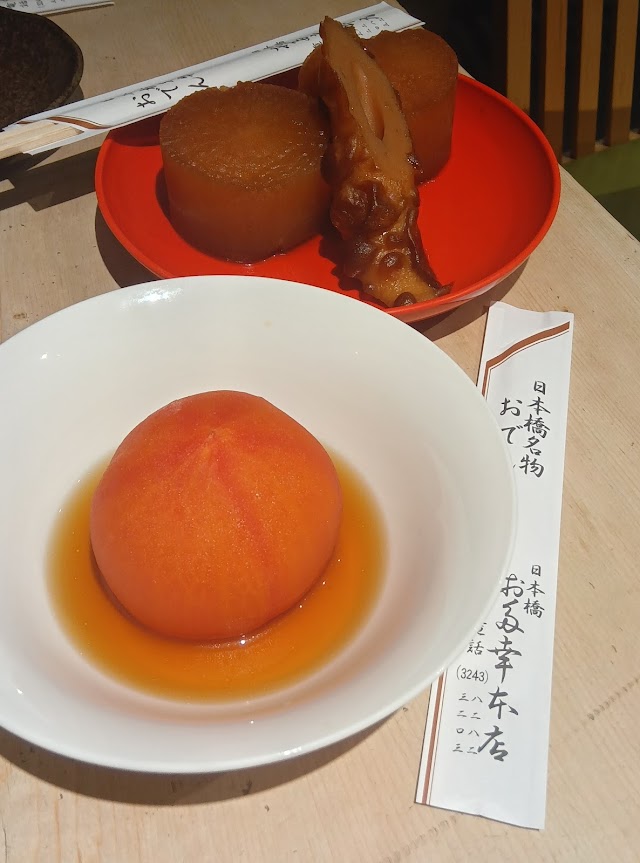
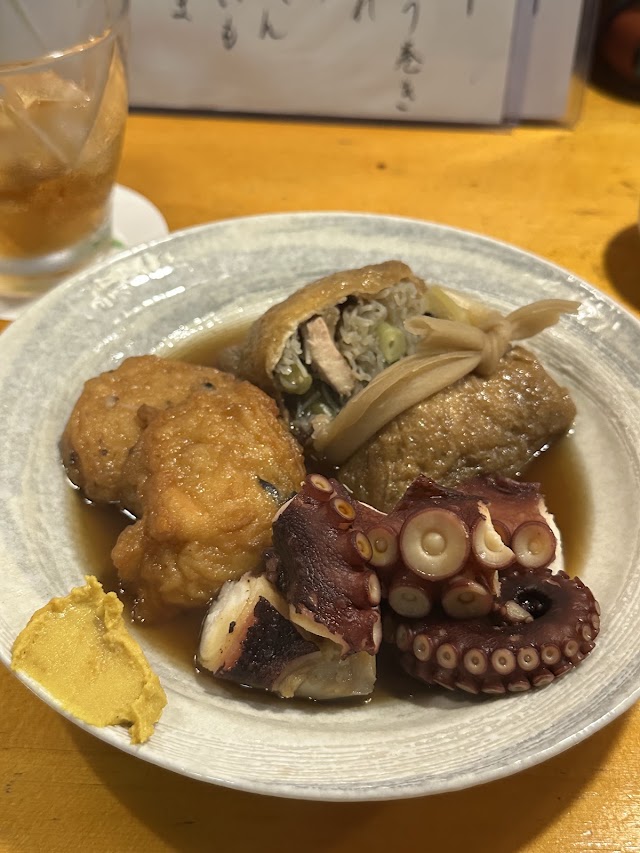
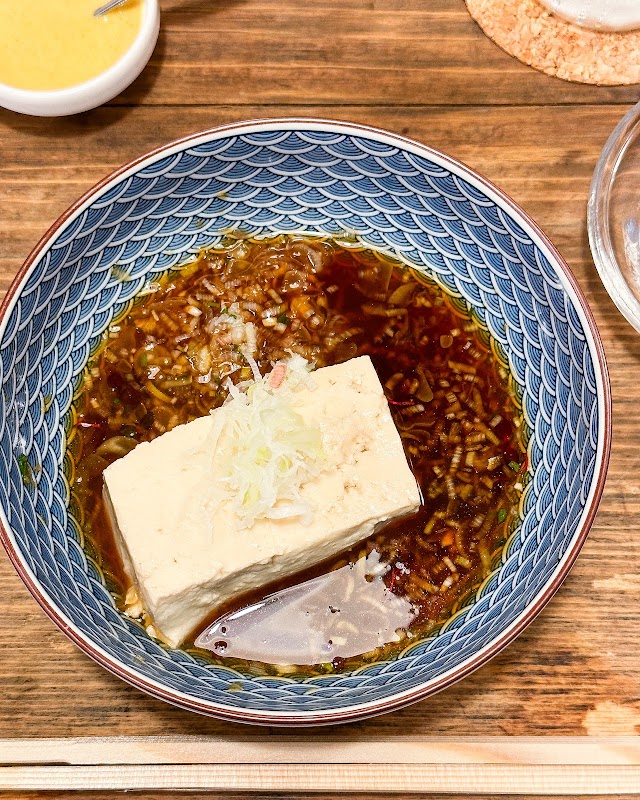
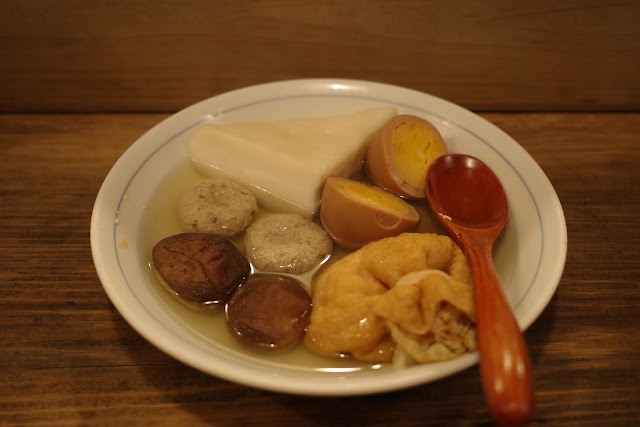
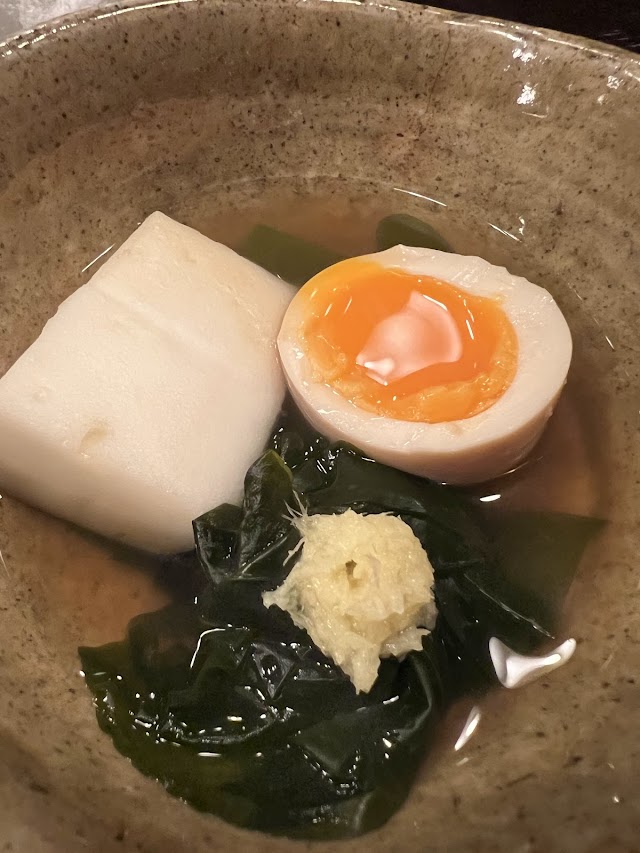
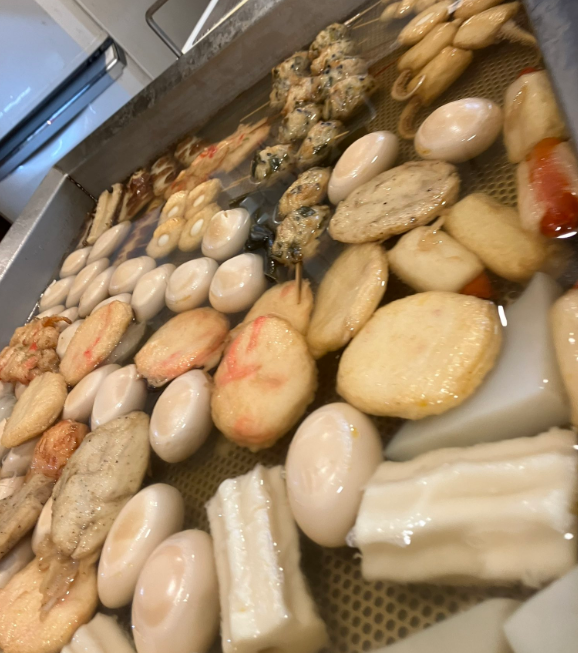
Ordering keywords: daikon, boiled egg and konnyaku are eternal staples; 'chikuwabu' is a Kanto-only wheat item you won't find at konbini; and the Otako group's signature 'toumeshi' — well-simmered tofu over hot tea-rice — is a filling, easy-to-love hidden order. Prices vary widely: a stand-and-drink like Akabane's runs around ¥1,000-1,500, the Nihonbashi/Asakusa/Kanda veterans about ¥3,000-6,000, and kappo-style Ogura and Esaki higher. The nine below are grouped into heritage shops, Ginza/central names, and characterful downtown stand-bars — pick by tonight's budget and mood.
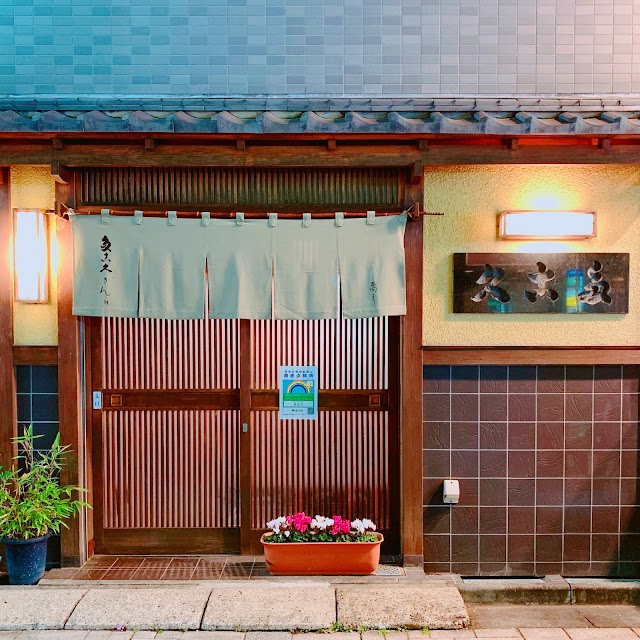
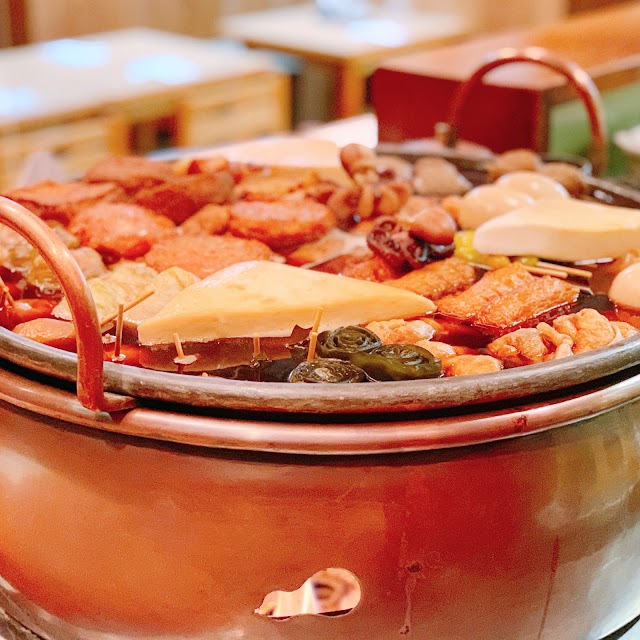
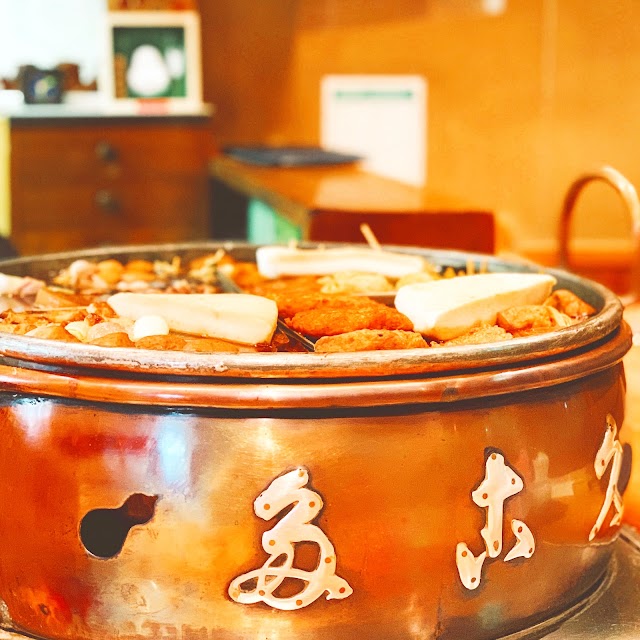
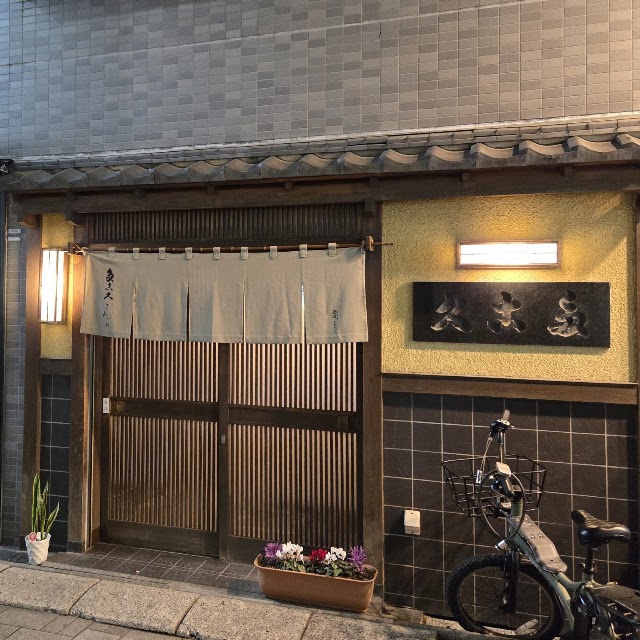
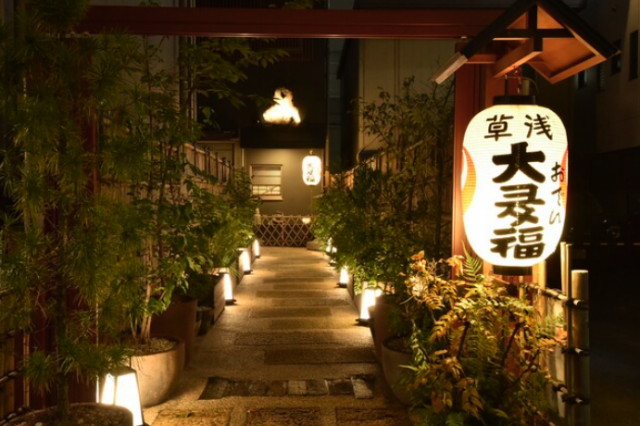
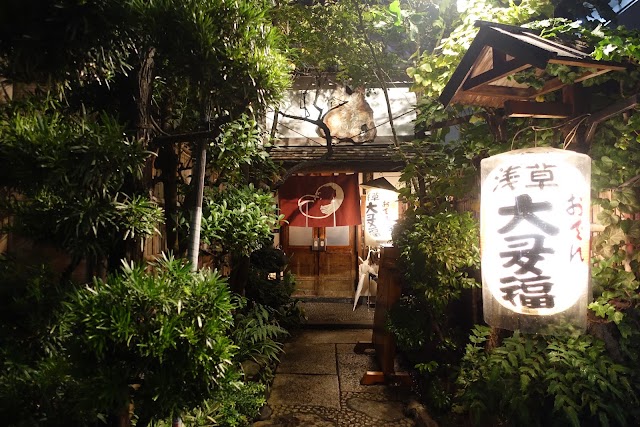
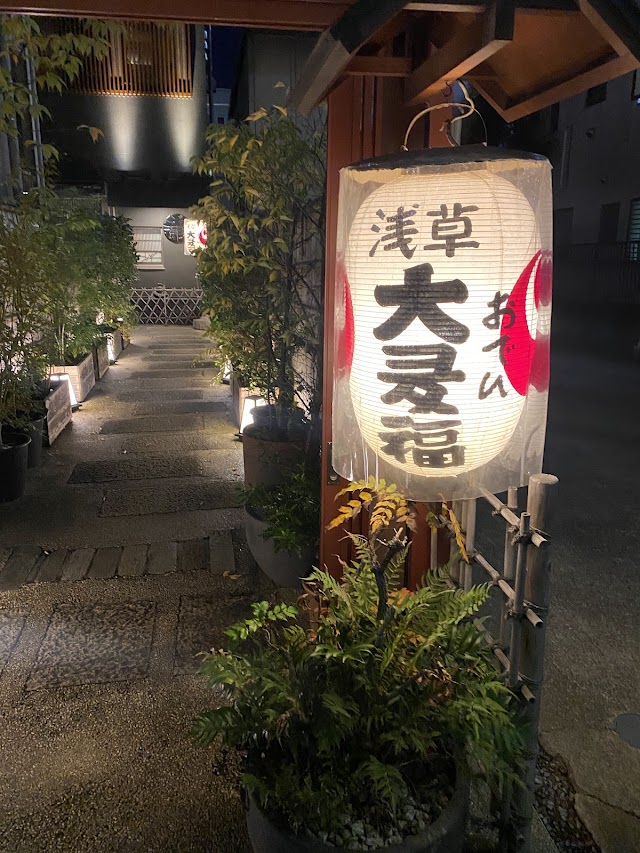
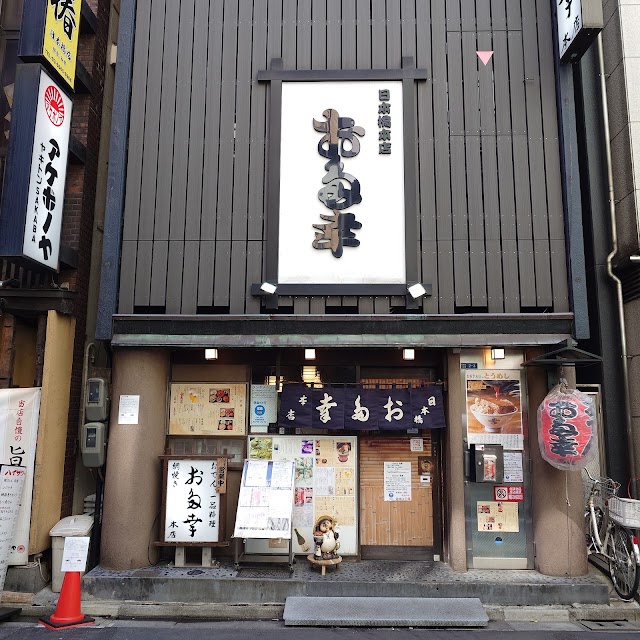
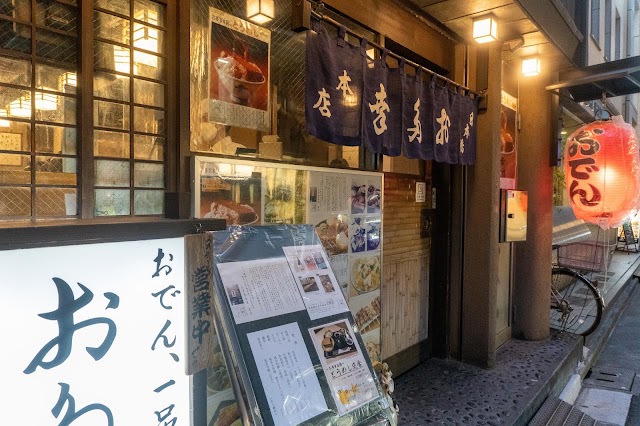
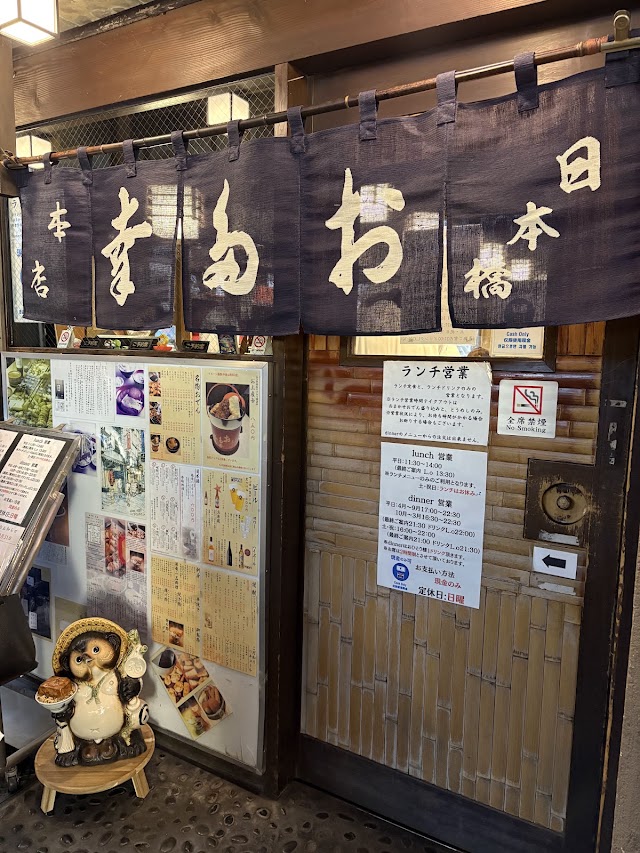
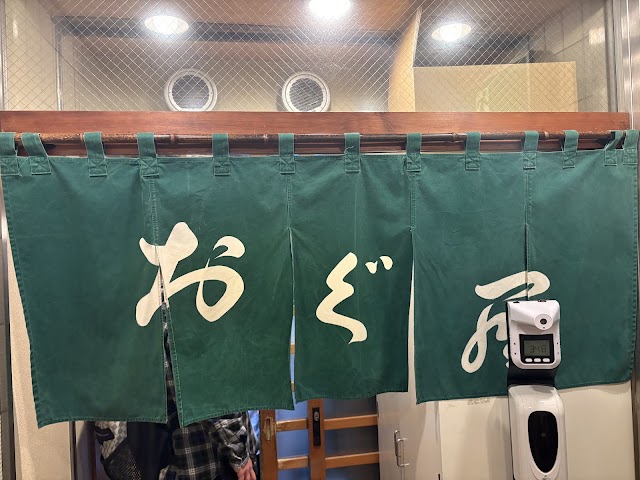
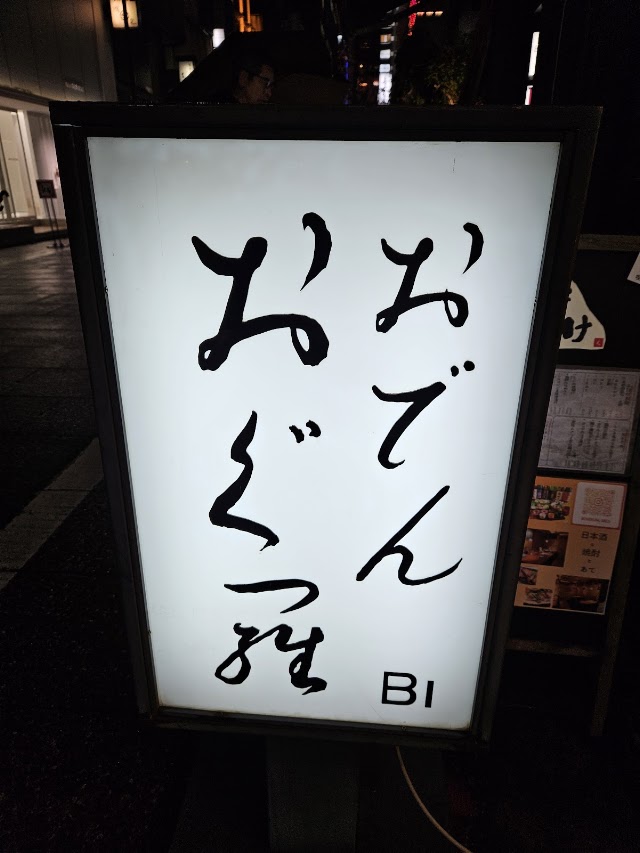
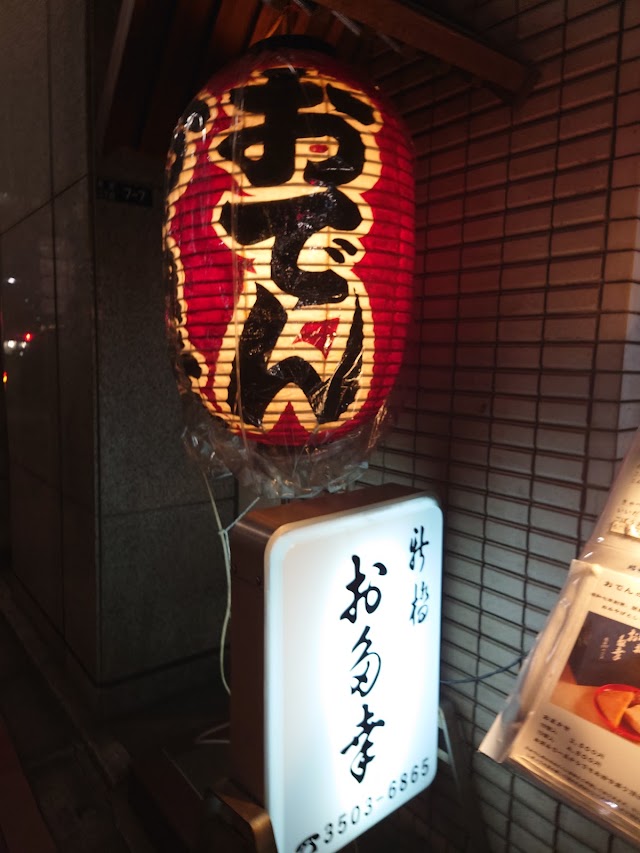
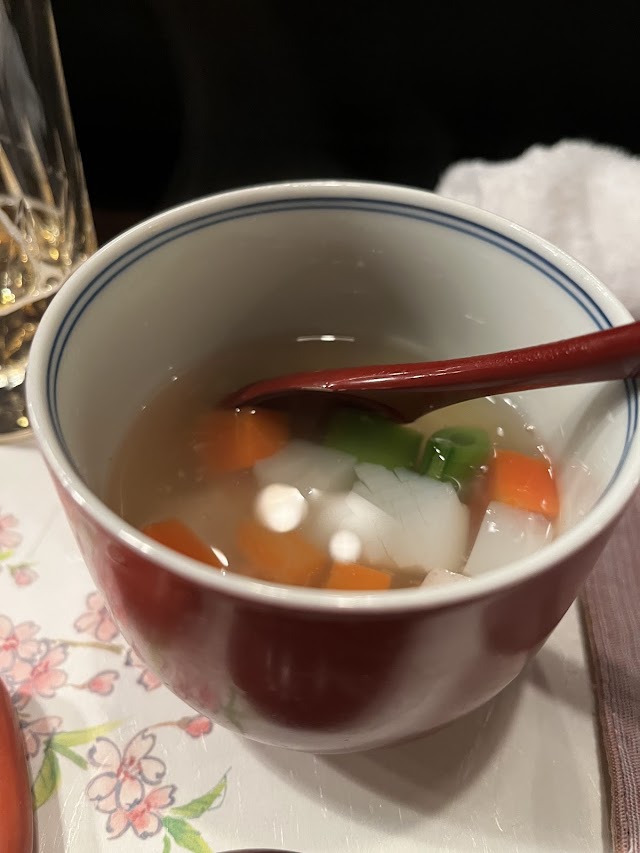
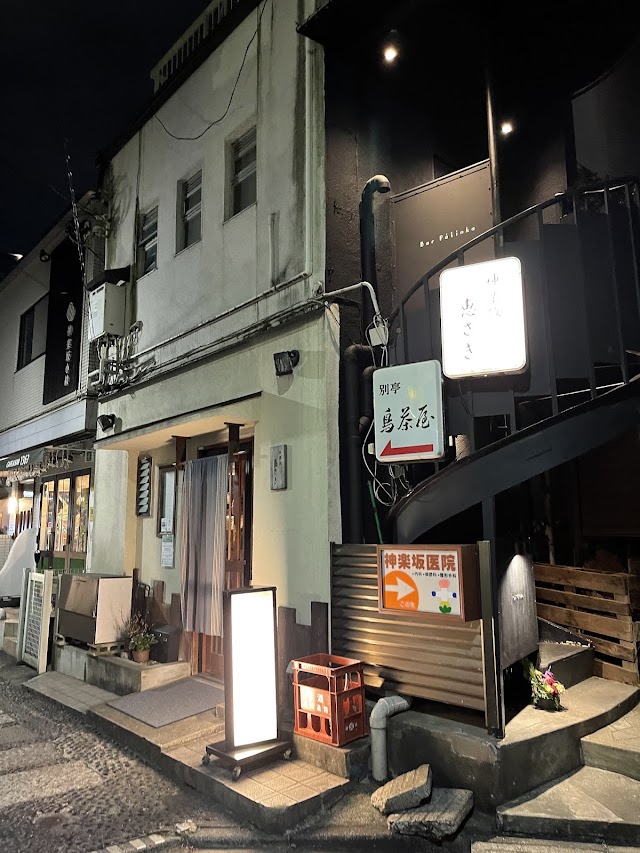
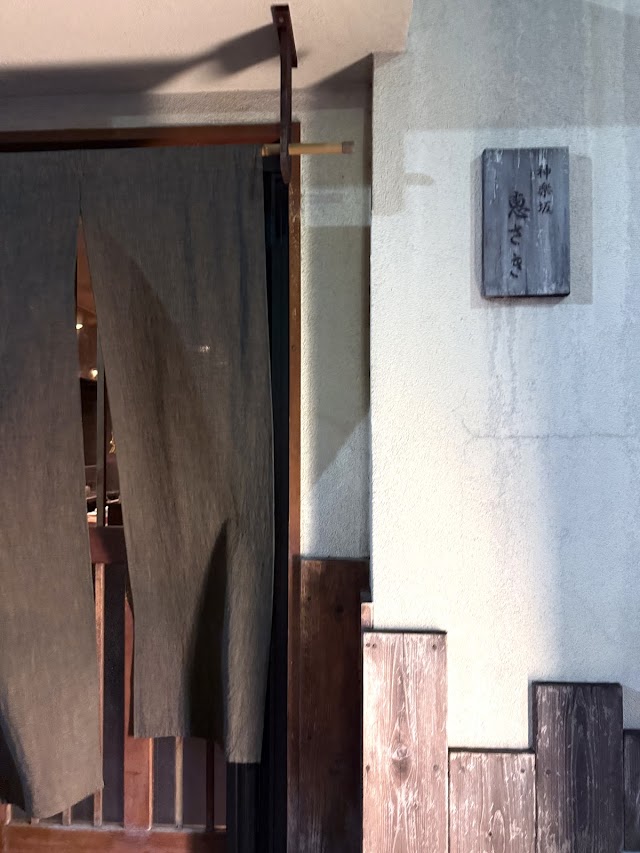
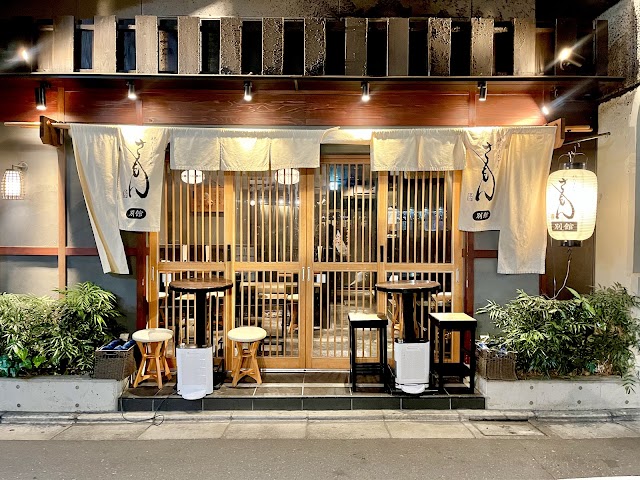
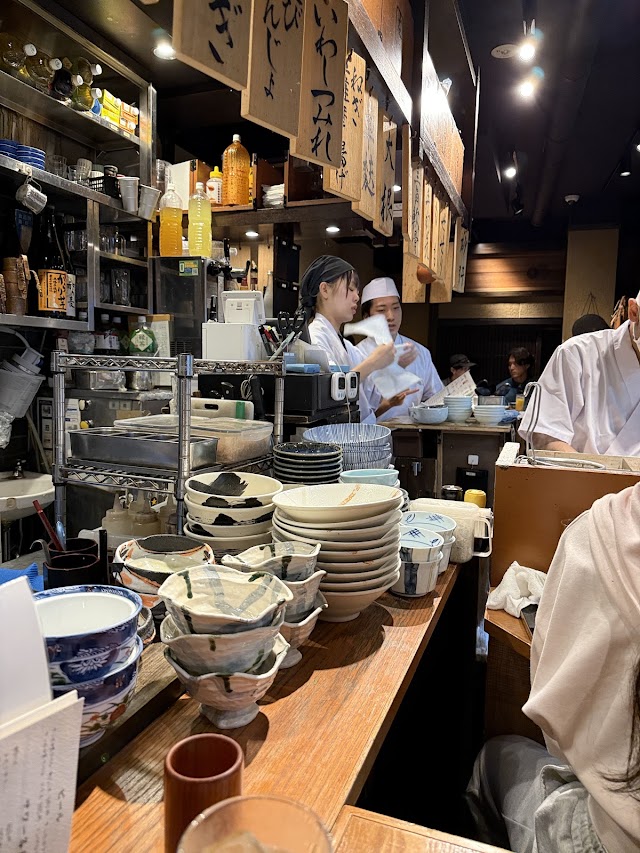
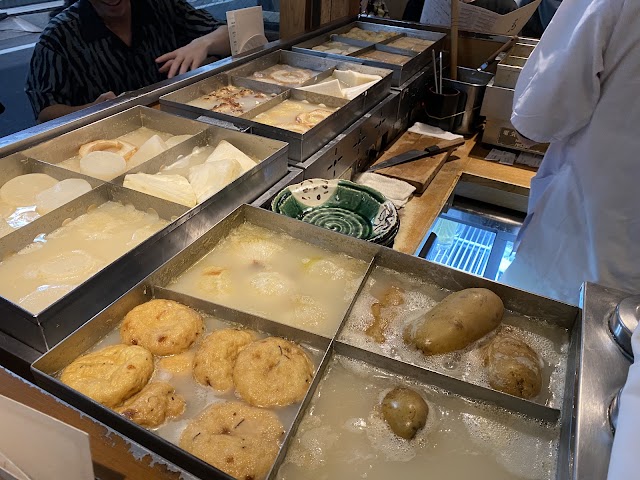
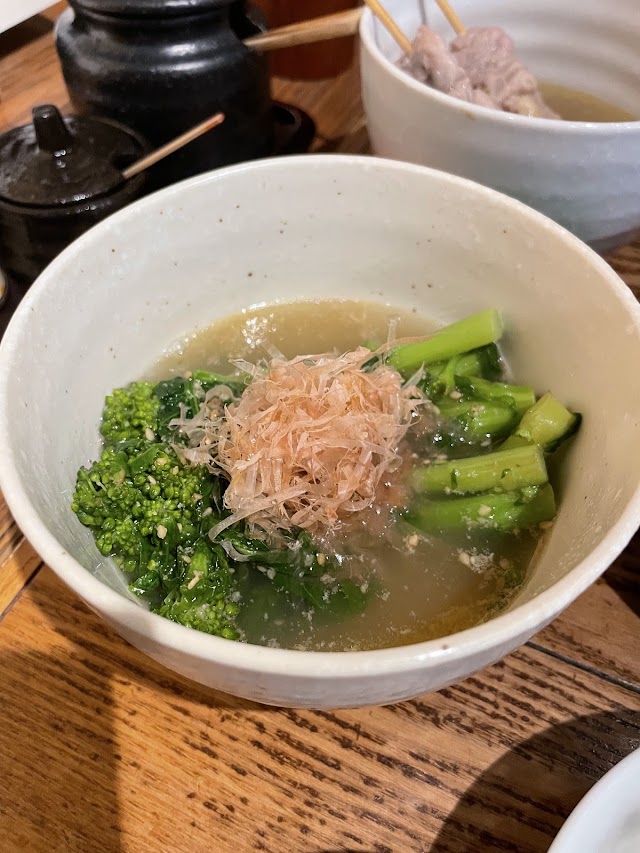
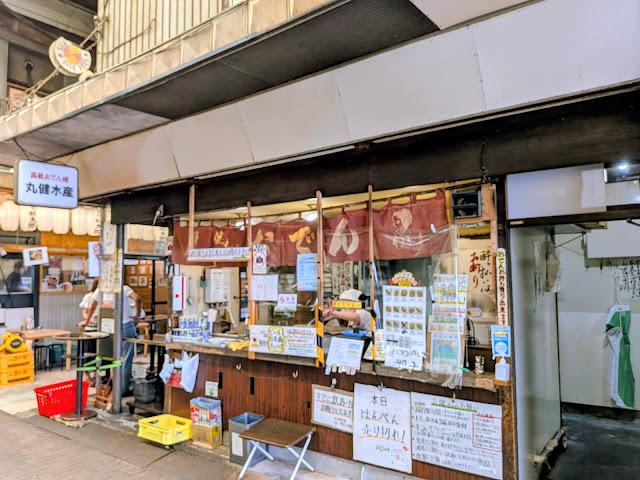
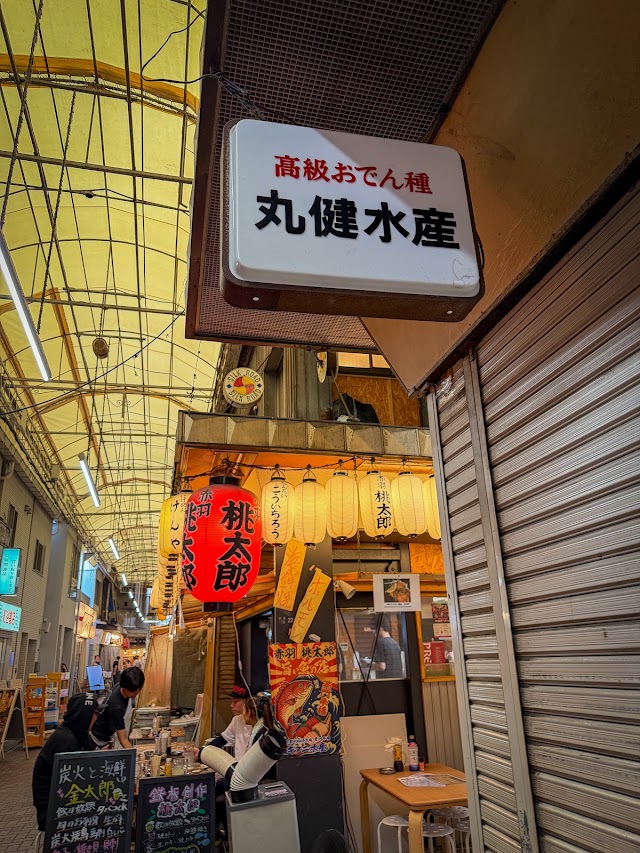
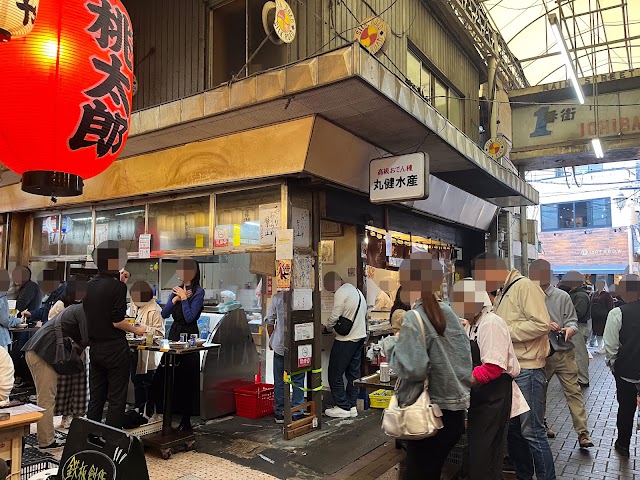
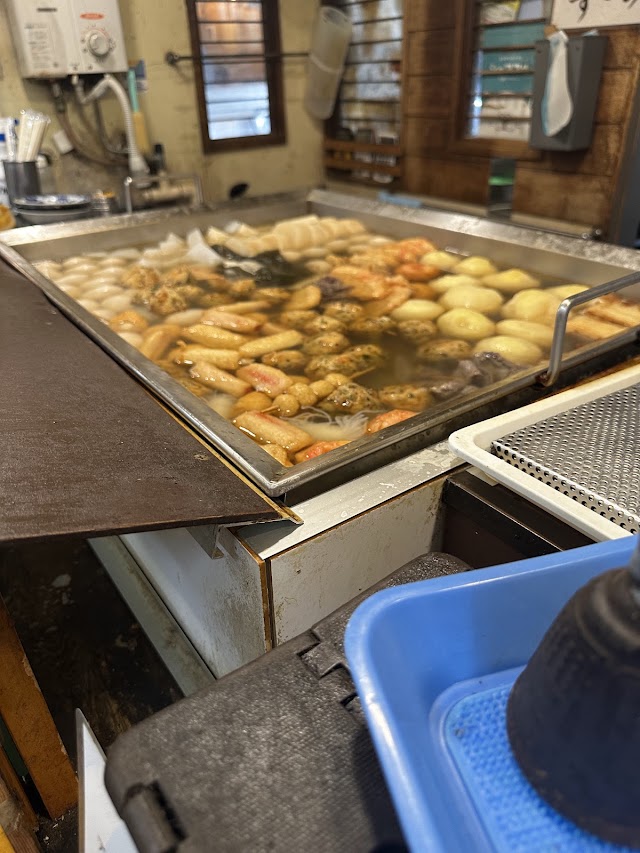
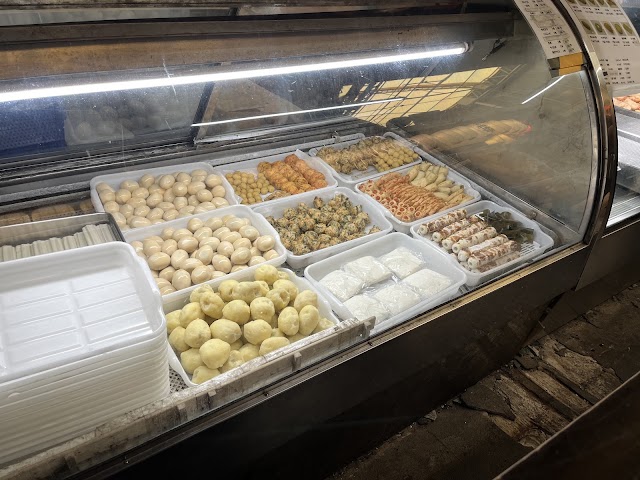
This guide sorts nine Tokyo oden houses into three tiers. Heritage shops that speak through history and dark-soy broth: Takokyu in Yushima (founded 1904, said to be Japan's second-oldest oden house; closed Mon/Tue), Otafuku in Asakusa (1915, an Osaka-rooted middle ground between Kanto and Kansai, ~40 items), Nihonbashi Otako (1923, pure Kanto sweet-savory, its 'toumeshi' the easiest signature, at lunch too), and Owariya by Kanda Station (a solid after-work sake spot — don't confuse it with the soba shop 'Owariya'). Ginza and central names for a refined meal: Ginza Ogura (Rishiri kombu, Makurazaki bonito and salt only — clear Kansai amber with Kanto depth; a Marunouchi TOKIA branch is easier to reach) and Shinbashi Otako (1932, 25-plus items, the Showa after-work sanctuary, also with toumeshi and a red-can souvenir). Characterful and downtown: Kagurazaka Esaki (an 'oden and charcoal-grill' kappo simmering each item to order in a copper pot — upscale, best for a date or entertaining), Samon under the Nakameguro tracks (a rich Oyama-chicken dashi as a third path beyond Kanto/Kansai), and Maruken Suisan in Akabane (a fishcake specialist's stand-bar with light Kansai broth and 'dashi-wari' — the cheapest, most everyday pick, open from daytime). Seasonal and ordering notes: oden is year-round, but autumn's chill is its best entry point, and konbini oden plus seasonal items at the veterans mark Tokyo's turn to fall. Identify Kanto (dark, sweet-savory) or Kansai (kombu, salt, clear) first, then choose staples (daikon/egg/konnyaku) and the Kanto-only 'chikuwabu.' Many veterans are cash and dinner-only with limited seats — reserve ahead. Phone, hours, closing days, ratings and official photos are attached tomorrow morning from Google's official data.
 Scan for map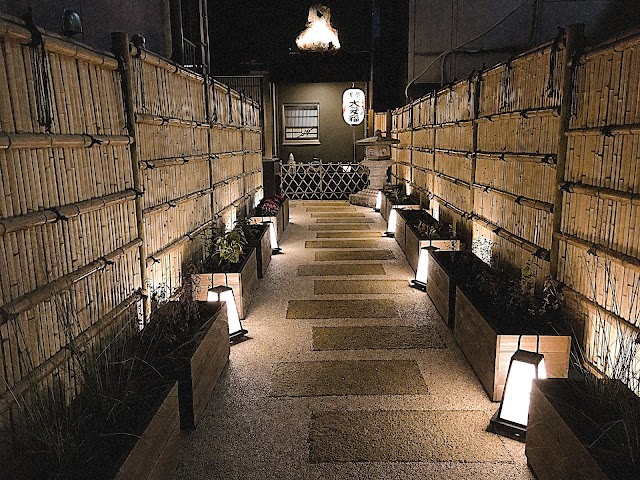
 Scan for map
 Scan for map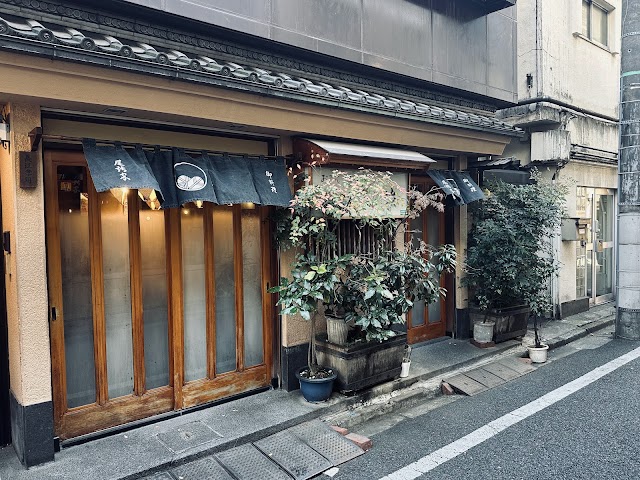
 Scan for map
 Scan for map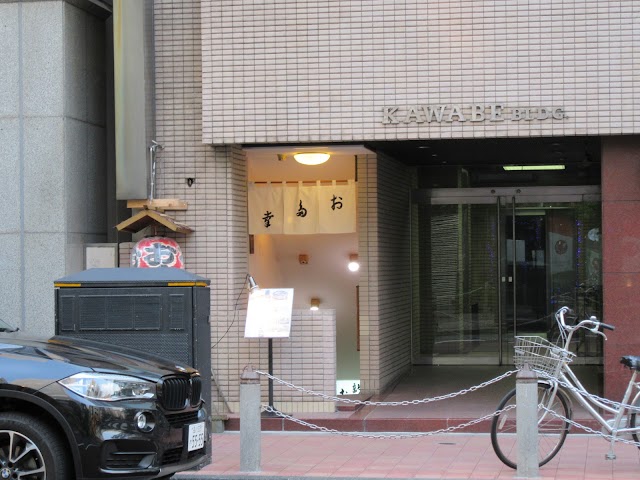
 Scan for map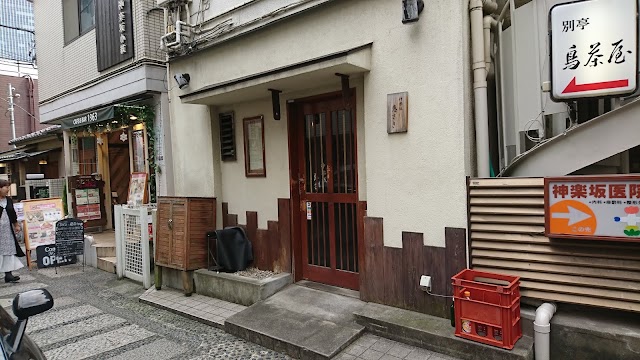
 Scan for map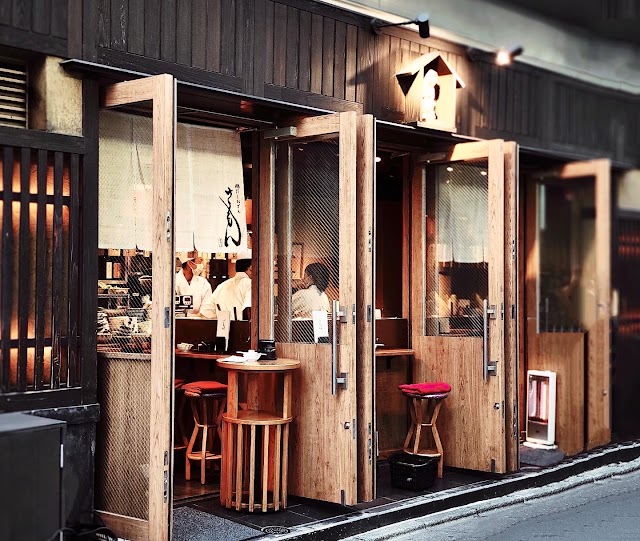
 Scan for map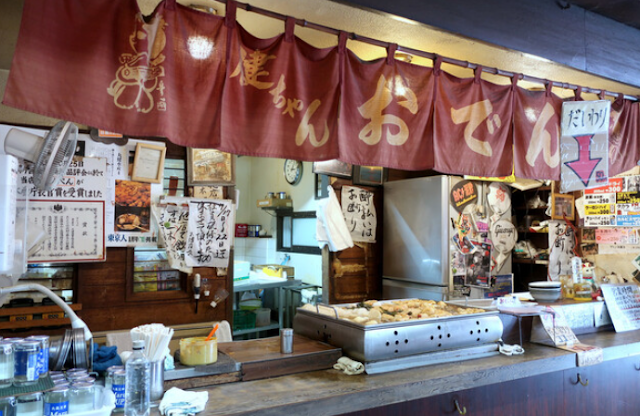
 Scan for map