Tokyo Tsukemen, Nine Picks: From Thick Tonkotsu-Gyokai to Shrimp Bisque and the Original Morisoba
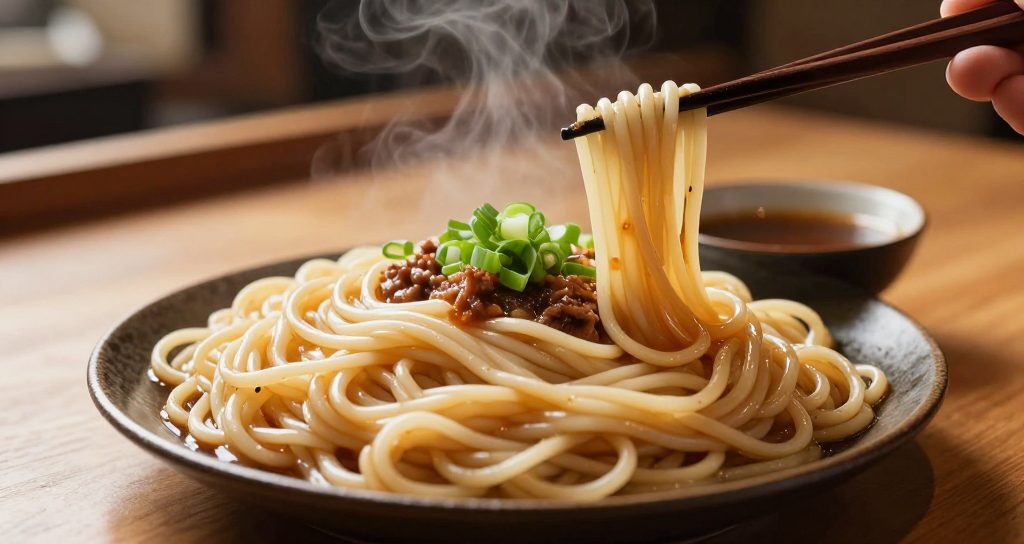
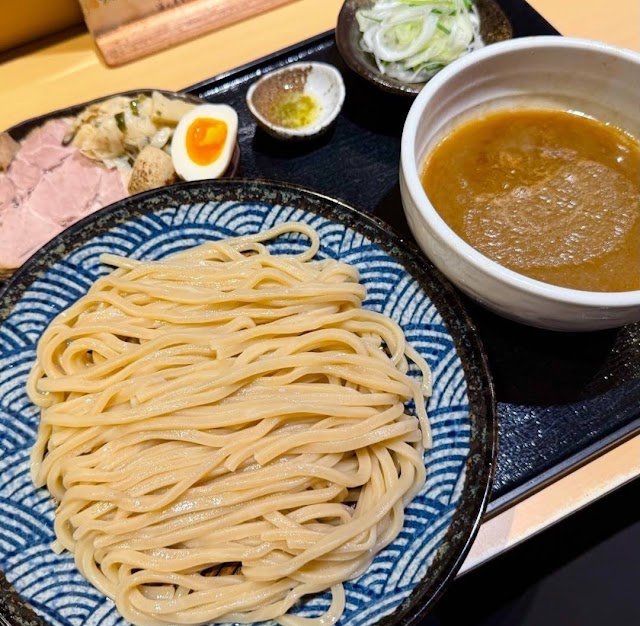
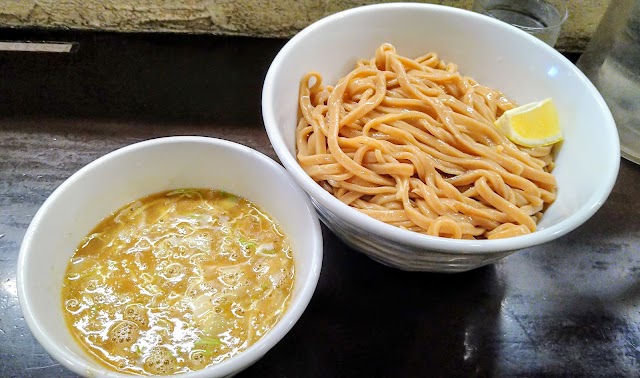
- Tsukemen separates noodles from broth: a concentrated dip clings to thick noodles, so the broth is richer and the noodles chewier than in ramen.
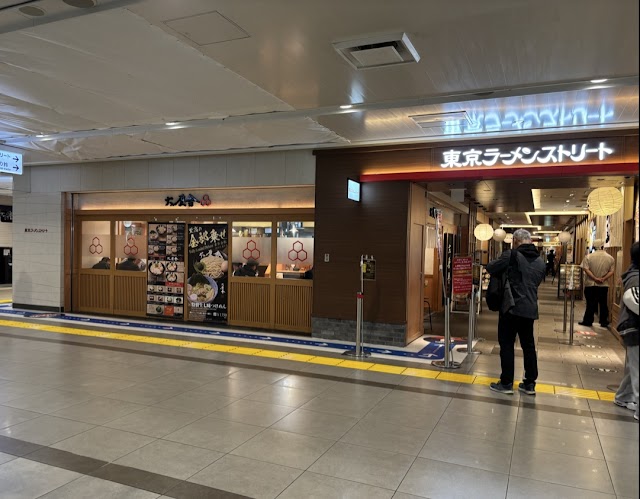
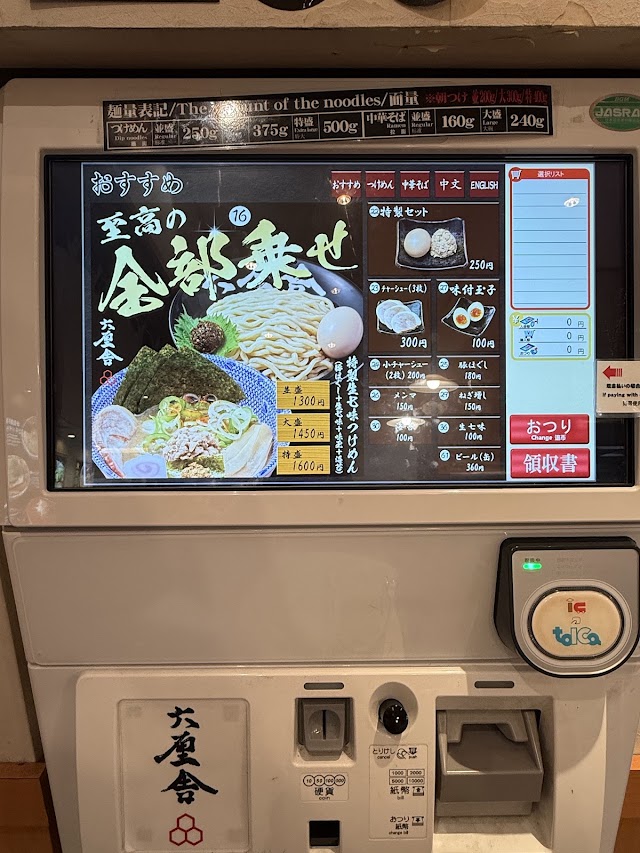
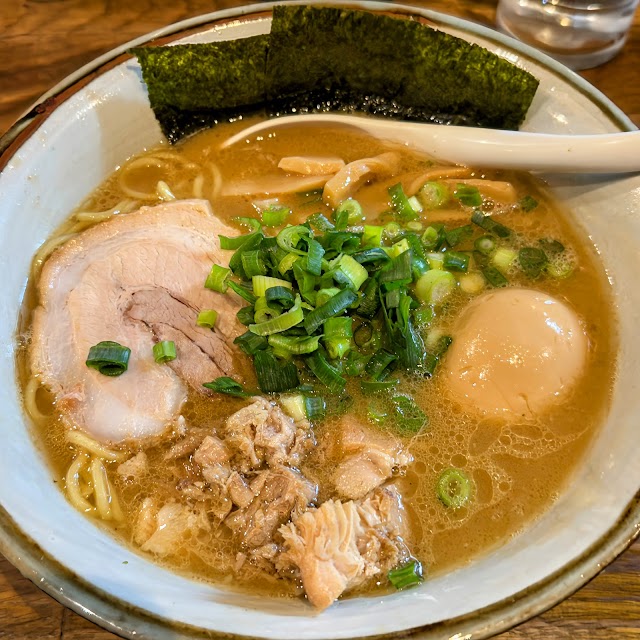
- Tokyo's mainstream is thick tonkotsu-gyokai (Rokurinsha, Tsujita, Kissou, Michi), with side branches: chicken-paitan (Fuunji), shrimp (Gonokami), and old-school (Taishoken).
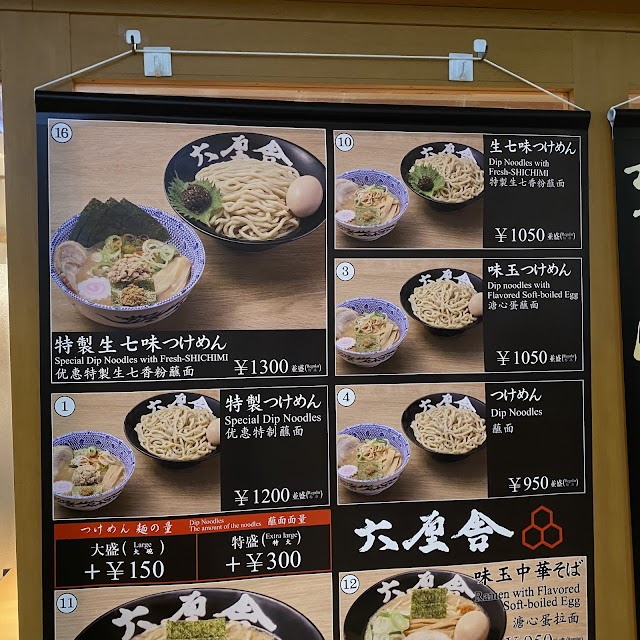
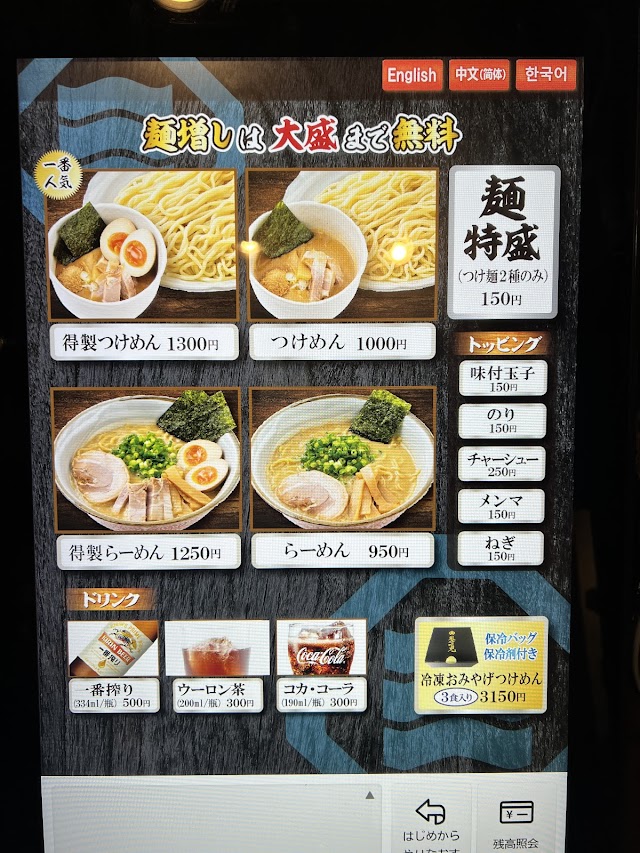
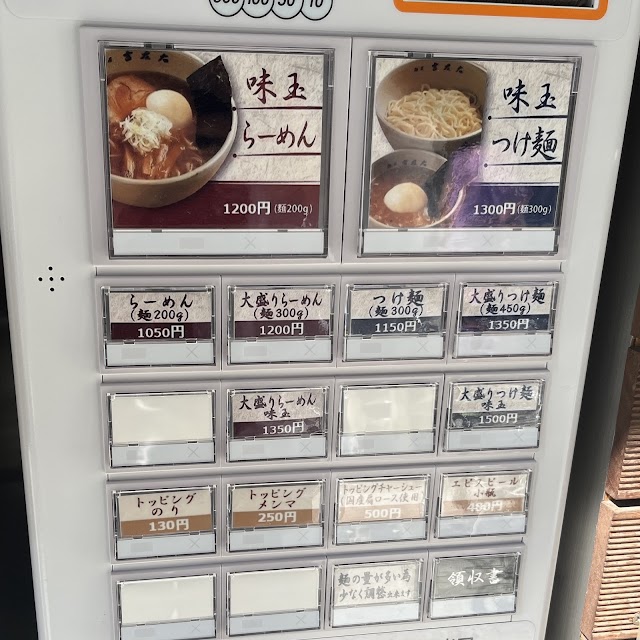
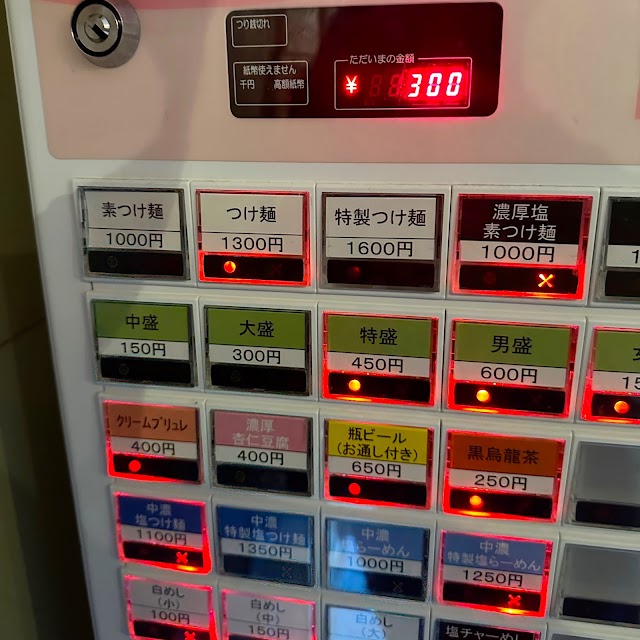
- Nine shops span Tokyo Station, Ochanomizu, Shinjuku, Ikebukuro, Shin-Koiwa, Kiba, Kameari and Meguro; most budgets fall between 830 and 1,400 yen.
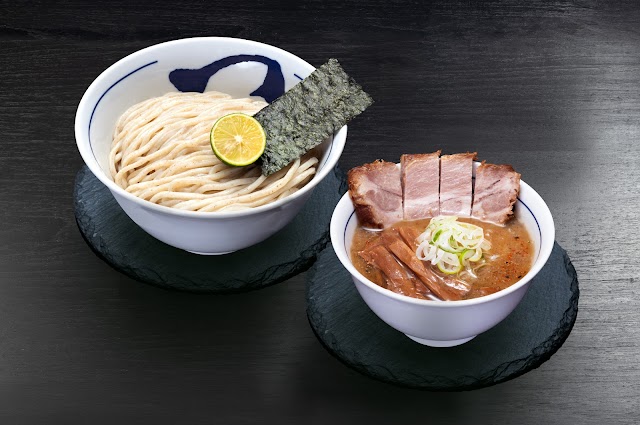
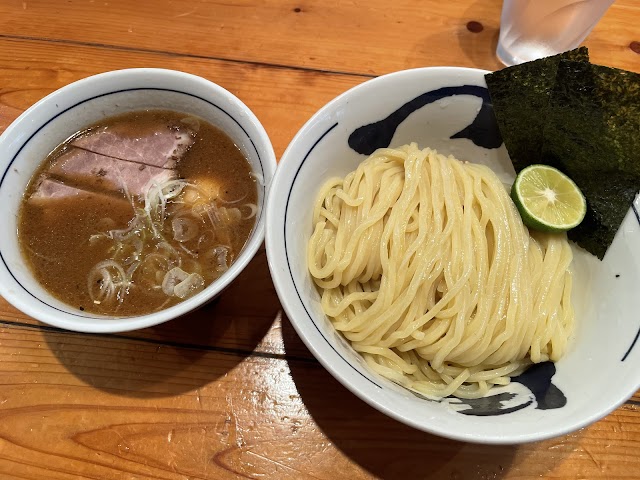
- Key habit: always ask for soup wari to dilute and finish the dip; squeeze the provided sudachi/yuzu midway to cut richness.
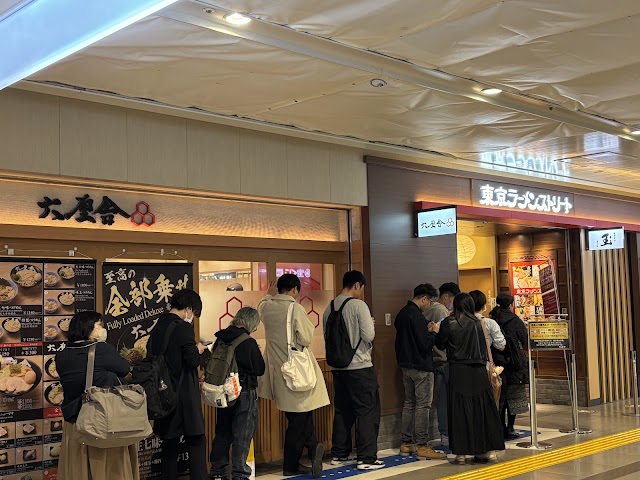
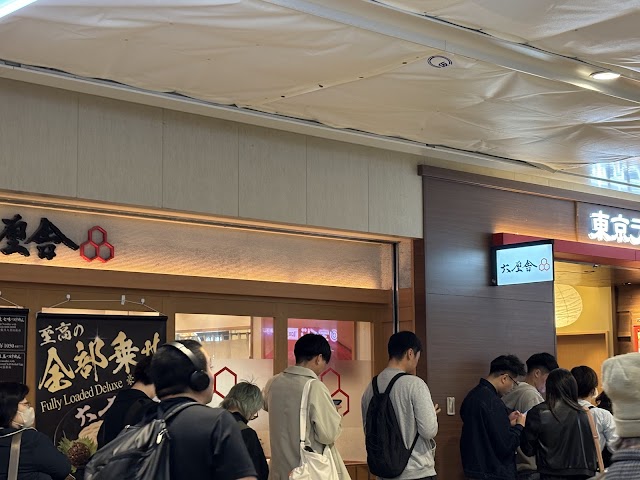
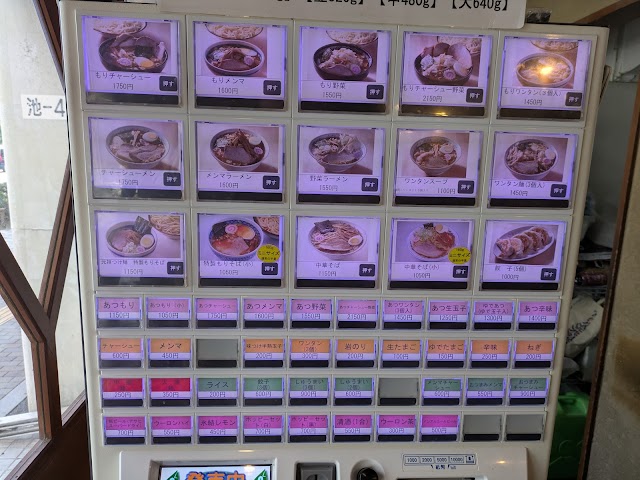
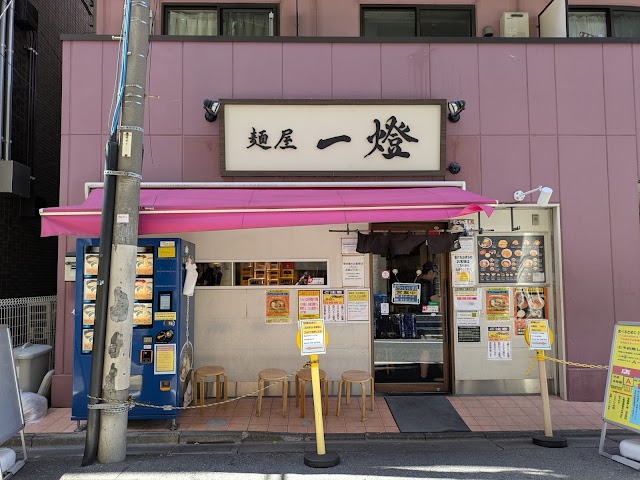
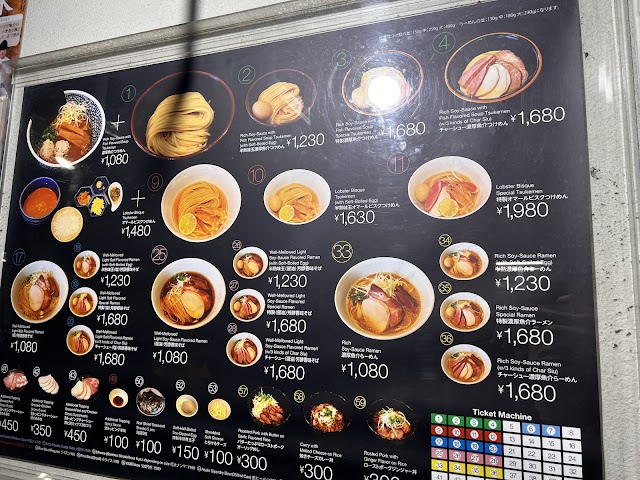
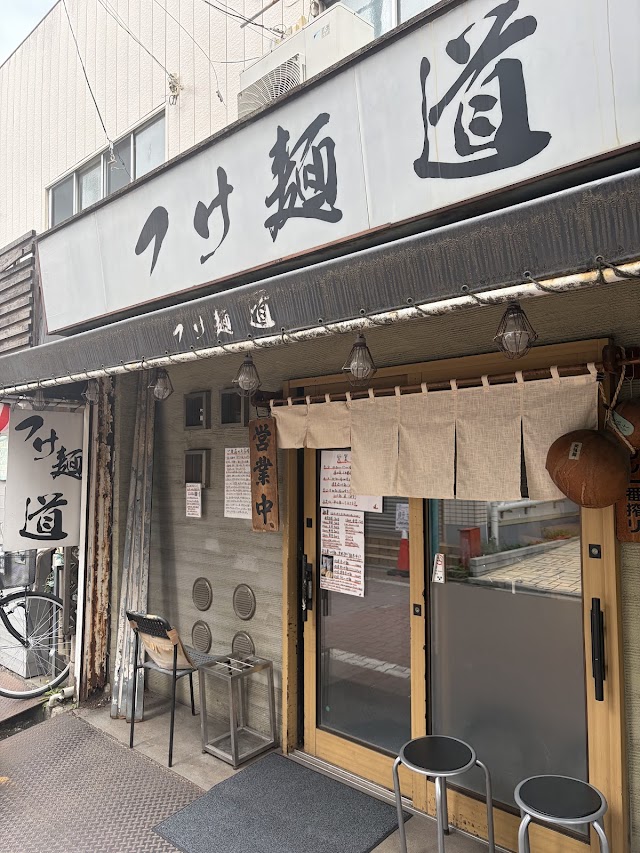
- Famous shops sell out and often close by mid-afternoon — for Kissou, Michi and Itto, arrive before noon and take a numbered ticket.
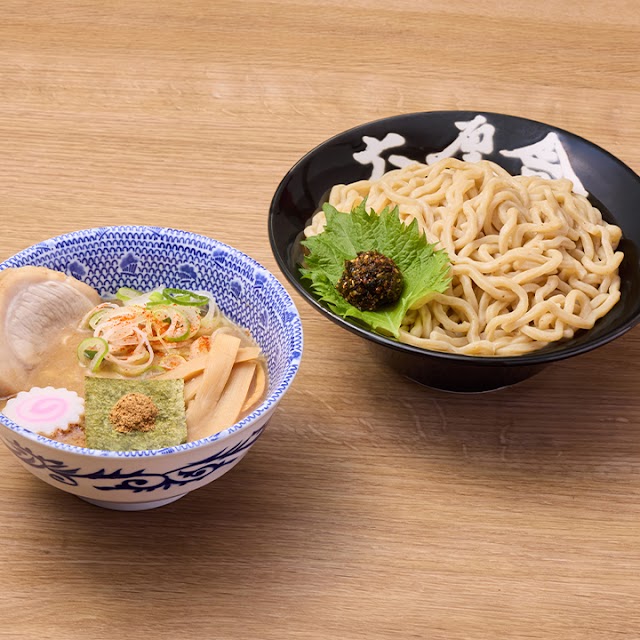
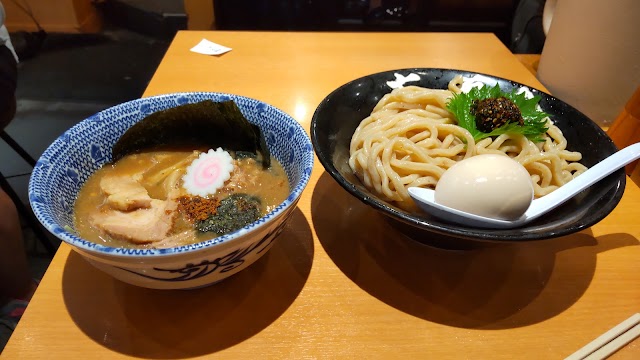
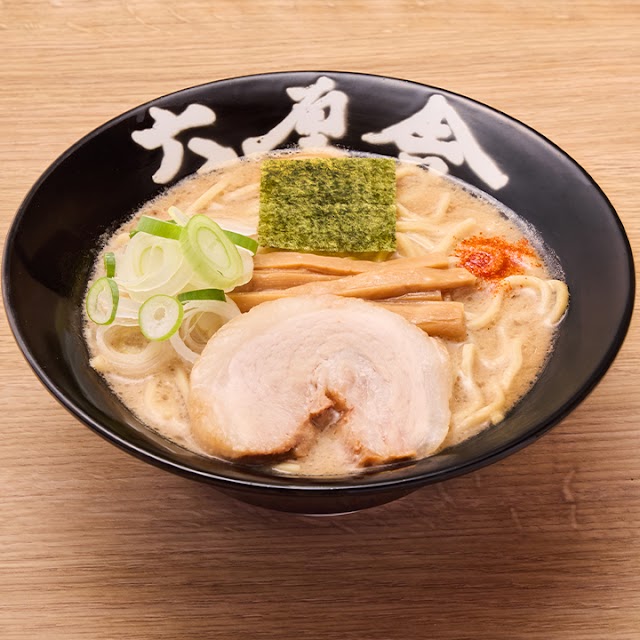
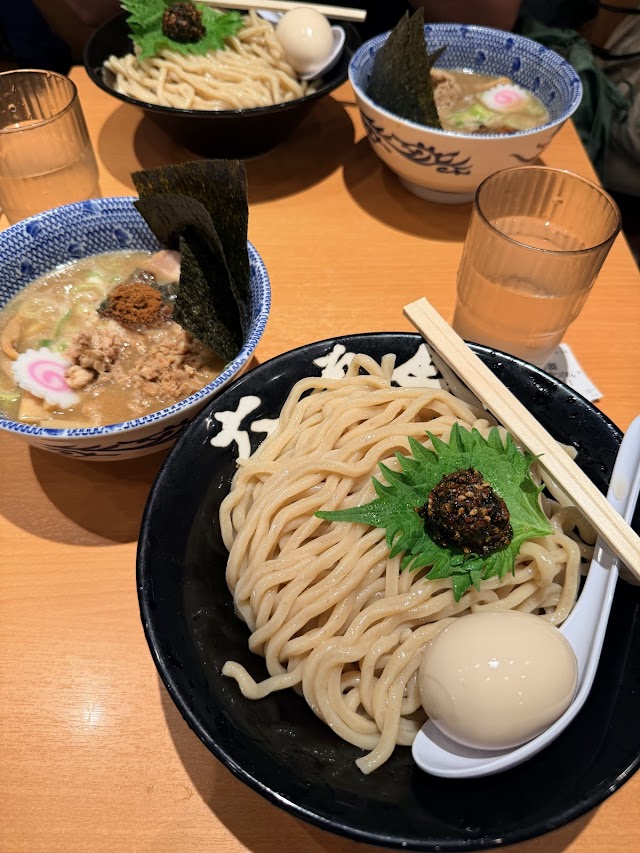
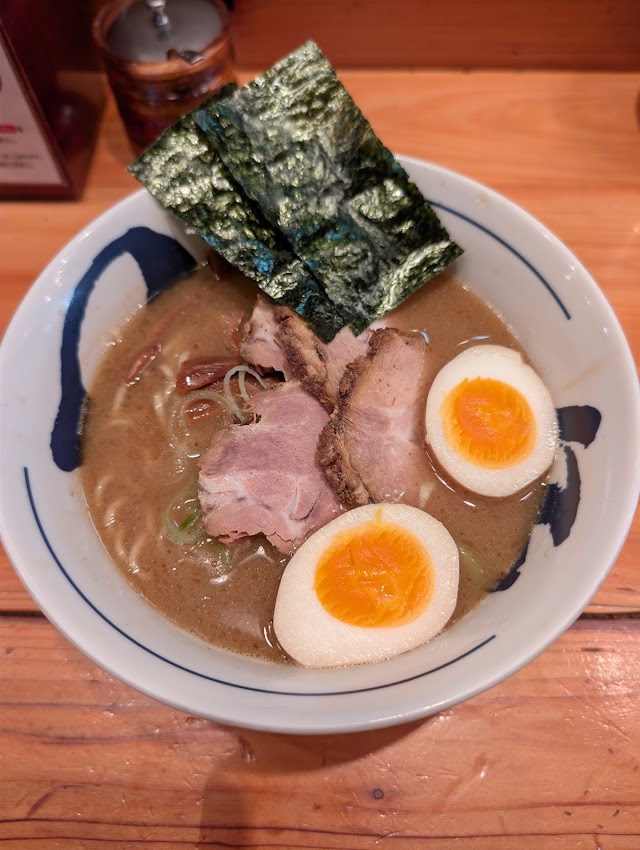
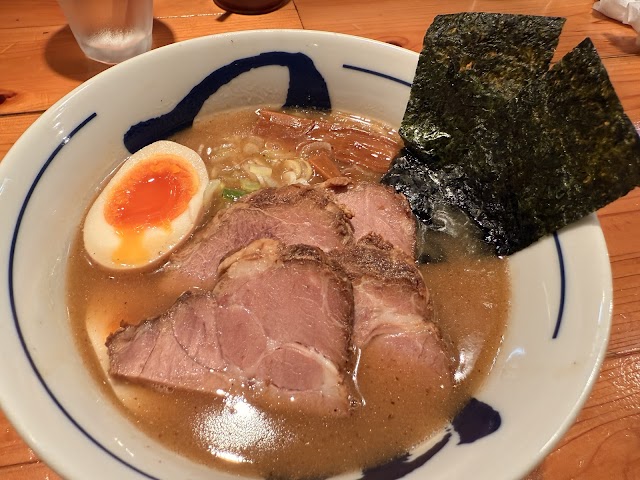
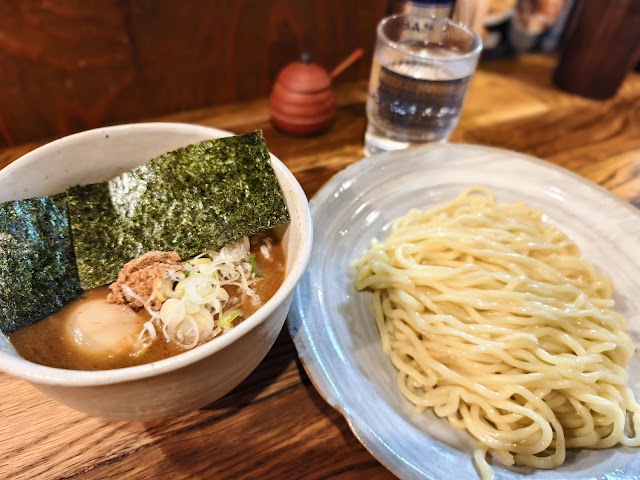
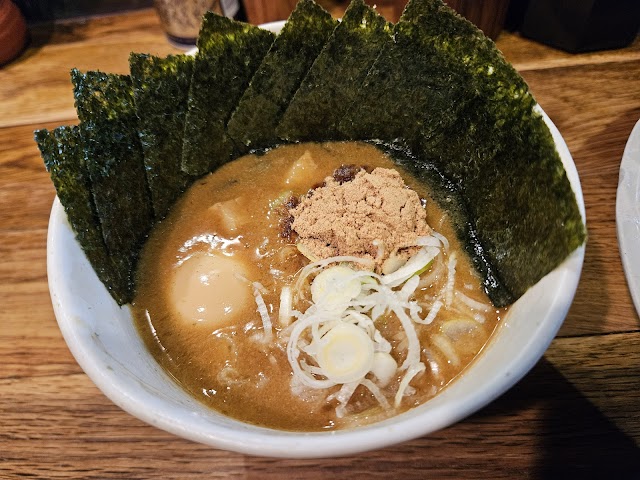
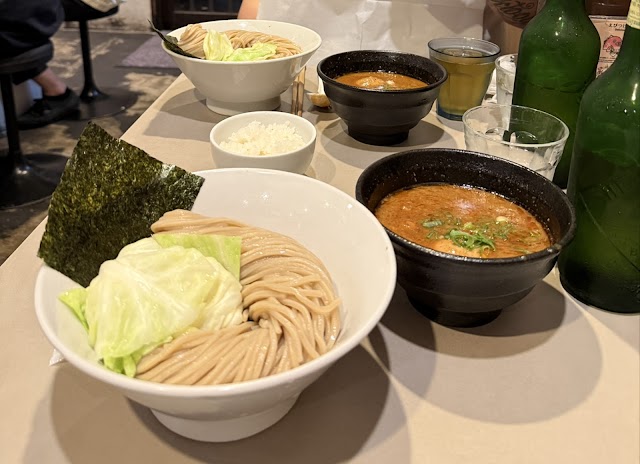
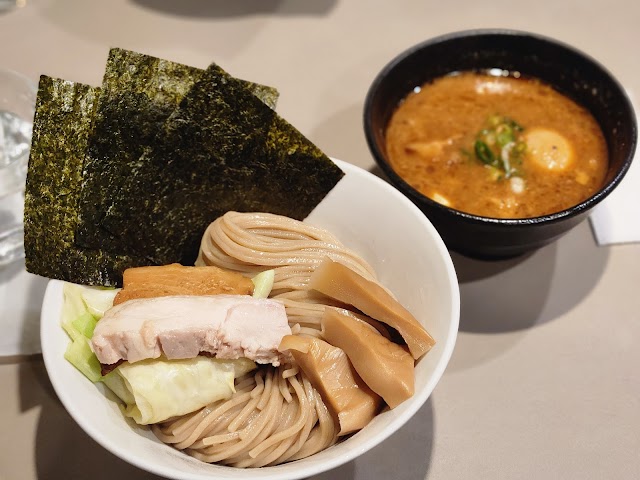
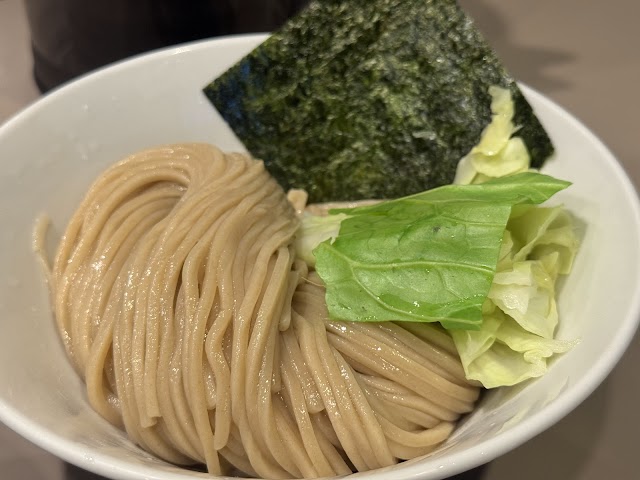
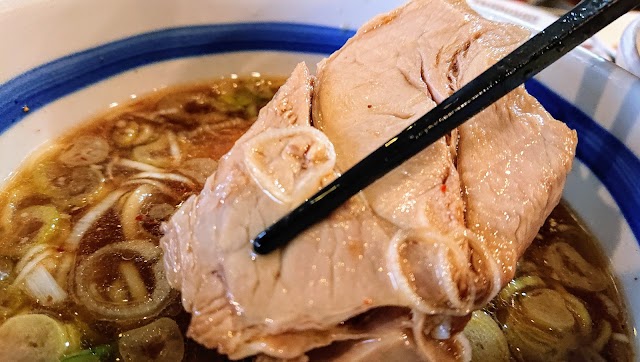
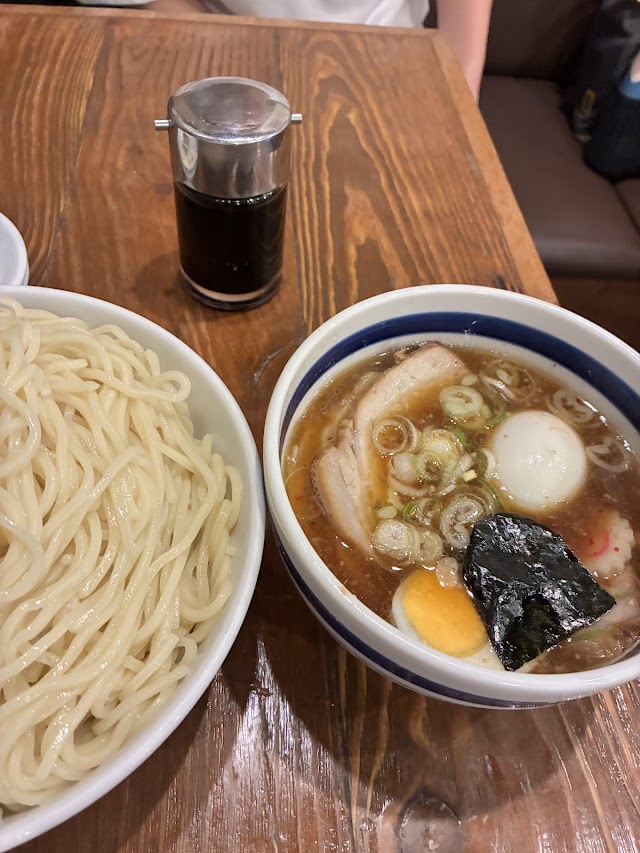
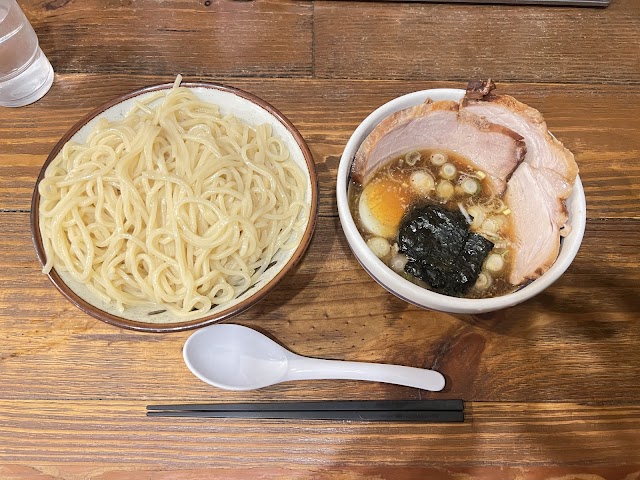
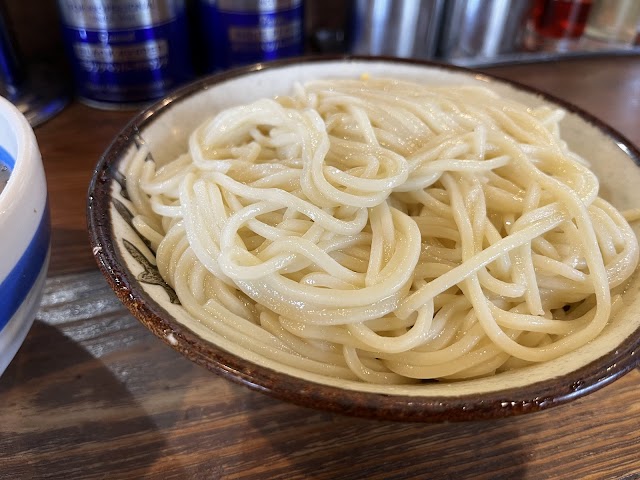
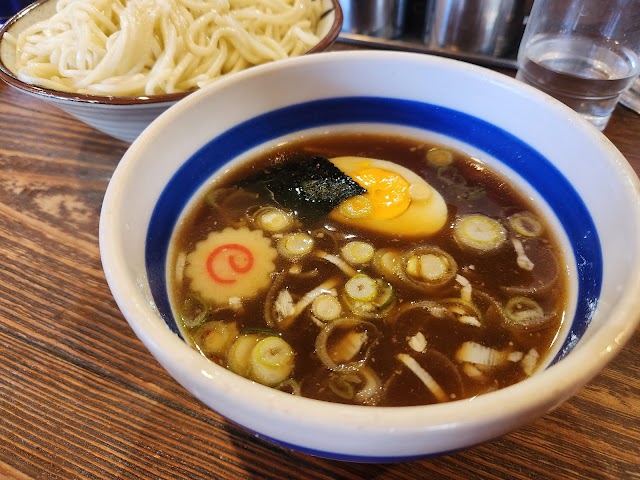
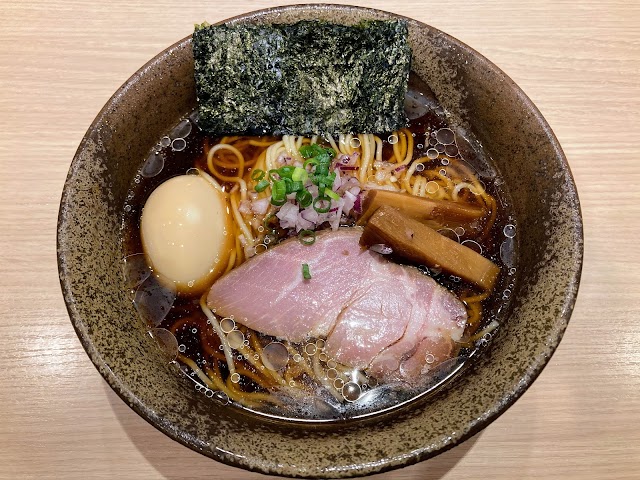
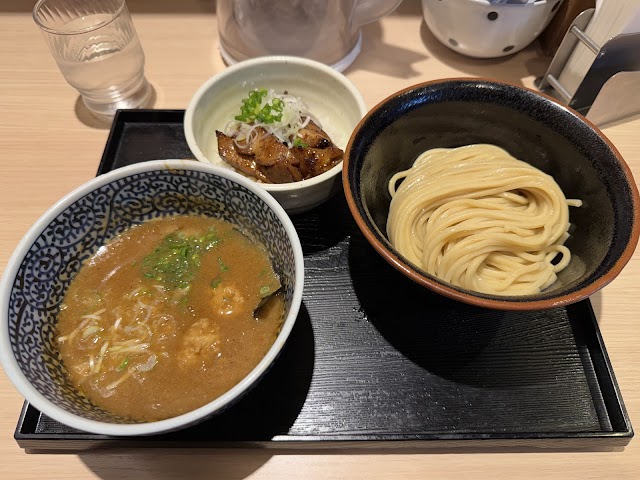
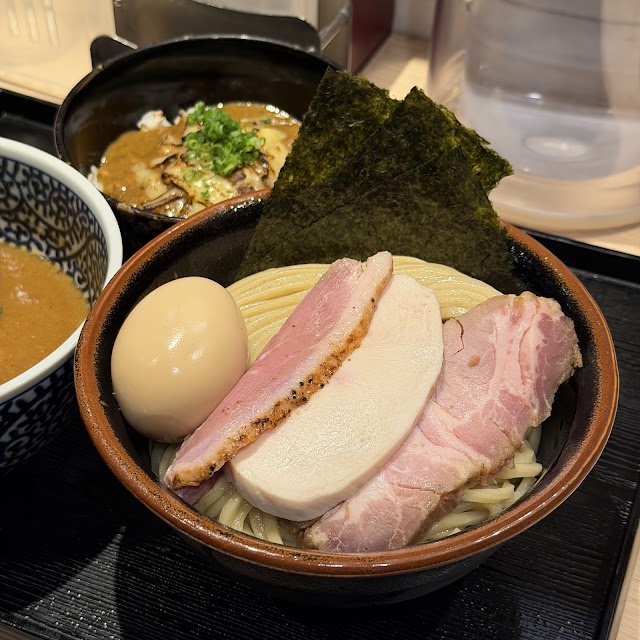
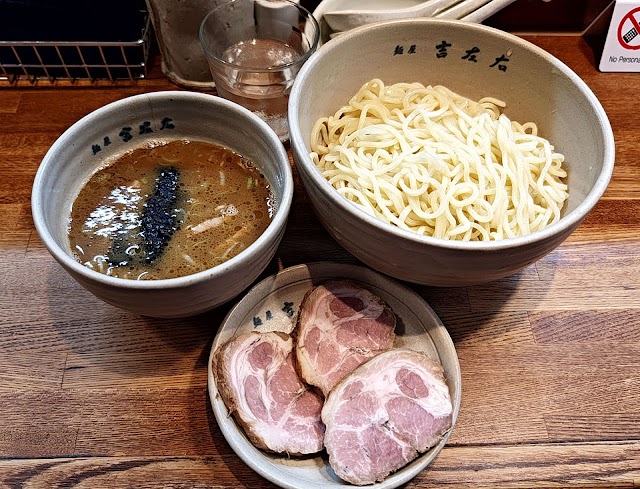
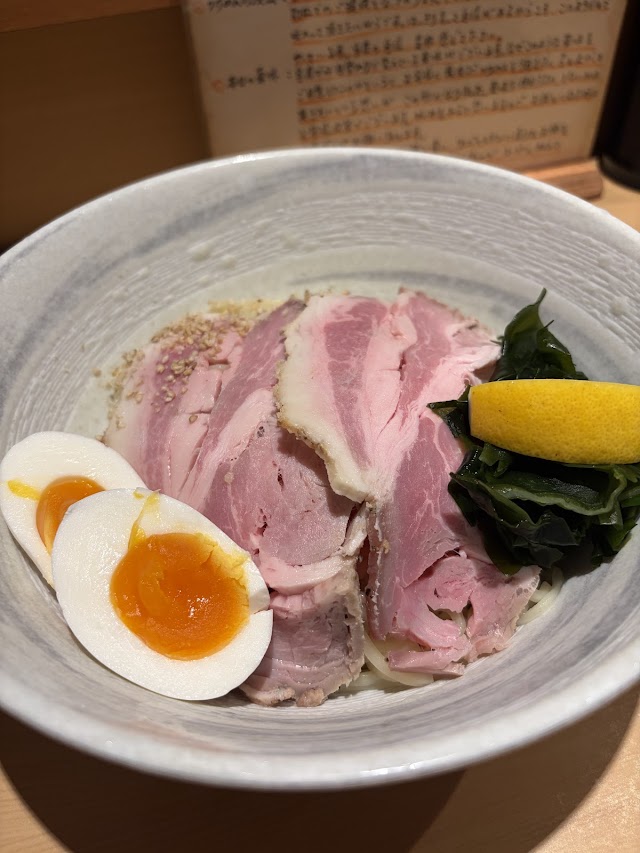
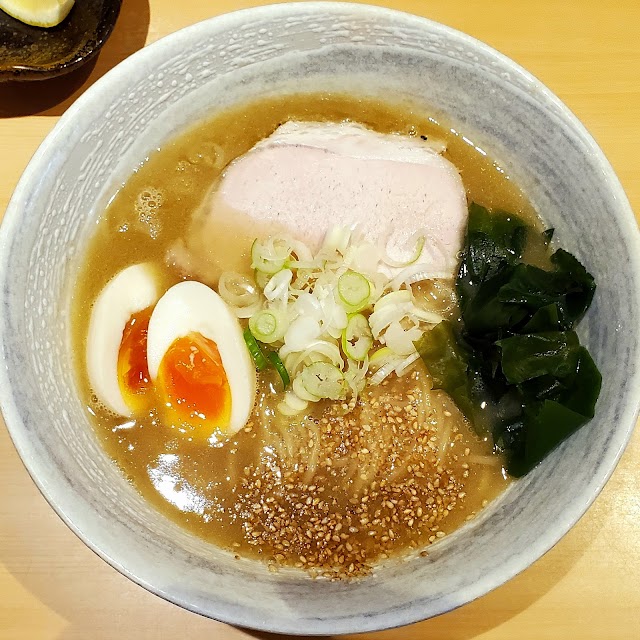
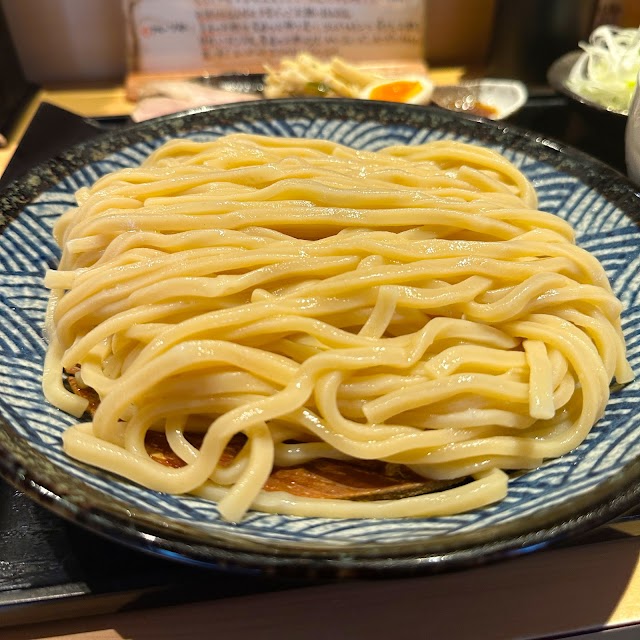
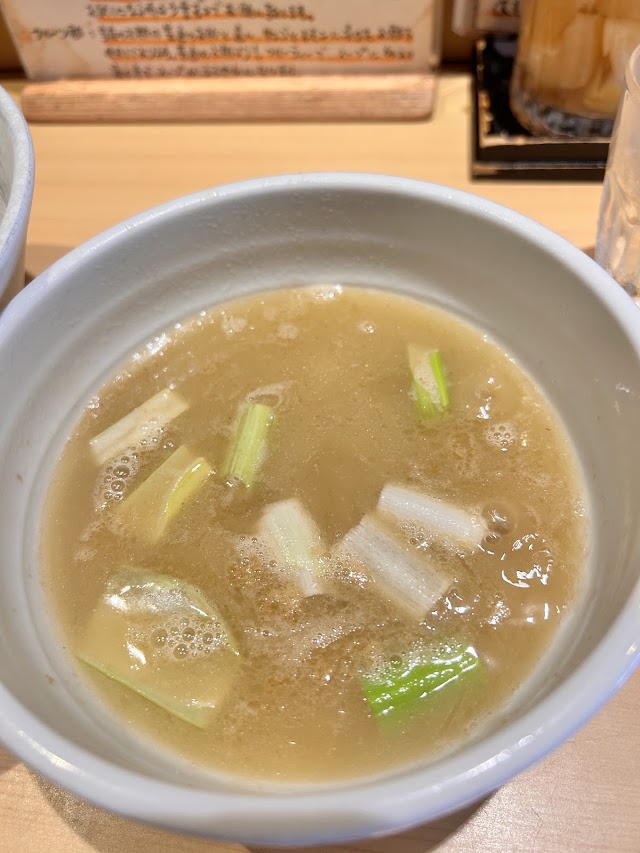
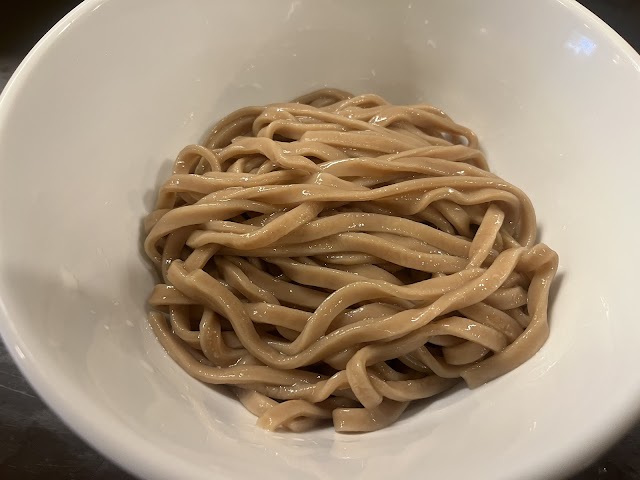
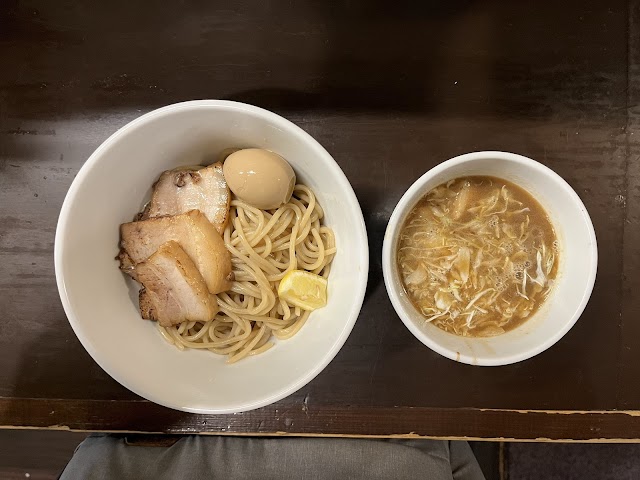
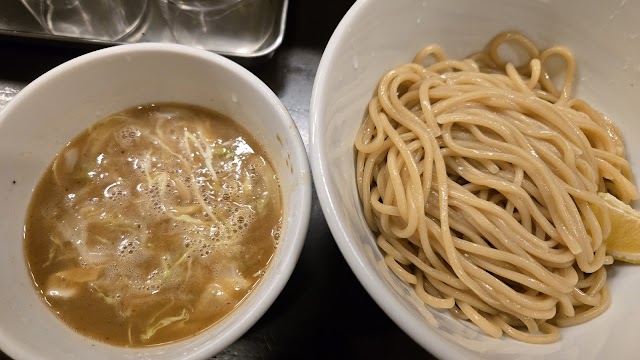
In Tokyo, tsukemen (dipping noodles) and ramen are two different ways of eating. Ramen arrives with the noodles sitting in soup; tsukemen serves drained thick noodles alongside a separate bowl of concentrated dip, so every mouthful drags a heavy coat of broth with it. Because the dip doesn't have to be drunk by the bowlful, shops simmer it thicker and saltier — fish powder, pork bone and yuzu all turned up — and pick fatter, springier noodles. That intensity is what surprises first-time visitors from Taiwan.
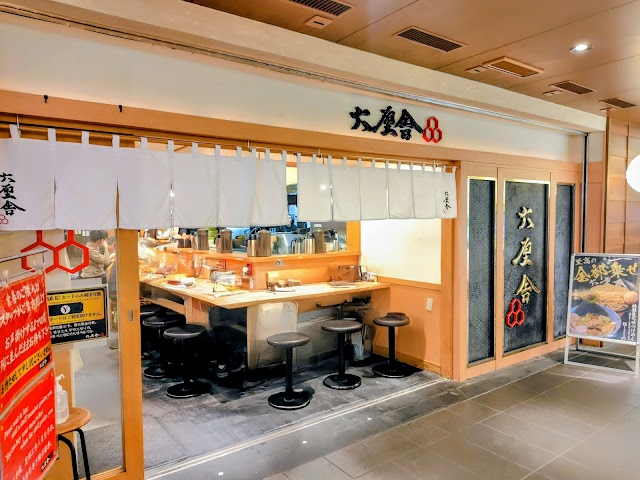
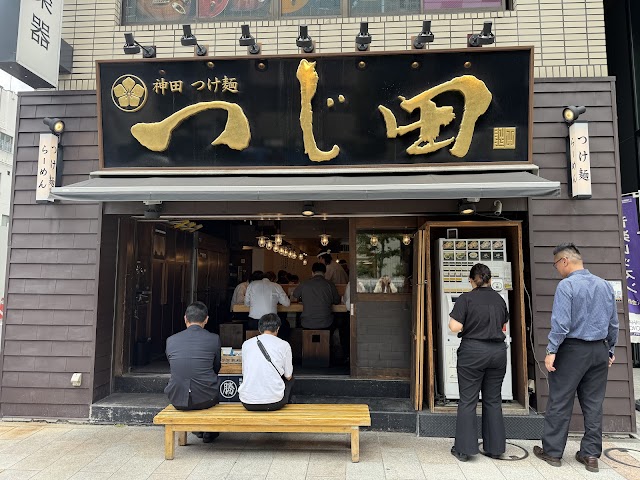
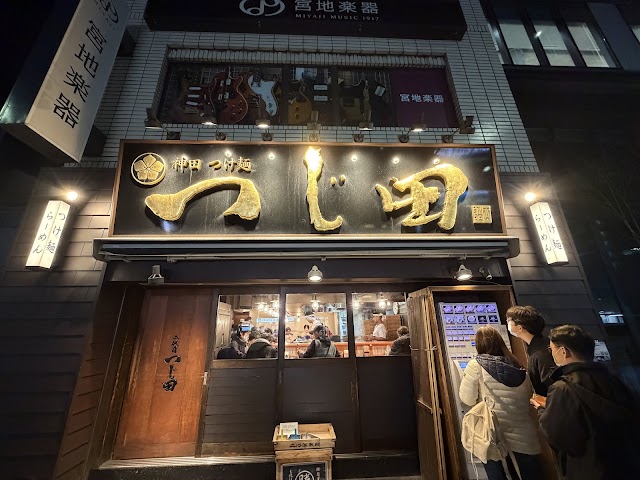
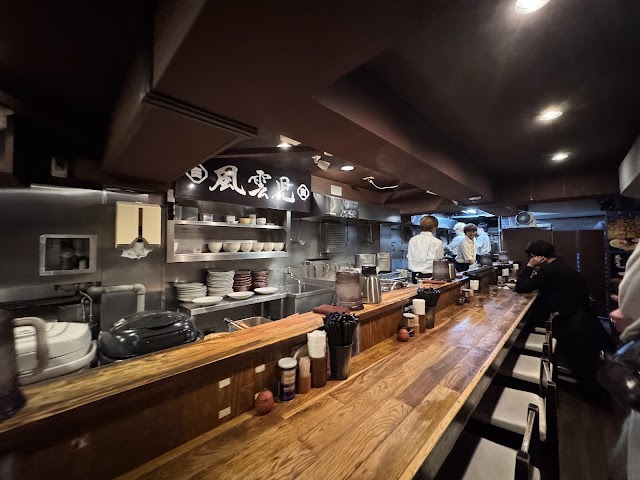
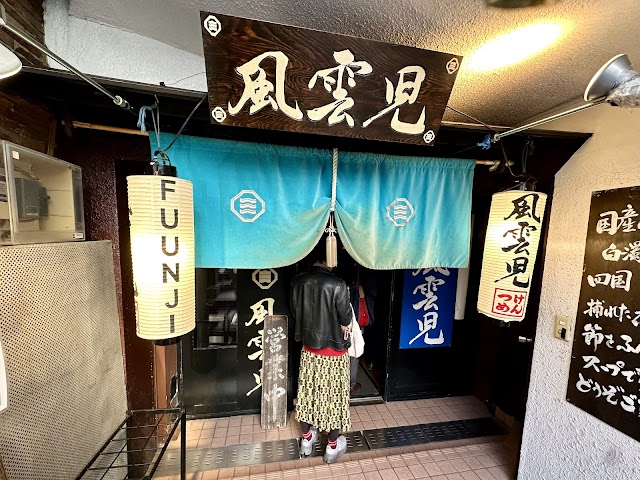
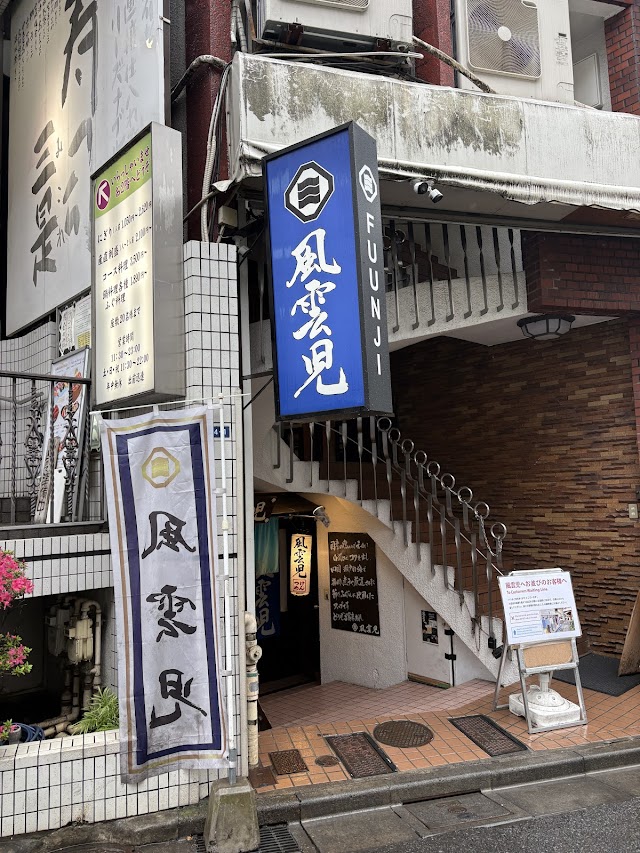
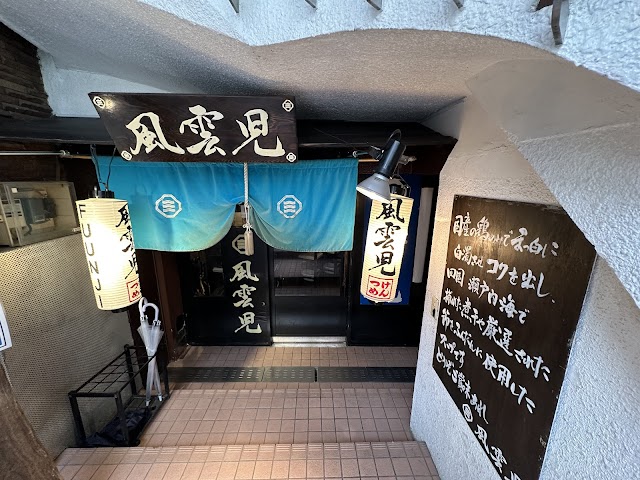
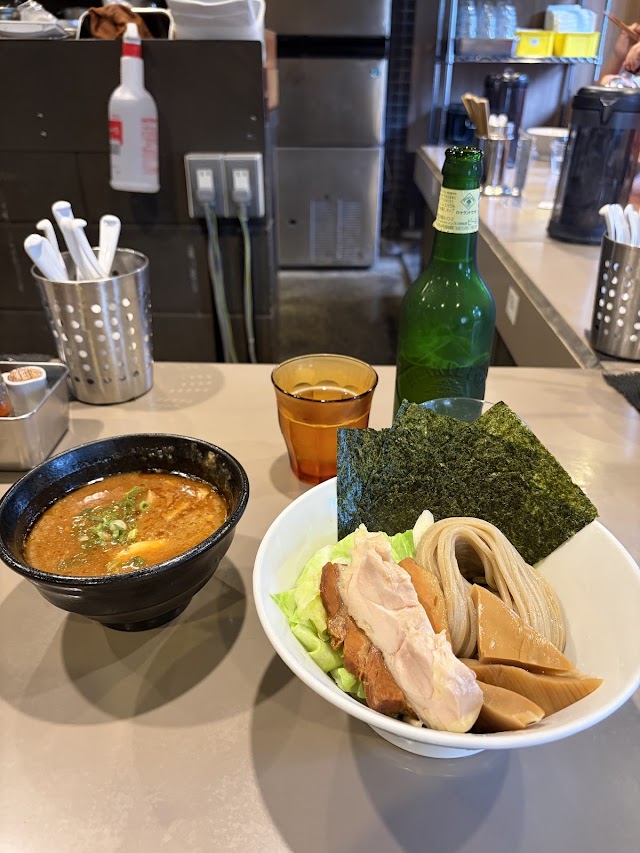
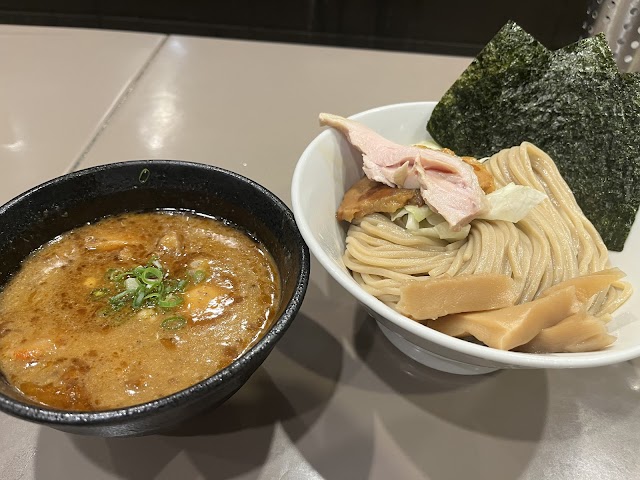
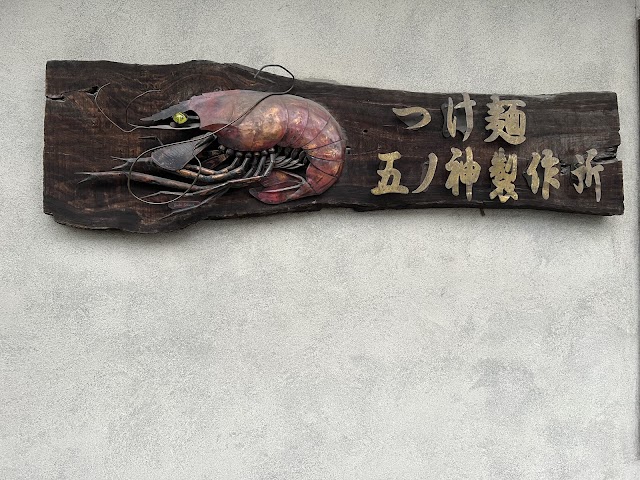
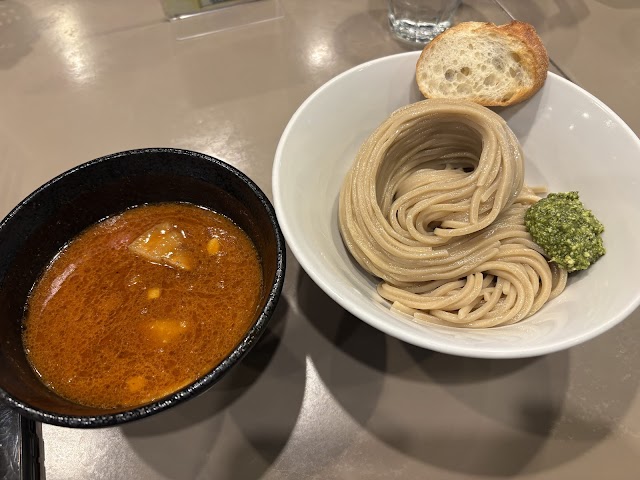
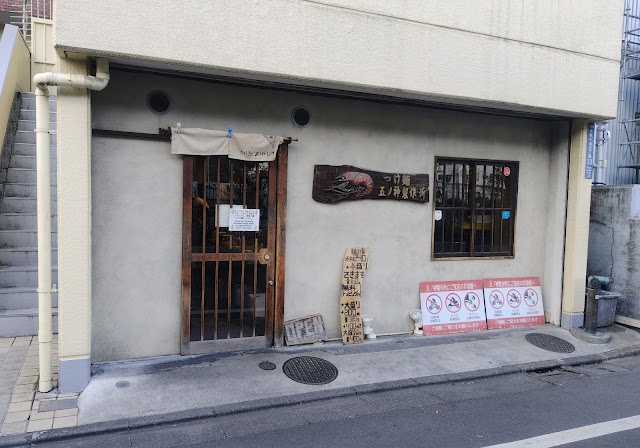
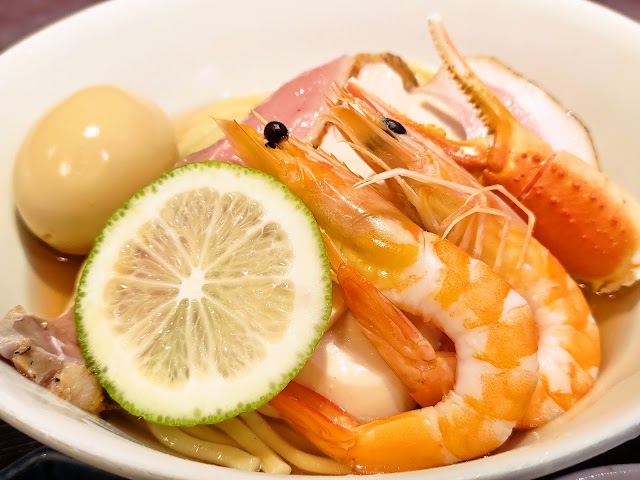
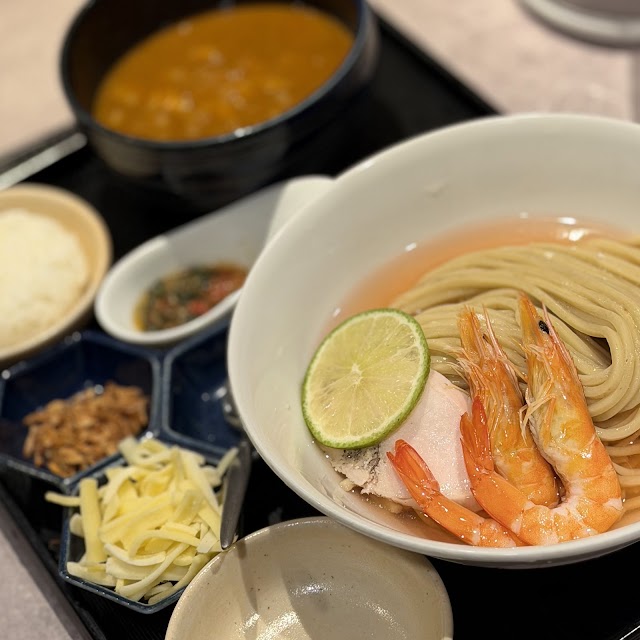
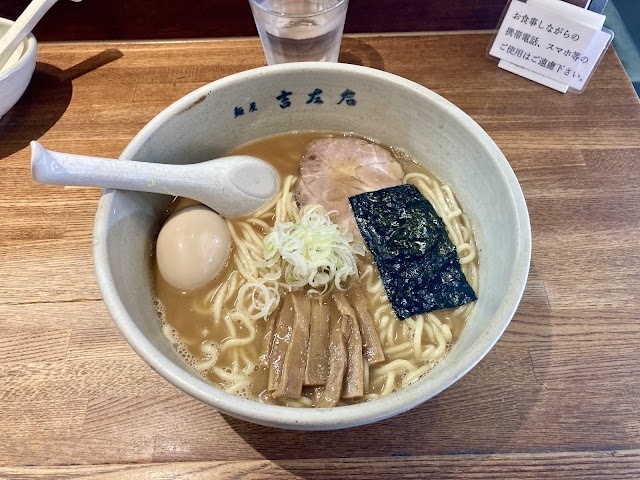
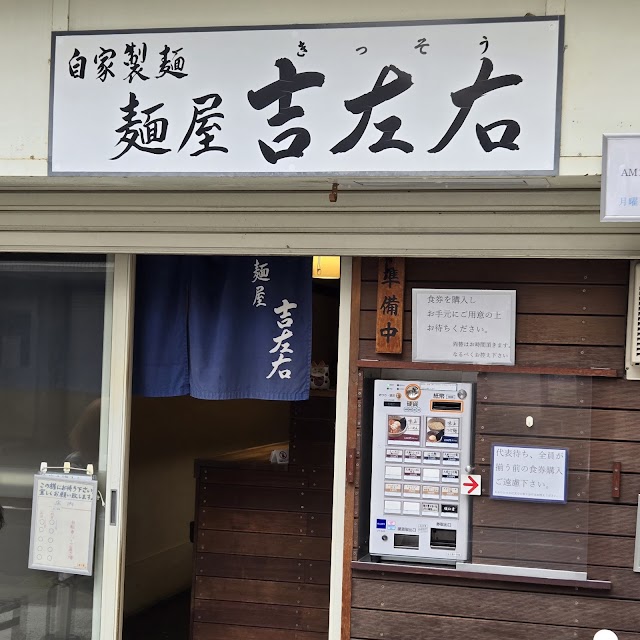
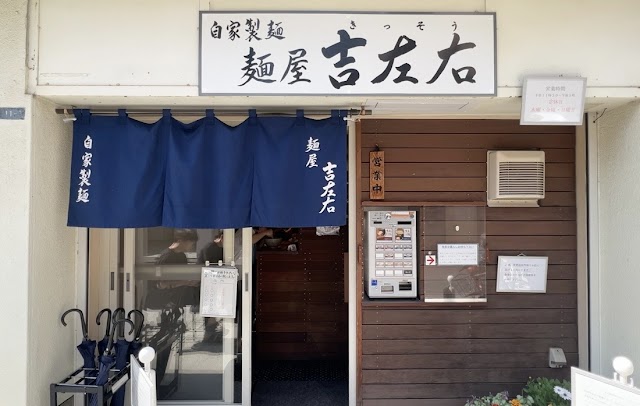
The Tokyo mainstream is the thick tonkotsu-gyokai (pork-and-seafood) style. Rokurinsha pushed it into a nationwide craze, while Tsujita, Menya Kissou and Tsukemen Michi each tune their own thickness and aroma. For variety, Fuunji runs a smooth chicken-paitan, Gonokami Seisakusho builds a shrimp bisque from heads and shells, and Higashi-Ikebukuro Taishoken preserves the old-school sweet-sour flavour from when tsukemen was born. One trip covers the origin and the branches.
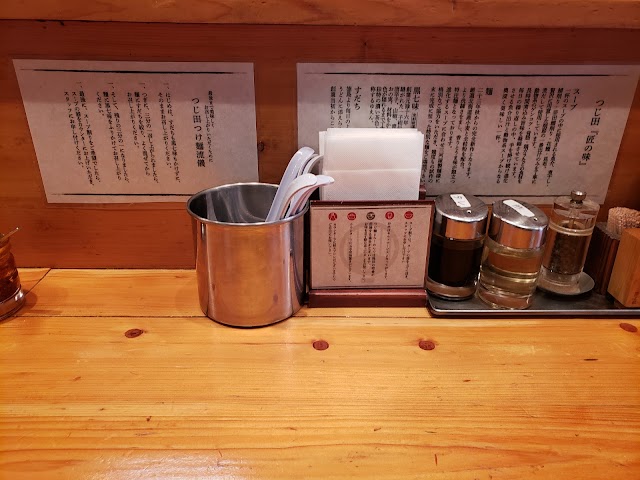
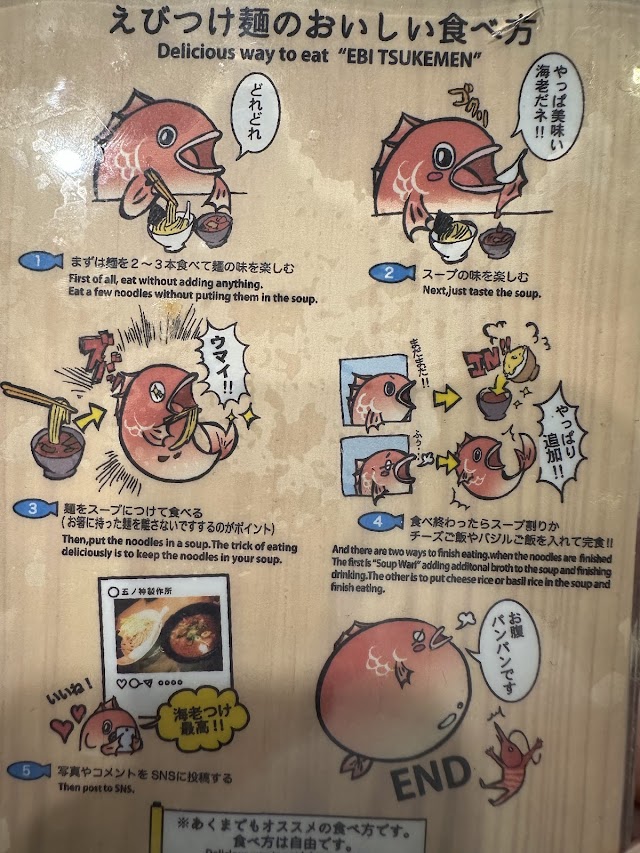
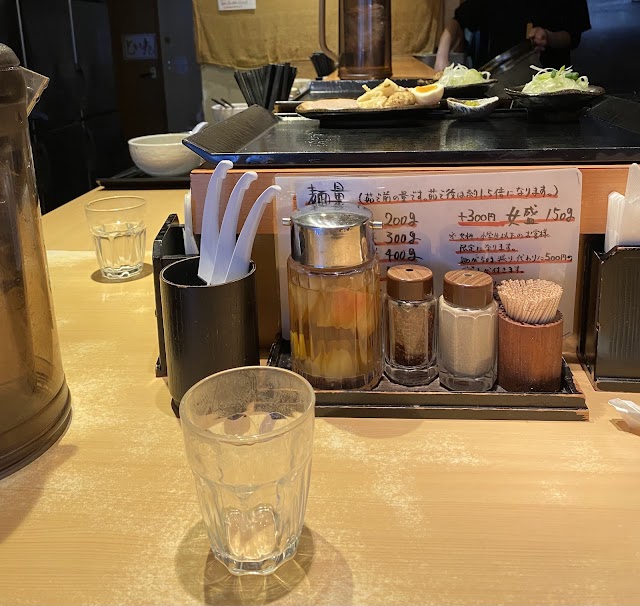
Two ordering habits are worth remembering. If sudachi or yuzu comes on the side, squeeze it into the dip midway to cut the richness; and don't toss the leftover dip — ask staff for soup wari (broth to dilute it) and drink it down, the standard tsukemen finish. Note that famous shops close when sold out and are often done by mid-afternoon; for Menya Kissou, Tsukemen Michi and Menya Itto, arrive before noon and sign the ticket list first. The nine span from inside Tokyo Station out to Kameari and Meguro, fitting both a sightseeing route and a dedicated pilgrimage.
 Scan for map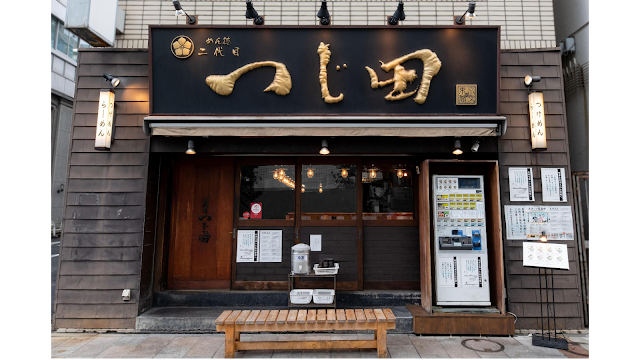
 Scan for map
 Scan for map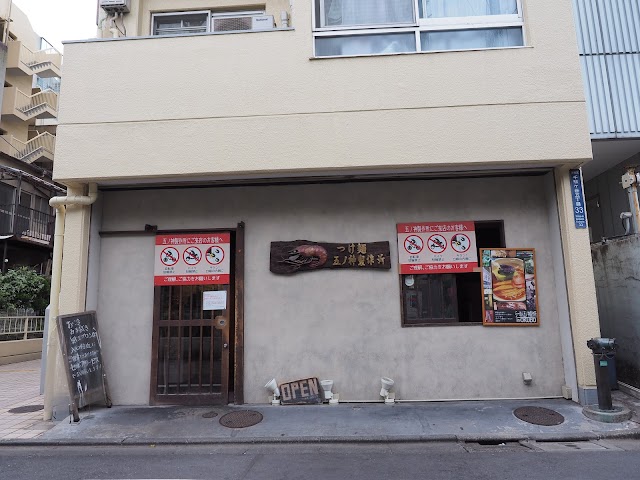
 Scan for map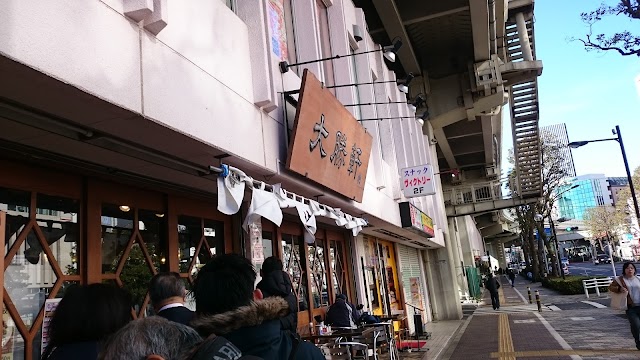
 Scan for map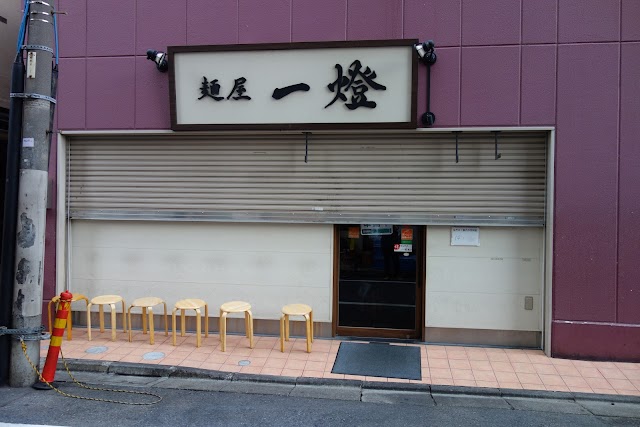
 Scan for map
 Scan for map
 Scan for map
 Scan for map