Tokyo Classic Shoyu Ramen, Nine Picks 2026: From a 1929 Ginza Diner to Michelin Bib Gourmand
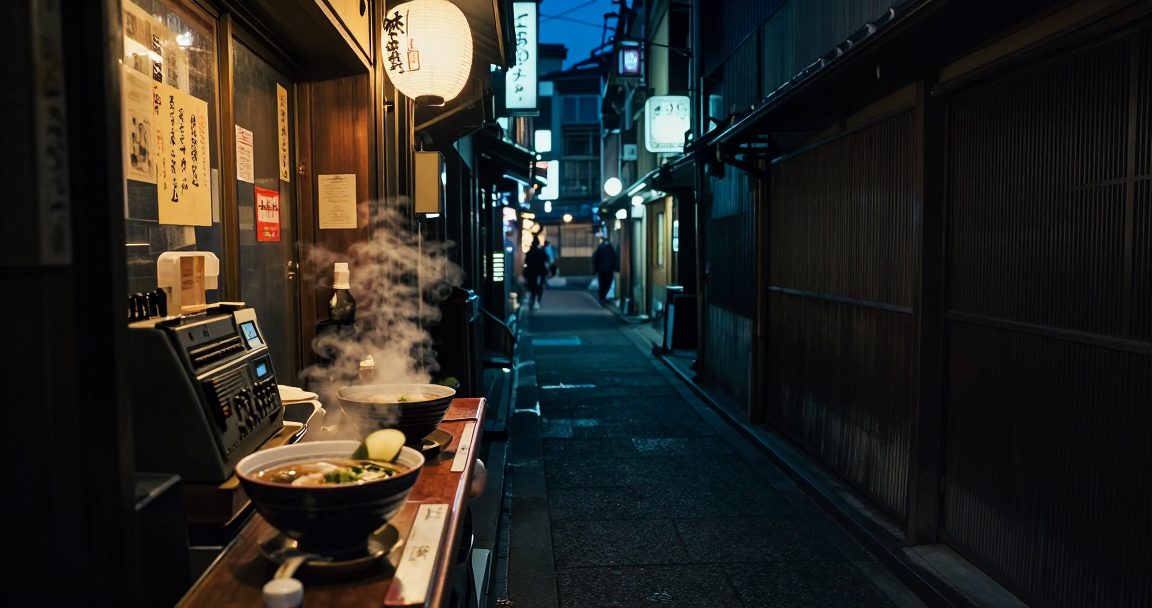
- Tokyo shoyu ramen (chuka soba) is built on a clear broth of chicken bones, seafood and brewed soy; Asakusa's Rairaiken set the template in 1910.
- The nine picks split in two: Showa veterans (Haruki-ya 1949, Manpuku 1929, Eifukucho Taishoken 1955, Hopeken 1960) vs. Reiwa stars (Kuroki, Muginae, Shibata, Katsumoto, Honda).
- Muginae is a repeat Michelin Bib Gourmand, Kuroki and Honda are Tabelog Hyakumeiten, and Shibata is a Michelin Guide regular.
- Order anything marked 'tokusei' (special) for the best value; the saltiness is meant to pair with noodles and rice.
- Old shops often sell out by lunch while famous shops need an early ticket or online booking, so check the day's hours and format first.
- Prices run from about ¥800 at Hopeken to around ¥1,600 at the marquee shops; all nine auto-link Google's official hours, phone and photos tomorrow morning.
Tokyo shoyu ramen, written 'chuka soba' or 'shoyu ramen' in Japanese, is the city's ramen in its original form. In 1910 the Asakusa shop Rairaiken reworked Chinese noodle soup into a chicken-bone-and-Japanese-soy broth, setting the template for what we now call Tokyo ramen: a clear amber soup, thin curly noodles, menma, char siu and a swirl of narutomaki. For Taiwanese diners used to the richness of tonkotsu or iekei, the first sip can read as light, yet the craft lives there: the broth builds layer by layer from chicken bones, seafood (niboshi, katsuobushi, kombu) and the brewed aroma of the soy itself, finishing sweet.
There are two routes. One is the Showa-era veterans: Haruki-ya in Ogikubo, Manpuku in Ginza, Eifukucho Taishoken, Hopeken in Sendagaya, shops that have sold the same bowl for sixty-plus years. The other is the Reiwa stars: Kuroki, Muginae, Shibata, named to the Tabelog Hyakumeiten or Michelin Bib Gourmand, who push shoyu ramen toward the finesse of kaiseki, with barrel-aged soy, low-temperature char siu and jidori-chicken stock.
Three ordering tips: order anything marked 'tokusei' (special), which usually adds char siu, ajitama and nori for the best value; old shops often sell out by lunch while famous shops require an early numbered ticket or online booking, so check the day's hours first; and the saltiness is by design, meant to be eaten with the noodles and a side of rice.
 Scan for map
 Scan for map
 Scan for map
 Scan for map
 Scan for map
 Scan for map
 Scan for map
 Scan for map
 Scan for map