Japan Focuses on Higher Prices, Not Numbers: Key Strategies for Boosting Tourism RevenueA · FULL TRANSLATION

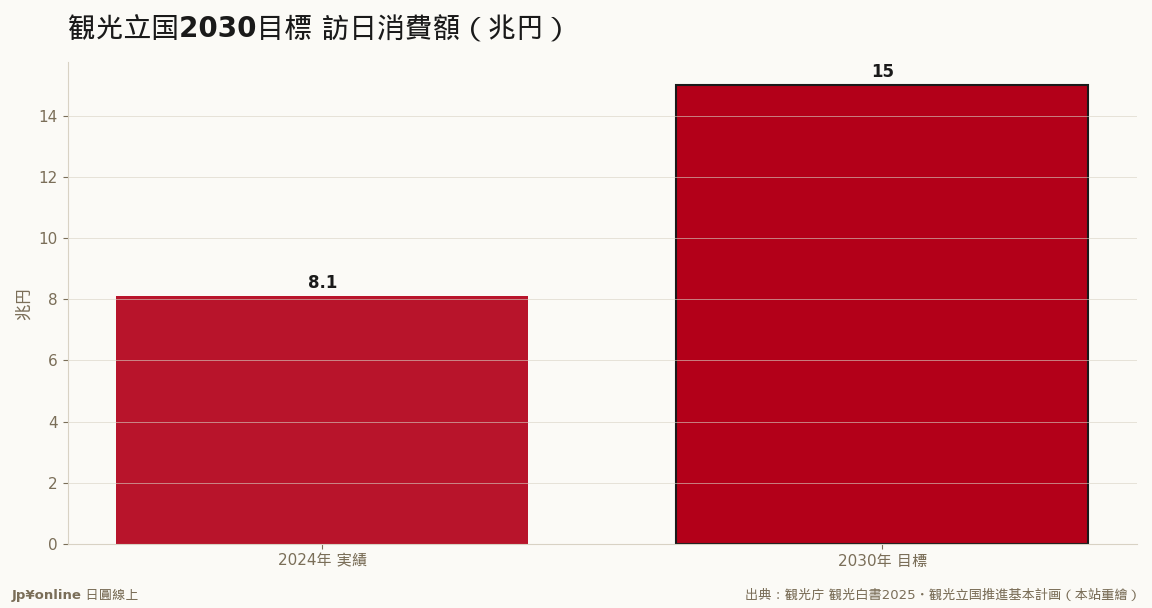
- 2024 Inbound Spending Reaches ¥8.1257 Trillion; 2030 Goal is ¥15 Trillion via Higher Prices
- Key Terms: 'High-Value Tourists' (¥1 Million+ per Trip); 'Model Tourism Destinations'
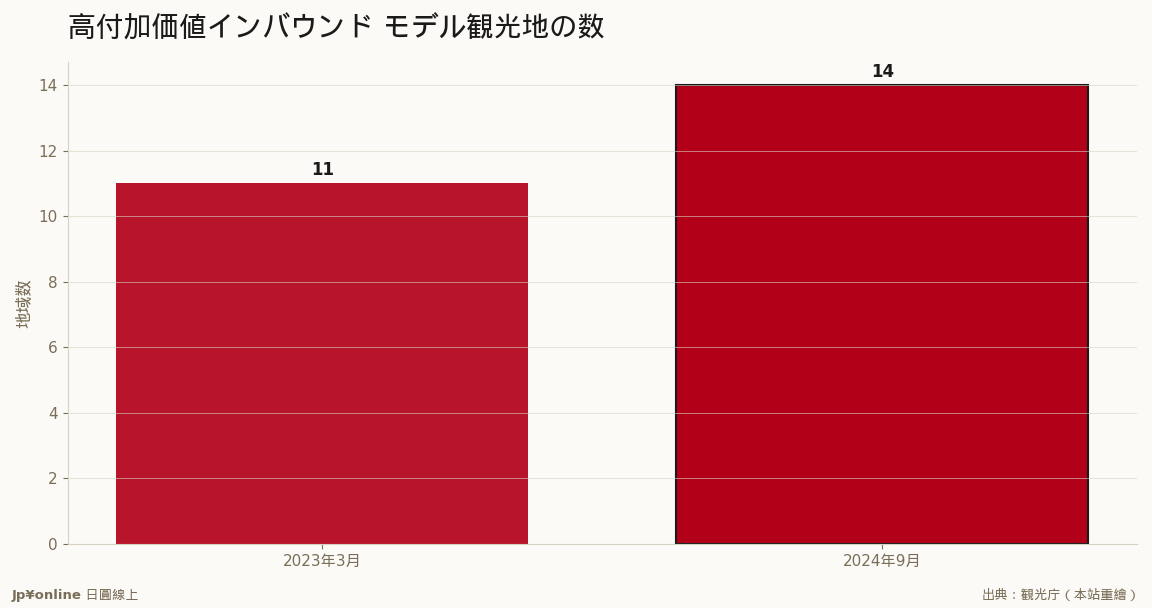
- Specific Locations: Eleven Initial Model Destinations, Expanding to Fourteen by September 2024, Focusing on Regional Areas Rather than Major Cities
- Business Strategy: Follow Government Support and Target Premium Experiences for the Wealthy
- Challenges: High-Value Tourism Requires Significant Investment, Long-Term Returns, and Adequate High-End Supply
The 2023 Travel White Paper and the Promotion of Japan as a Tourism Nation Outline Future Earnings Pathways: Despite record-breaking visits in 2024, Japan aims to reach ¥15 trillion by 2030 through higher prices rather than more visitors. Key terms include 'high-value tourists,' defined as individuals spending over ¥1 million per trip, and 'model tourist destinations'—selected areas receiving concentrated investment to cater to this demographic.
Why This Matters for Those Seeking Japanese Tourism Earnings: The 2023 Travel White Paper outlines Japan’s strategy moving forward. Despite record visitation in 2024 reaching ¥8.1257 trillion, the goal is not merely increasing numbers but boosting spending to ¥15 trillion and raising individual expenditure to ¥250,000. This means targeting high-end tourists rather than mass visitors.
Key Concepts: 'High-Value Tourists' are those who spend over ¥1 million per trip, while 'Model Tourism Destinations' receive concentrated investment to attract these travelers. This approach seeks to shift from mass tourism to higher-value experiences that benefit local economies more effectively.
Specific Locations: In 2023, eleven model destinations were chosen across Japan, expanding to fourteen by September 2024, focusing on regional areas rather than major cities like Tokyo and Osaka to drive high-end spending into rural regions.
A Unique Approach: Businesses should follow government support and target premium experiences for the wealthy rather than chasing mass markets. This involves investing in personalized, local-depth offerings that benefit from policy incentives. However, barriers such as limited talent and infrastructure could hinder success.
Counterarguments: High-value tourism requires significant investment and long-term returns, making it less accessible to smaller players. Success also hinges on weak yen and adequate high-end supply, which can be challenging.