Nippon Foundation Surveys 18-Year-Olds on Regional Revitalization: How Gen Z Views the Tokyo Exodus QuestionA · FULL TRANSLATION
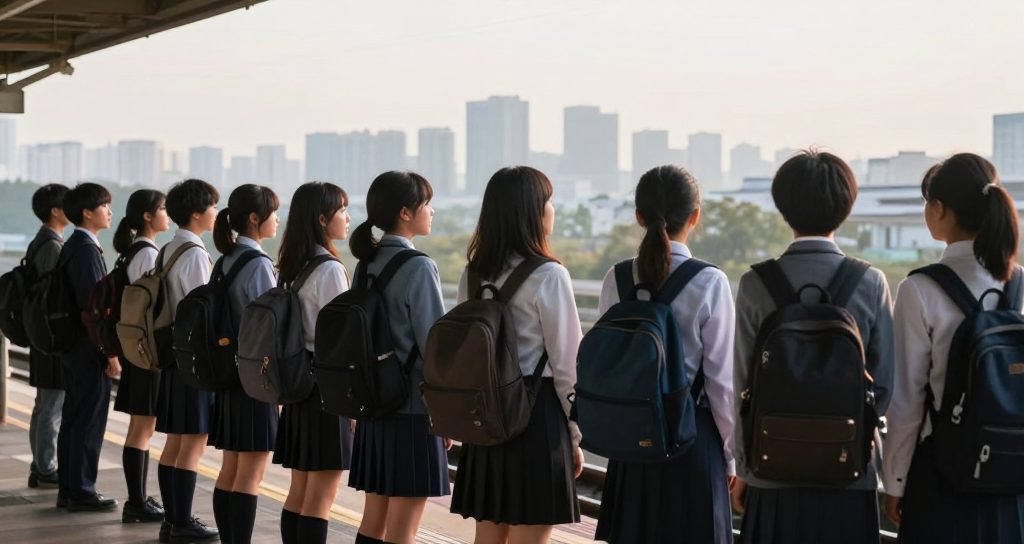
- The 81st Nippon Foundation 18-year-old survey focuses on regional revitalization
- It compares attitudes across the three major metropolitan areas and regional Japan
- Youth migration intentions are the leading indicator for all regional policy
A decade of regional revitalization policy comes down to one variable: which way young people vote with their feet. The Nippon Foundation's 81st 18-year-old awareness survey targets exactly that, comparing how the cohort in Japan's three big metropolitan areas and its regions views hometown loyalty, local jobs and future living. The structural backdrop makes the timing pointed — Tokyo's net inflow has long been driven by the young at two life nodes, university entry and first employment, and policies that miss those nodes retain nobody regardless of how many subsidized facilities get built. For observers of demographic policy anywhere facing capital-city gravity, the foundation's fixed-point generational surveying is a method worth copying. Young people don't respond to slogans; they respond to spreadsheets of jobs, commutes and living costs.
The Nippon Foundation (Minato-ku, Tokyo; Chairman: Takeju Ogata) conducted the 81st edition of its 18-Year-Old Awareness Survey in May, this time on the theme of regional revitalization. Against the backdrop of government strategies to correct the overconcentration of population in Tokyo and build a stronger economy, the survey divides Japan into the three major metropolitan areas and regional zones, comparing how 18-year-olds view their home regions, local jobs and future living choices. The series regularly tracks the attitudes and values of Japan's 18-year-old generation on a rotating set of social themes, providing reference material for policy debate. Full results are published on the foundation's website. (Summary based on the press release; details per the original report.)