Hokkaido Tallest Tower Asks a Hard Question: Should Public Money Subsidize Investment Condos
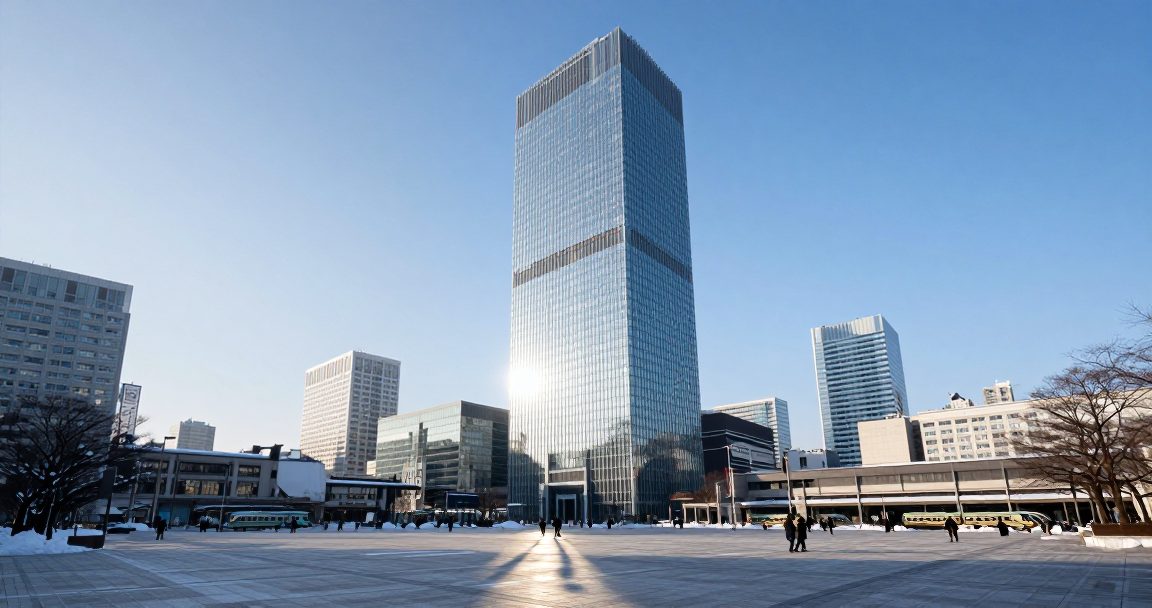
- 48-story, 175-meter ONE Sapporo Station Tower completed at Sapporo Station north exit
- Total project cost topped 50 billion yen with over 10 billion in public subsidies
- Publicly funded redevelopment units are being traded as investment products
The 48-story, 175-meter ONE Sapporo Station Tower now looms over Sapporo Station's north exit as Hokkaido's tallest residential building—and as the subject of Toyo Keizai's pointed question: when a redevelopment costing over 50 billion yen, including more than 10 billion in public subsidies, produces condos that trade as investment products, who exactly did taxpayers subsidize? The question generalizes across Japan. Urban redevelopment law deploys public money to renew aging districts on the premise of public benefit; in an asset boom, those towers become investment targets and the subsidy effectively pads returns. For prospective Sapporo buyers, two practical notes: the Shinkansen extension timeline has slipped repeatedly, so theme realization takes longer than hoped, and high-rise management and repair costs are punishing—run the numbers beyond the narrative premium.