Shin-Okubo Rents Approach Ginza Levels While Spend per Customer Stays Low
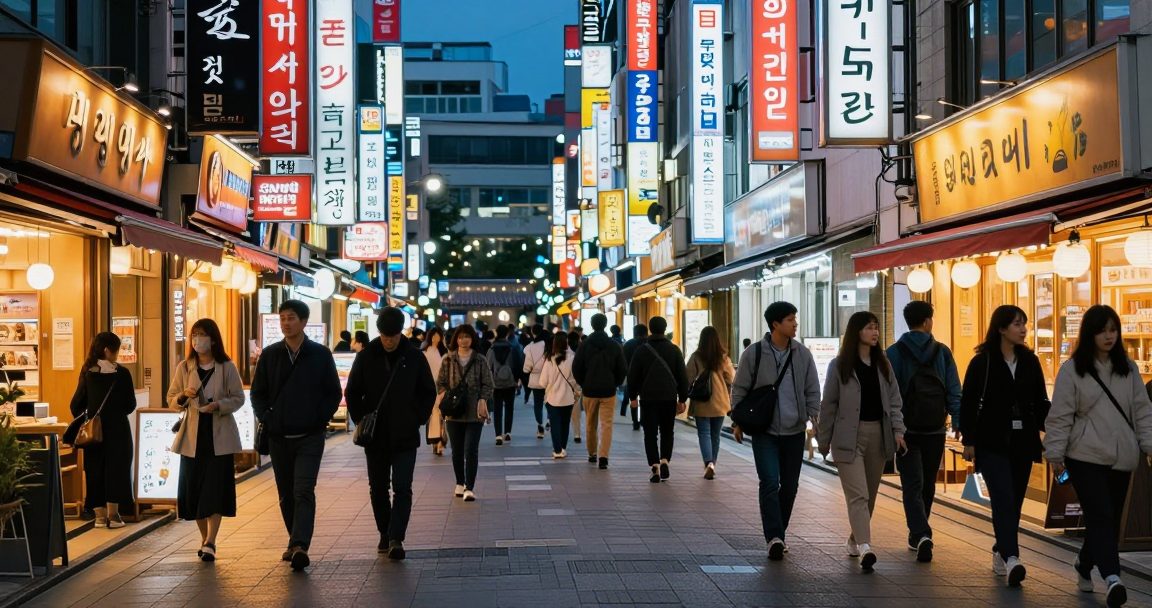
- Shin-Okubo draws crowds with Korean food and desserts, and shop rents there now approach Ginza levels.
- Spend per customer stays far below Ginza, so only high-turnover formats, heavy takeout, or brands subsidising the site from a marketing budget survive.
- A Korean-born businessman who has watched the district for forty years points to that gap as where new entrants fail.
Rents in Shin-Okubo have climbed toward Ginza levels, and Korean food brands keep opening there anyway. A Korean-born businessman who has watched the district for forty years names the contradiction plainly: rents approaching Ginza, average spend nowhere near it.
Under that structure only two models survive. One pushes table turnover and takeaway share to the limit. The other treats a Shin-Okubo storefront as a brand's first Japanese address and covers the shortfall from a marketing budget. In other words, many of the new entrants are not restaurant operators; they are marketing departments.
Two lessons for readers. On site selection: in districts carried by tourists and buzz, rent rises ahead of average spend, and the gap between the two is where new operators die. On investment: retail units in these districts show attractive headline yields, but tenant turnover is fast and restoration costs are high, so a single vacant month costs far more than in residential.
Practical steps: check how many times tenants have changed on the same street over three years, and calculate breakeven after stripping out any brand marketing subsidy. If it only clears with head-office support, that is advertising, not a business. Watch where these brands open their second store. That address is their real verdict on the district.