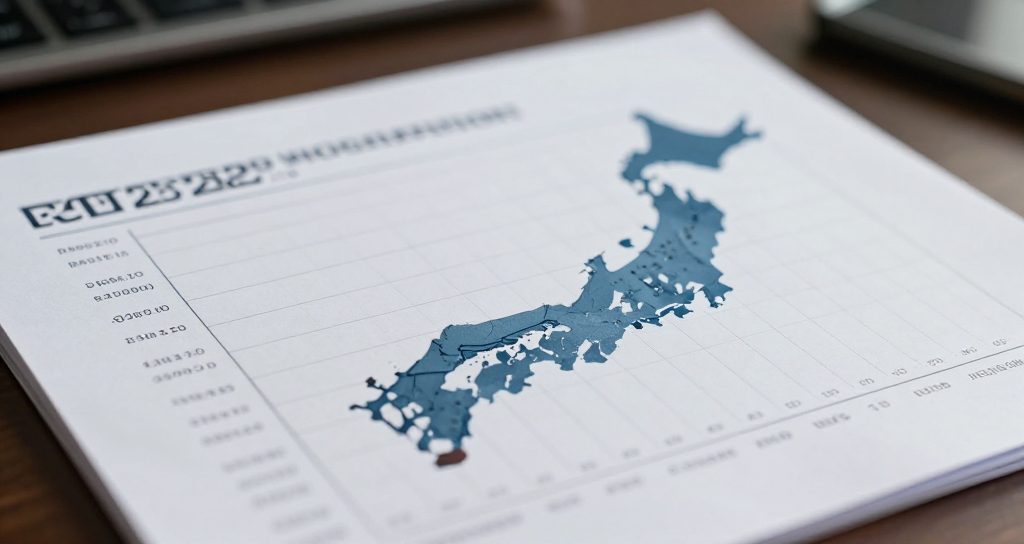
Bankruptcies Caused by Staff Departures Rise for a Fifth Straight Year in Japan
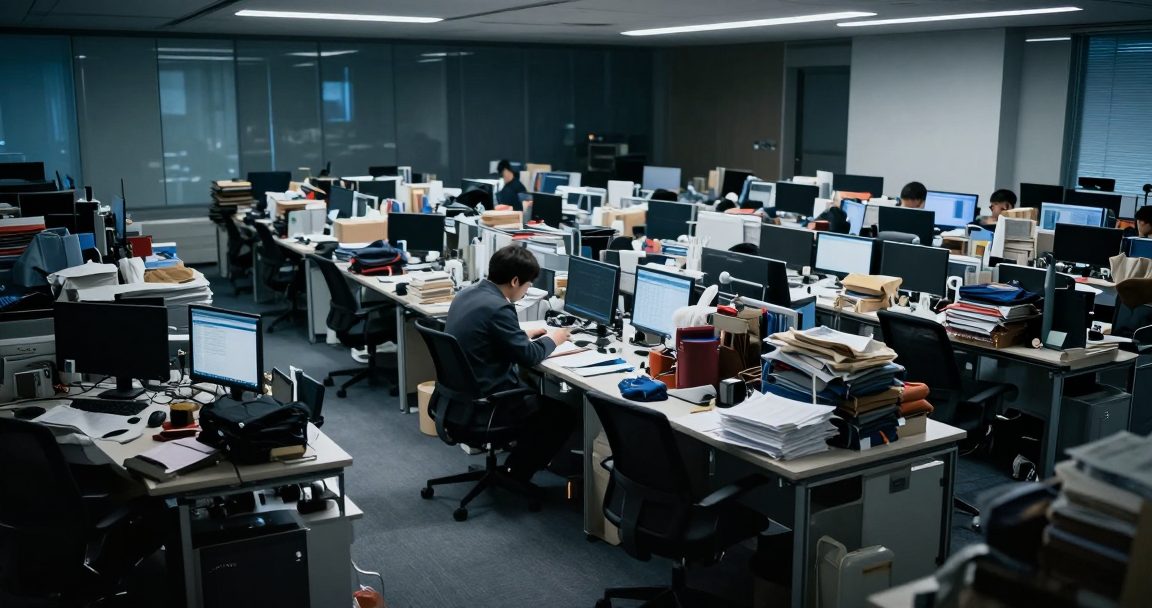
- Teikoku Databank: bankruptcies caused by staff or executive departures rose for a fifth straight year.
- January to July 2026 totalled 83 cases, up 12.2% from 74 a year earlier.
- The survey covers legal bankruptcies with liabilities of ¥10 million or more, back to 2013.
- Cases span services, manufacturing, wholesale, retail and transport.
- Firms unable to fund pay rises lose staff before they lose orders.
Bankruptcies caused by staff and executive departures are one of the more honest thermometers for Japan's smaller firms. Teikoku Databank counts 83 such failures from January to July 2026, up 12.2% from 74 a year earlier, and rising for a fifth consecutive year. The survey covers legal bankruptcies with liabilities of ¥10 million or more and runs back to 2013, so the run of five years carries weight.
The absolute number is small against Japan's total failures; the direction is the point. Cases appear across services, manufacturing, wholesale, retail and transport — this is not one sector's problem.
The mechanism runs backwards from what most people assume. These firms usually lose people before they lose orders: experienced staff leave, existing work cannot be delivered, new work is turned away, revenue falls, and there is even less money for raises. Firms unable to raise service prices have no funding for wages — the upstream of today's separate story on flat service inflation.
Three paths: the ability to pay diverges and weaker firms exit faster; foreign labour fills part of the gap; or succession-driven M&A replaces outright failure.
If you plan to run a business in Japan, budget labour as the largest fixed cost. If you plan to buy one, check retention of key staff first. Watch monthly shortage-driven failures, the job-openings ratio, and minimum wage increases.