Japan's Next Fiscal Year Budget Requests Hit Record High, New Investment Frame Uncapped
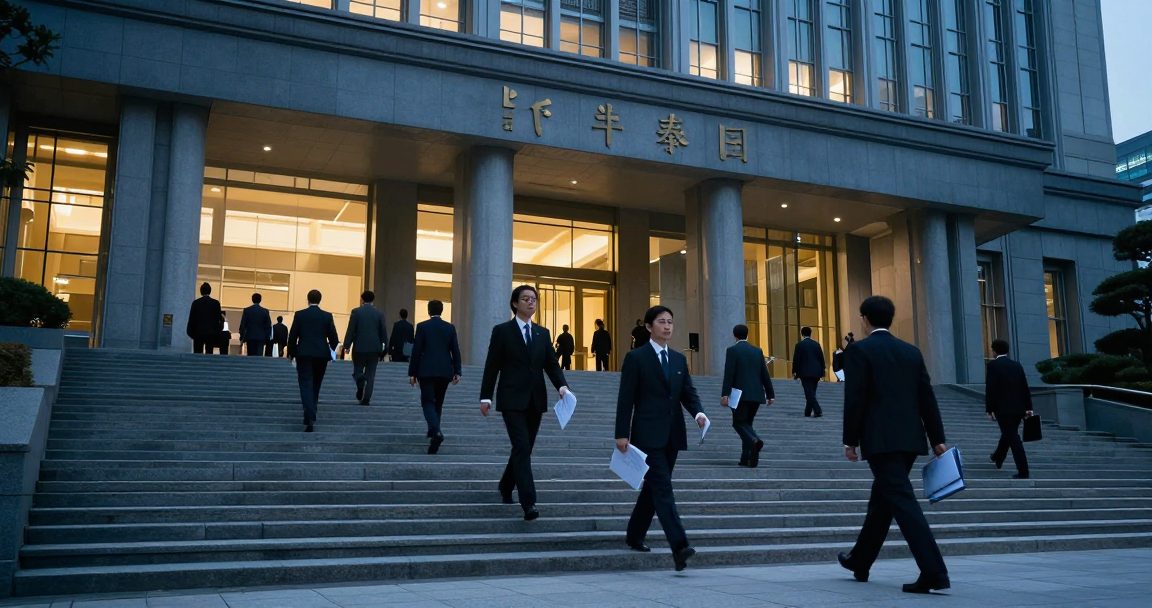
- Central government agencies submitted preliminary budget requests today for the 2025 fiscal year.
- A newly established investment category has no spending cap, pushing total estimates well above 122 trillion yen.
- The general account is expected to reach a record high, reflecting the government's push for public investment.
If you hold yen cash, Japanese stocks or bonds, or you are weighing a property purchase in Japan, how much Tokyo plans to spend next year—and where the money comes from—feeds straight through the yen and JGB yields into the value of what you own. Today's budget-request deadline is where that chain begins, and this round's keyword is a record high.
Plainly put, these requests are each ministry's opening ask, not the final budget; the Finance Ministry trims them line by line before a year-end deal. Today's figure is the opening move, not the result. But the ask signals direction: the general-account total is set to top the prior 122 trillion yen for a fresh record.
The real detail is a new investment frame with no cap on requests. Where items usually face ceilings that force ministries to prioritize, carving strategic spending out from the ceiling loosens the total and shrinks what the Finance Ministry can later cut—so this record is likelier to actually land, not just be shouted high and trimmed back.
Japan's general account has swelled for years, driven by rigid social-security costs and mounting debt service, with defense and childcare added lately. Those do not shrink on command, so an ever-higher total is largely structural; only the pace varies.
Three paths follow. One: continued expansion plus slow BOJ normalization pressures long yields, but ongoing BOJ buying caps them—fiscal on the gas, money off the brake—keeping the yen soft, a headwind for yen holders and a tailwind for visitors and buyers. Two: a year-end trim within expectations reads neutral. Three: talk of tax hikes to fund it hits domestic-demand stocks.
For readers: yen holders should watch the year-end issuance plan, not today's number; would-be buyers watch long-term rates, the source of mortgage costs; equity investors watch defense, chips and childcare names. The anchor today is simple—the next thing to track is the year-end draft and how far the BOJ lets long yields rise, not this record headline.