Watch the Autumn Leaves Sitting Down: Ten Tokyo Cafes and Garden Tea Houses for Foliage — Book Your Seat Two Months Before Peak
- Get timing first: city-center peak is mostly late Nov-early Dec, ginkgo a touch earlier from ~mid-Nov, maple later; September is booking season, not viewing season — reserve where needed
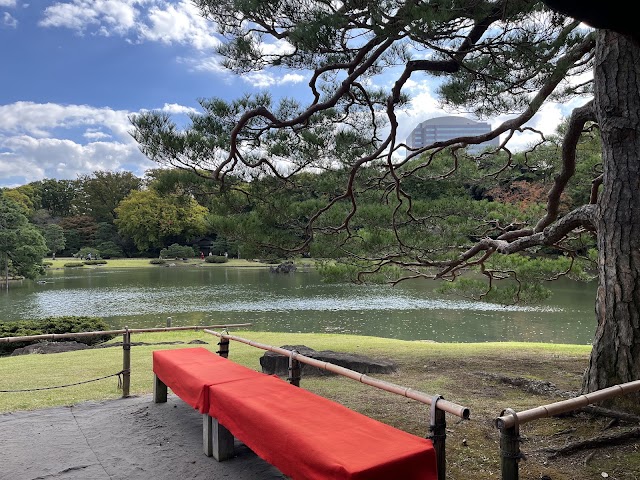
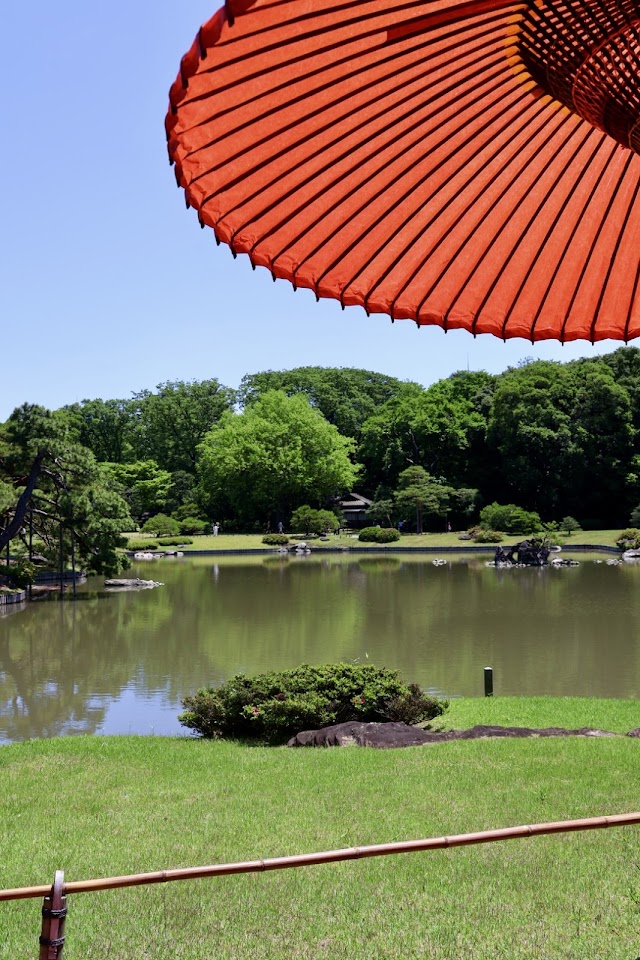
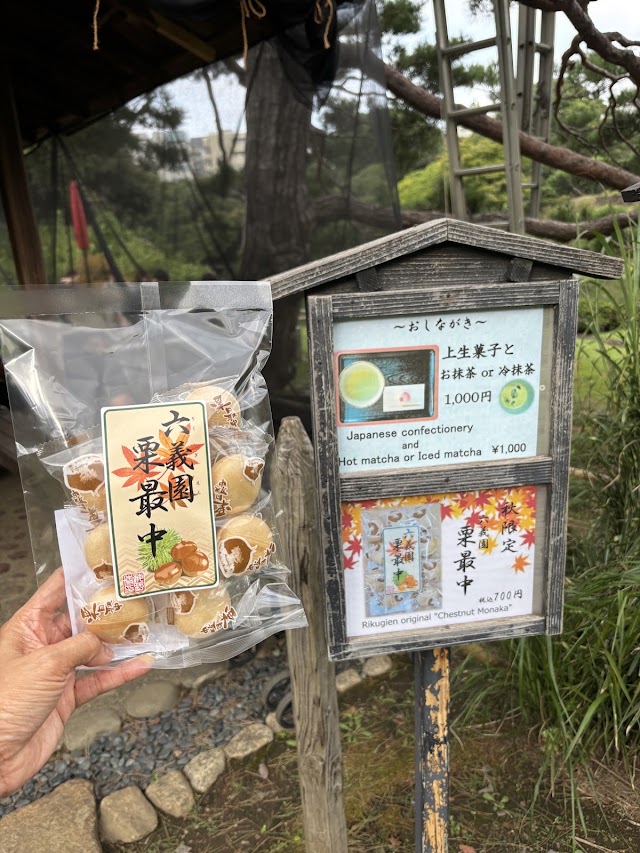
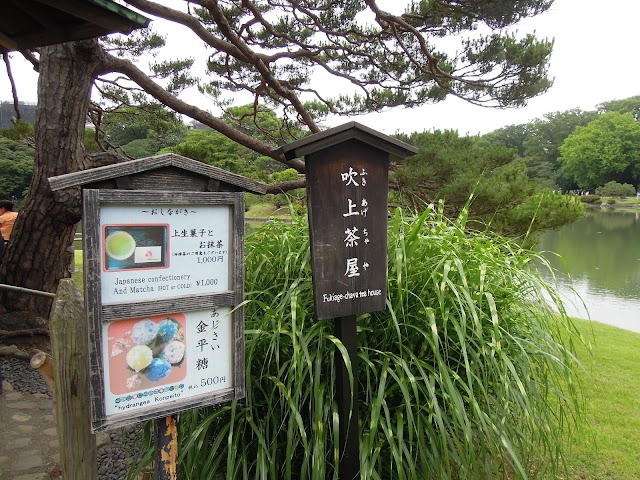
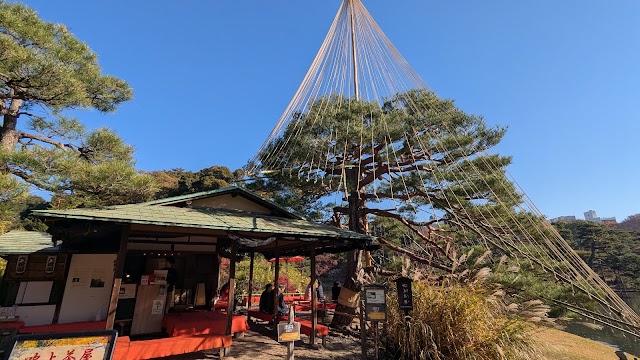
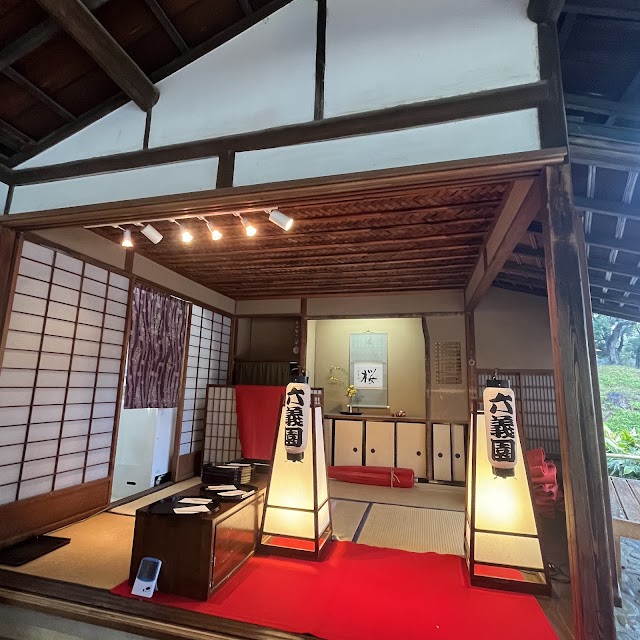
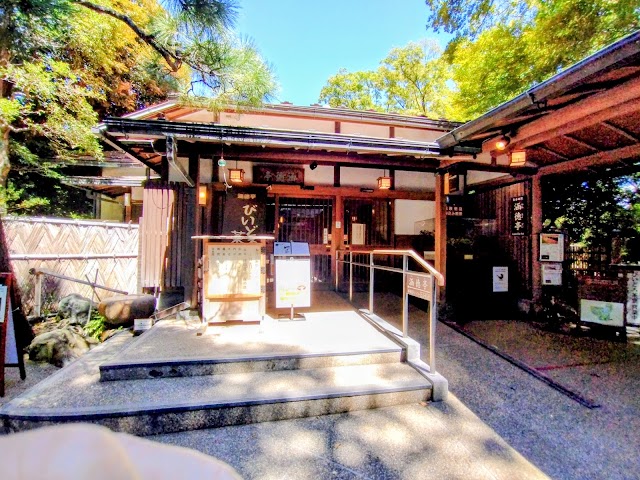
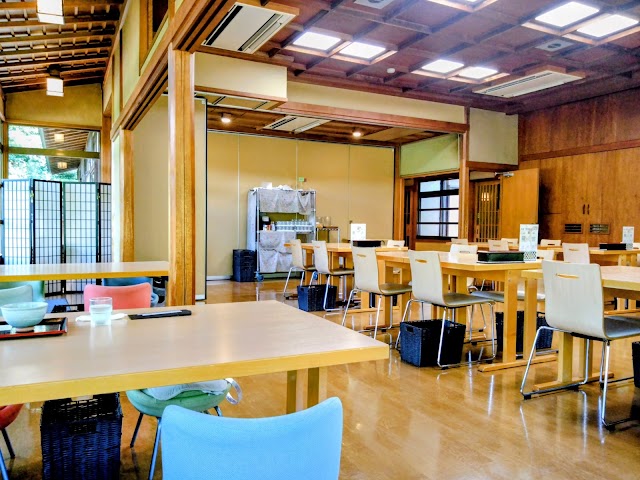
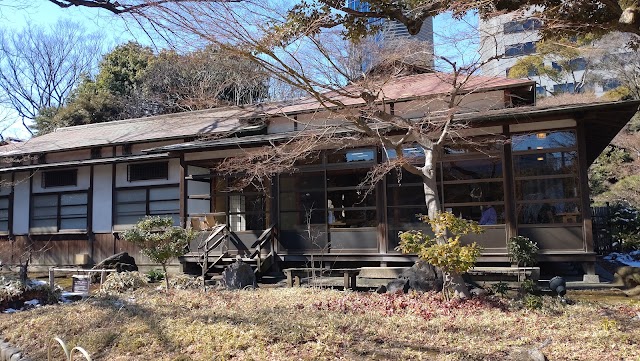
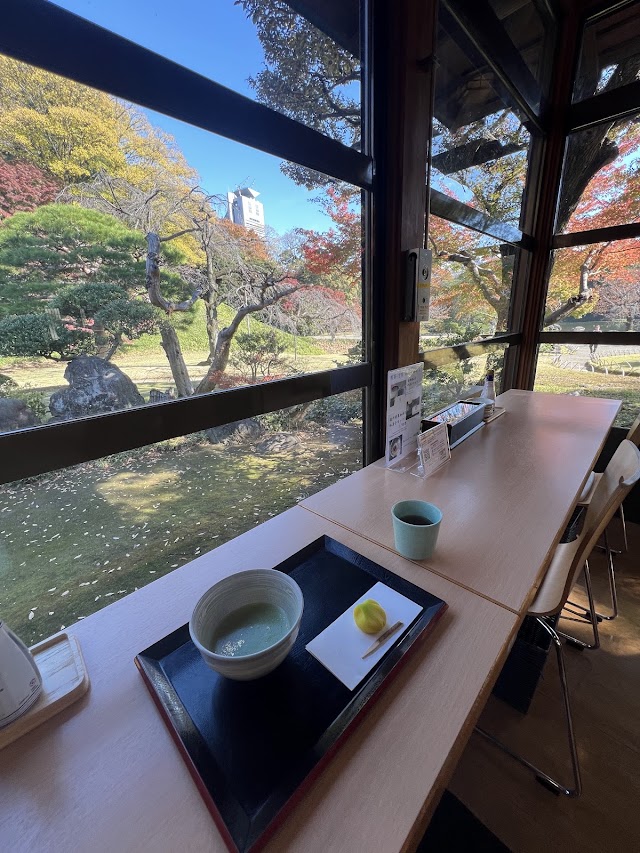
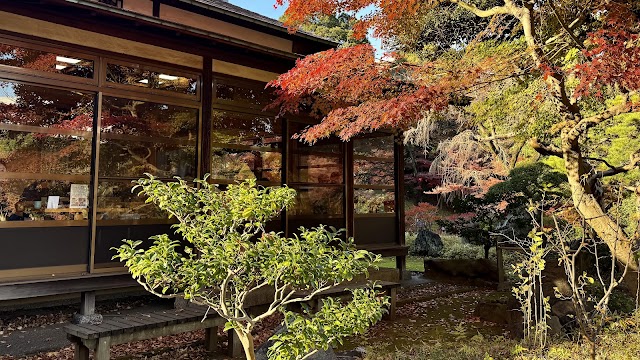
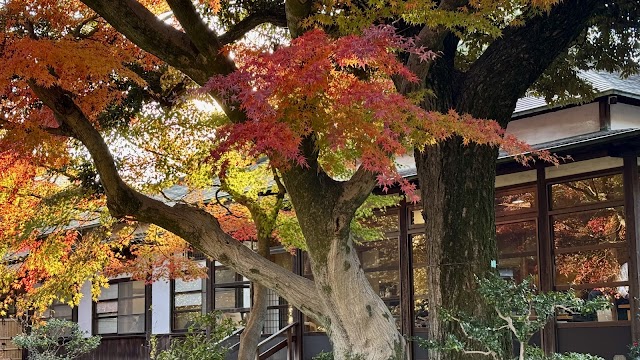
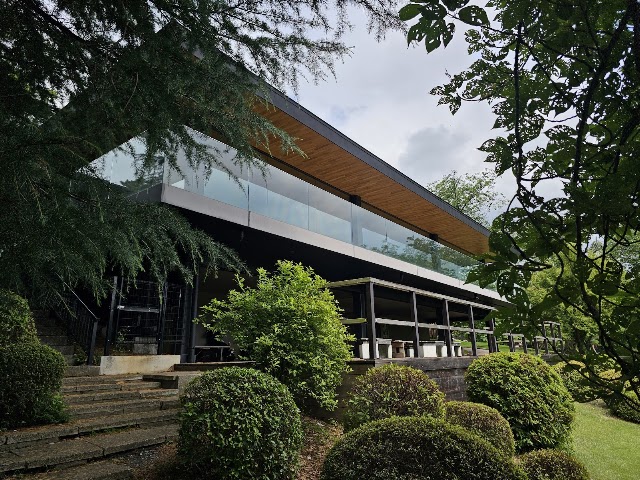
- Garden tea houses (quiet viewing): Fukiage-chaya at Rikugien (Komagome, nighttime lighting at peak), Biidoro Sabo at Koishikawa Korakuen (Iidabashi, full glass wall, most comfortable indoors), Koyotei at Tonogayato (Kokubunji, bluff-line garden away from crowds)
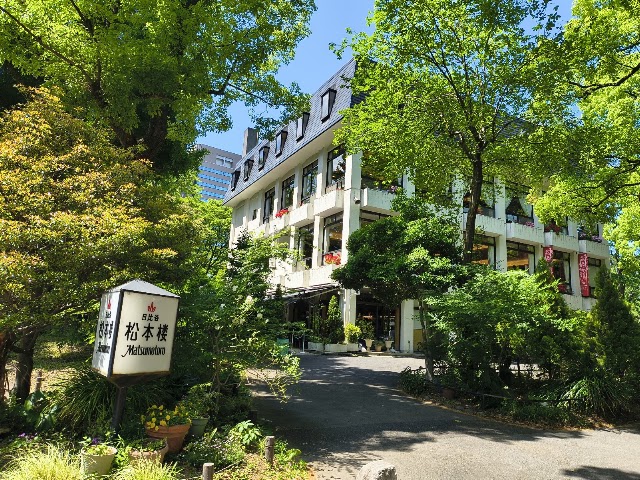
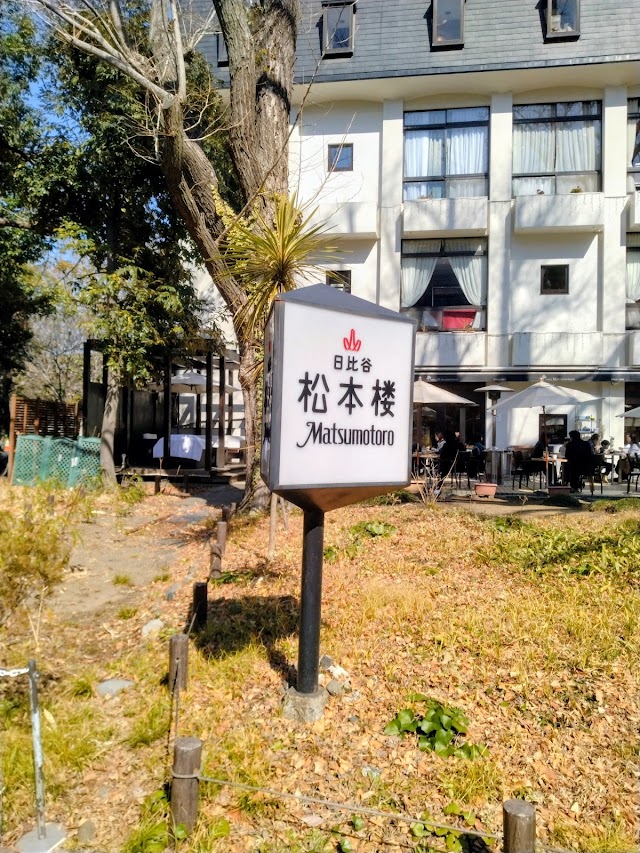
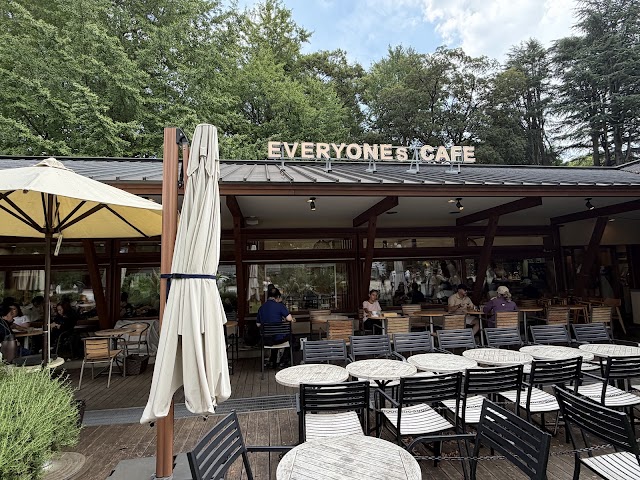
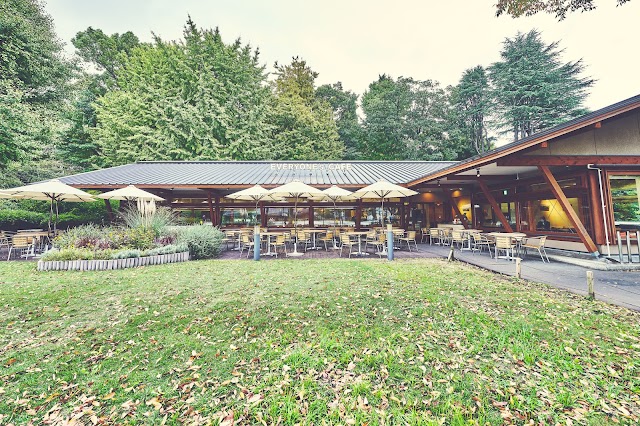
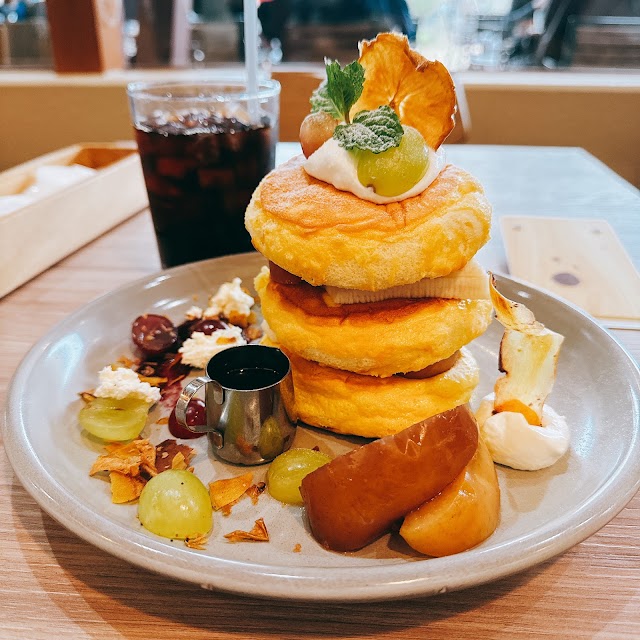
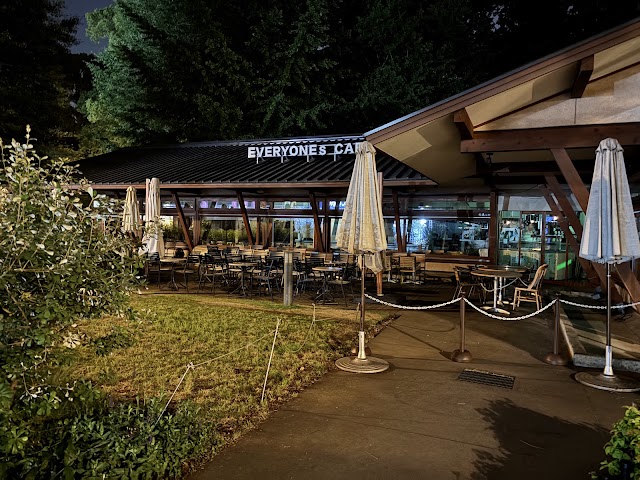
- Scenic park restaurants (leaves plus a meal): Hibiya Matsumotoro (1903 yoshoku, 500-year 'Kubikake Icho' ginkgo, book the terrace), KIHACHI Aoyama (Jingu Gaien's ~300m/146-tree ginkgo tunnel, premium seats), EVERYONE's CAFE Ueno (pet-friendly terrace, family-friendly)
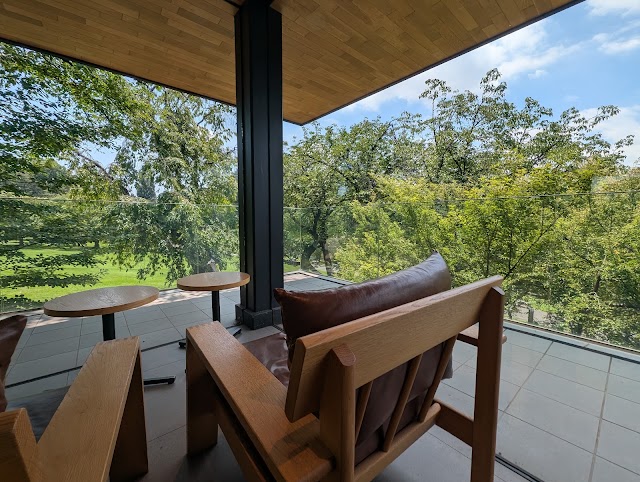
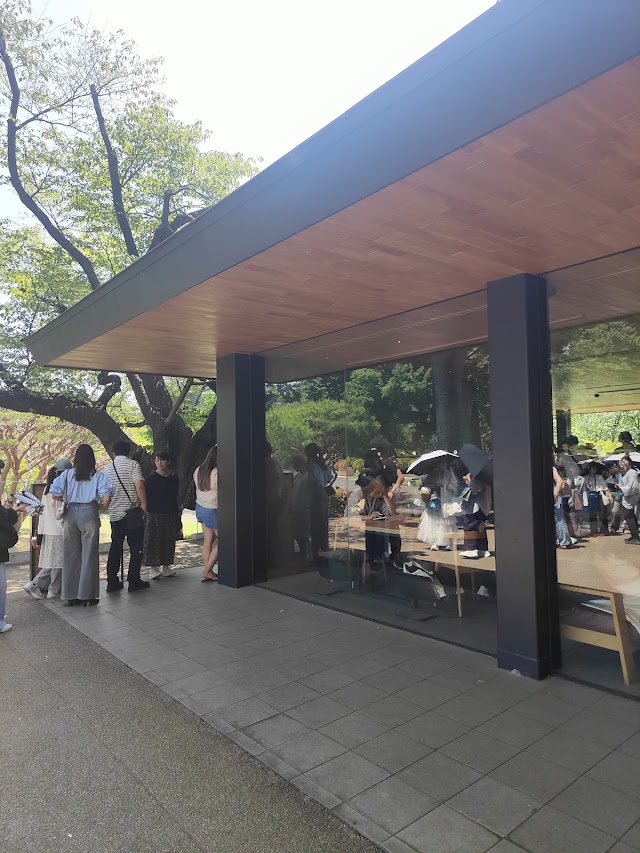
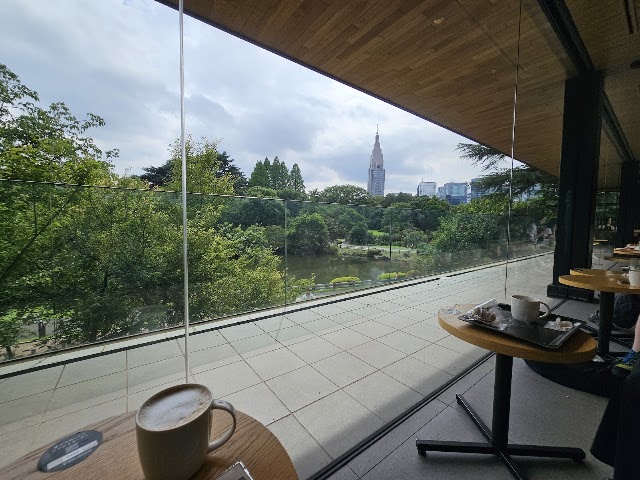
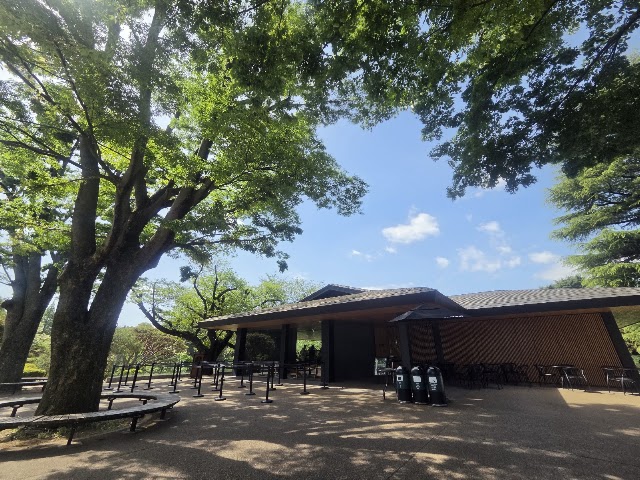
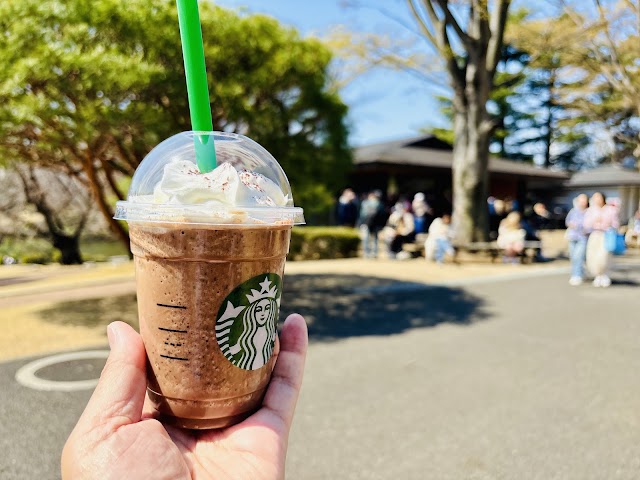
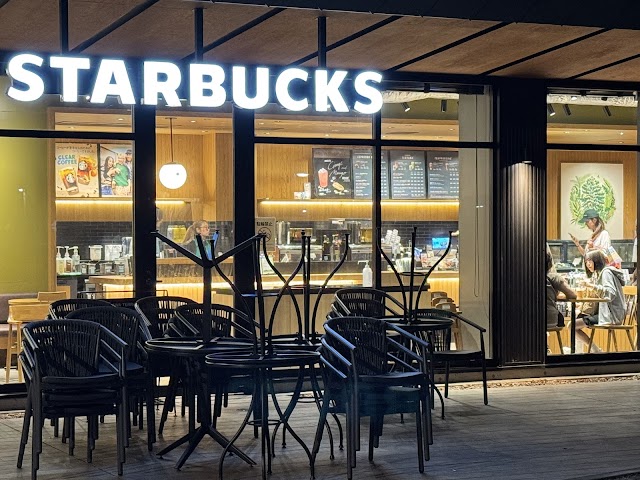
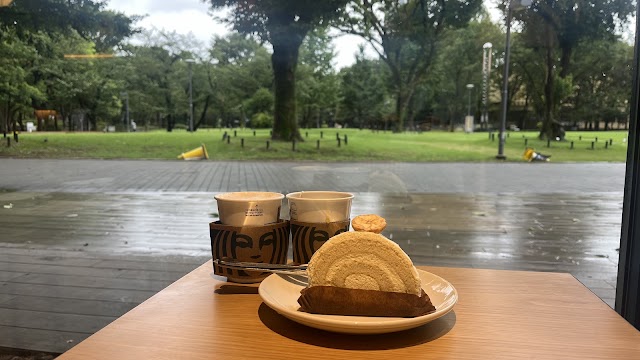
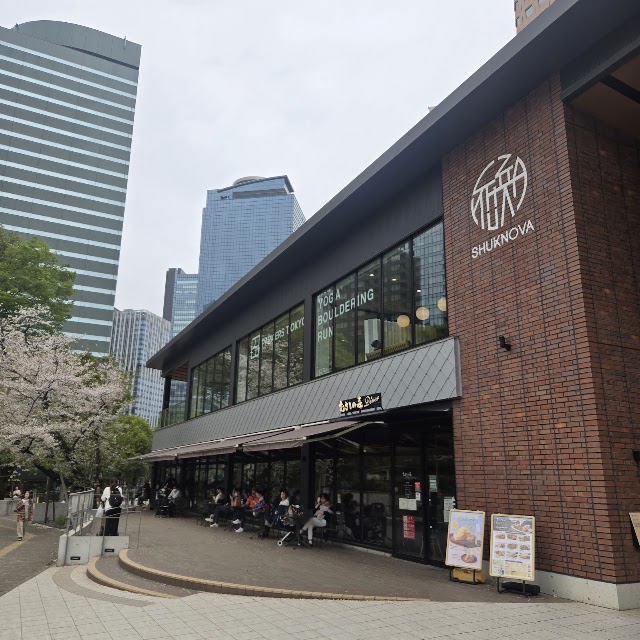
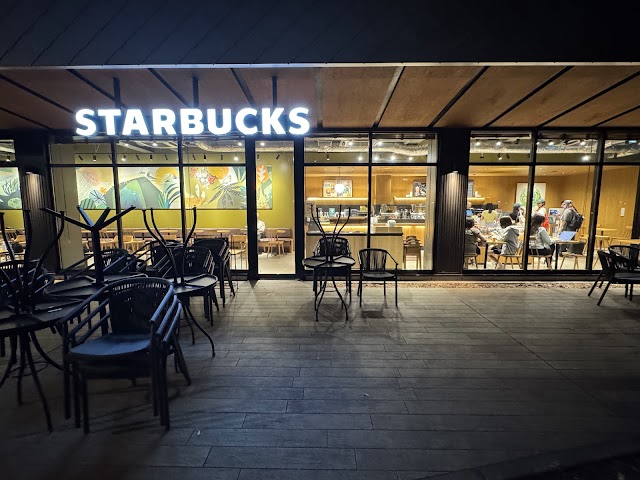
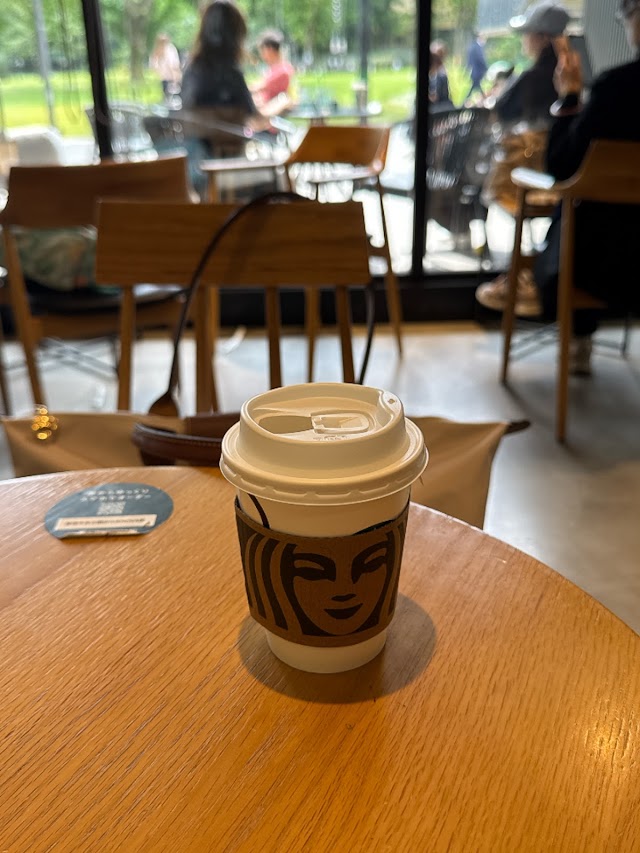
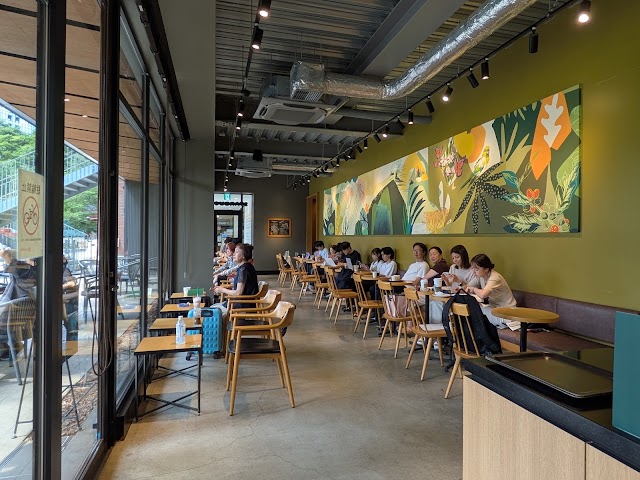
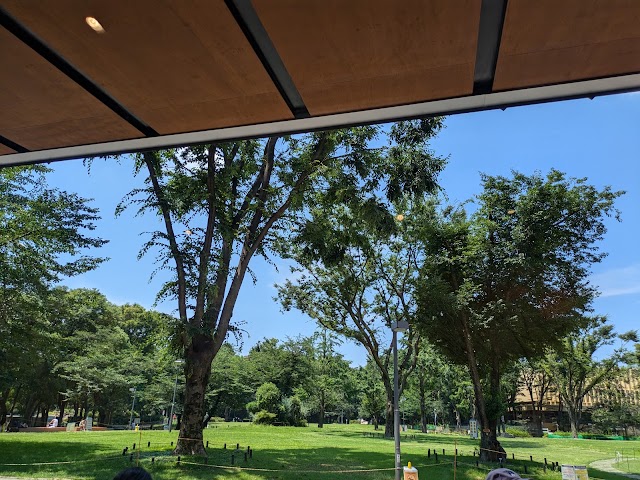
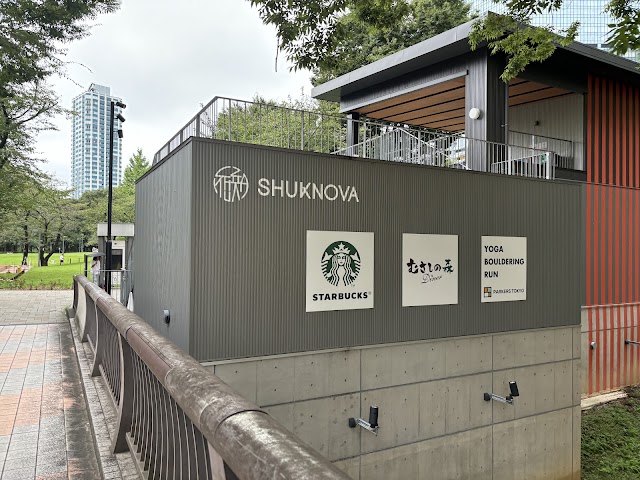
- Modern glass and terraces: Starbucks Shinjuku Gyoen (Japanese-modern glass wall, needs ¥500 garden admission), Starbucks Shinjuku Chuo Park SHUKNOVA (ENGAWA TERRACE, leaves against skyscrapers, free park)
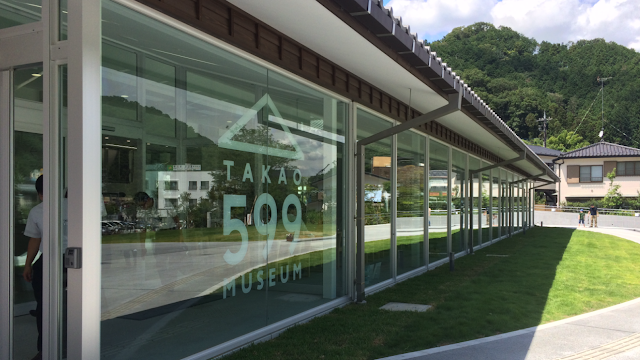
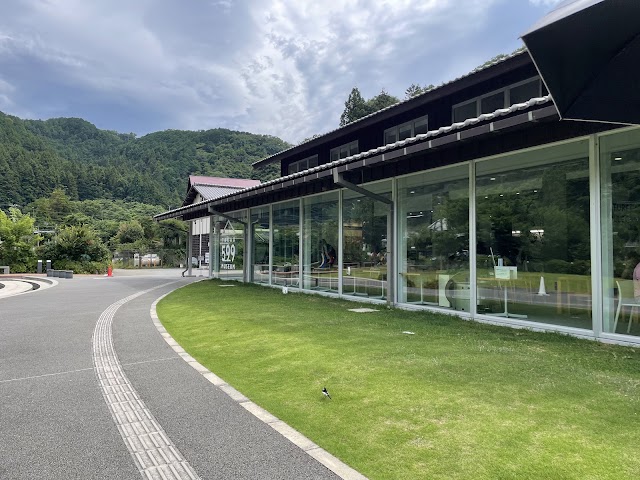
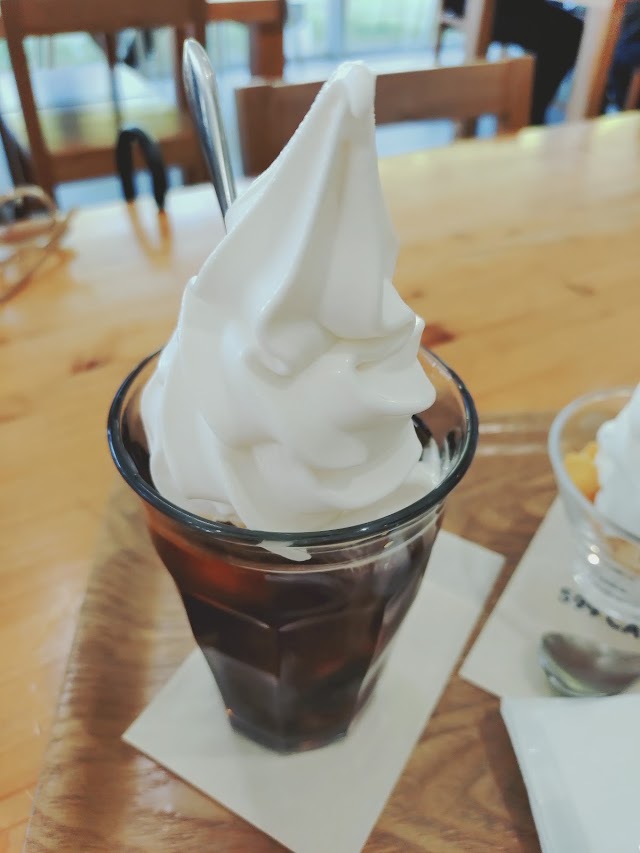
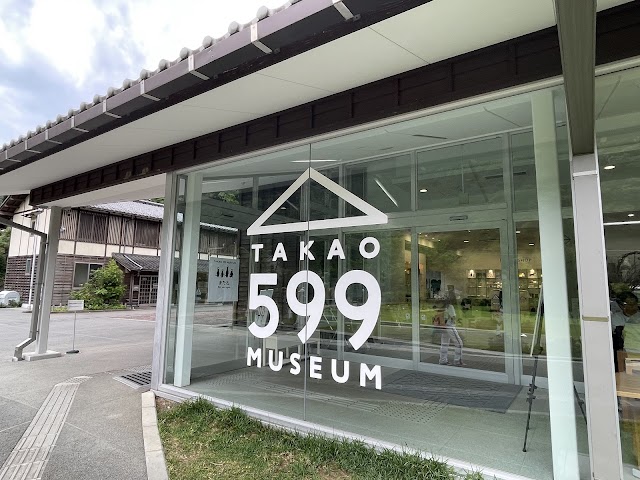
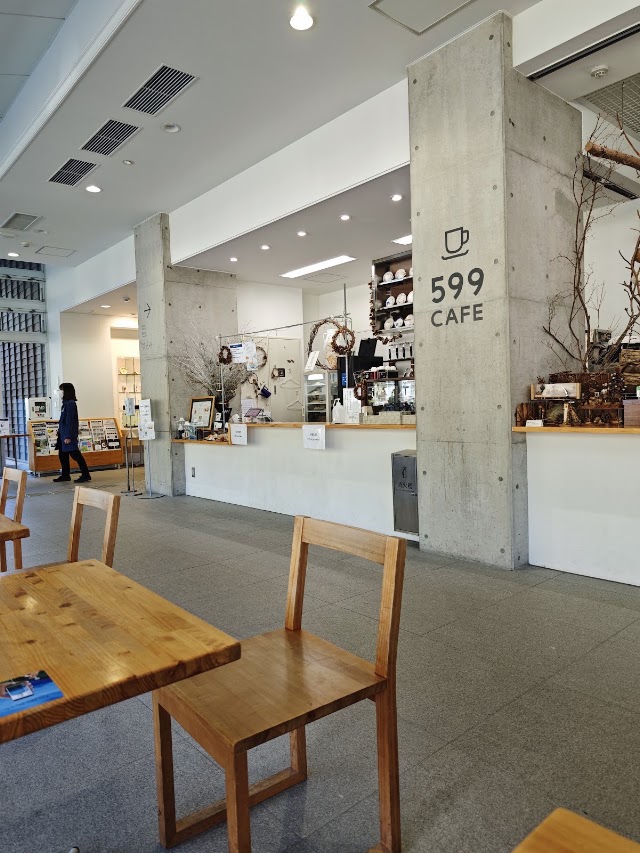
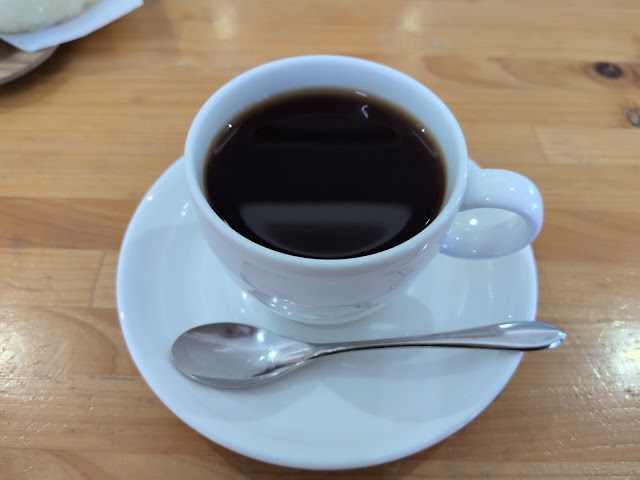
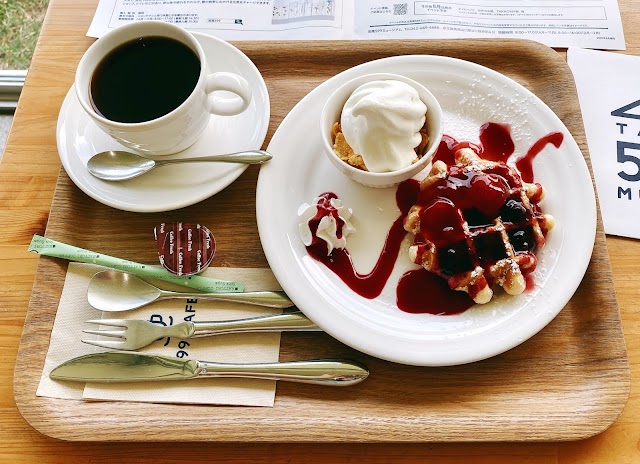
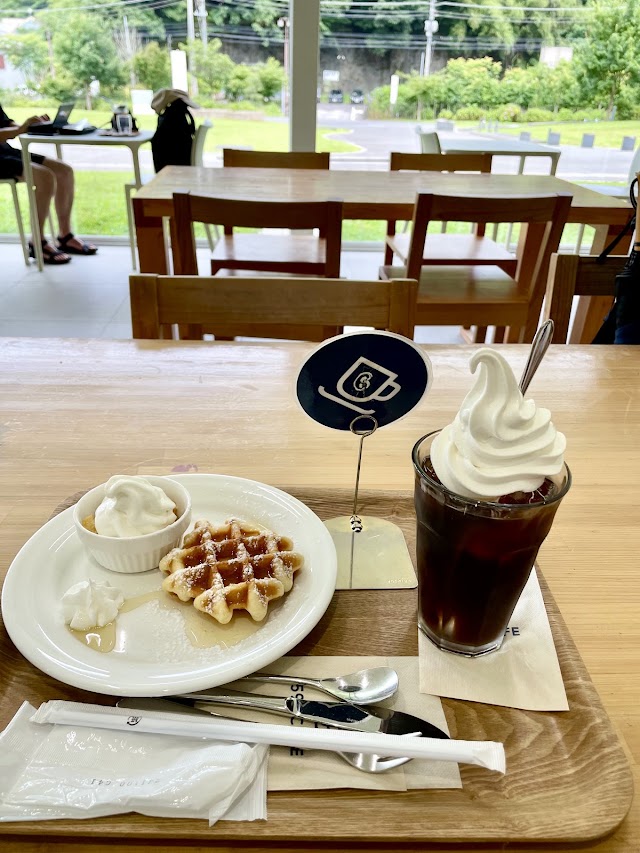
- Suburban finish: TAKAO 599 CAFE (Takaosanguchi, Tama-timber inside the museum, siphon Takao coffee, red mountain after the hike, peak ~mid-late Nov)
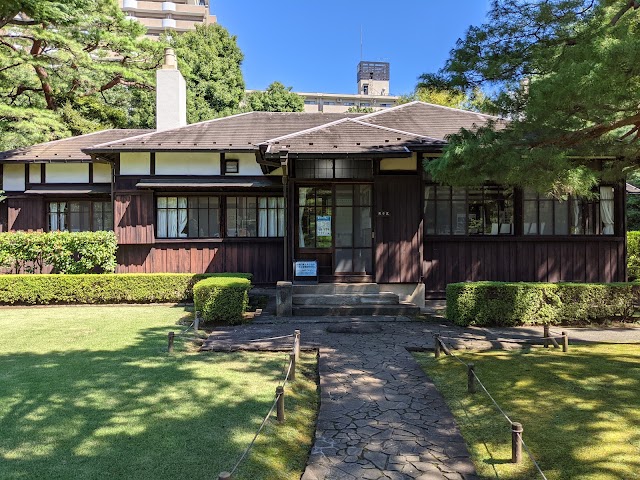
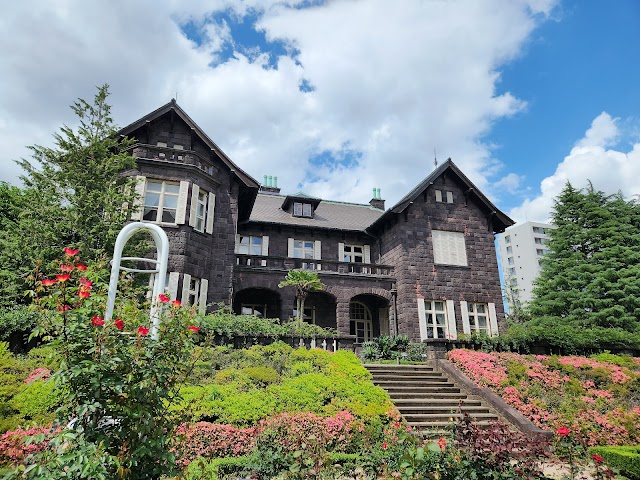
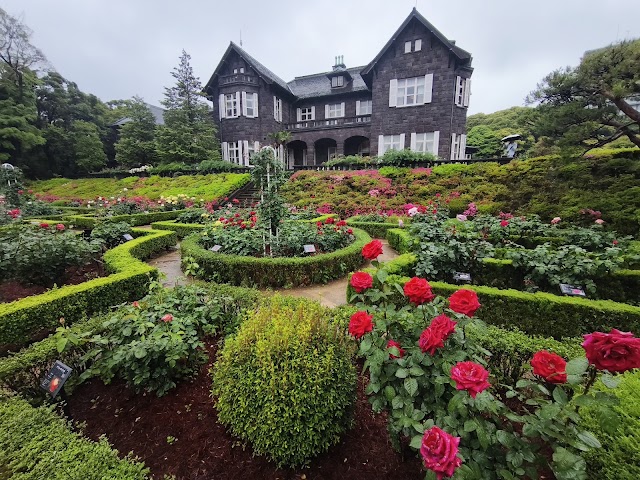
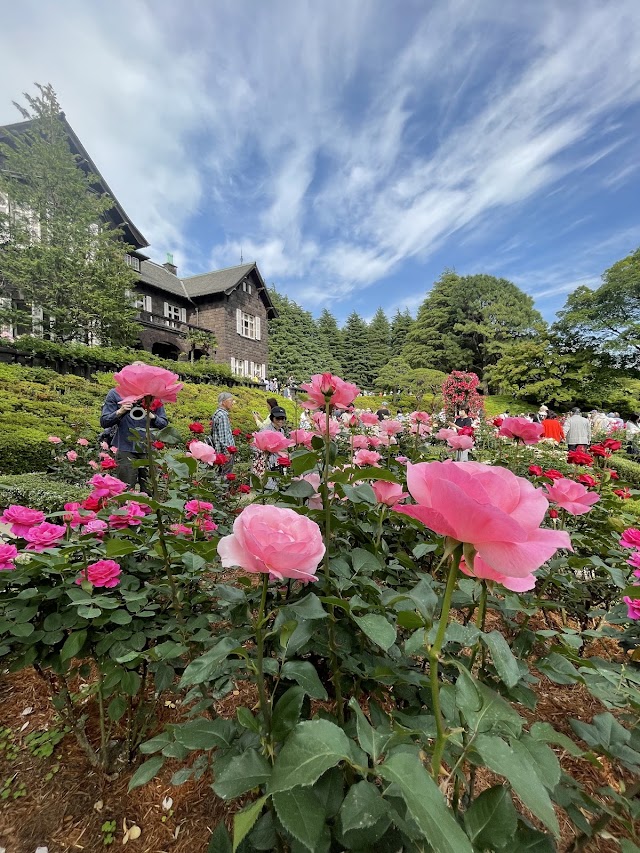
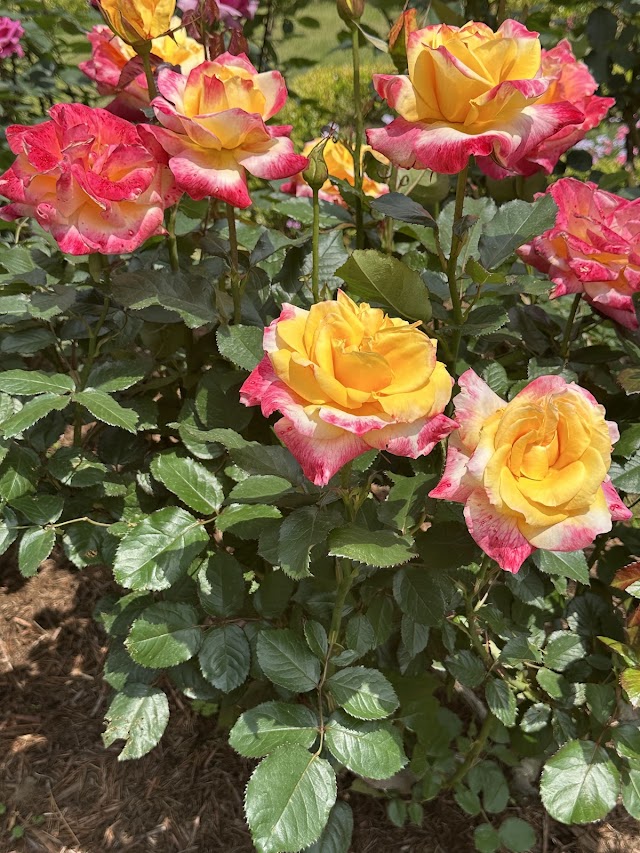
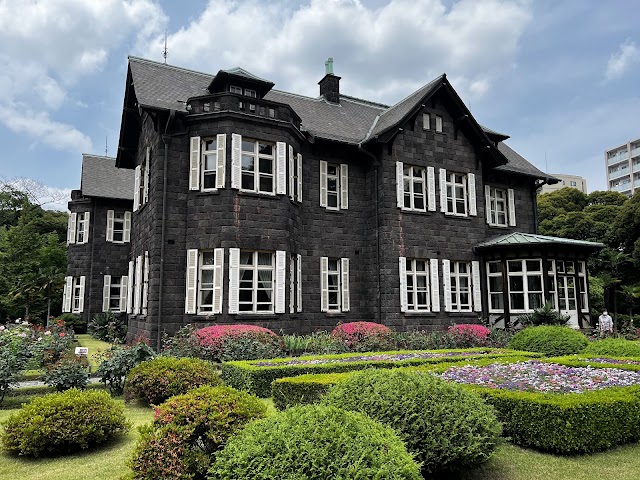
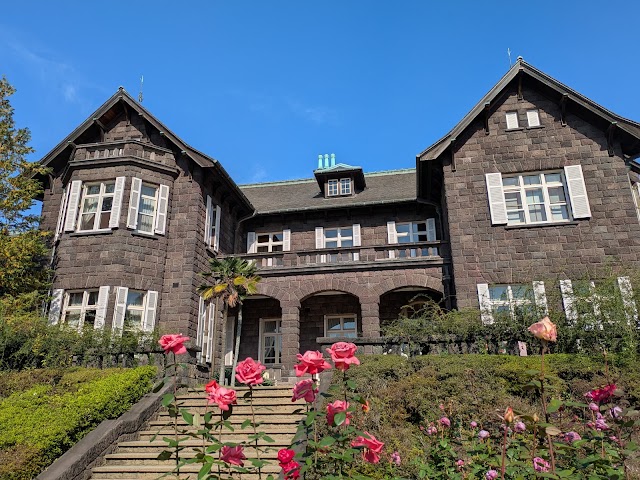
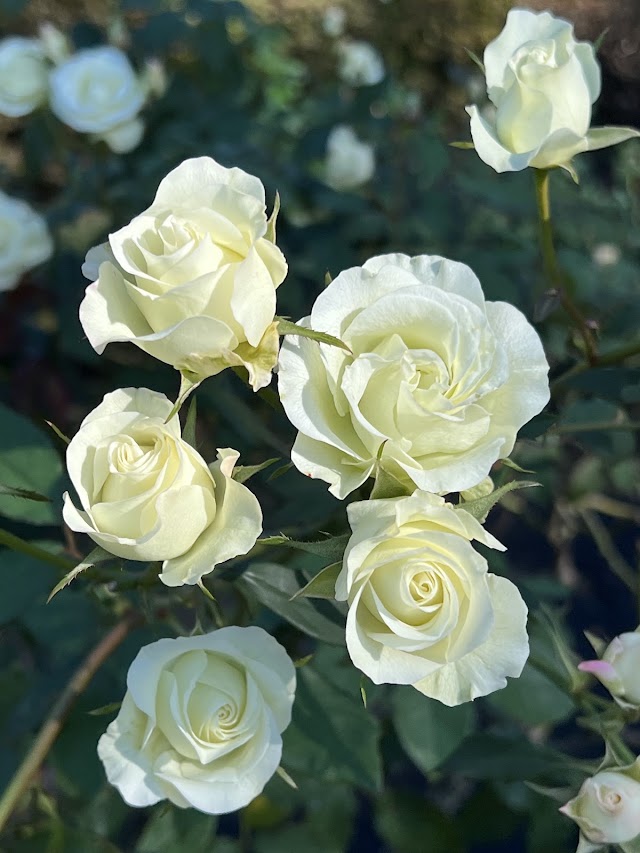
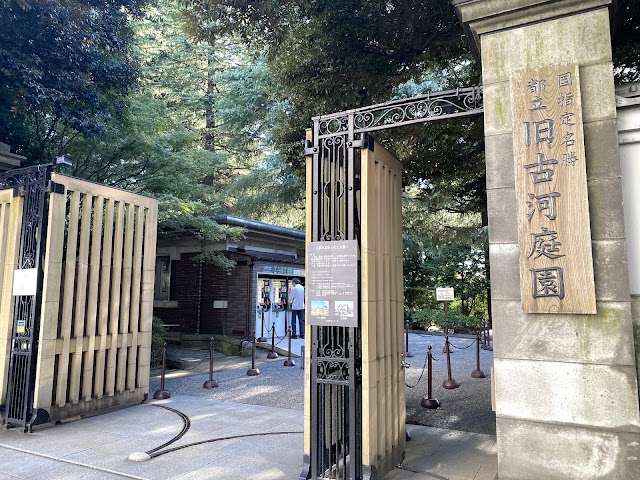
- Japanese-Western bonus: Kyu-Furukawa Gardens (Kaminakazato/Nishigahara, Josiah Conder mansion plus late roses and foliage, pair with Rikugien the same day)
- Three questions: quiet or lively, admission or not, near or far; garden tea houses mostly charge and have rules (Gyoen bans alcohol, checks bags), park restaurants are free and relaxed; hours/closures/lighting/tea days per the latest official notices
It is September and Tokyo's leaves have not turned yet — which is exactly why this foliage preview is worth reading now. City-center peak comes later than many visitors expect, mostly late November into early December, ginkgo a little earlier and maple a little later. With two months to spare, understand the timing, choose your spot and book where booking matters, so in autumn you need not stand in the crowds at famous sites — find a table and watch the leaves over a bowl of matcha or a cup of coffee.
This piece gathers ten places where you can view the leaves sitting down, in three characters. First, garden tea houses for pondside maple inside Edo daimyo gardens: Fukiage-chaya at Rikugien (with nighttime lighting at peak), Biidoro Sabo at Koishikawa Korakuen (a wall of glass, most comfortable indoor viewing) and Koyotei at Tonogayato (a bluff-line garden west in Kokubunji, away from crowds). Second, scenic restaurants in parks that combine leaves with a proper meal: Hibiya Matsumotoro (a 1903 Western restaurant with a 500-year ginkgo), KIHACHI Aoyama by Jingu Gaien (premium seats for the golden ginkgo tunnel) and EVERYONE's CAFE in Ueno Park (a pet-friendly terrace, easy for families). Third, modern cafes of glass and terraces: the Starbucks inside Shinjuku Gyoen (Japanese-modern, a window as picture frame) and the SHUKNOVA store in Shinjuku Chuo Park (leaves against skyscrapers). One suburban finish: TAKAO 599 CAFE at Takaosanguchi, for a hot coffee after the descent facing a red mountain.
When choosing, ask three things: quiet or lively, admission or not, near or far from a station. Garden tea houses (Rikugien, Korakuen, Tonogayato, Gyoen) mostly charge admission and have more rules, but reward you with the best turf and quietest scenes; Matsumotoro, Ueno and Shinjuku Chuo Park are free and relaxed. In short: decide whether you want golden ginkgo or fiery maple, quiet viewing or a casual drop-in, then pick — and autumn Tokyo plans itself.
1. Get the timing right — Tokyo peaks later than you think, and September is booking season, not viewing season. The common visitor mistake is leaving in mid-October and finding everything green. City-center peak mostly runs late November into early December, ginkgo a touch earlier (yellowing from about mid-November) and maple a touch later. So the right use of this piece in September is to memorize the timeline — the Jingu Gaien ginkgo avenue around mid-to-late November, garden maples late November into early December — then decide which color you want and where. For places that take bookings (Matsumotoro's terrace, KIHACHI, garden nighttime lighting), circle the dates now; they get harder to reserve closer to peak.
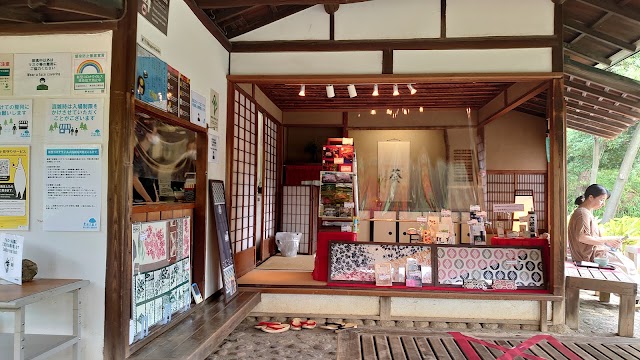
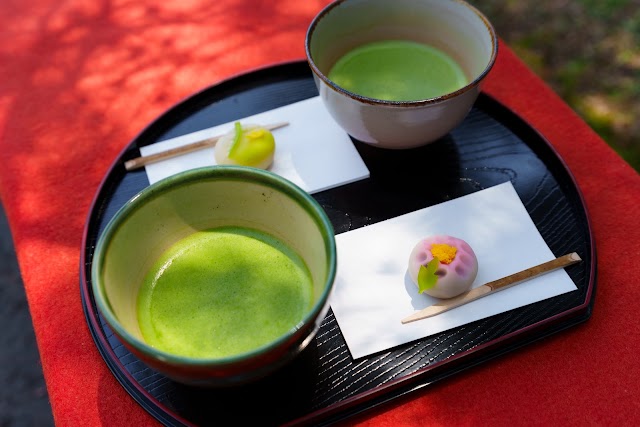
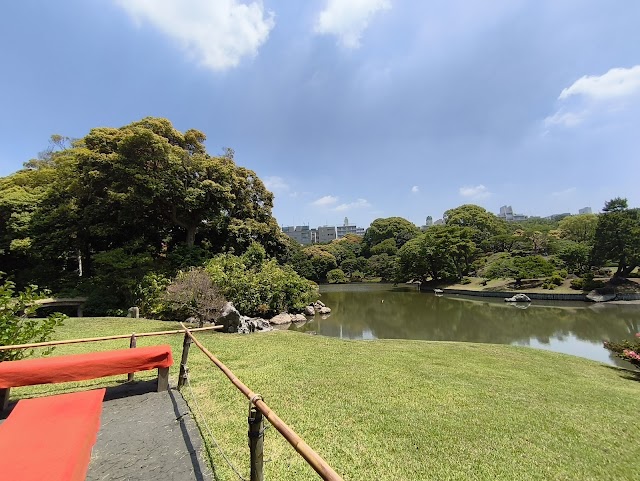
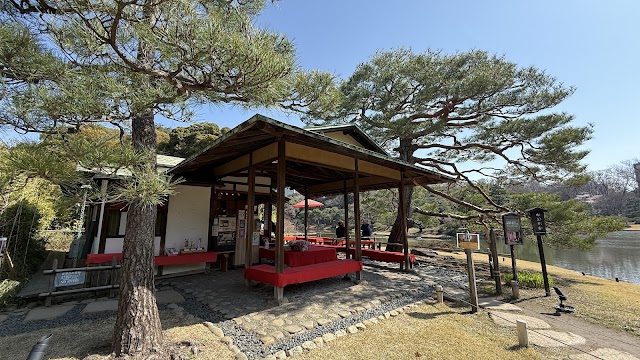
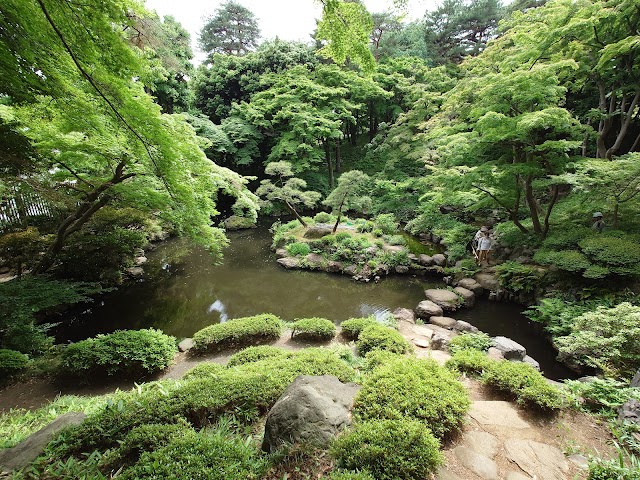
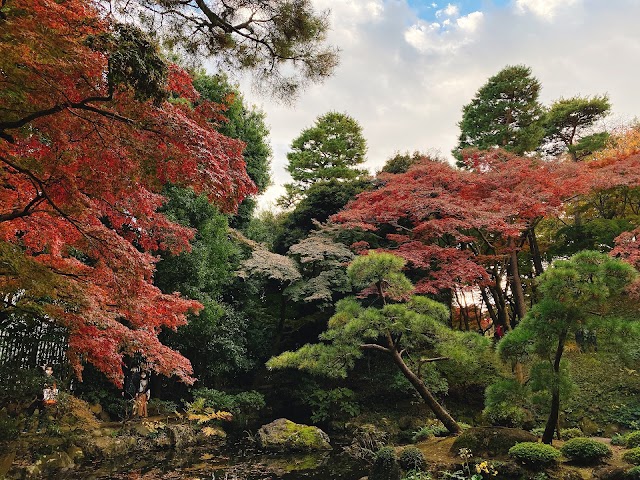
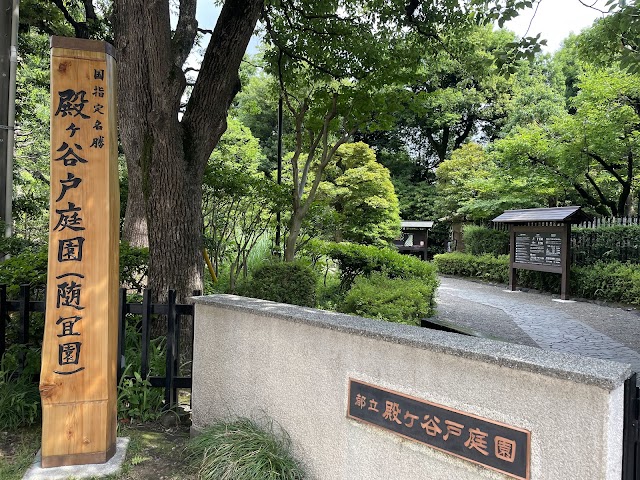
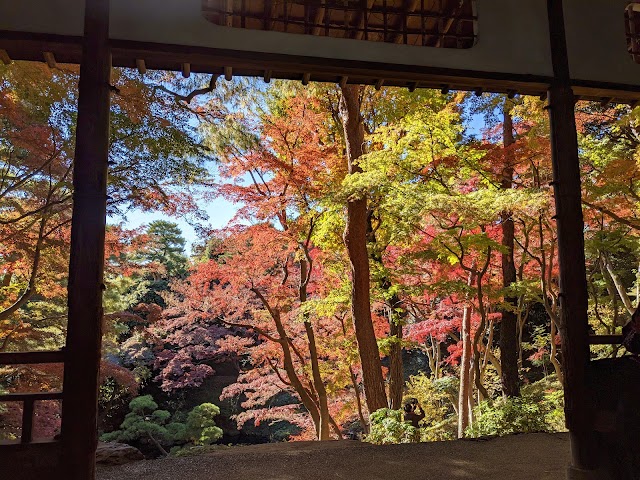
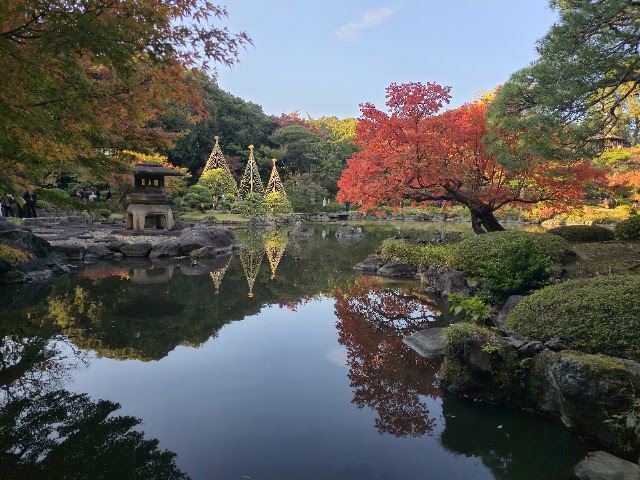
2. Garden tea houses — pondside maple inside Edo daimyo gardens, the most classic quiet viewing. If you pick one way to enjoy the leaves, the Japanese favorite is garden plus matcha. All three are metropolitan cultural-property gardens with distinct characters. Fukiage-chaya at Rikugien (Komagome) sits by the pond in a strolling garden from the fifth shogun's era, a Special Place of Scenic Beauty, famous for special nighttime lighting at peak. Biidoro Sabo at Koishikawa Korakuen (Iidabashi) is the most comfortable, inside the Edo-era Kantokutei with a full glass wall — best for cold or sun, elderly companions or children, viewing through the window in a heated room. Koyotei at Tonogayato (Kokubunji) is the crowd-avoider, a spring-fed garden on the Musashino bluff line, where you look down from a sukiya tea house at the iroha maples by the Jiro Benten pond.
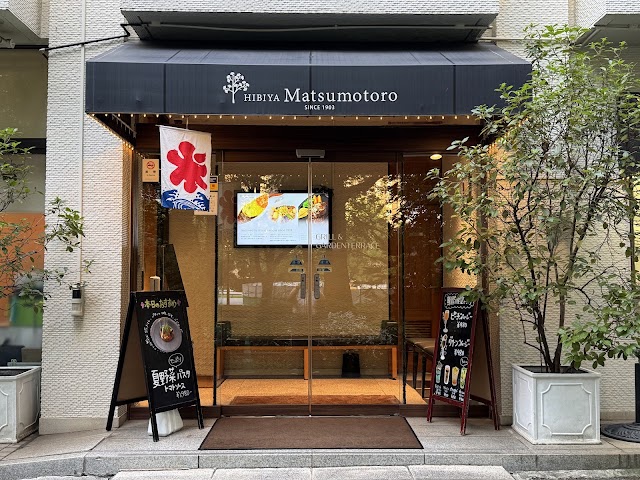
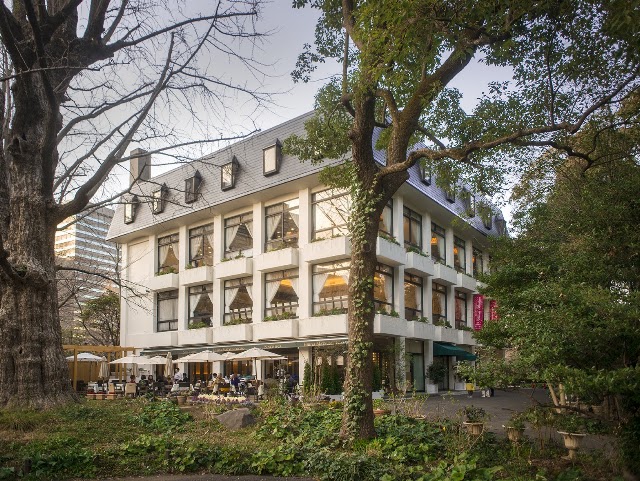
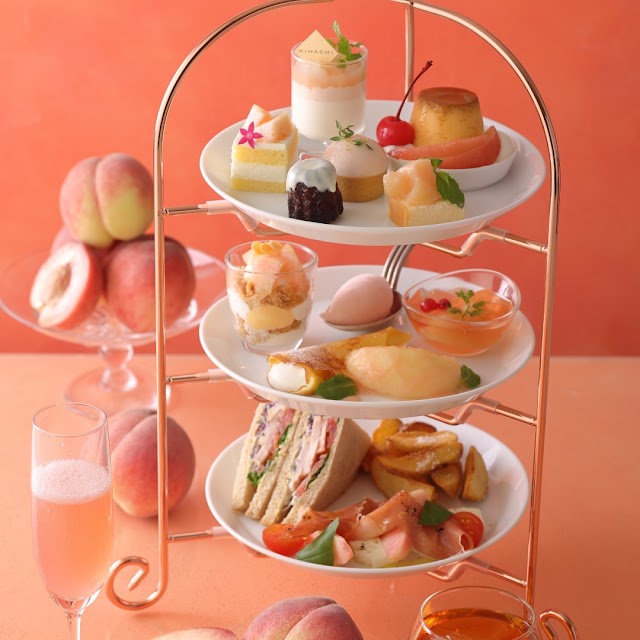
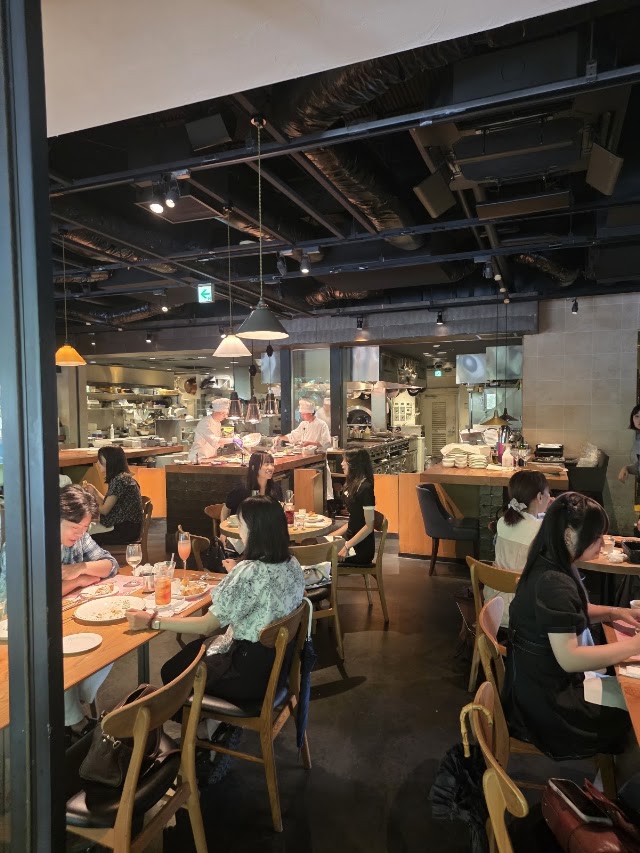
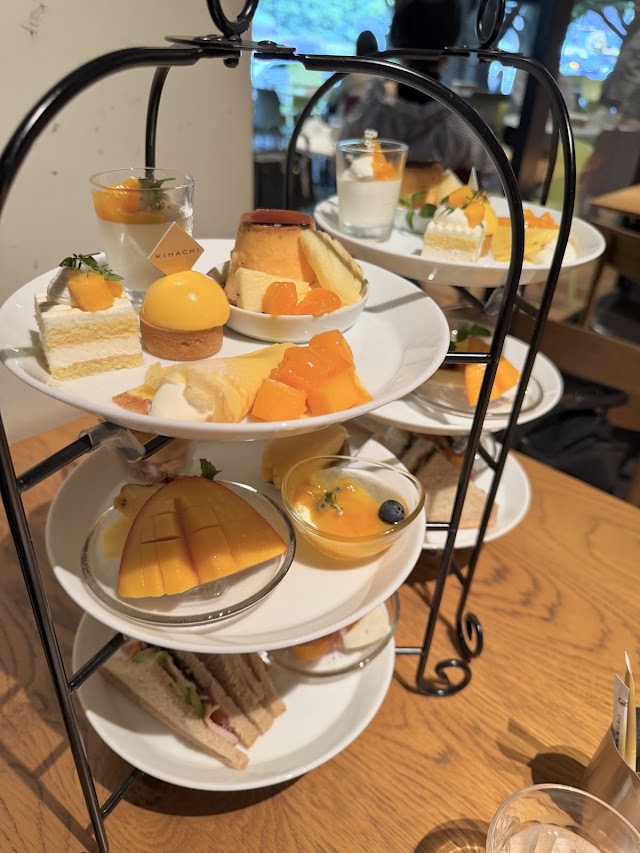
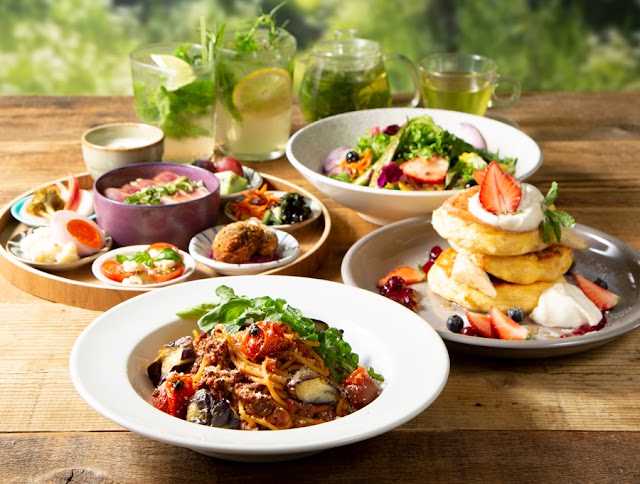
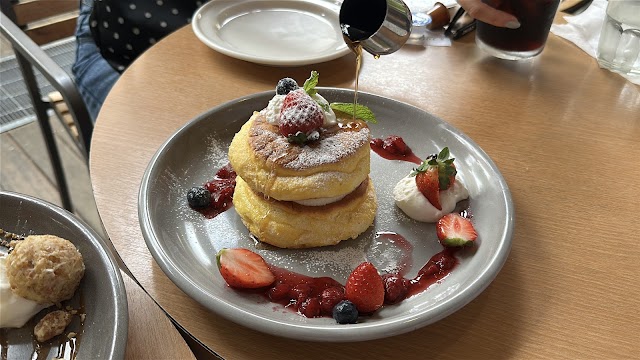
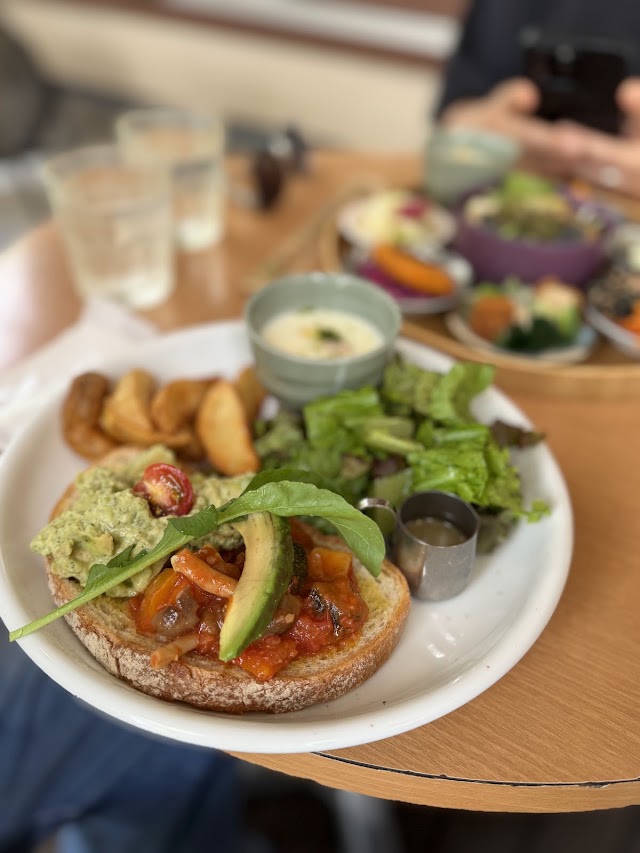
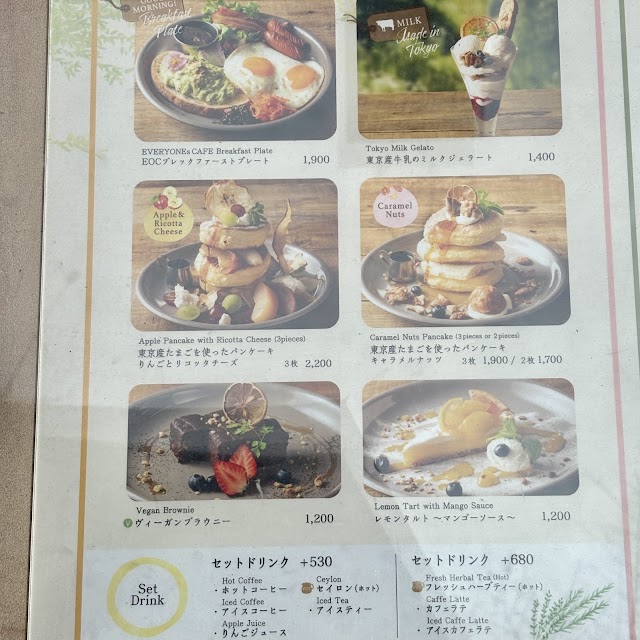
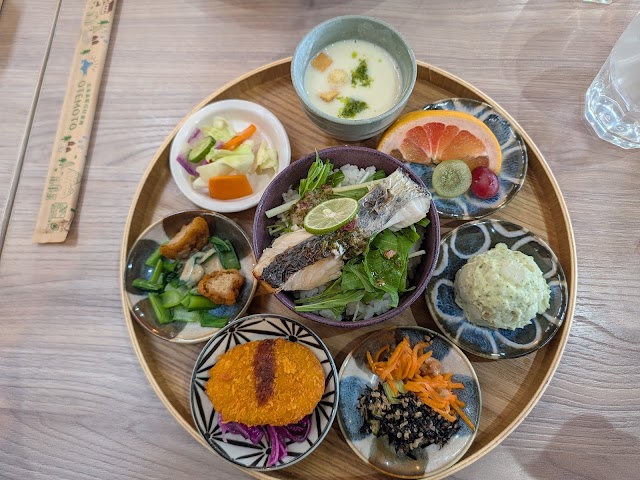
3. Scenic restaurants in parks — combine leaves with a proper meal. Hibiya Matsumotoro (Hibiya Park) opened in 1903 with Japan's first Western park; by its terrace stands a 500-year ginkgo, the 'Kubikake Icho' that the landscape architect Seiroku Honda saved by transplant when a road was widened, gold in autumn beside maples — a rare mature scene downtown, so book the terrace in season. KIHACHI Aoyama (Gaiemmae) sits beside the roughly 300-meter, 146-tree Jingu Gaien ginkgo avenue with premium terrace and indoor seats and a seasonal afternoon tea; the redevelopment is under way but the main avenue on the Aoyama-dori side is being preserved. EVERYONE's CAFE (Ueno Park) features local Tokyo vegetables and a pet-friendly terrace, with zelkova, ginkgo and camphor coloring — on the way after the museums and zoo, best for families.
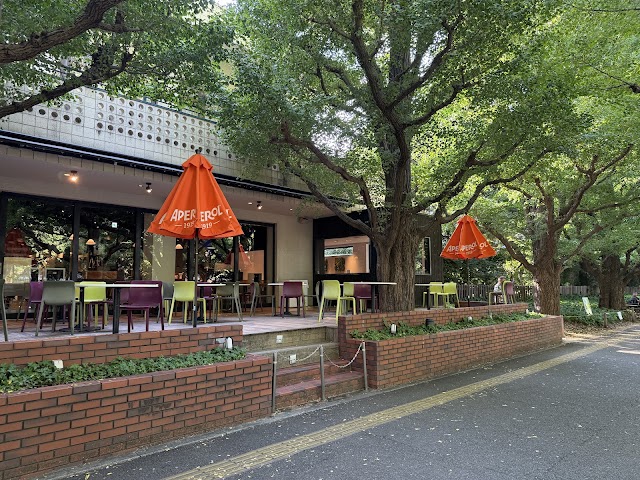
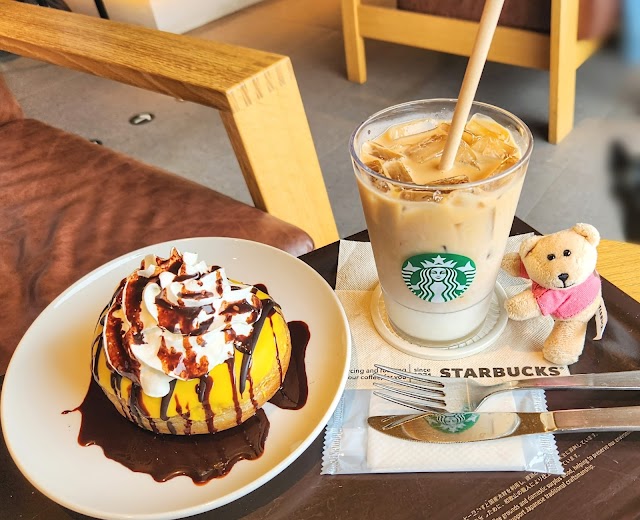
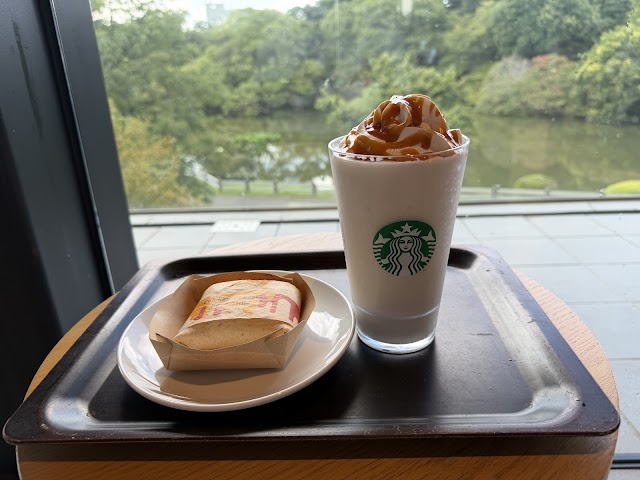
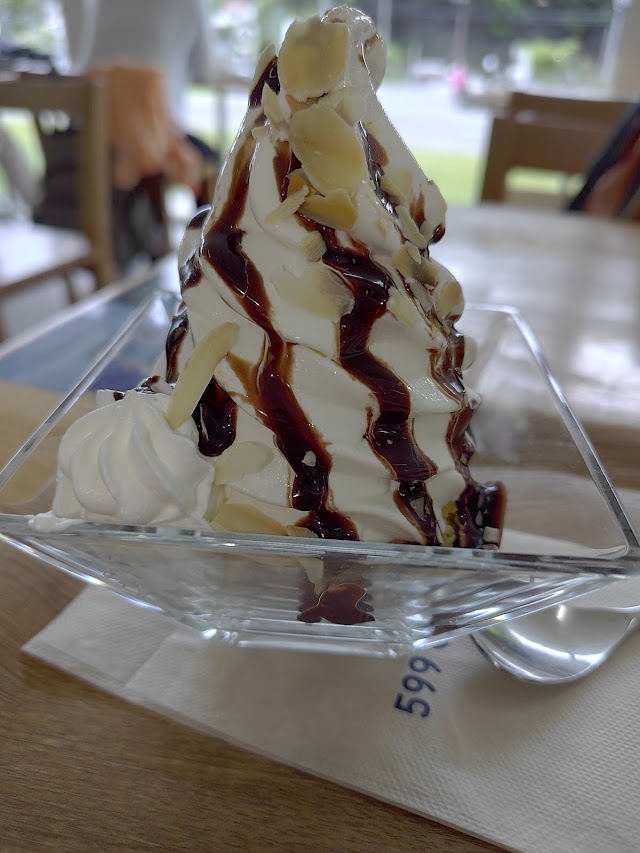
4. Modern cafes of glass and terraces, plus a suburban finish. For relaxed, photogenic viewing with no garden etiquette, choose modern cafes; to add a hike, head out of town. The Starbucks inside Shinjuku Gyoen is Japanese-modern with domestic timber and a glass wall framing the garden — but entering means the ¥500 admission, with alcohol banned and bag checks, a quiet-viewing spot. The SHUKNOVA store in Shinjuku Chuo Park (Tochomae) has an outdoor 'ENGAWA TERRACE' for the urban scene of leaves against skyscrapers, free and easiest. For a suburban finish, TAKAO 599 CAFE at Takaosanguchi sits inside TAKAO 599 MUSEUM with Tama-timber furniture and big mountain windows, its siphon 'Takao coffee blend' most soothing after the descent. Three practical notes: book early where needed; garden tea houses mostly charge admission and have more rules (Gyoen bans alcohol and checks bags); the foliage season is Tokyo's most crowded, so go on weekdays and early, and avoid cable-car peaks at Takao. Hours, closures, admission, lighting and tea-service days are all per the latest official notices.
 Scan for map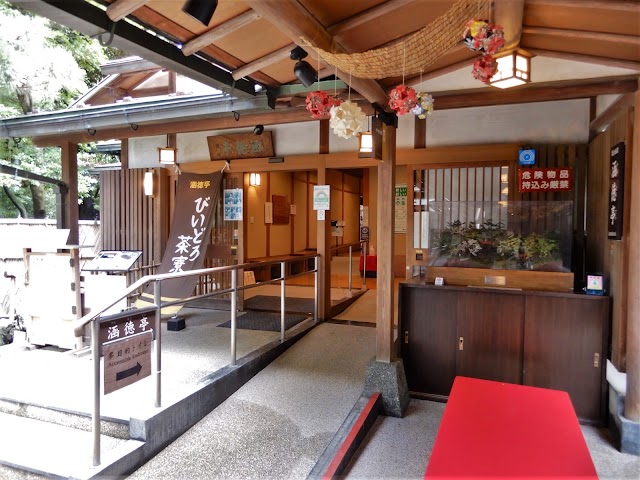
 Scan for map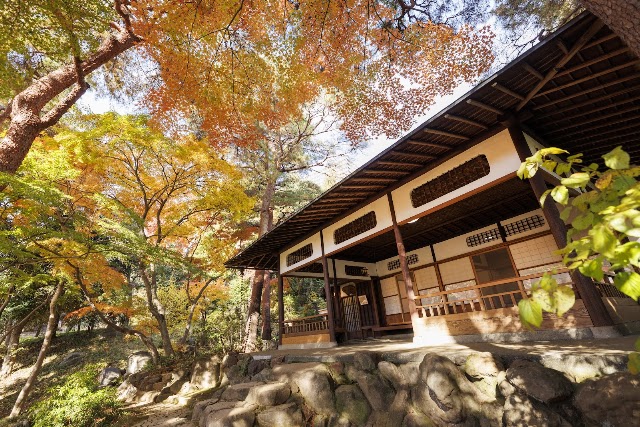
 Scan for map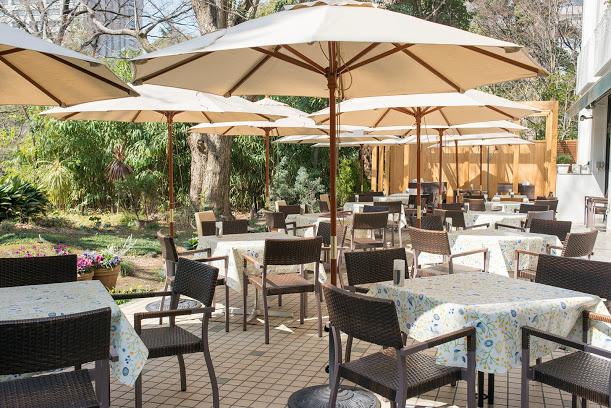
 Scan for map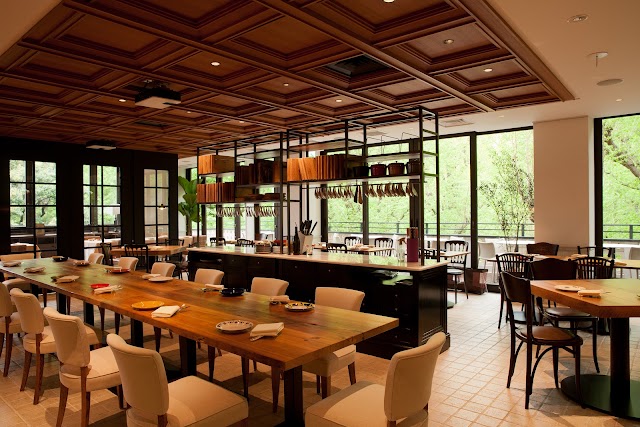
 Scan for map
 Scan for map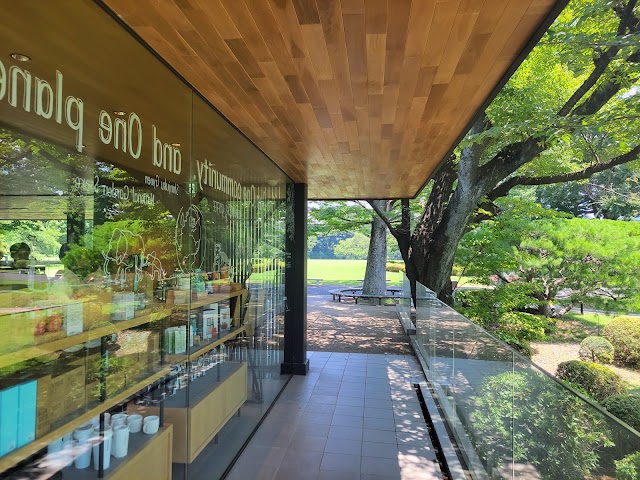
 Scan for map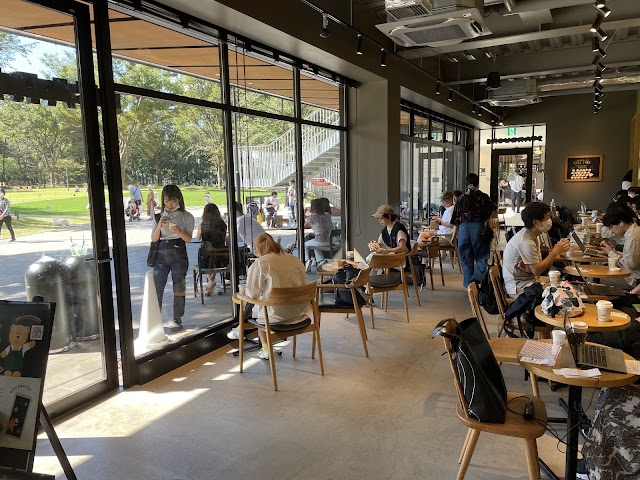
 Scan for map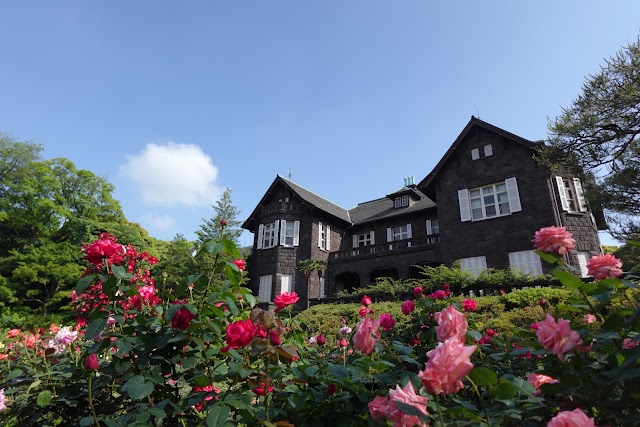
 Scan for map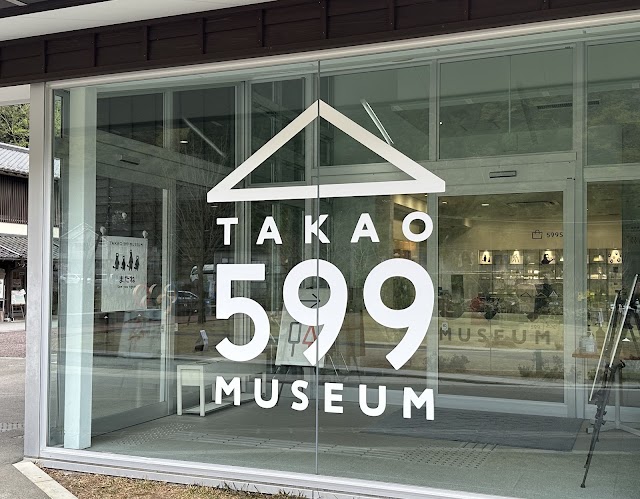
 Scan for map