Freshly-Piped Waguri or Old-School Marron? Eight Tokyo Mont Blanc and Chestnut Sweets — Taste Both Schools This New-Chestnut Season
- Two schools first: fresh-piped waguri (domestic chestnut, piped ~1mm to order, no liqueur, best within an hour) vs. Western classic (dense, sweeter French paste that keeps)—decide which before planning
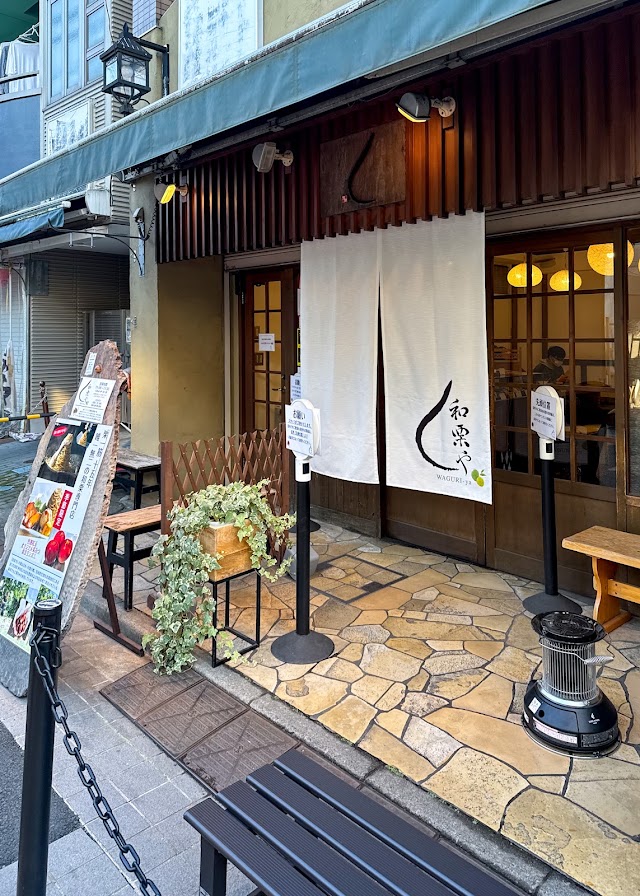
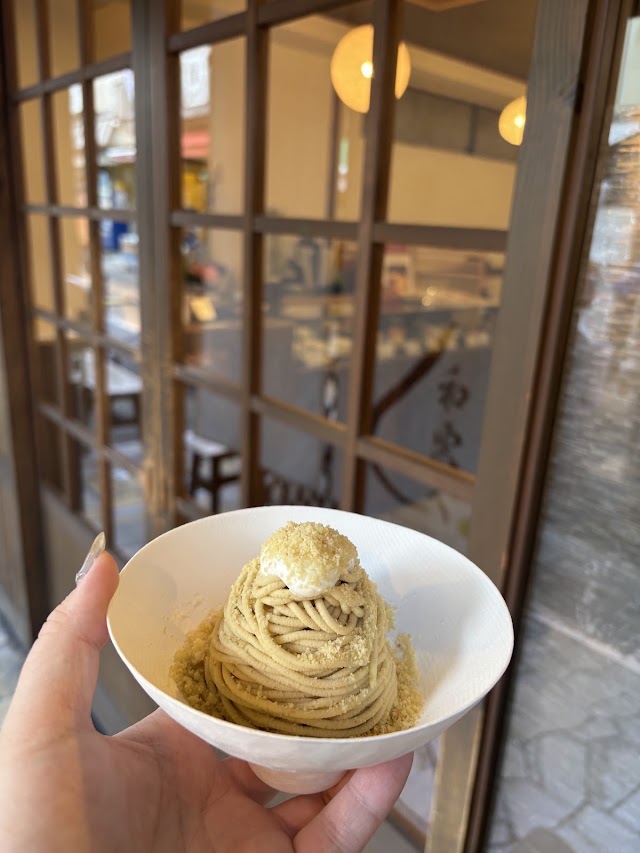
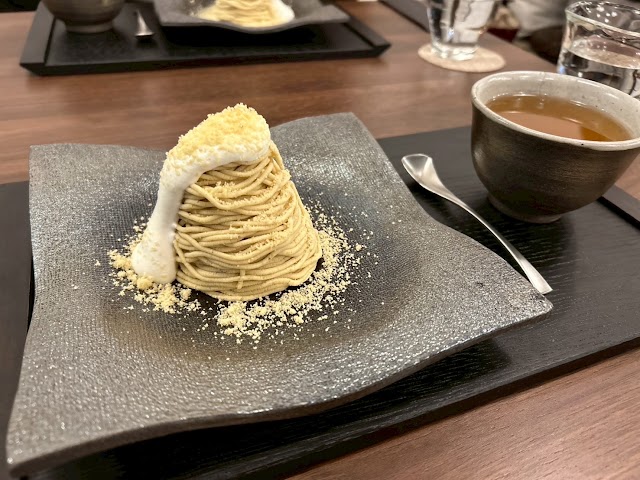
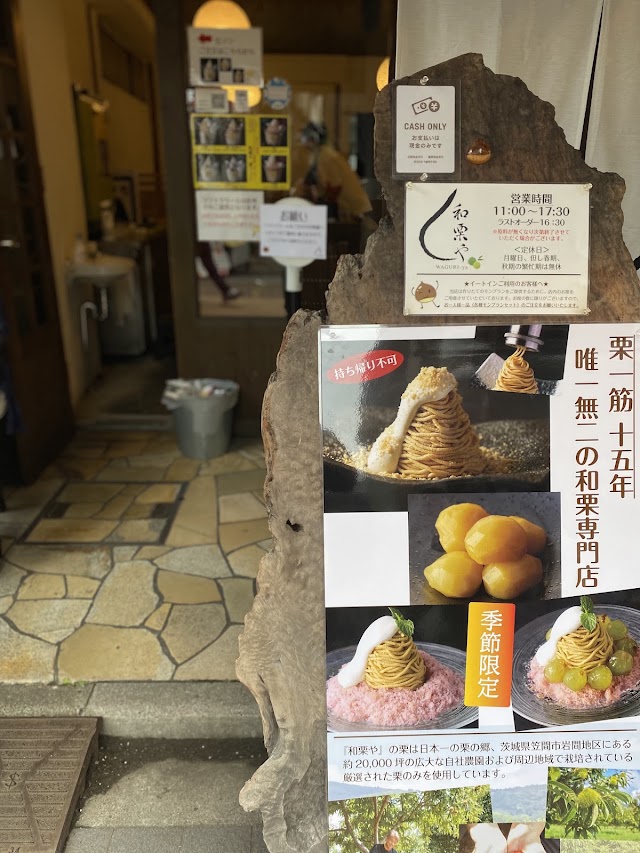
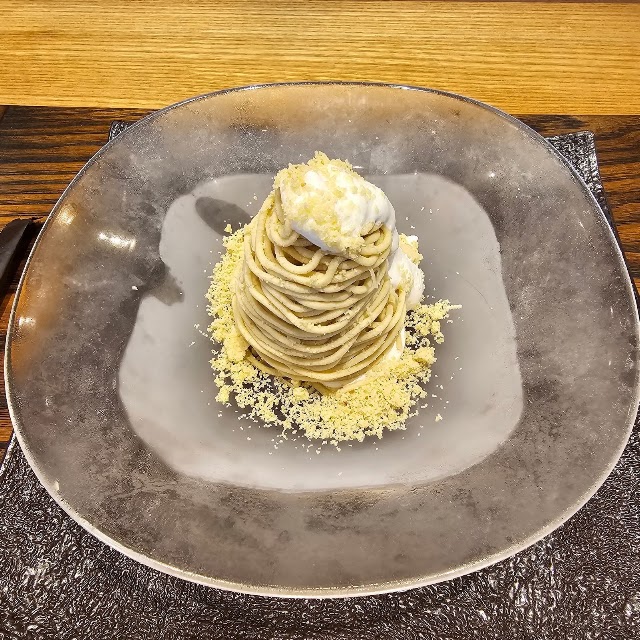
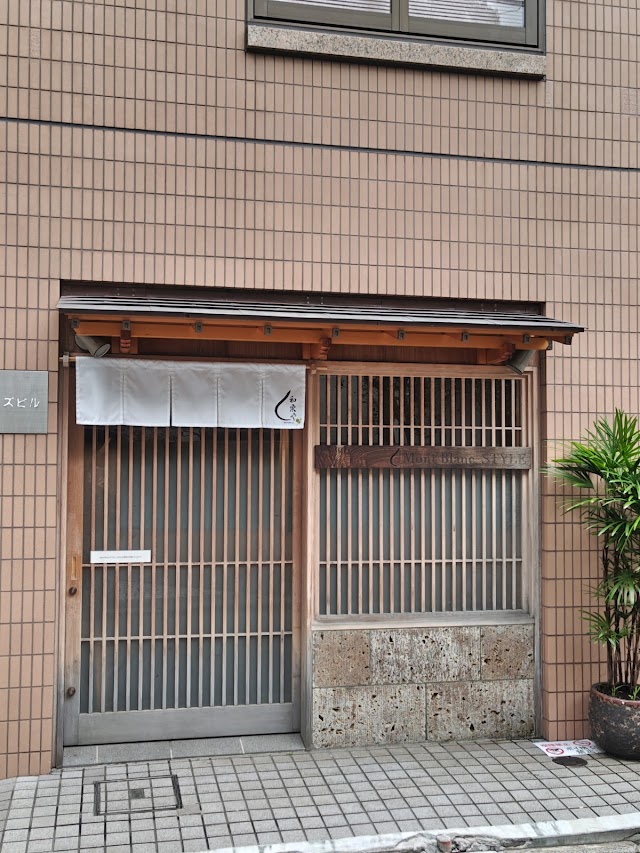
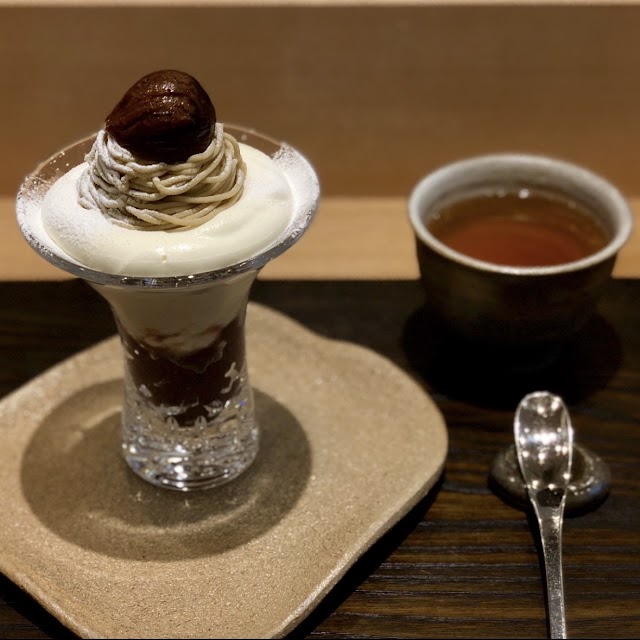
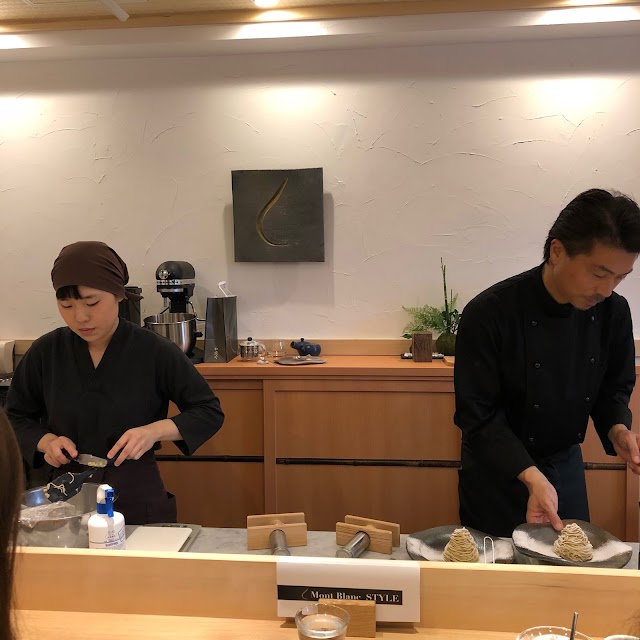
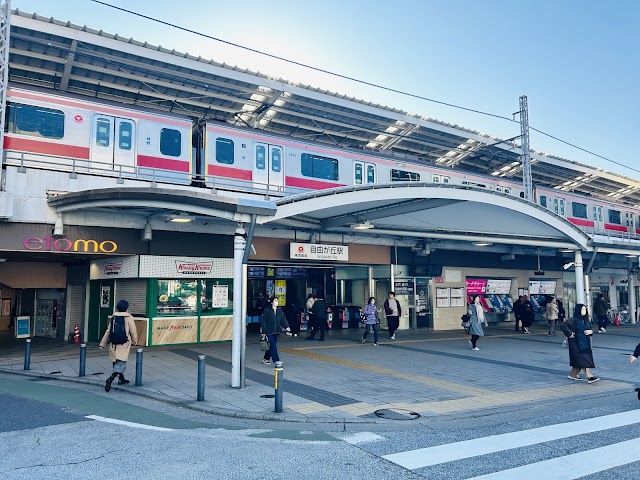
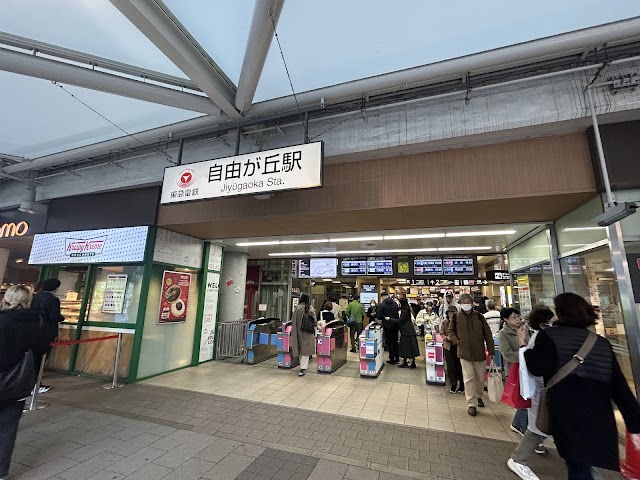
- Fresh-piped: Waguriya Yanaka (the origin; morning queues), Mont-Blanc STYLE Yoyogi-Hachiman (sushi-counter piping + Japanese tea; numbered tickets), Kuriho to Imoko Jiyugaoka (theatrical Noto chestnut; chestnut vs. sweet potato)
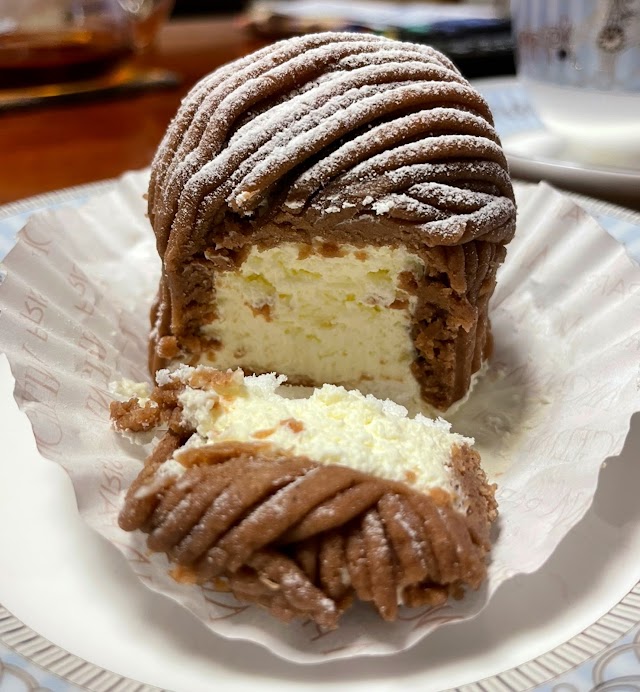
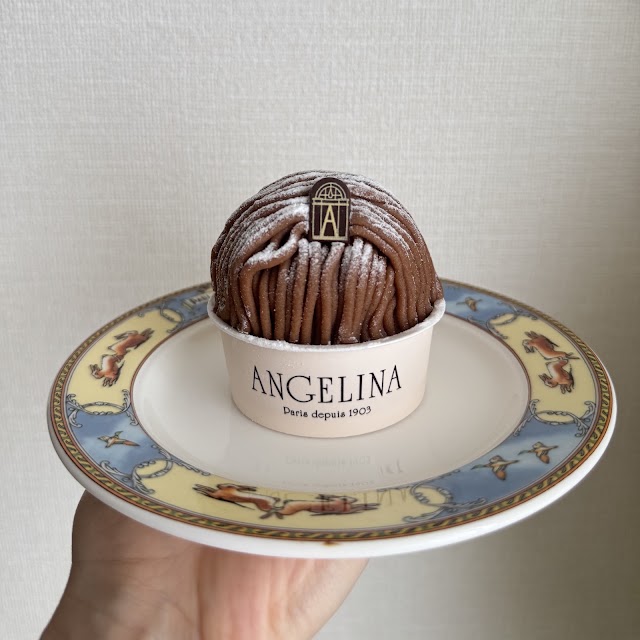
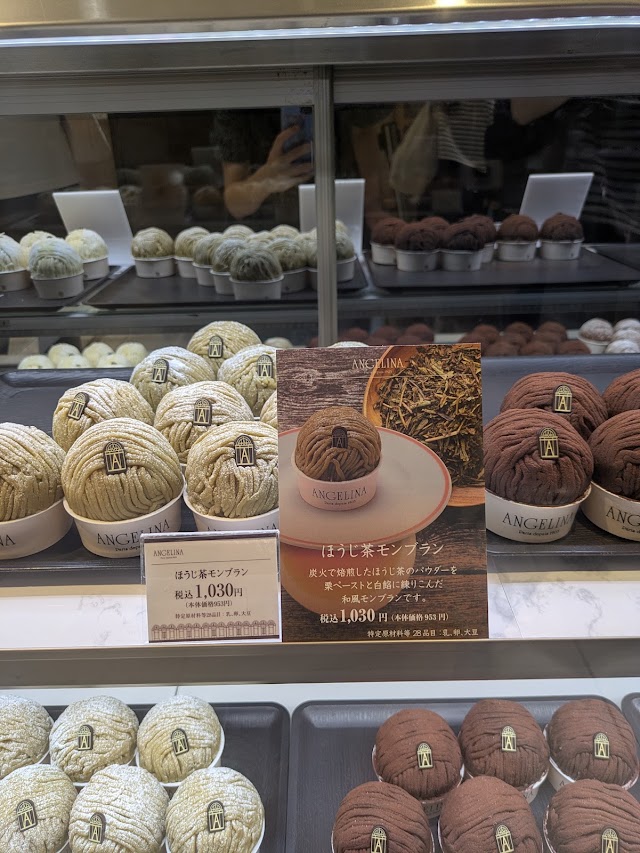
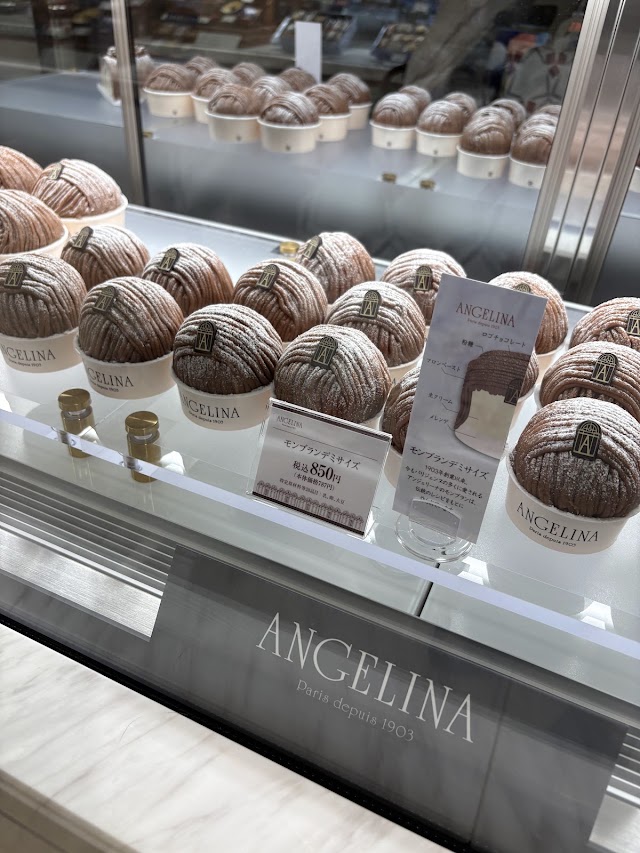
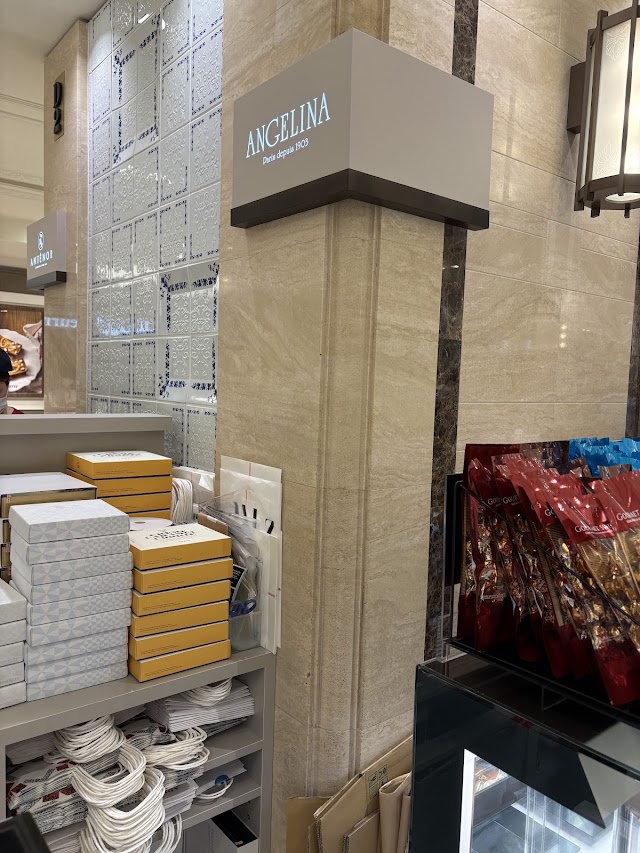
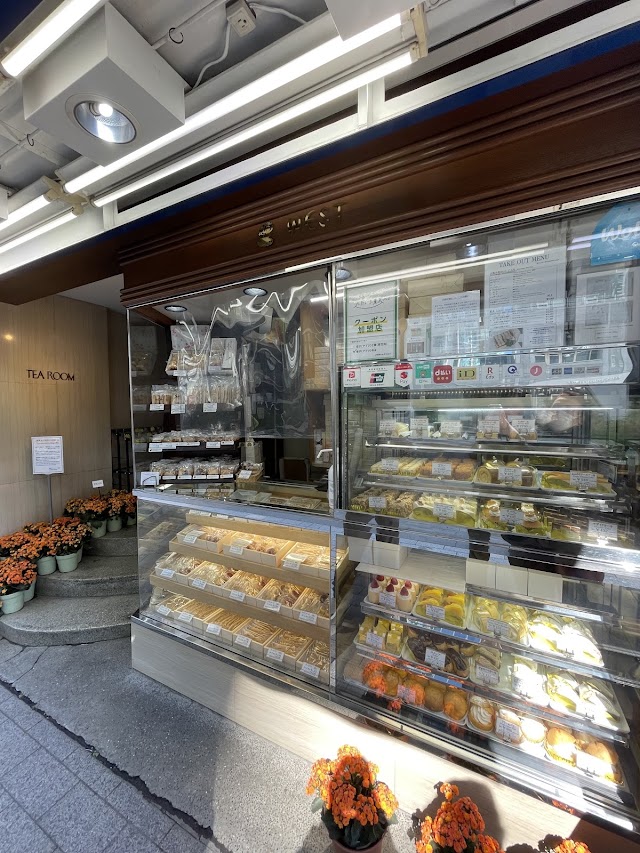
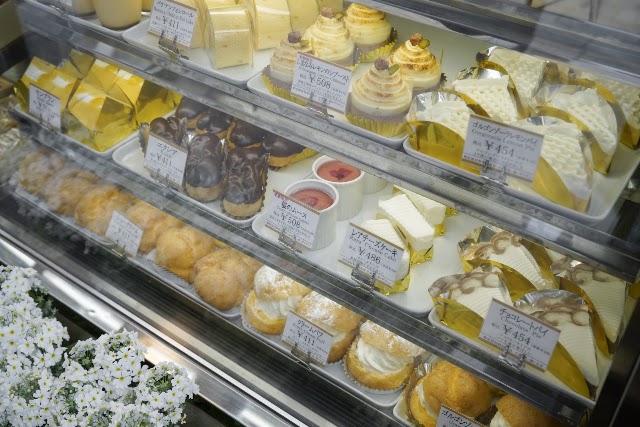
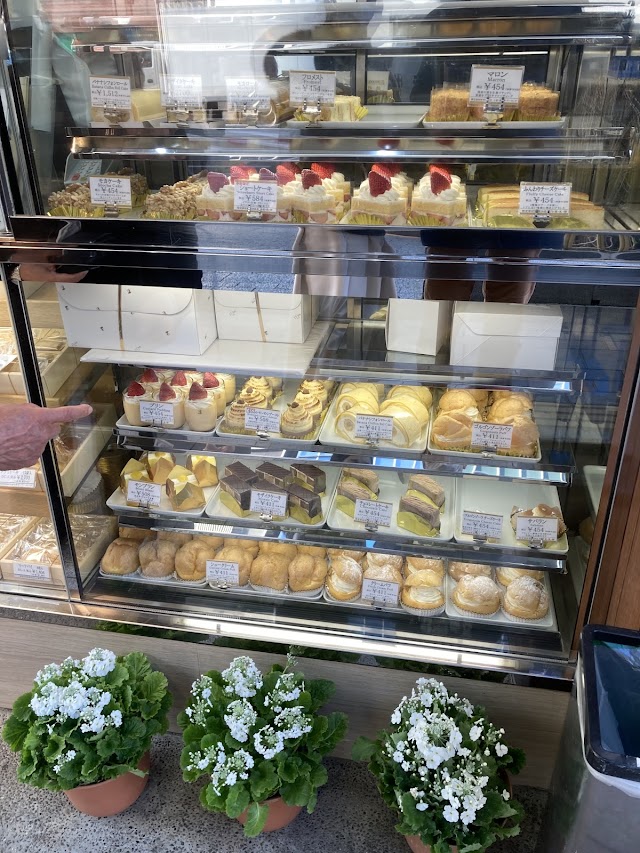
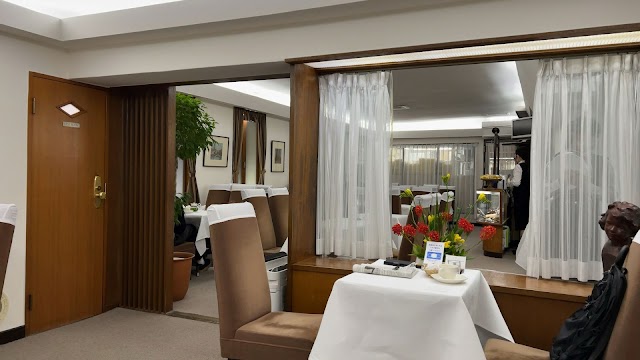
- Western classic: Angelina Nihonbashi Mitsukoshi (1903 Paris, the orthodox prototype), Ginza West (Showa yellow Mont Blanc; sit with tea)
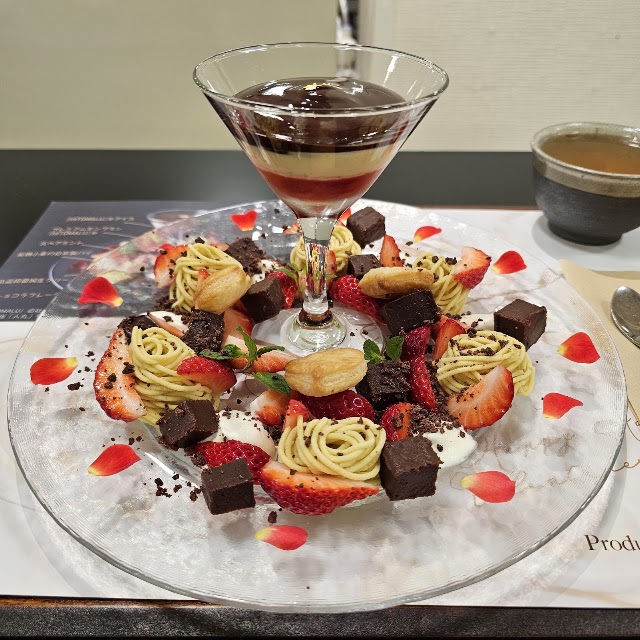
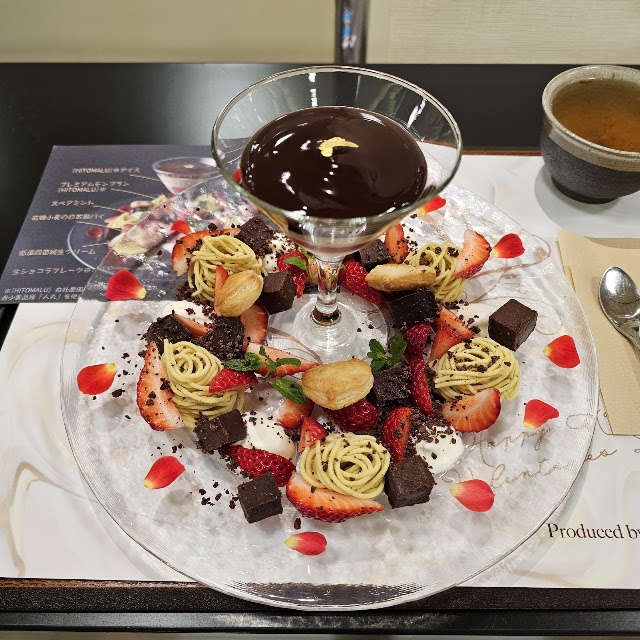
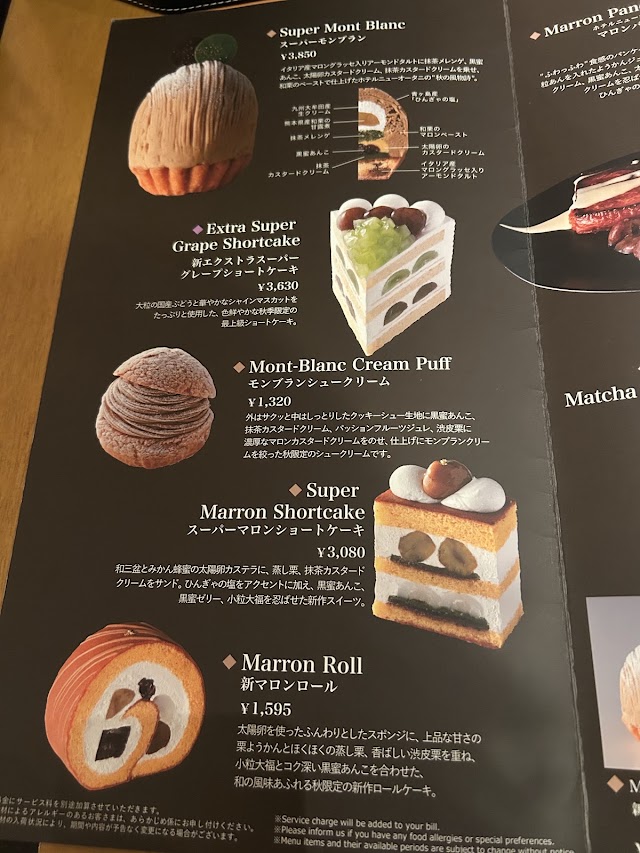
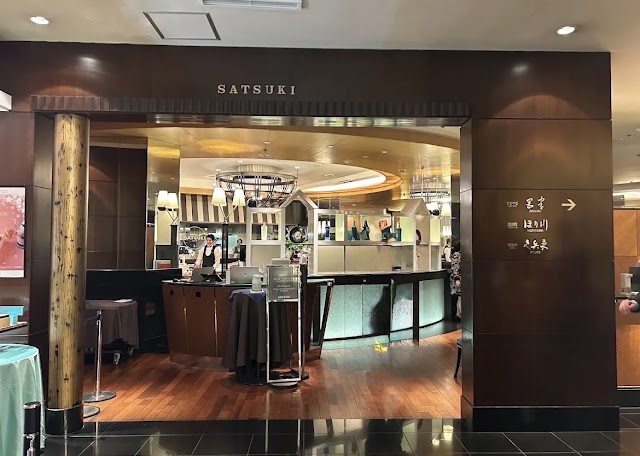
- Convenience and splurge: THE Hakuzan Daimaru Tokyo (station-connected, molten white Mont Blanc), Patisserie SATSUKI New Otani (seasonal Super Mont Blanc), Hilton Tokyo night parfait (marron & cassis with night view)
- Tips: new-crop chestnut from mid-to-late Sept; eat fresh-piped on the spot and expect tickets, so stay flexible; confirm dates and reservations for hotel/seasonal items
When September arrives, Tokyo's dessert cases turn chestnut-brown. Autumn is 'chestnut season' in Japan: new waguri (Japanese chestnuts) appear and Mont Blanc becomes the star—which lines up with this site's September 'coffee & sweets' theme. Yet many travelers only realize on the spot that two cakes both called Mont Blanc can taste like different desserts entirely. This guide sorts Tokyo's chestnut sweets into two schools so you can understand both in one trip.
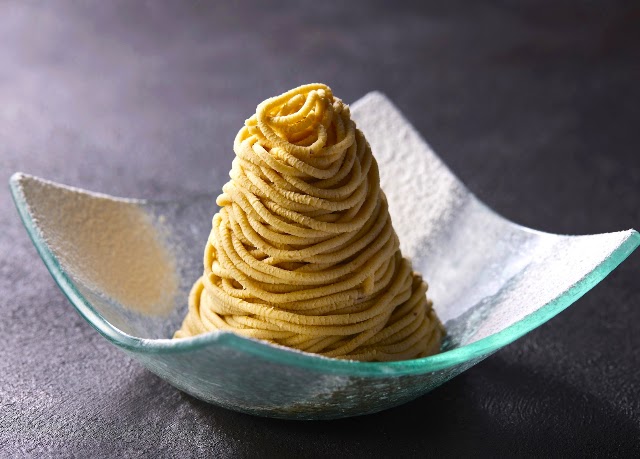
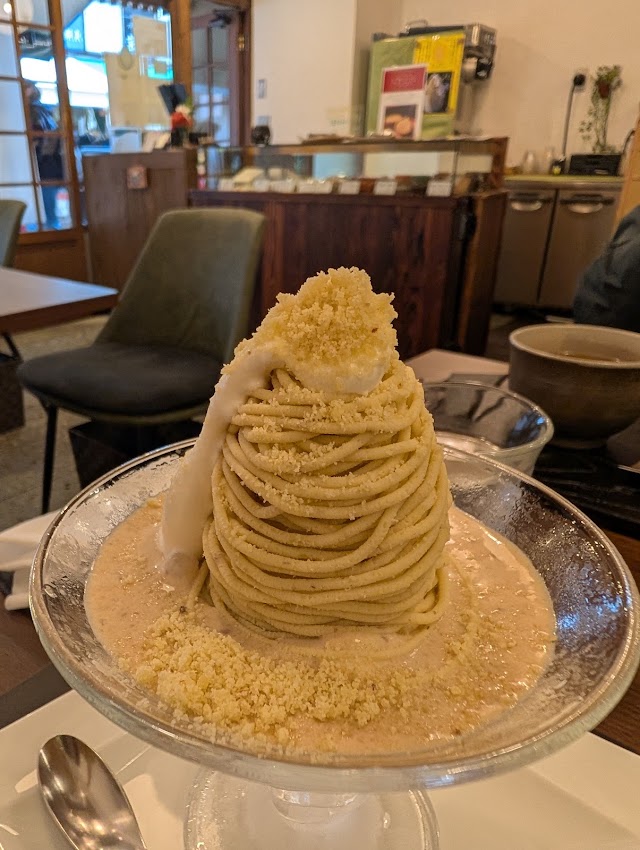
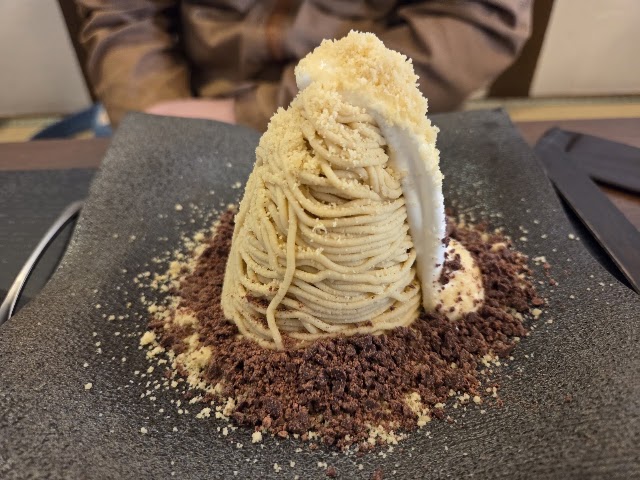
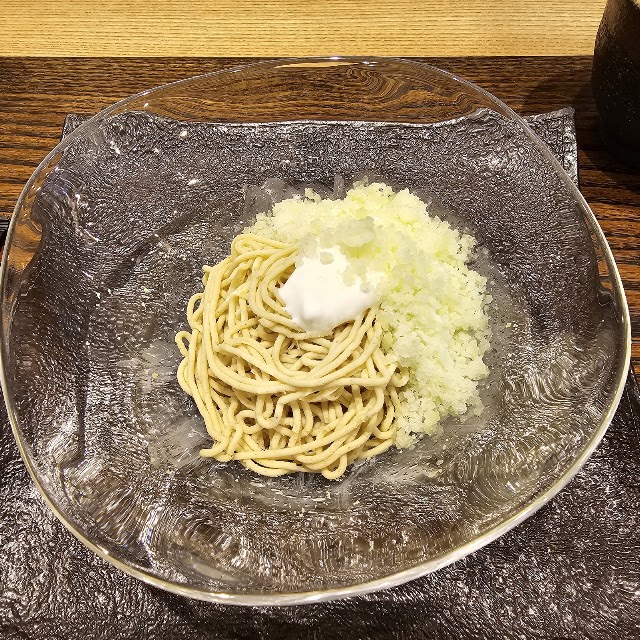
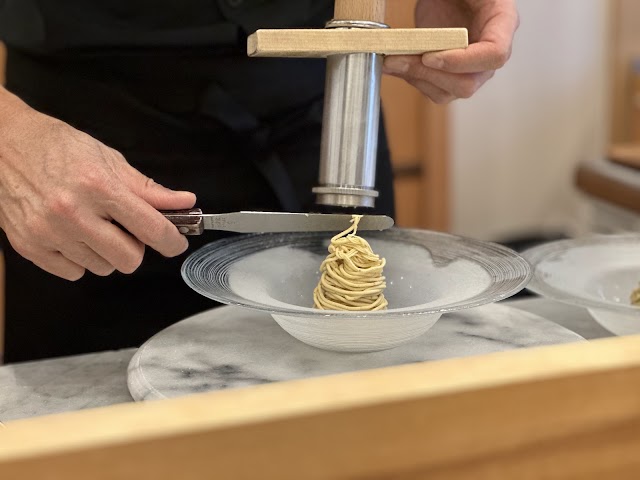
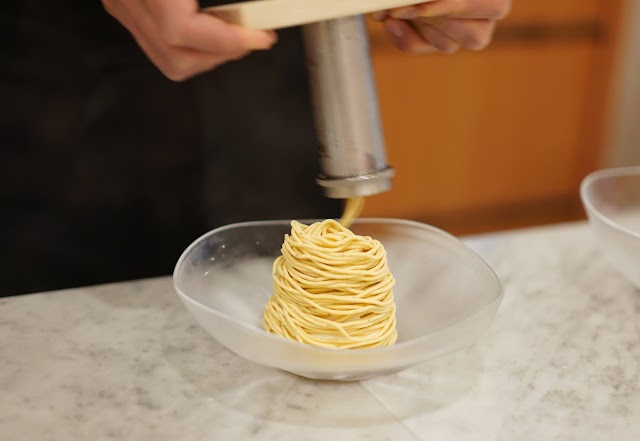
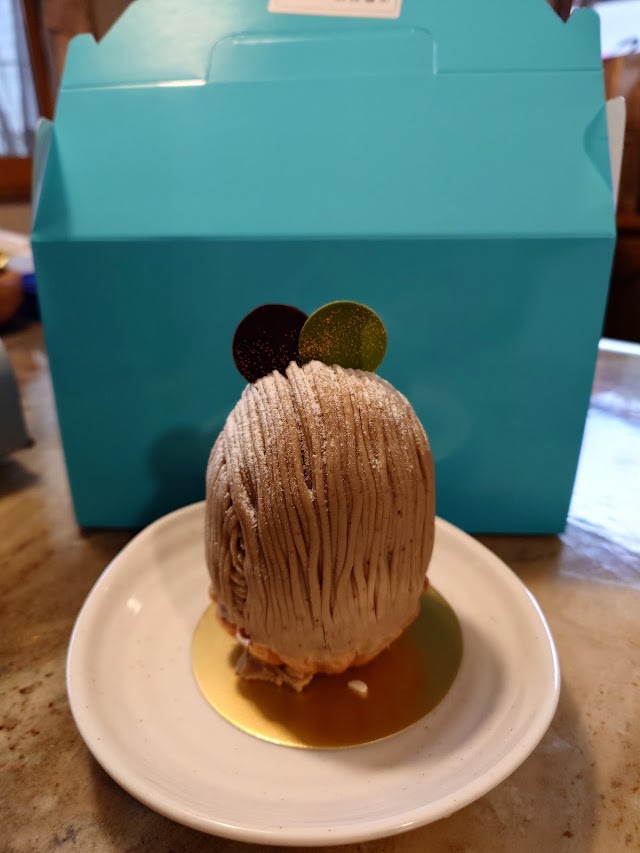
The first is the 'fresh-piped waguri' school: domestic Japanese chestnut, piped to order into strands near 1mm thin with no liqueur or flavoring, prized for pure aroma and airy texture, often best within an hour. Waguriya, its sister Mont-Blanc STYLE, and Jiyugaoka's Kuriho lead this camp. The second is the 'Western classic' school: French-style candied chestnut and paste made into dense, sweeter, pale-gold or brown Mont Blanc—Parisian veteran Angelina and Showa tearoom Ginza West are the standard-bearers.
Ordering tips: eat fresh-piped versions immediately rather than taking them away, and expect numbered tickets or morning queues, so keep your schedule flexible; classic versions can be enjoyed sitting down with coffee or tea, or taken home as a gift. Short on time? Tokyo Station's THE Hakuzan is the most convenient; for a splurge, head for a hotel's Super Mont Blanc or night parfait. Phone numbers, hours, closing days, ratings and official photos for the eight shops below will be attached from Google's official data after tomorrow's publish—reconfirm before you go.
[1. Two schools first: fresh-piped waguri vs. Western classic] The common trap is assuming 'all Mont Blanc is the same.' In Tokyo this season there are two schools. The fresh-piped waguri school uses domestic Japanese chestnut, piped to order into ~1mm strands with no liqueur, prized for aroma and airiness, often best within an hour—led by Waguriya (Yanaka), its sister Mont-Blanc STYLE (Yoyogi-Hachiman), and Jiyugaoka's Kuriho. The Western classic school follows French candied chestnut and paste—dense, sweeter, pale-gold or brown—with Paris-founded Angelina (Nihonbashi Mitsukoshi) and Showa tearoom Ginza West as standard-bearers. Decide which you want first, then plan. Source: [15 great Mont Blanc in Tokyo (Tabelog matome)](https://tabelog.com/matome/21614/)
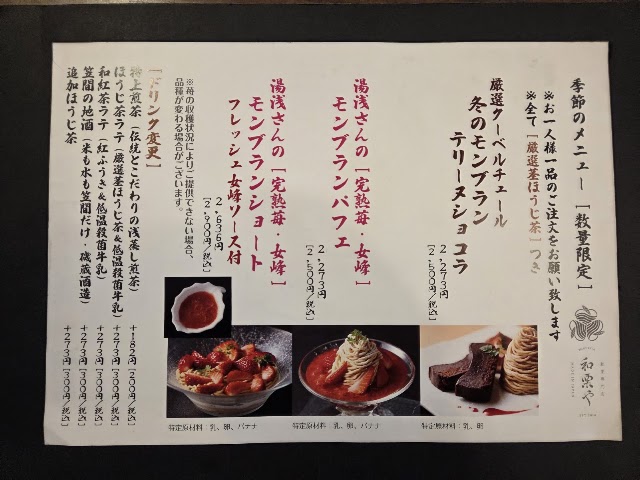
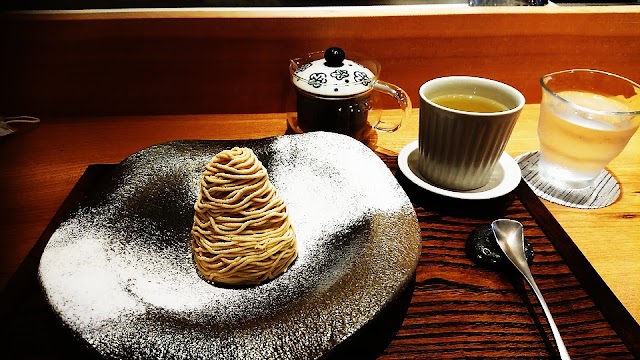
[2. Fresh-piped: eat immediately, don't take away] Waguriya Yanaka is the origin—piped to order, unsweetened cream over meringue, pure chestnut aroma; weekend mornings queue, so weekday opening is calmer for dine-in. Sister shop Mont-Blanc STYLE pipes in front of you 'sushi-counter style' with selected Japanese tea and hands out numbered tickets. Jiyugaoka's Kuriho to Imoko pipes aged Noto chestnut theatrically and lets you compare chestnut and sweet potato. The shared rule: eat fresh-piped versions on the spot. Source: [Waguriya freshly-made Mont Blanc (ufu.)](https://www.ufu-sweets.jp/cafe/221115montblant/)
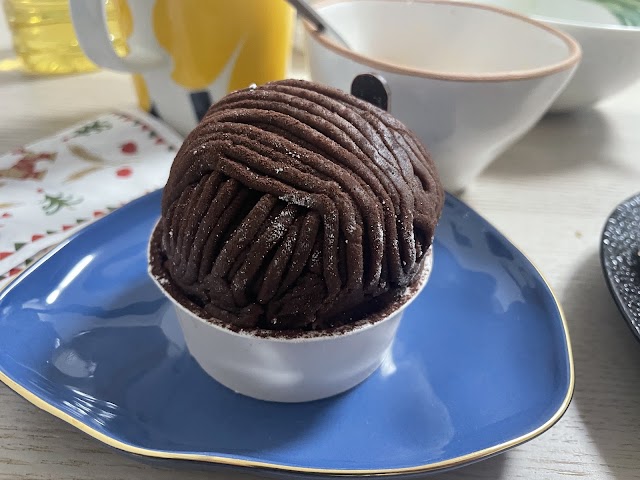
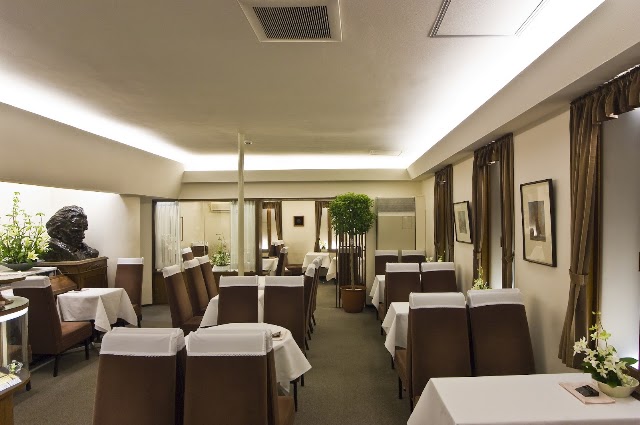
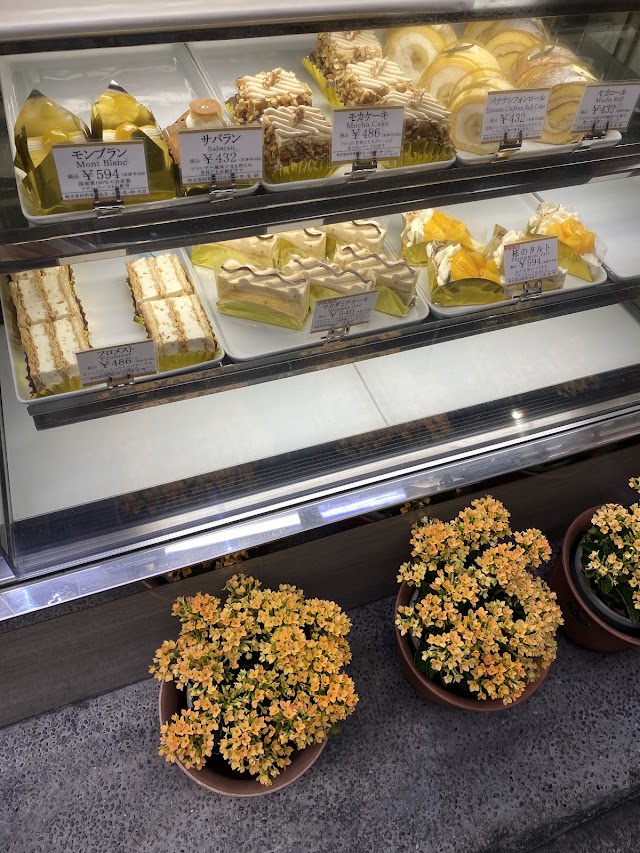
[3. Western classic: sit with tea, or take home as a gift] Angelina pipes French chestnut cream into a dense mound over meringue—the orthodox Western prototype; Ginza West serves a Showa 'yellow Mont Blanc' of candied chestnut, gently sweet, in a calm wood-panelled room. These keep longer and travel, good for a sit-down break or a gift. Source: [Angelina Mont Blanc in Tokyo (SweetsVillage)](https://sweetsvillage.com/blog/cake/angelina-mont-blanc/)
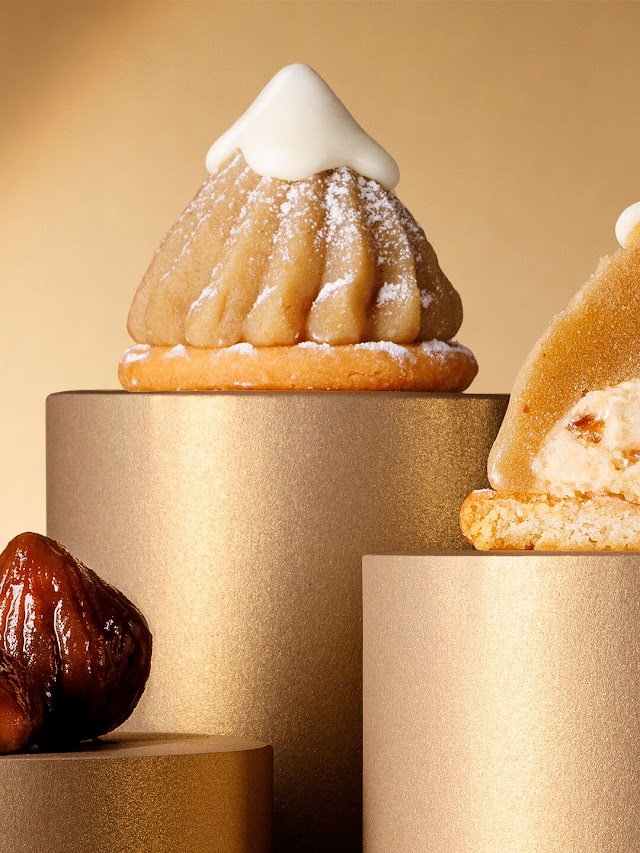
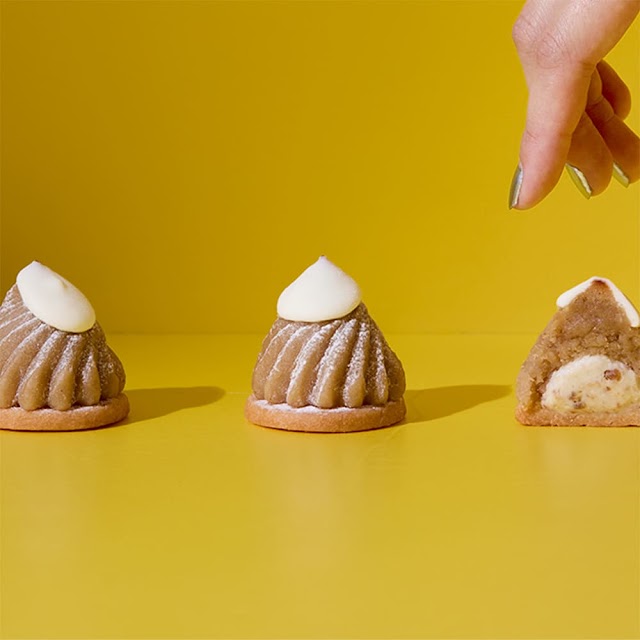
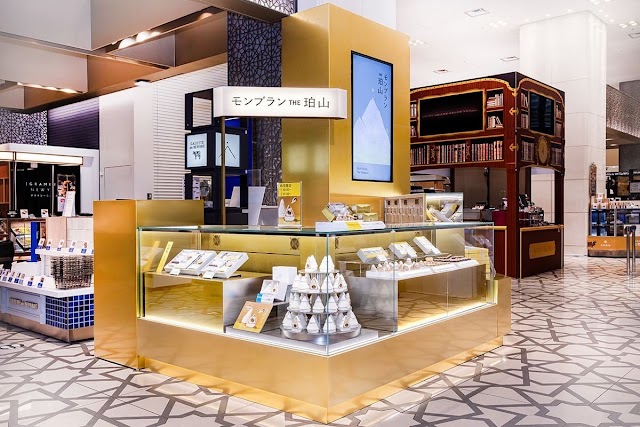
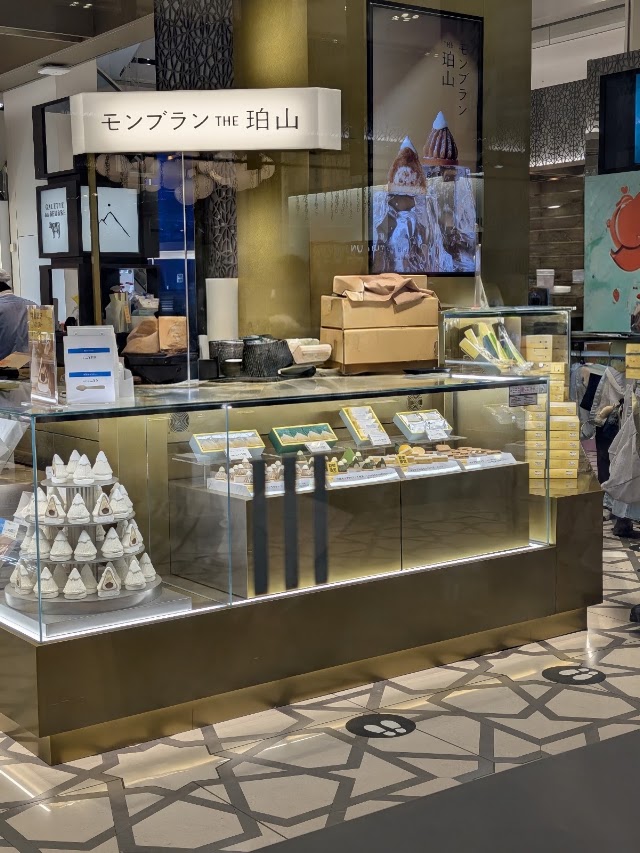
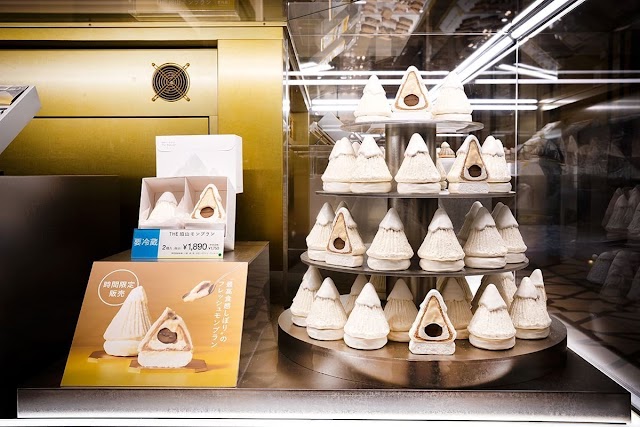
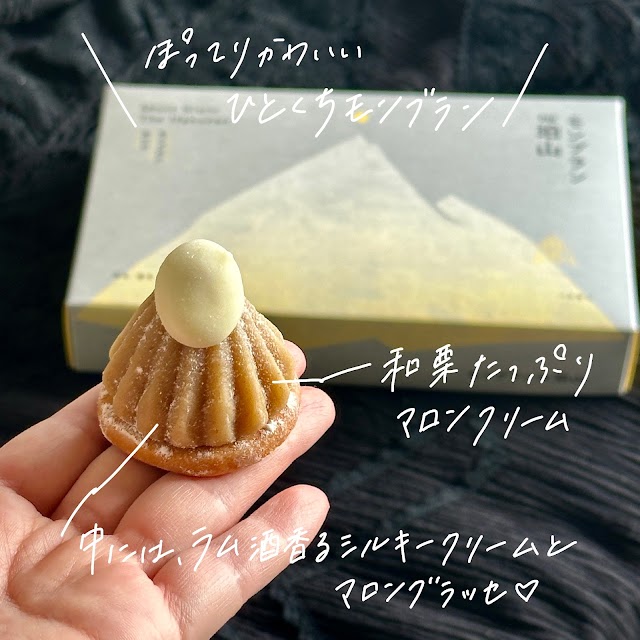
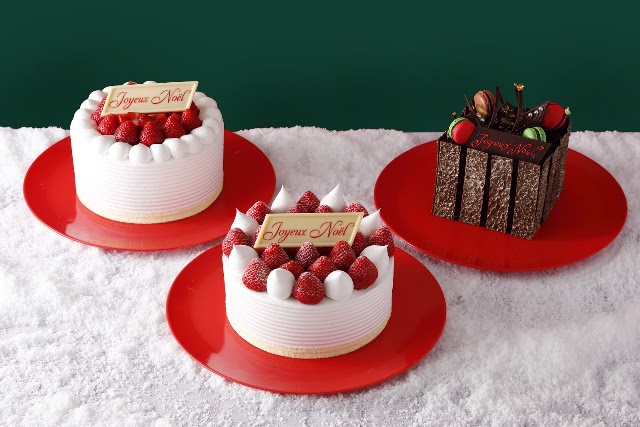
[4. Convenience and splurge: Tokyo Station and hotel reward routes] Short on time? Mont Blanc THE Hakuzan on Daimaru Tokyo's 1F is station-connected, its white Mont Blanc hiding a molten waguri core—easy before a Shinkansen. For a splurge, Patisserie SATSUKI (Hotel New Otani) offers the seasonal Super Mont Blanc layering paste, marron glacé and whole roasted chestnuts; for an evening ritual, Hilton Tokyo's autumn night parfait closes with chestnut and cassis. Hotel items are usually seasonal and limited—confirm dates and reservations before you go. Source: [Marron & grape sweets fair 2026 (Hotel New Otani)](https://www.newotani.co.jp/group/marron-grape/tokyo/)
[5. Practical notes] (1) New-crop waguri arrives from mid-to-late September; the closer you go, the more in-season fresh versions you'll find. (2) Fresh-piped shops use tickets or morning queues—keep the schedule flexible. (3) Check dates and reservations for hotel and seasonal items. (4) Phone, hours, closing days, ratings and Google Maps for all eight shops attach from official data after tomorrow's publish—reconfirm before you go.
 Scan for map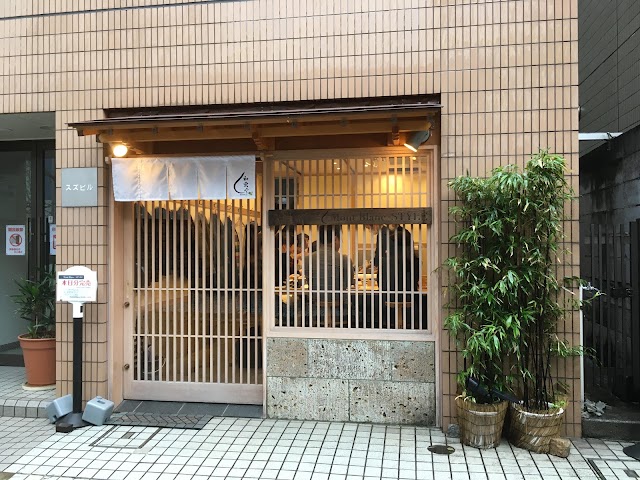
 Scan for map
 Scan for map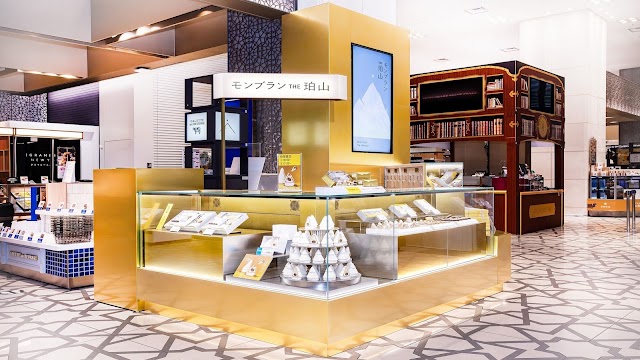
 Scan for map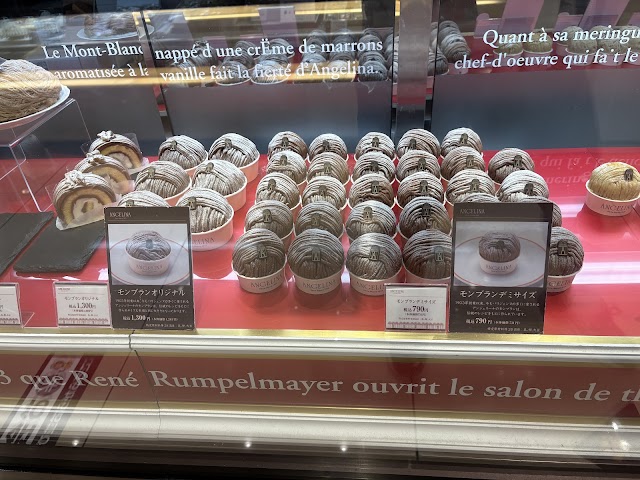
 Scan for map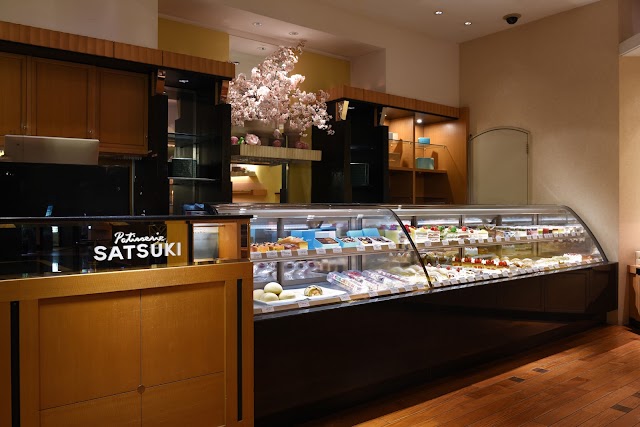
 Scan for map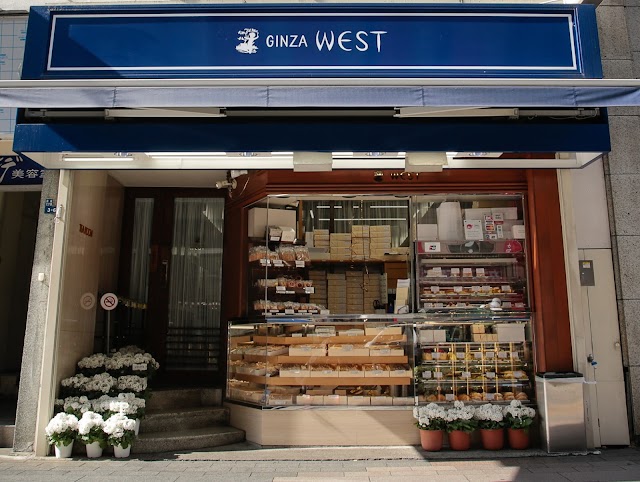
 Scan for map
 Scan for map