Beyond Chestnuts: 9 Tokyo Sweet-Potato Spots—Honey-Roasted Imo, Fresh Sweet Potato, and Imo Parfaits
- September is Japan's biggest sweet-potato season after chestnuts, with specialists and salons in full swing.
- These nine picks span three styles: jar-roasted honey imo, sit-down modern imo desserts, and takeout daigaku-imo and gifts.
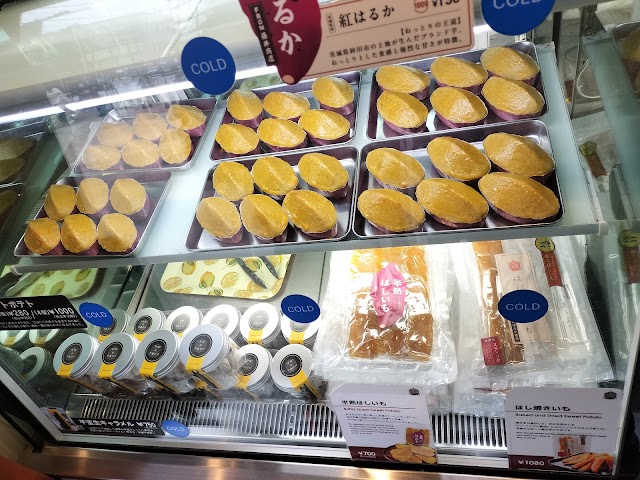
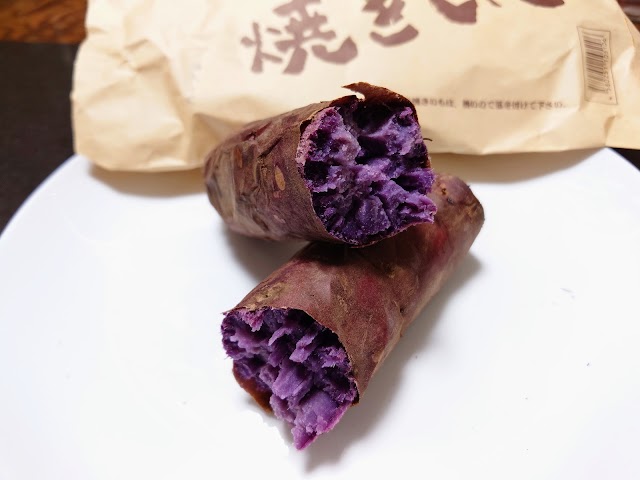
- Order by variety: Beni-azuma is fluffy; Beniharuka/Anno-imo are moist and honey-sweet.
- Distinguish plain roasted imo from glazed daigaku-imo—very different sweetness.
- Freshly roasted potatoes are often winter-only (Dec-Mar); confirm ahead in early September.
- Shops cluster in strollable areas—Asakusa, Tsukiji, Nakameguro, Setagaya—easy to fold into an itinerary.
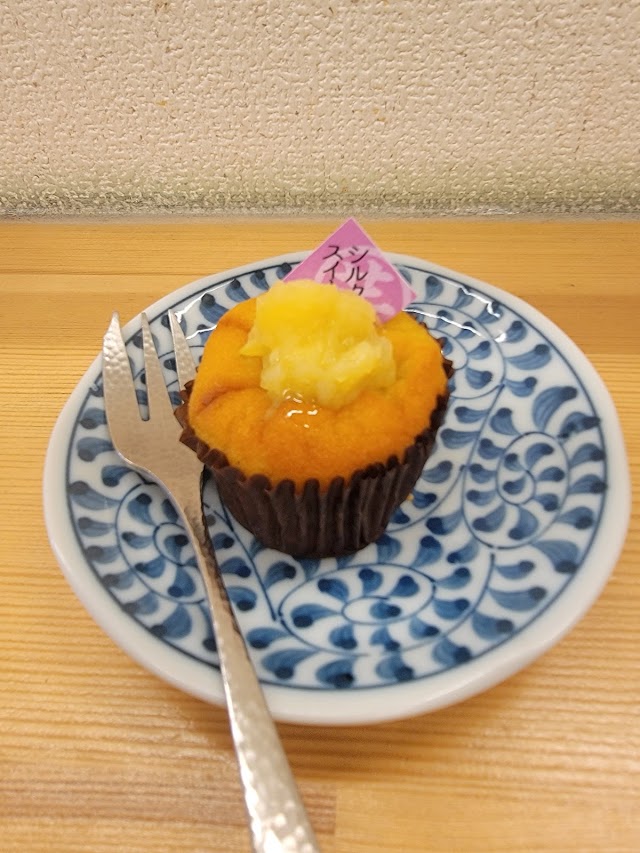
When September arrives, Japan's convenience stores and dessert shops all hang out their 'satsumaimo' (sweet potato) season banners—the biggest autumn flavor push after chestnuts. Sweet potatoes are familiar to Taiwanese travelers, but Japan has turned them into an entire industry: variety labeling (Beniharuka, Silk Sweet, Anno-imo), aging for sweetness, and forms from tsubo-yaki honey imo to fresh sweet potato and imo parfaits, priced from a ¥500 street snack to a ¥1,500 dessert-salon sitting.
Three tips before ordering. First, check the variety: choose Beni-azuma for fluffy texture, Beniharuka or Anno-imo for moist, honey-bomb sweetness. Second, distinguish plain roasted imo from daigaku-imo (fried and glazed)—the former is pure, the latter sweet and moreish. Third, 'freshly roasted' potatoes are often a winter item (Dec-Mar); in early September a specialist may only sell room-temperature sweets, so confirm ahead or target year-round salons and chains.
This list deliberately spans three styles—walk-and-eat in Asakusa, sit-down salons in Tsukiji, Nakameguro and Shimokitazawa, and takeout gifts—all across easy-to-stroll neighborhoods you can fold into an existing itinerary.
## Why is Tokyo covered in sweet potatoes every September?
Japan's sense of sweet-potato season runs deeper than Taiwan's. New imo arrives in late summer, and the now-common practice of aging the harvest for a few weeks to boost sweetness makes September to November the peak. Sweet potatoes are no longer just roasted; they have become a dessert universe of 'variety marketing x processing form.'
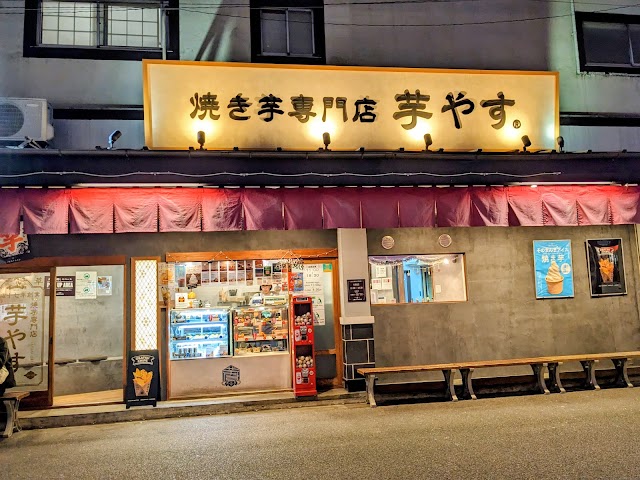
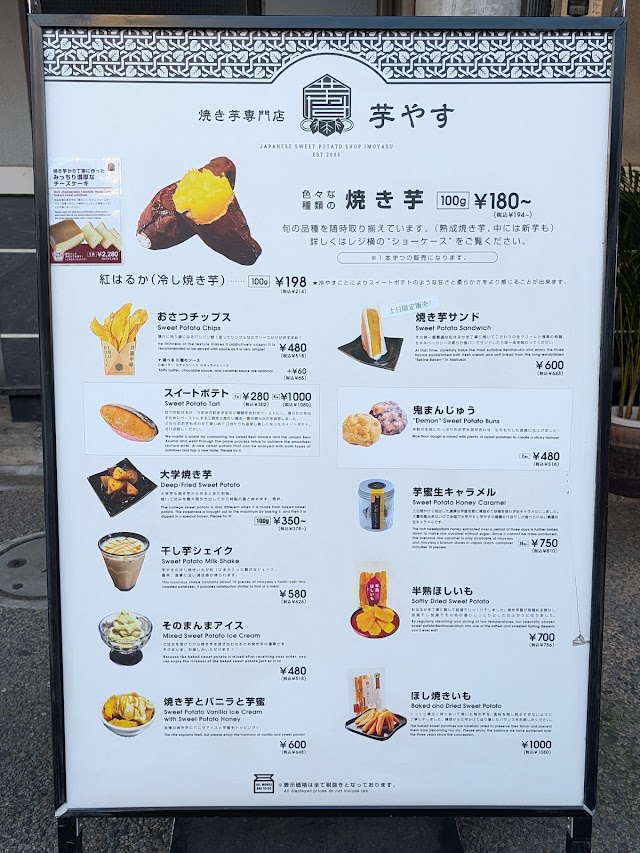
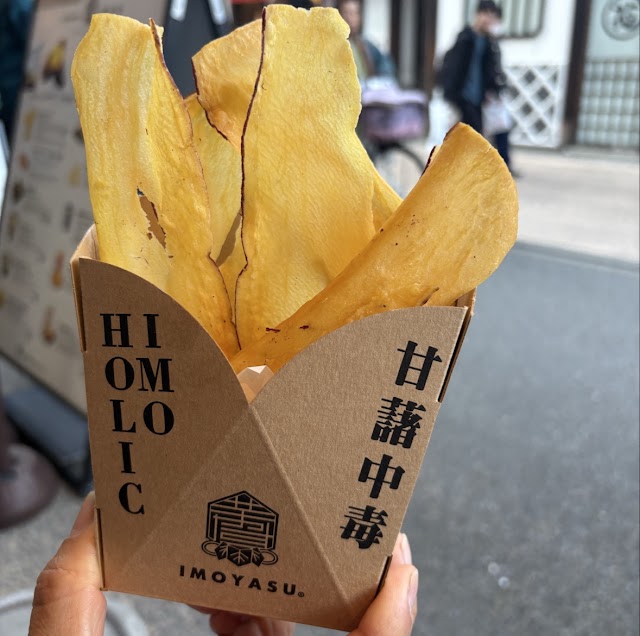
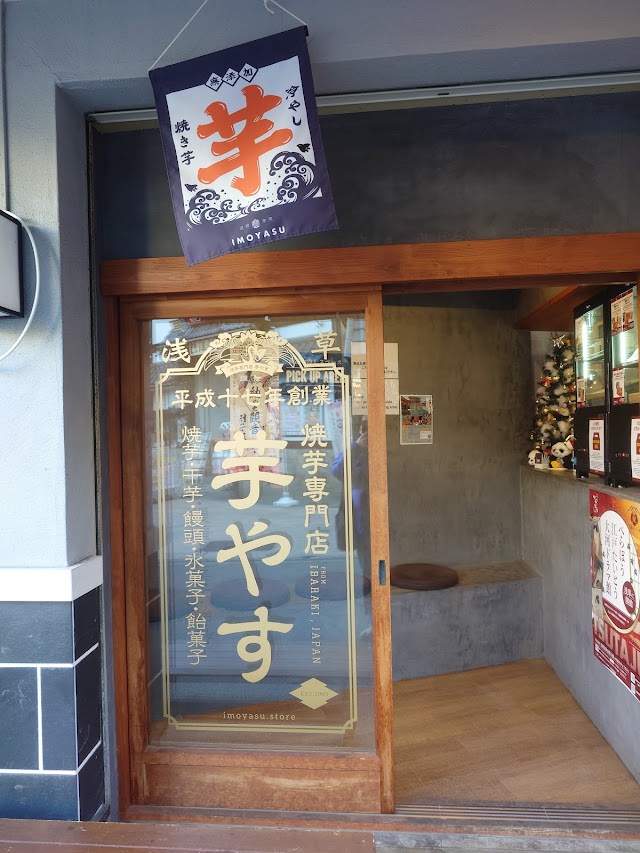
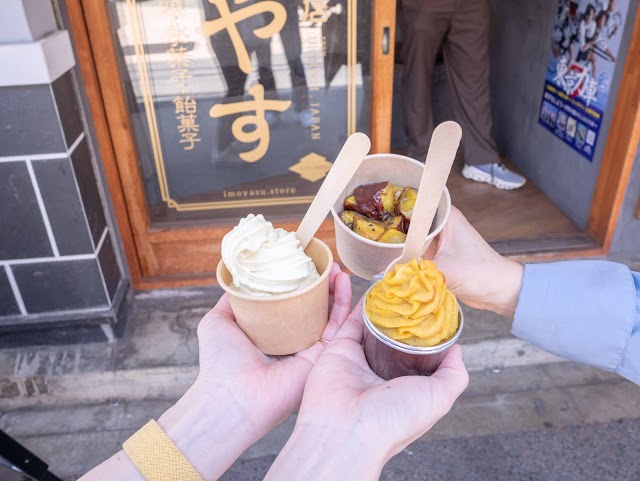
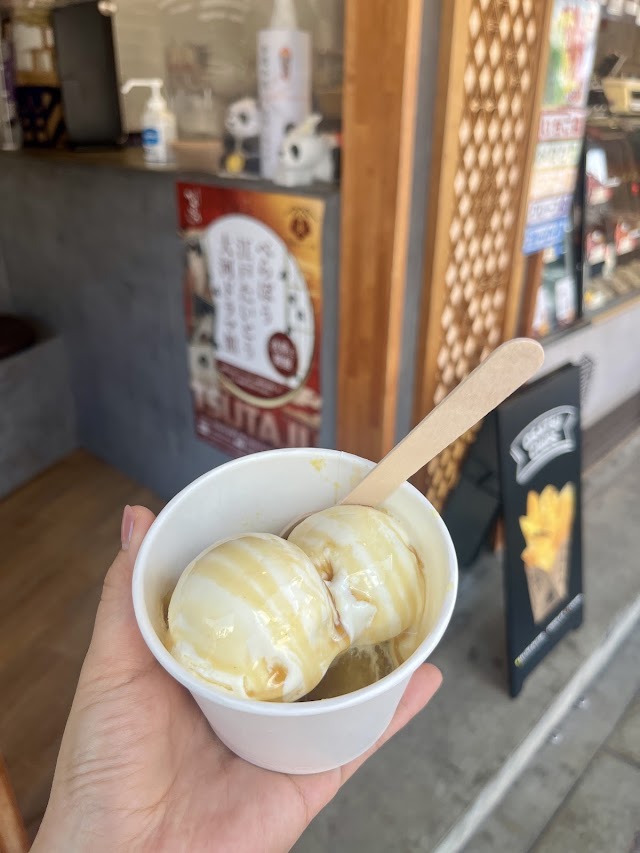
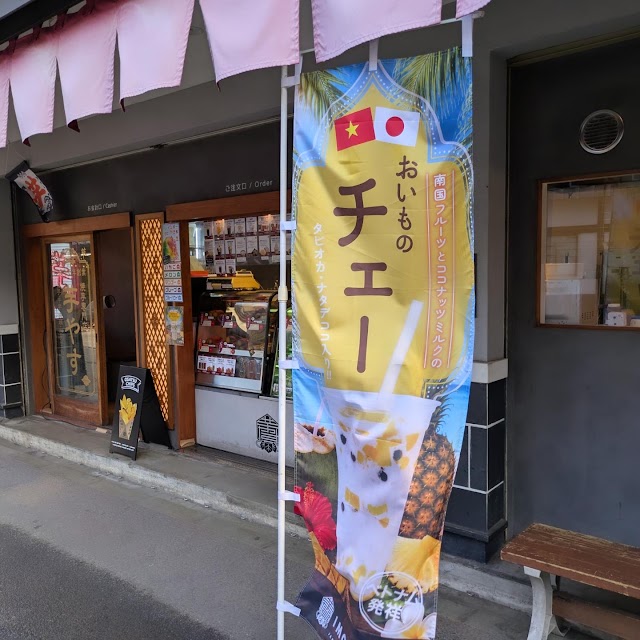
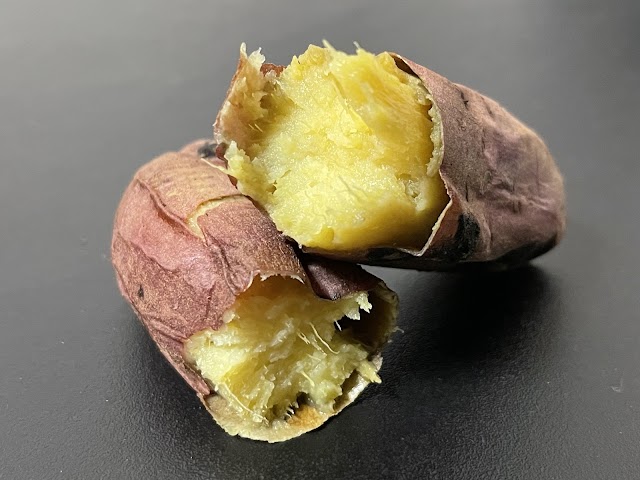
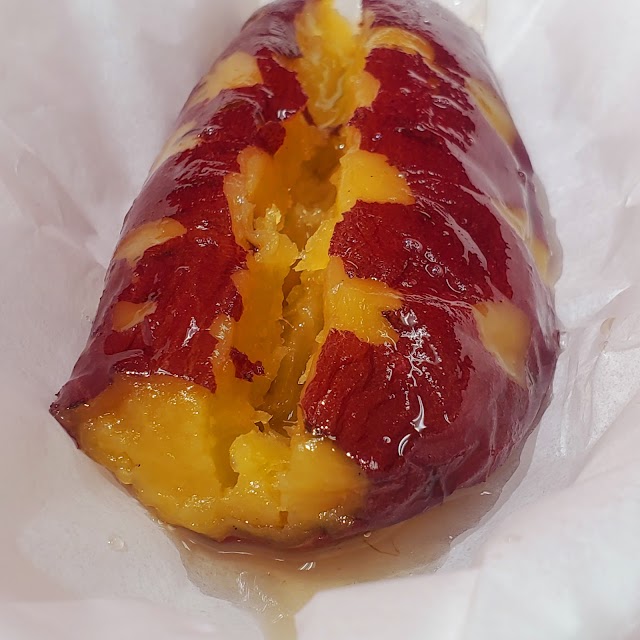
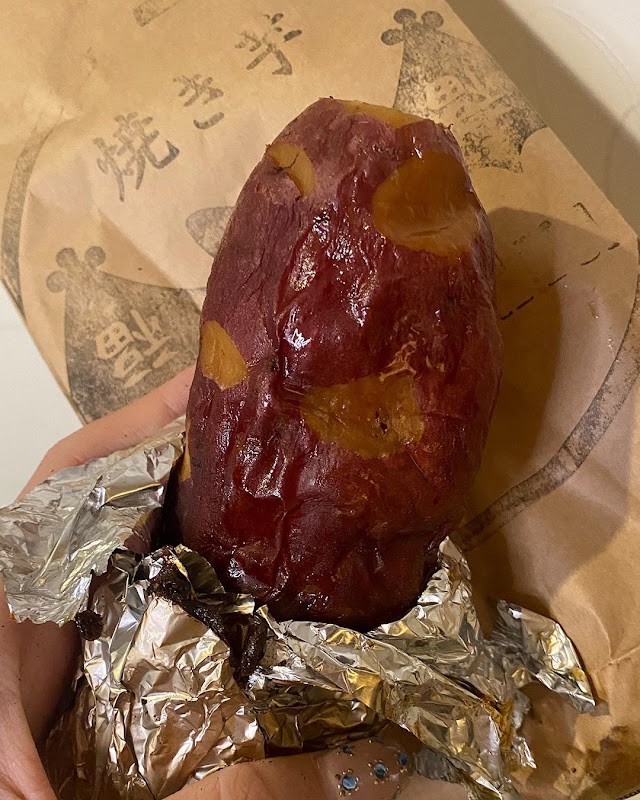
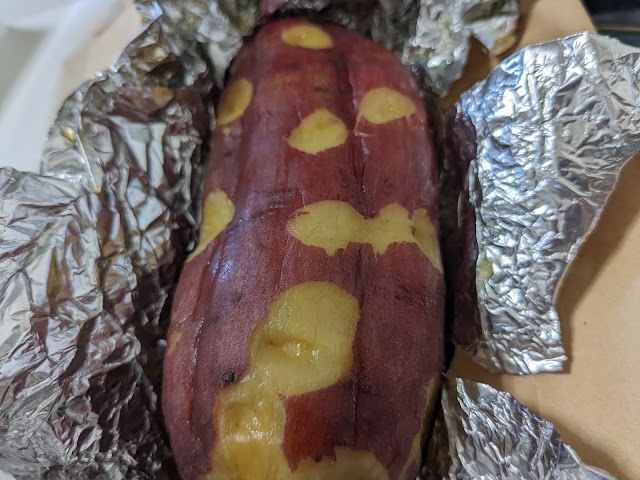
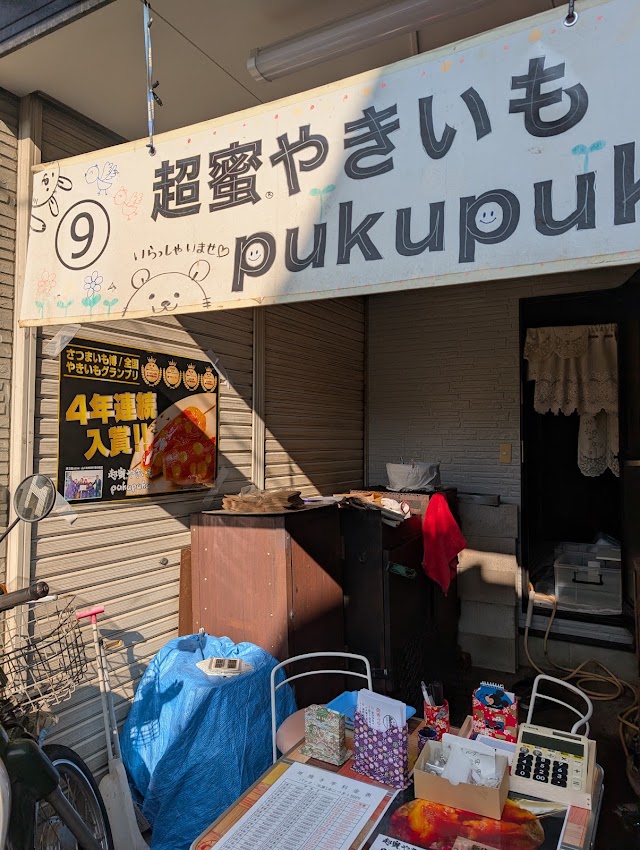
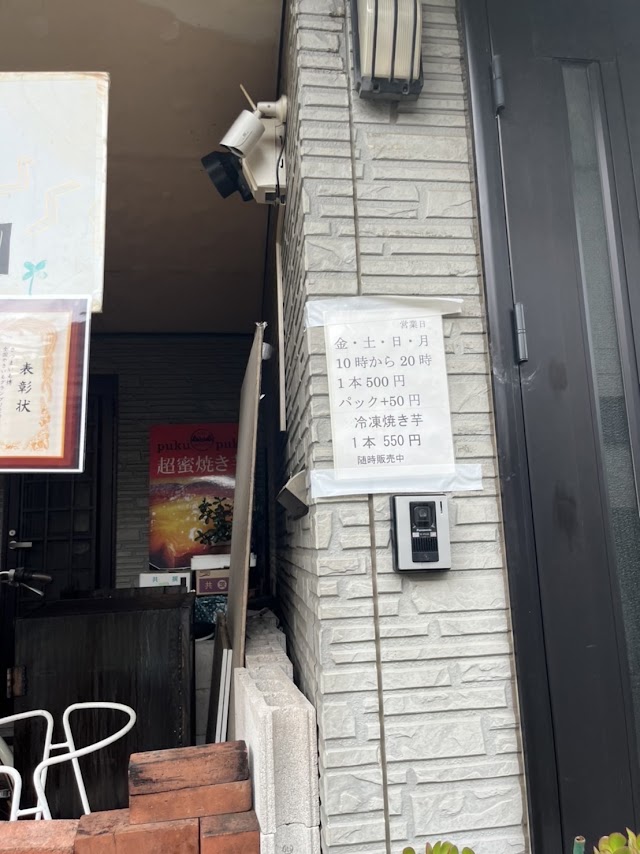
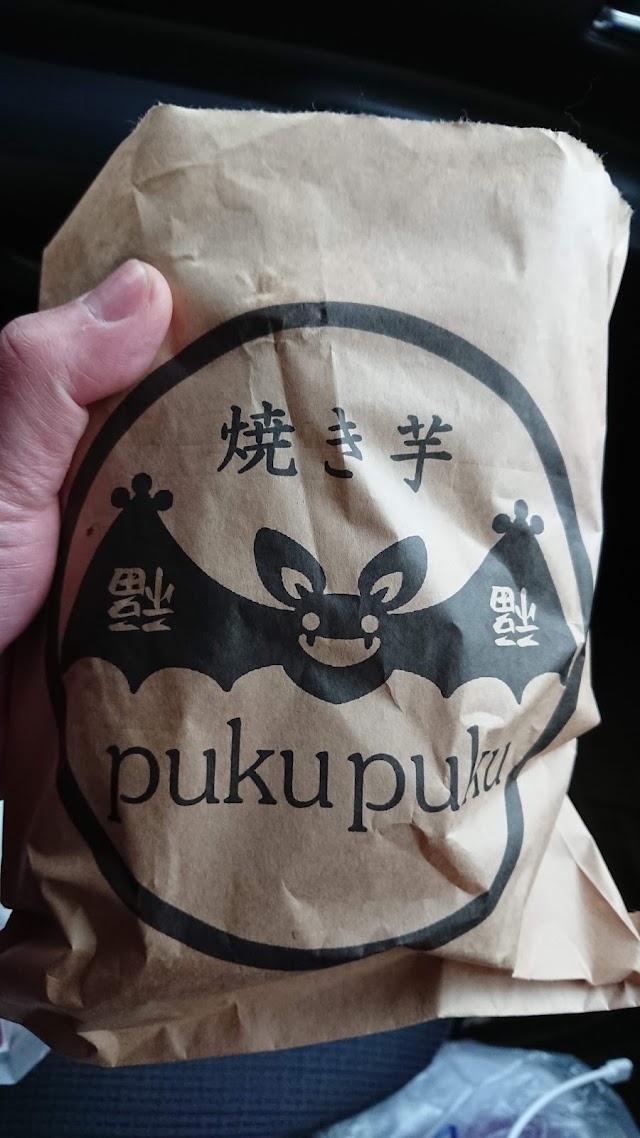
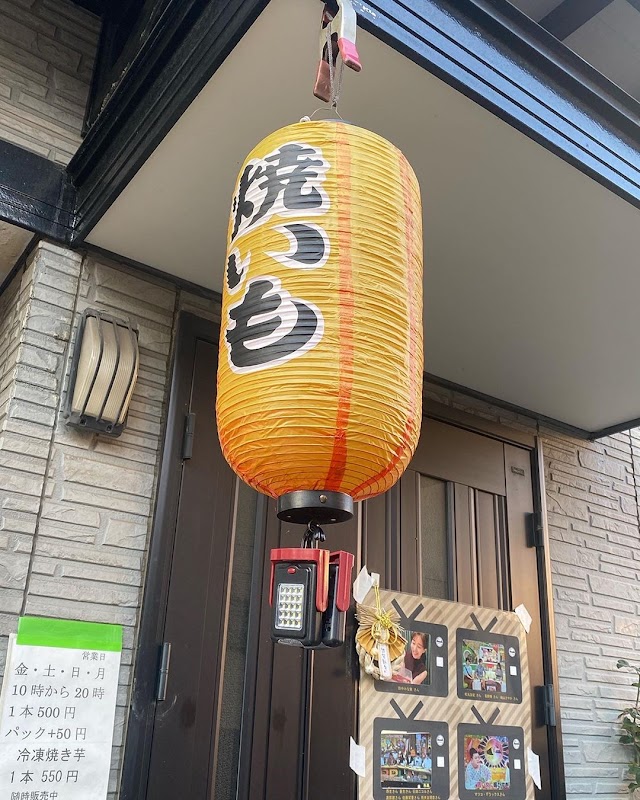
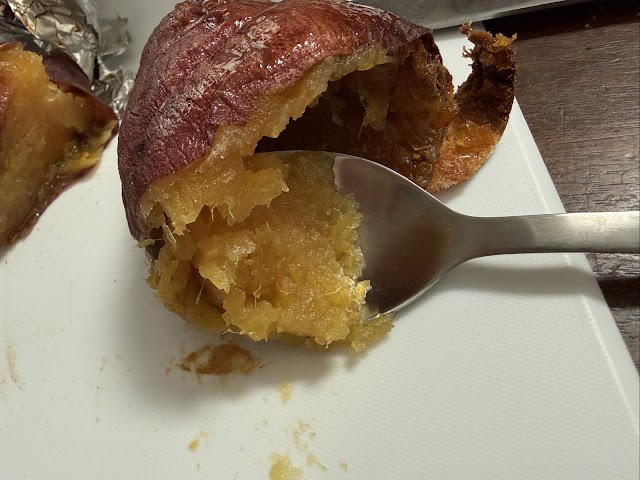
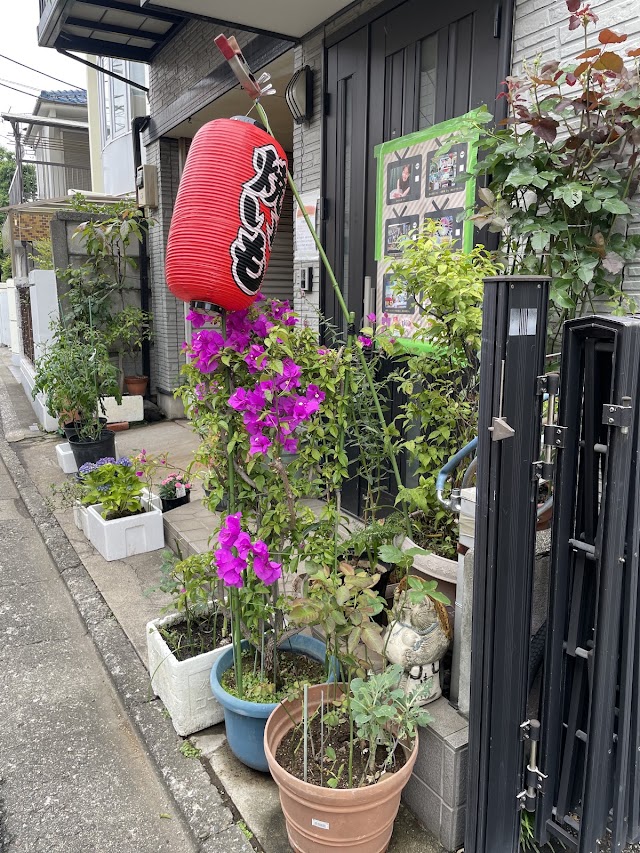
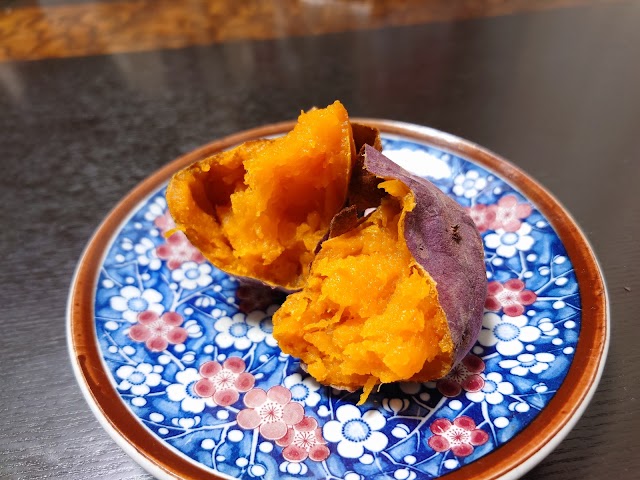
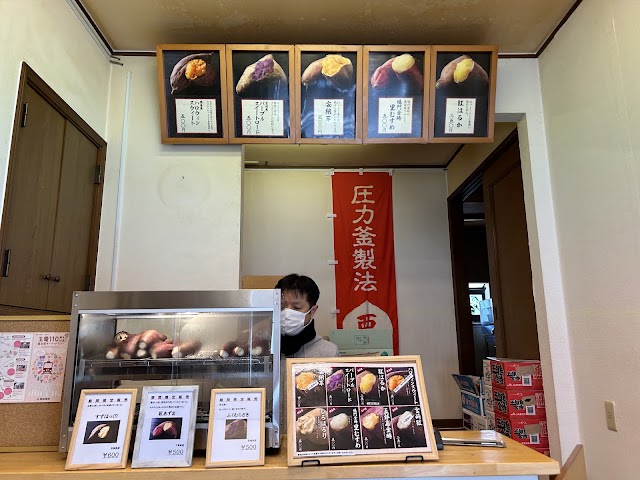
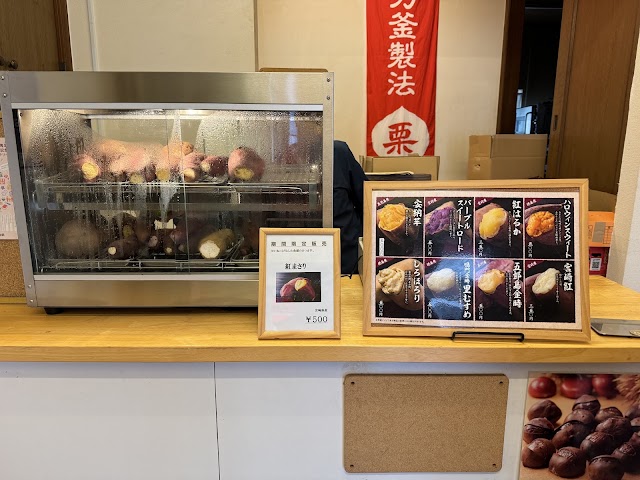
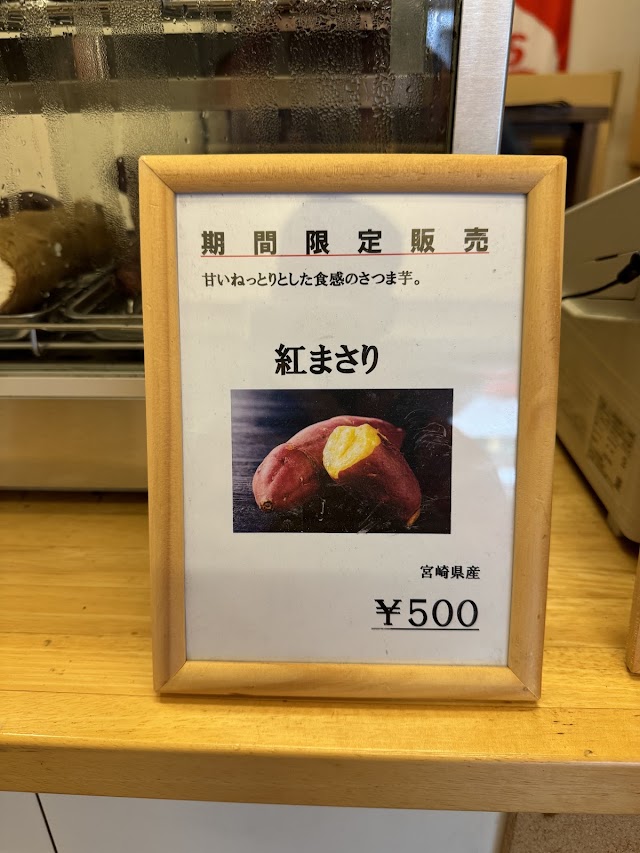
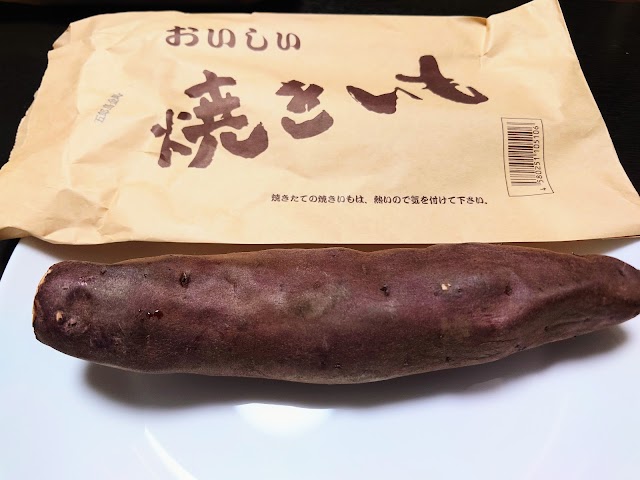
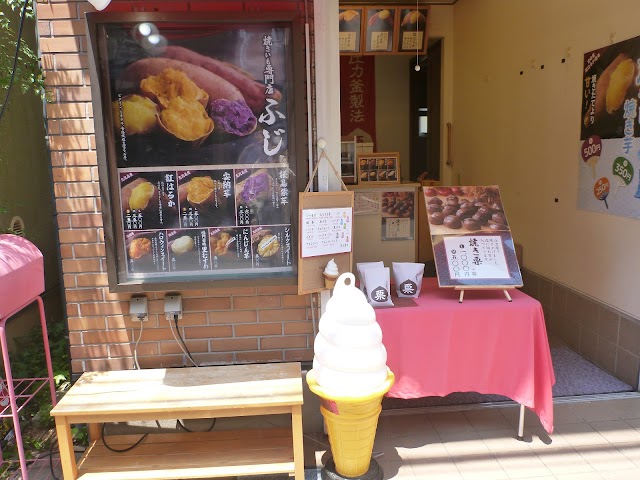
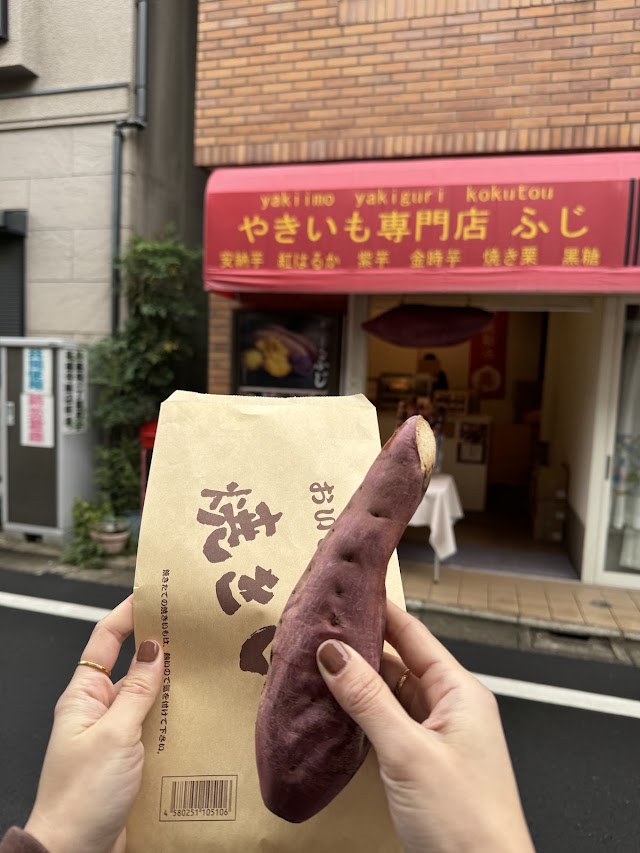
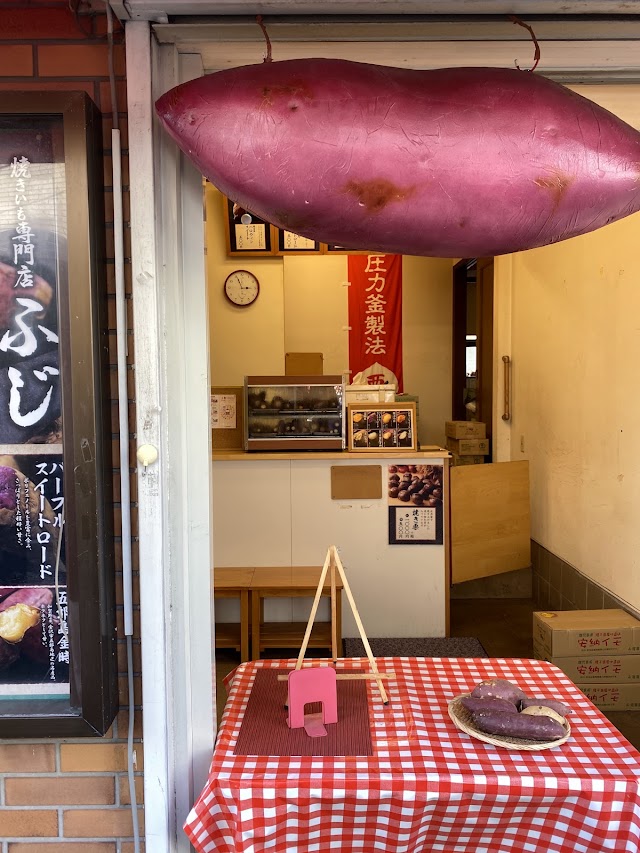
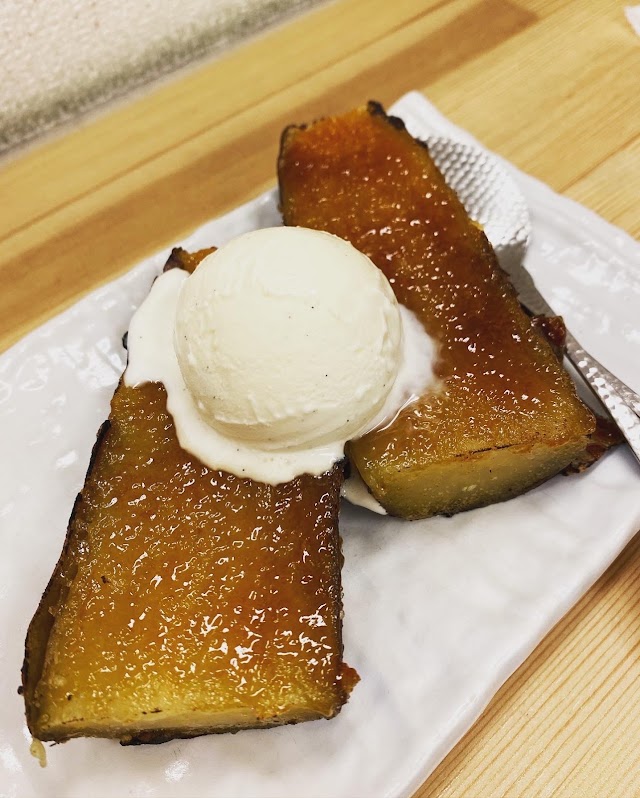
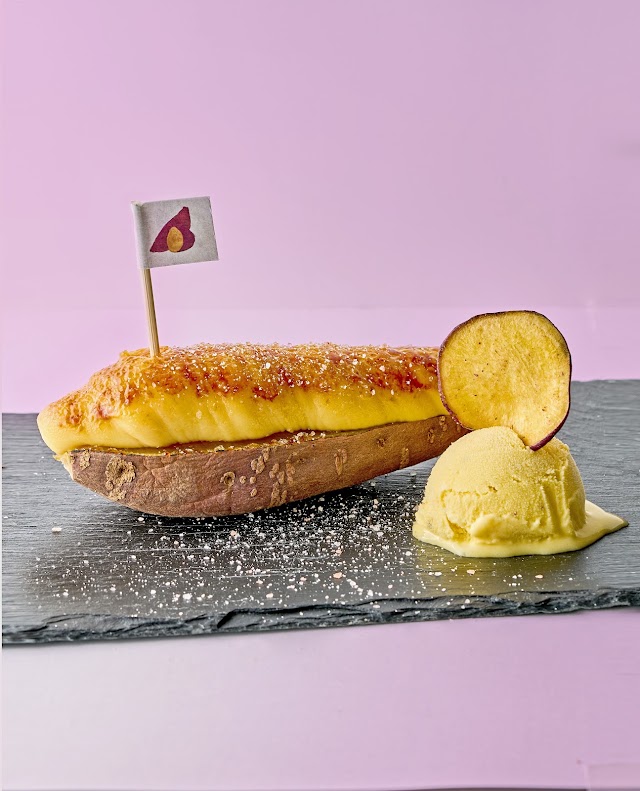
### Route 1: Charcoal and jar-roasted honey imo (walk-and-eat / freshly roasted) For the pure sweetness of the potato itself, target tsubo-yaki and charcoal specialists: **Imoyasu** in Asakusa (roasted-imo cream sandwich), **pukupuku** in Nishi-Oi (jar-roasted, dripping honey), and **Fuji** in Setagaya (aged then jar-roasted). Note these fresh-roasted items are often winter-only.
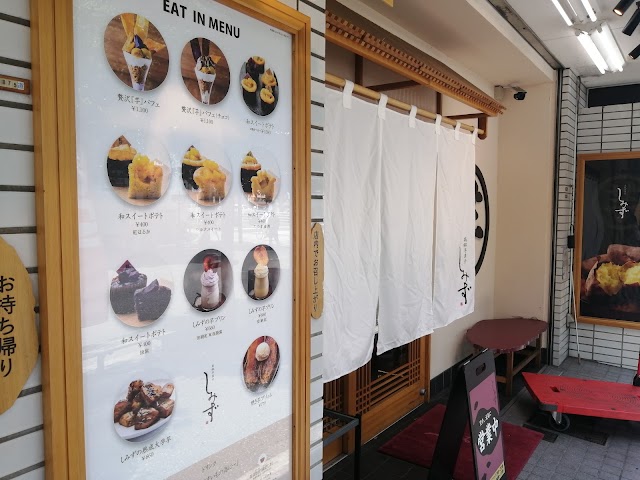
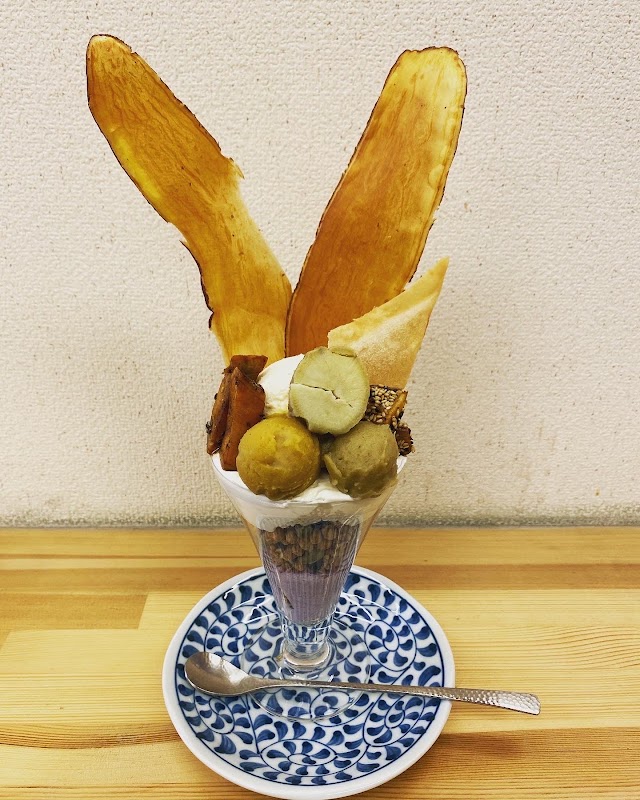
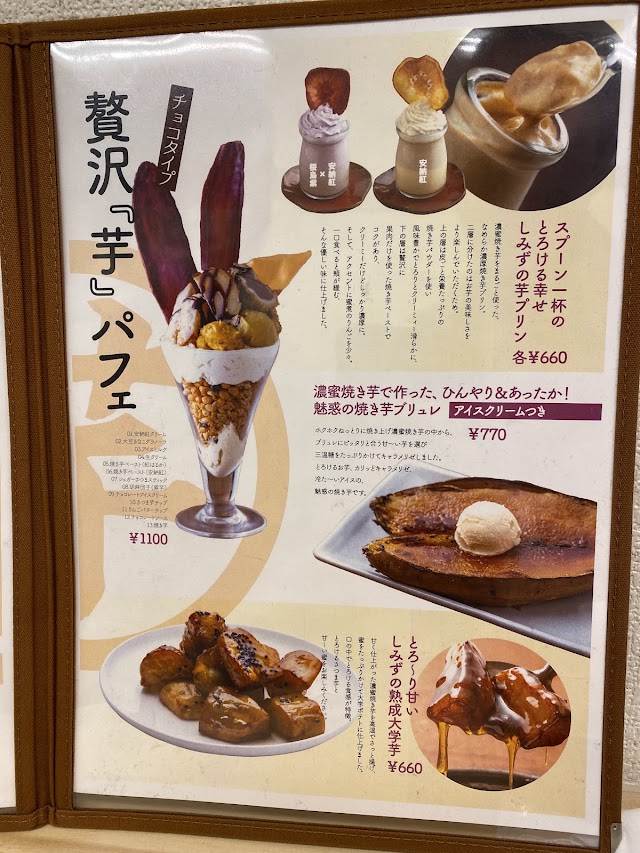
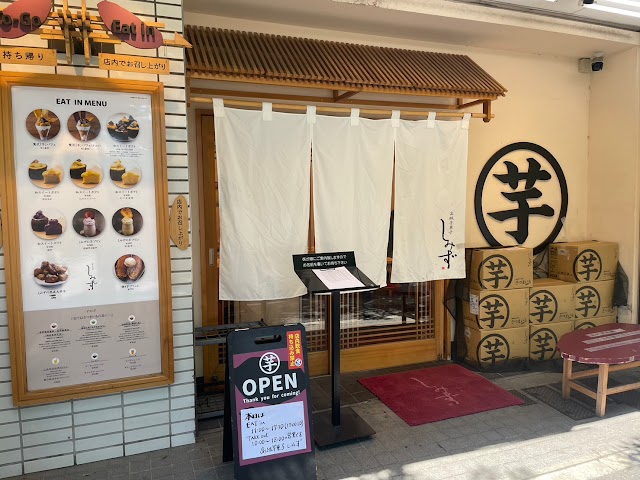
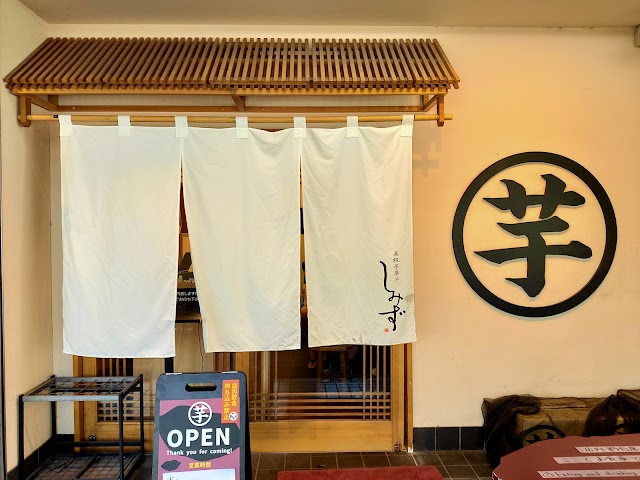
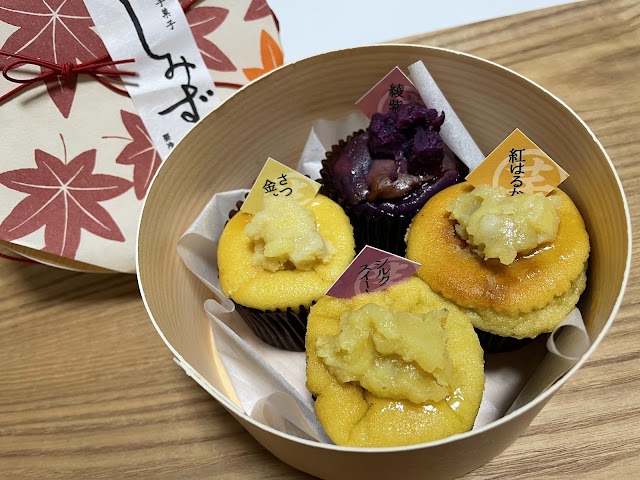
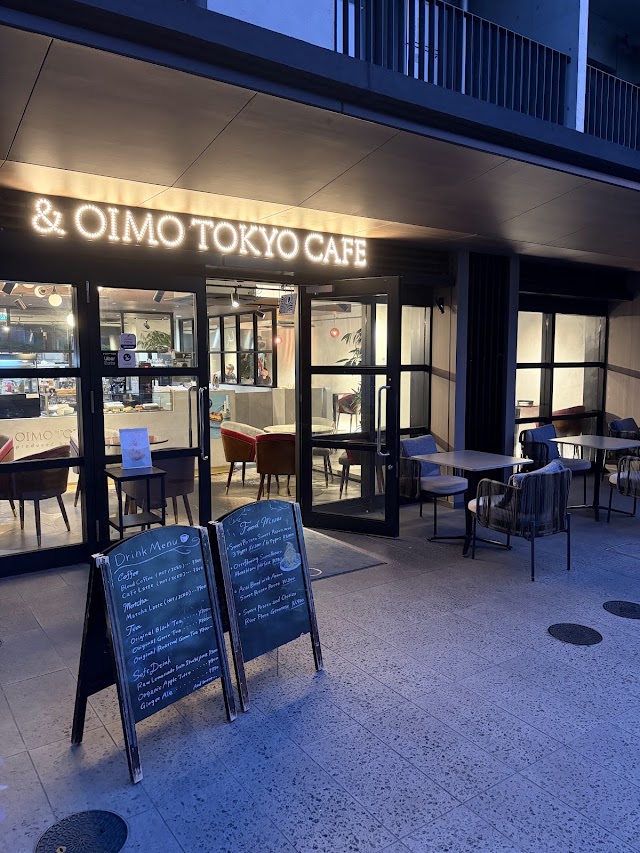
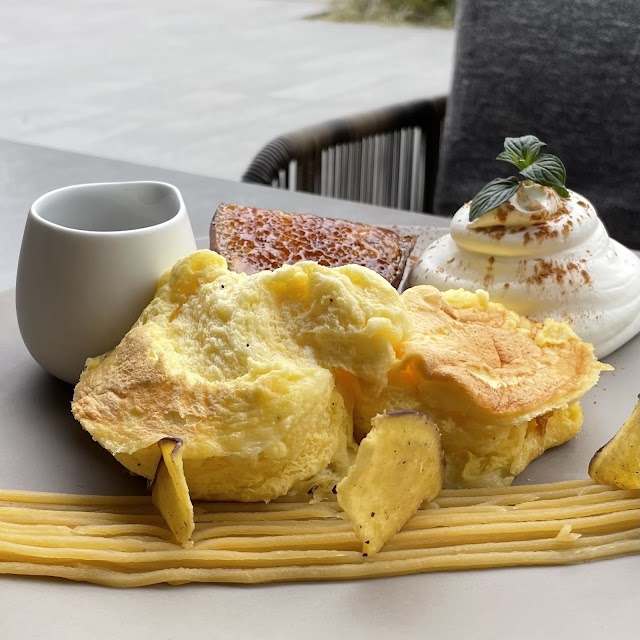
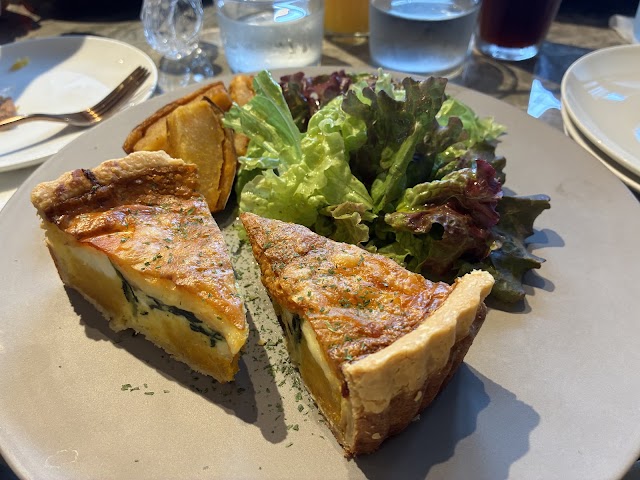
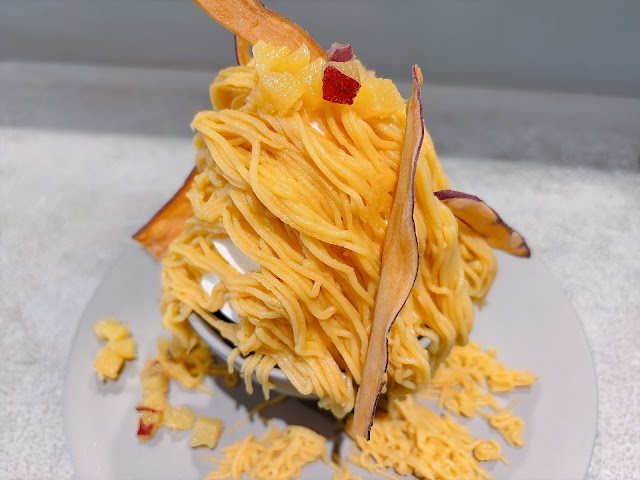
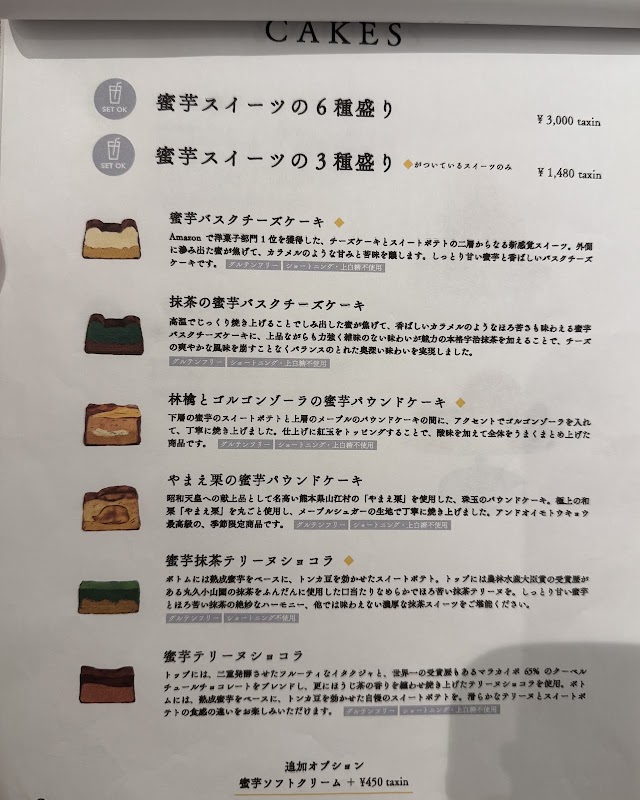
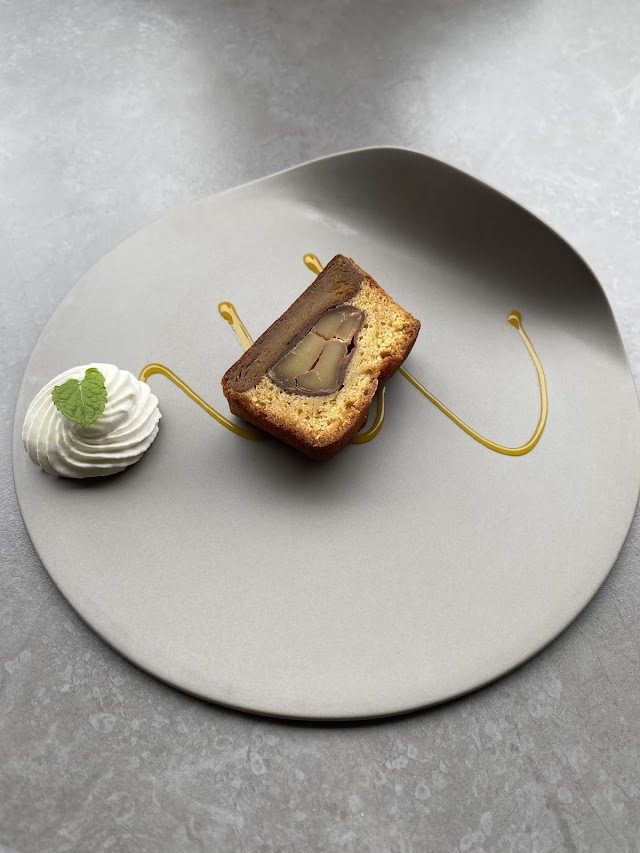
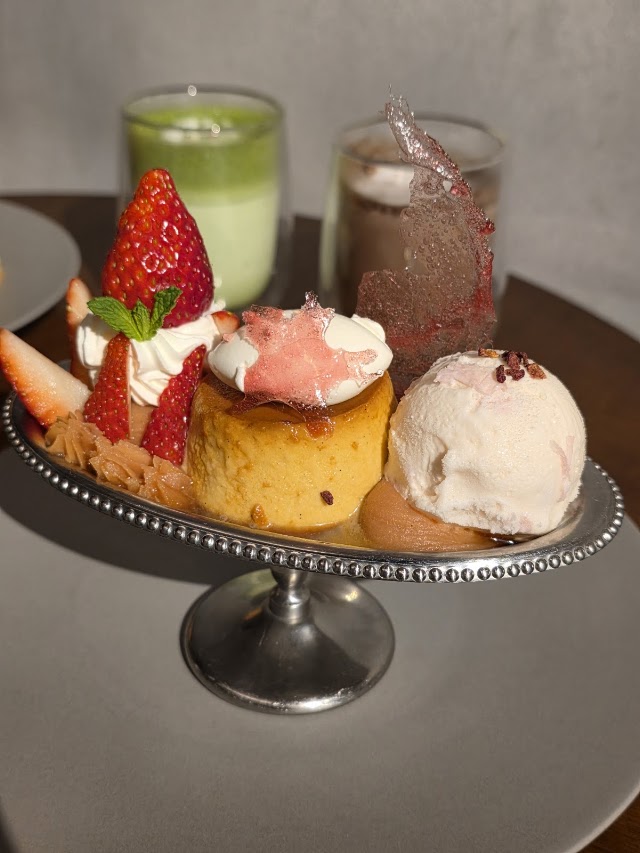
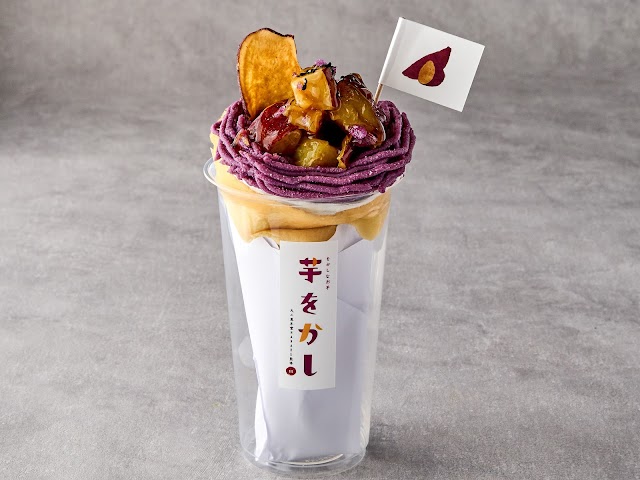
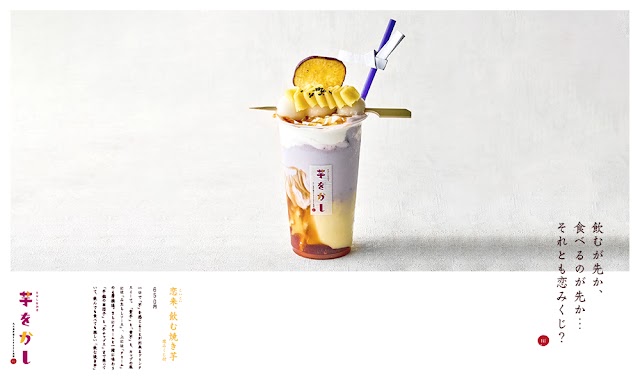
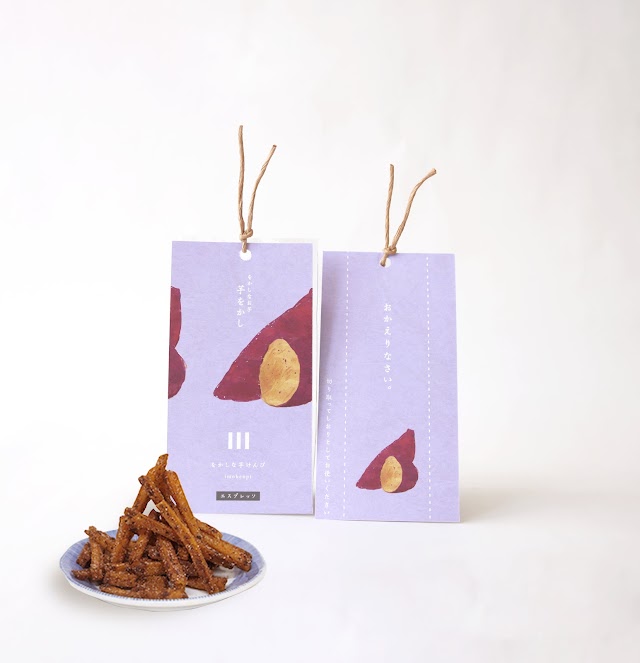
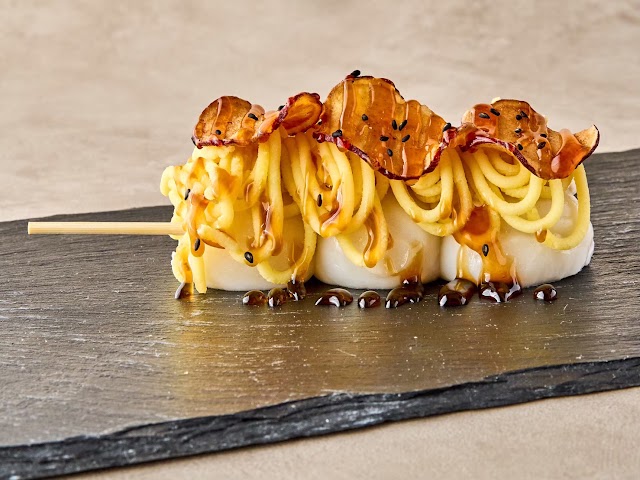
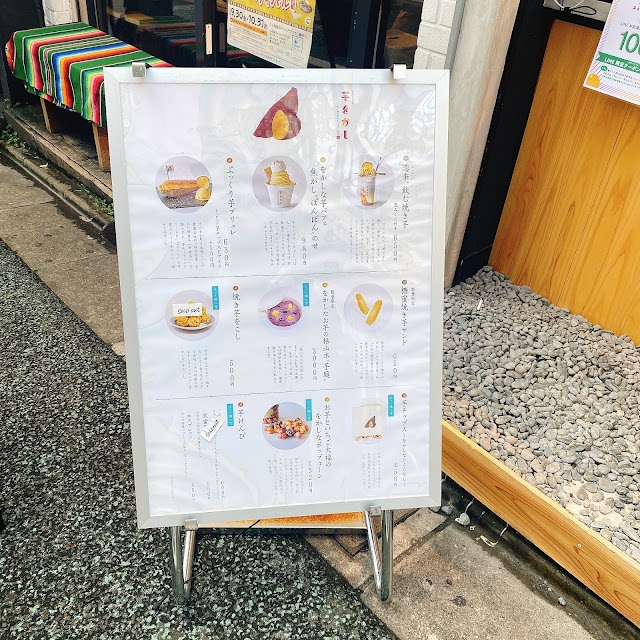
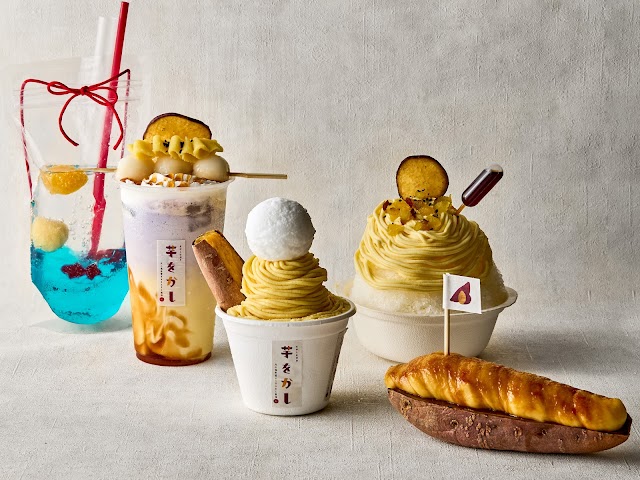
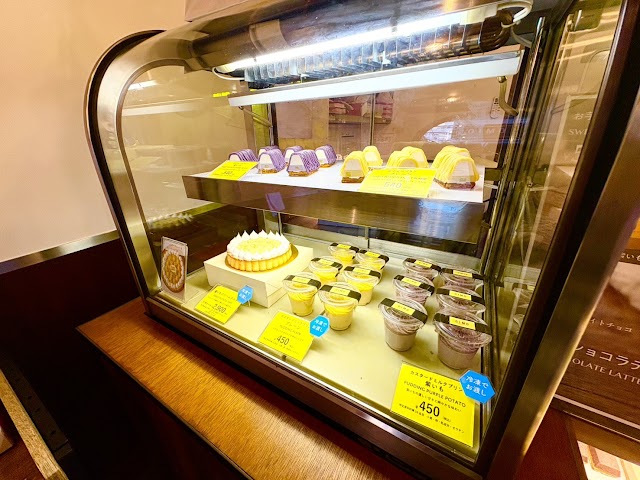
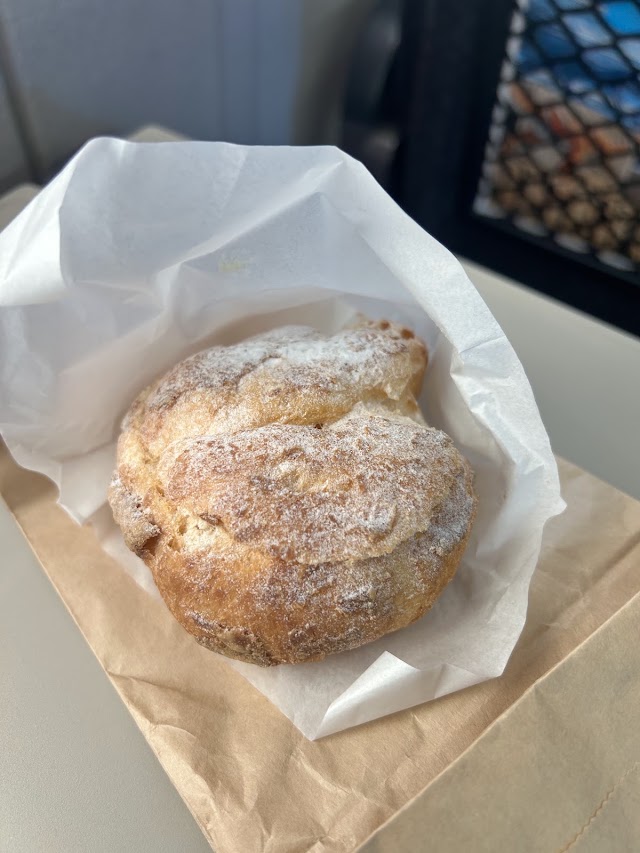
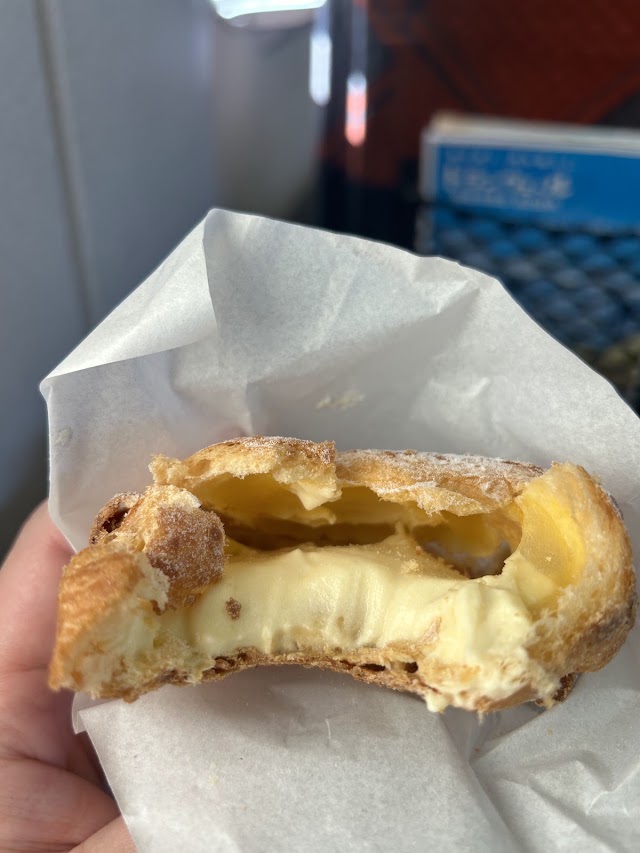
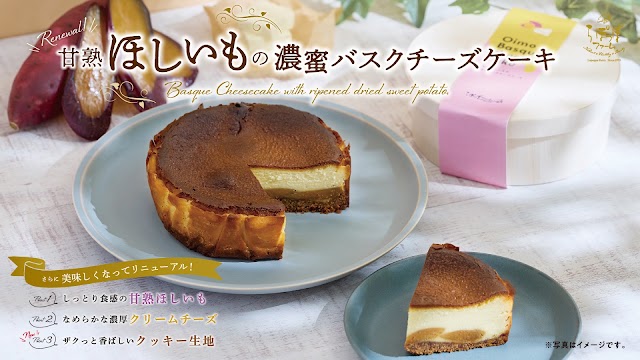
### Route 2: Sit-down modern imo desserts (salons / cafes) **Shimizu** in Tsukiji stacks a signature imo parfait from Kagoshima potatoes; **& OIMO TOKYO CAFE** in Nakameguro serves its best-selling honey-imo Basque cheesecake with gluten-free options; **Imo-wokashi** in Shimokitazawa, supervised by an Edo-era wagashi house, makes photogenic modern sweets.
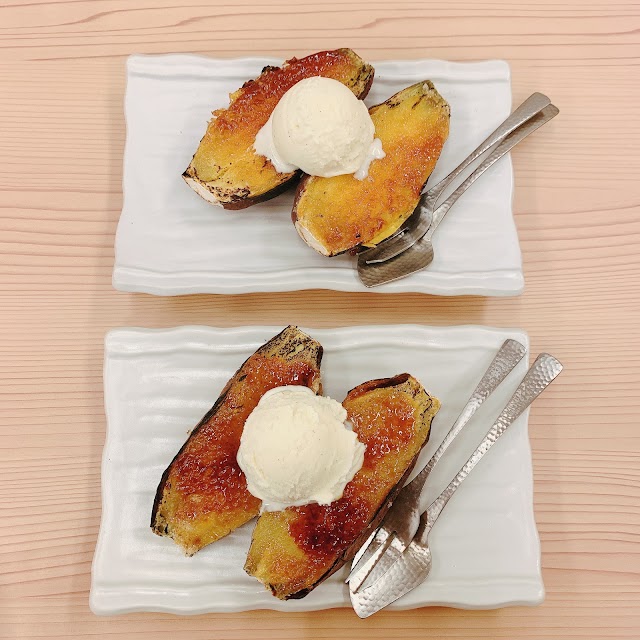
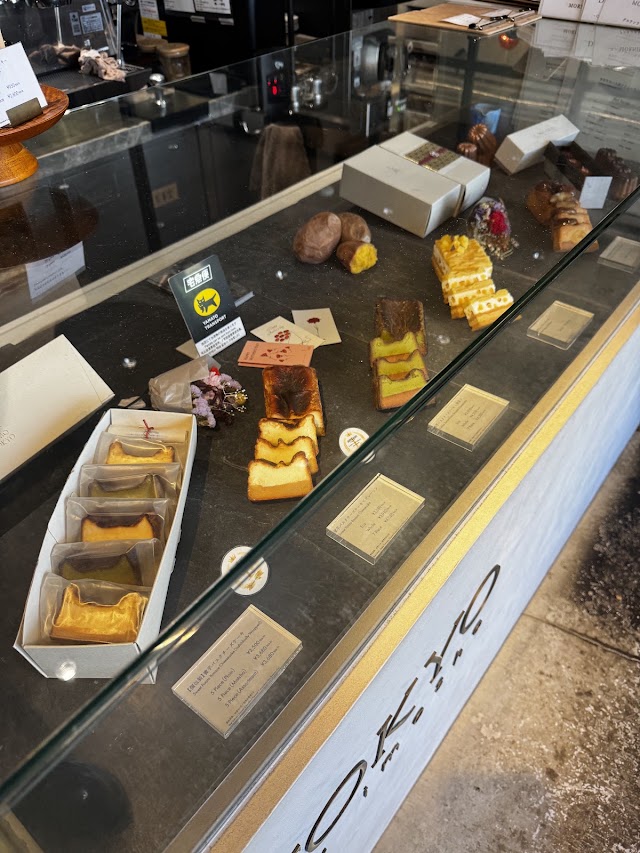
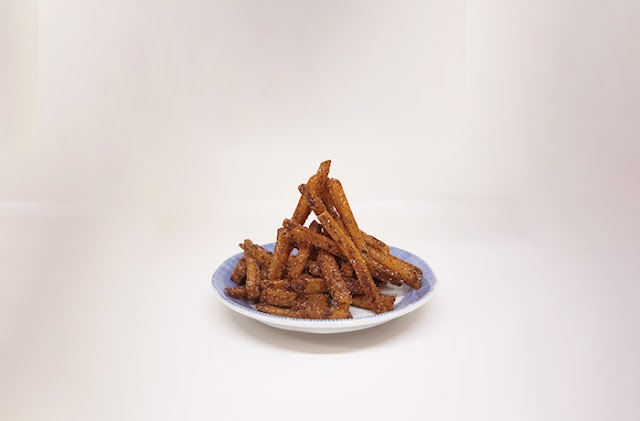
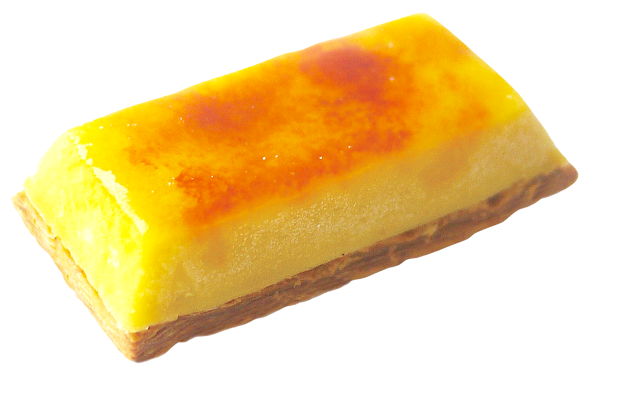
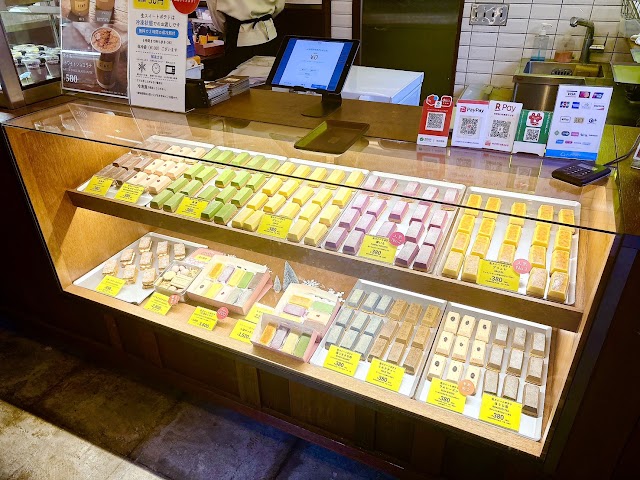
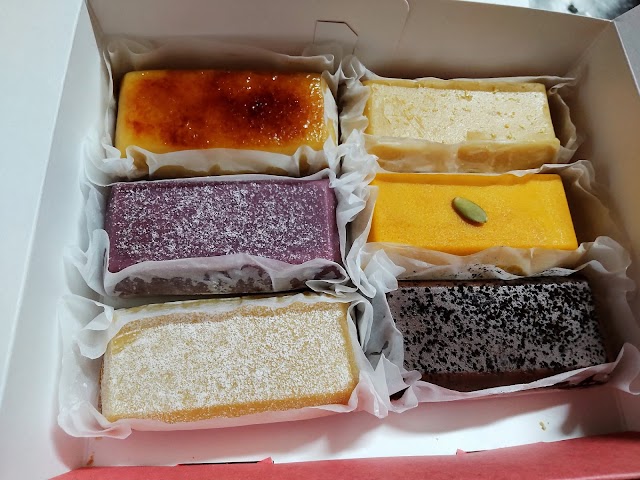
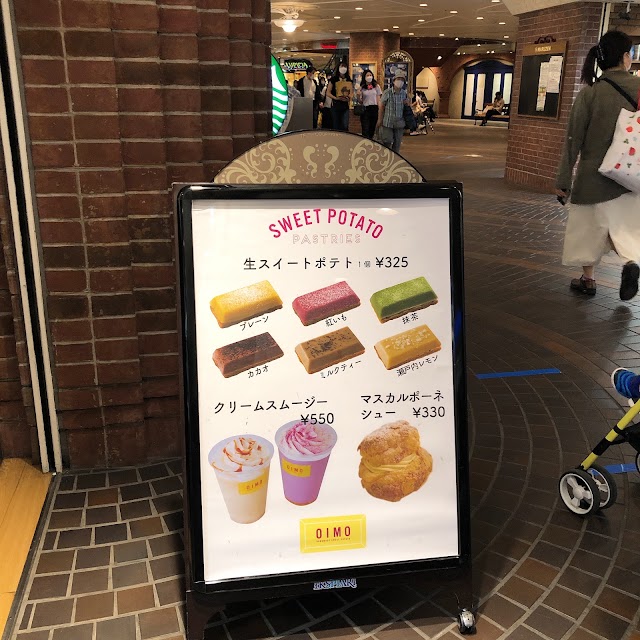
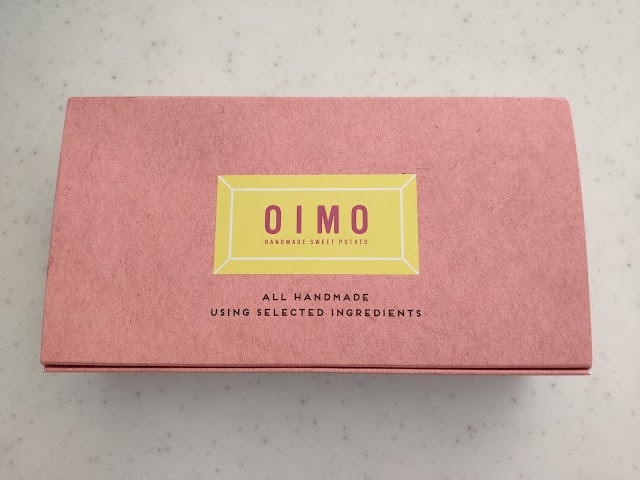
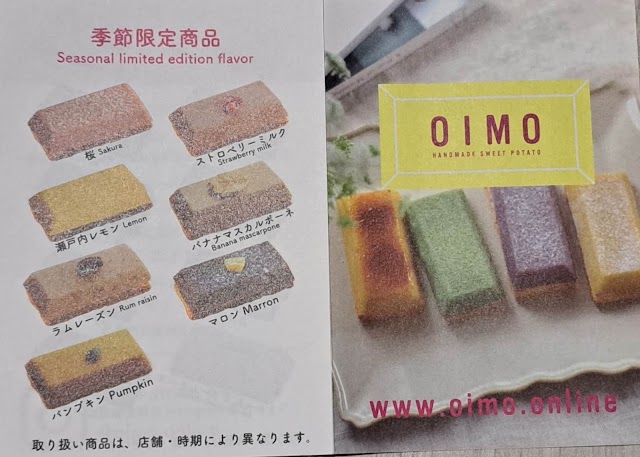
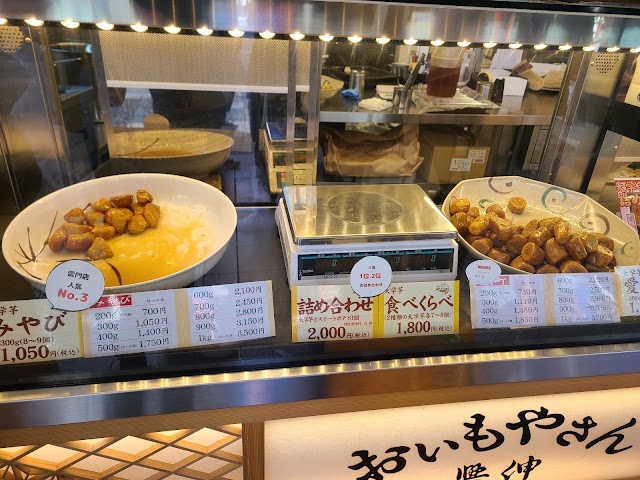
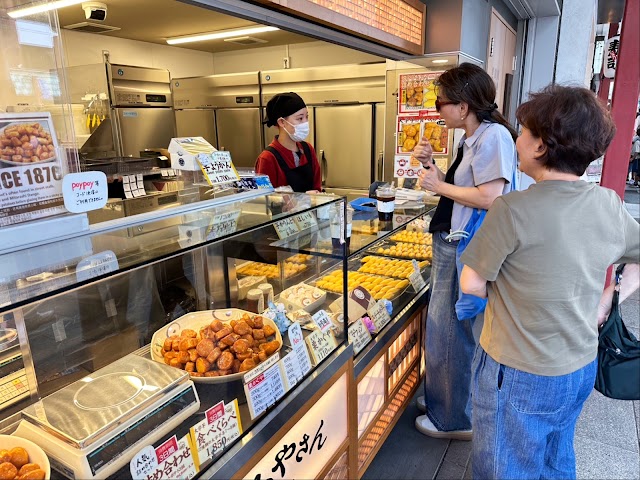
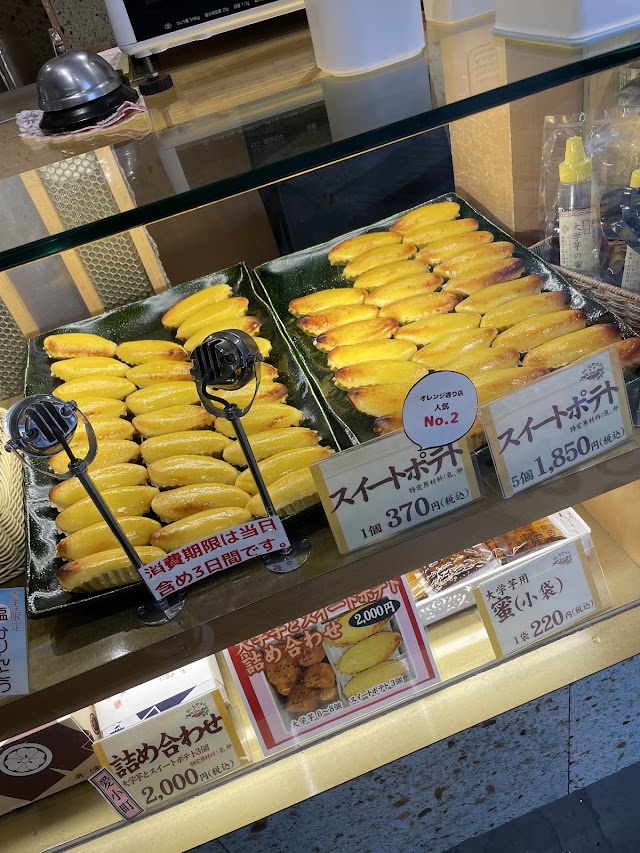
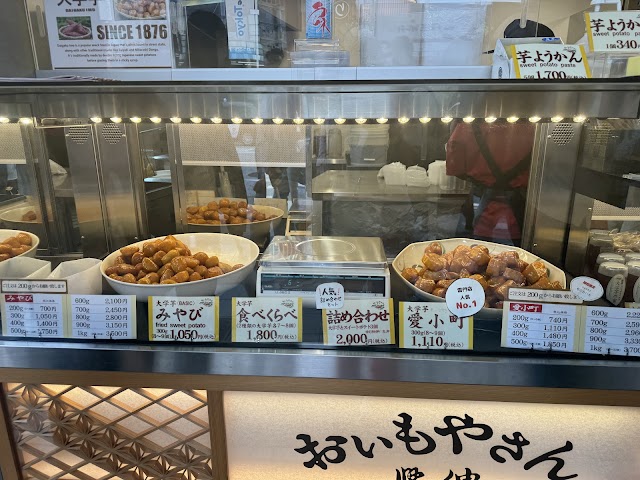
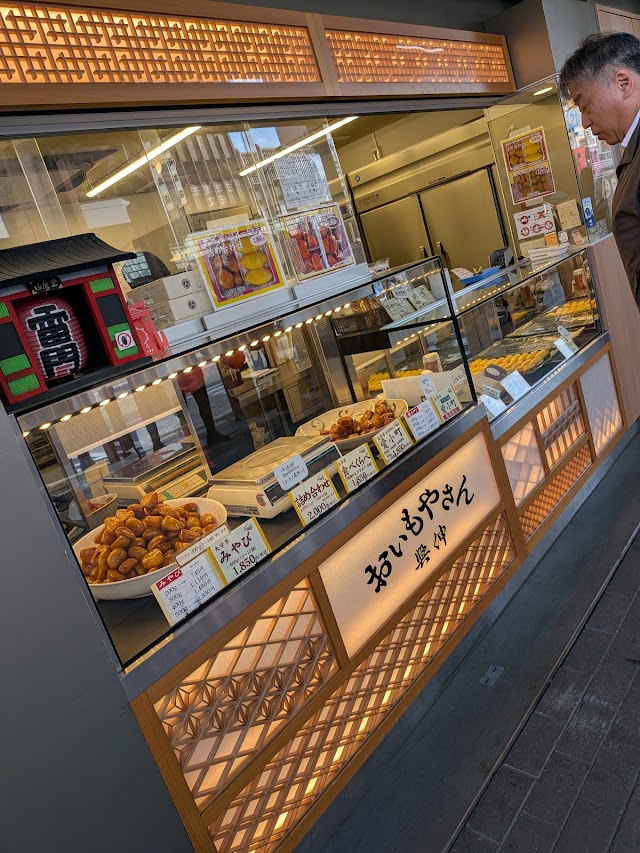
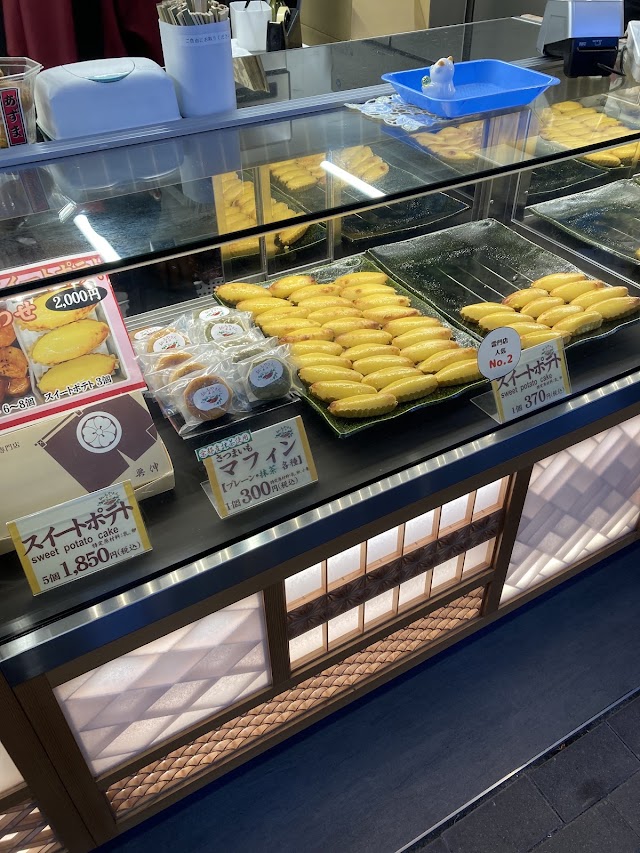
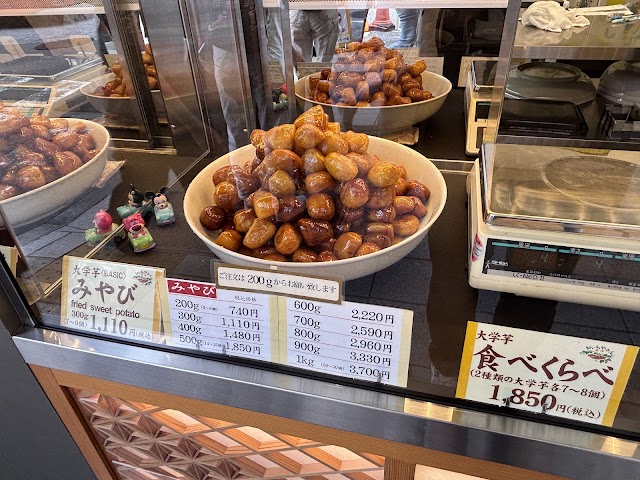
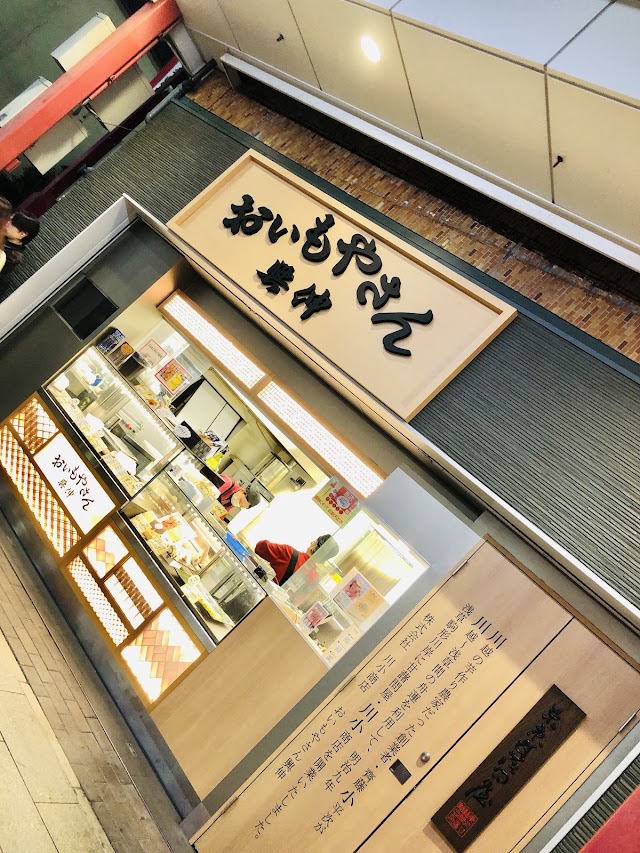
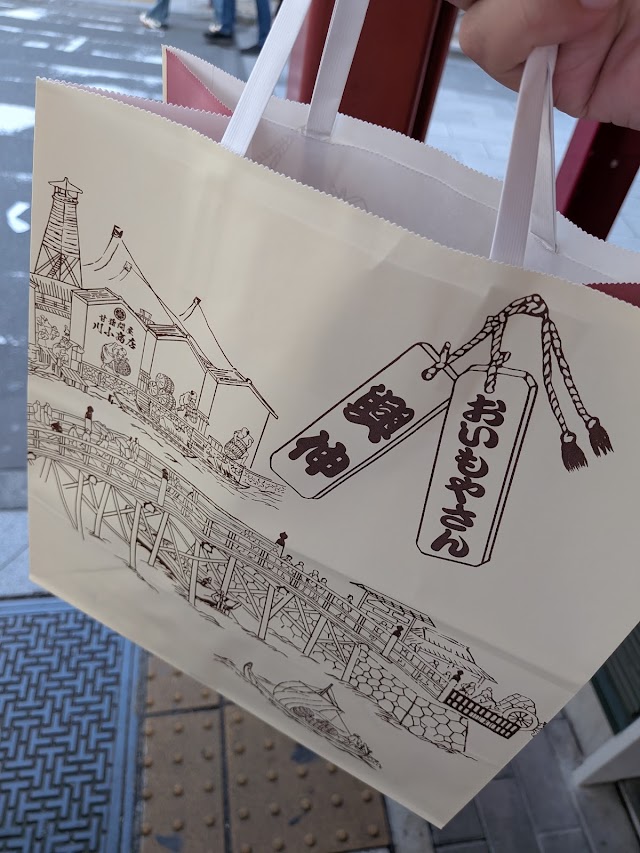
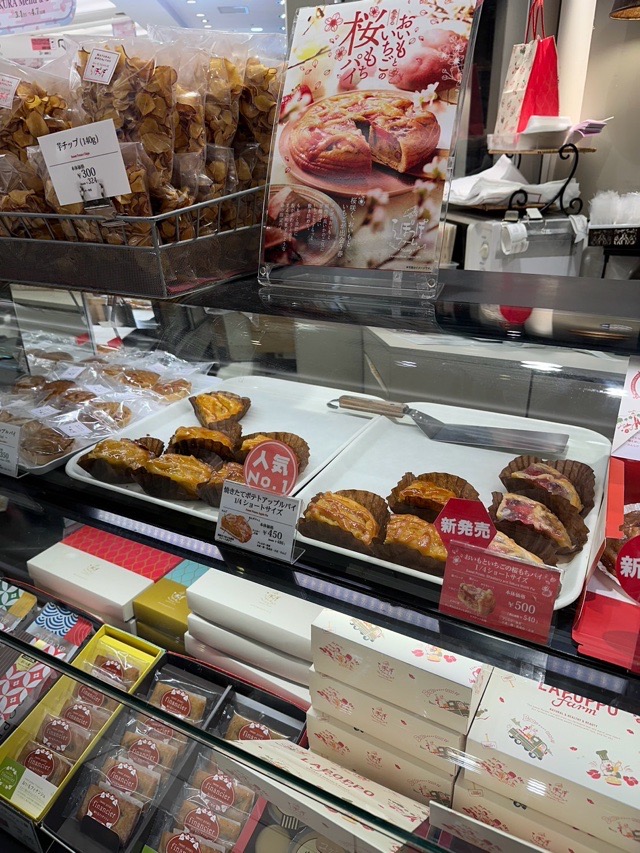
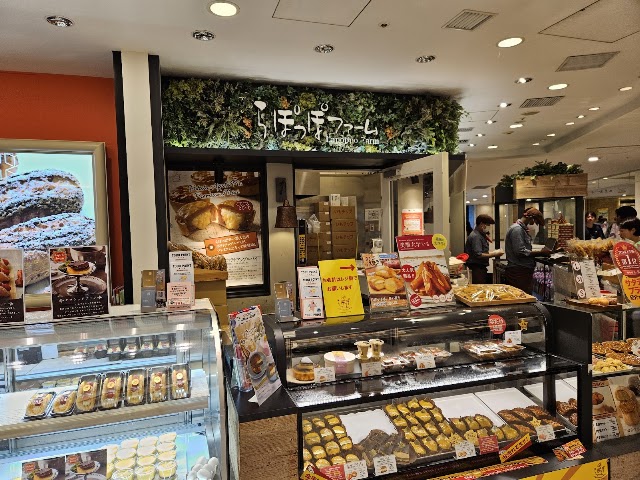
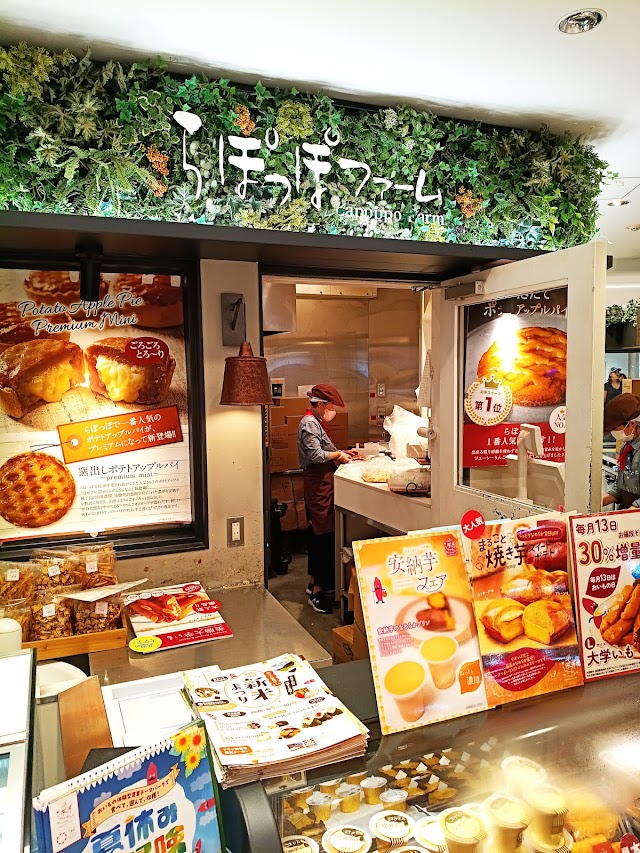
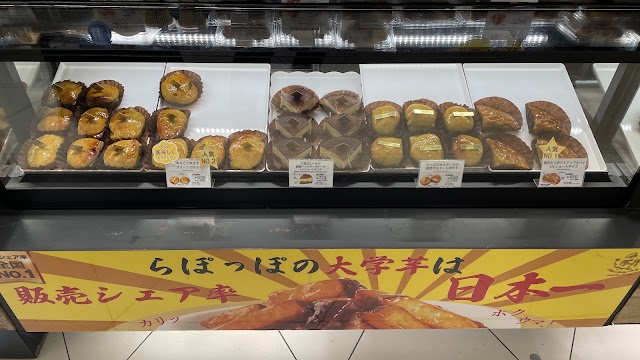
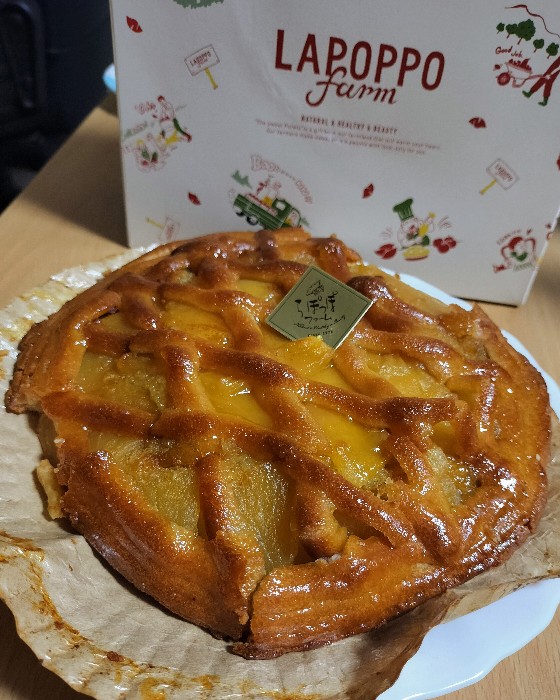
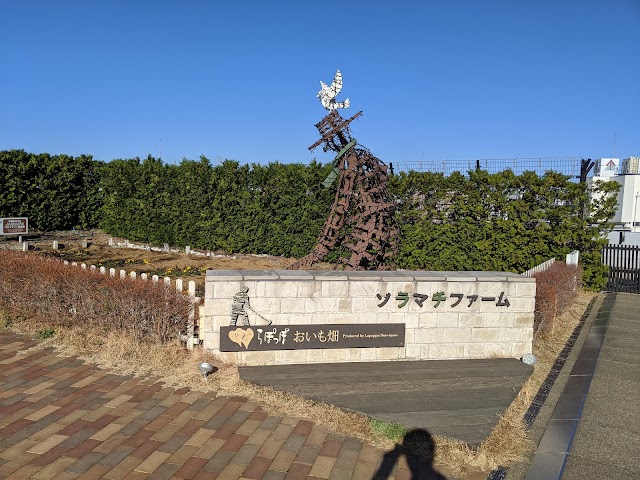
### Route 3: Old-shop daigaku-imo, fresh sweet potato, gifts (takeout) **Koshin** in Asakusa offers two daigaku-imo styles to compare; **OIMO** in Sangenjaya specializes in raw-chocolate-smooth 'fresh sweet potato'; **Lapoppo Farm** at Skytree Solamachi is the safe, well-packaged gift pick, open year-round.
### Practical notes 1. Order by variety (Beni-azuma = fluffy; Beniharuka/Anno = moist honey). 2. Tell roasted imo from glazed daigaku-imo. 3. Freshly roasted is often winter-only; confirm ahead in early September. 4. Phone, hours, closures, ratings and photos are auto-updated the next day from official Google data.

 Scan for map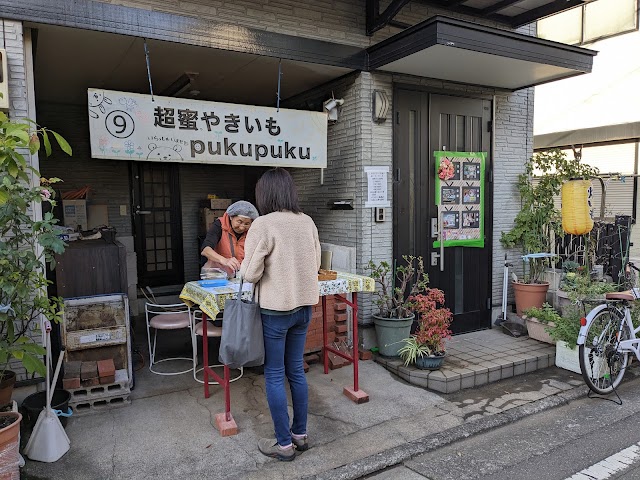
 Scan for map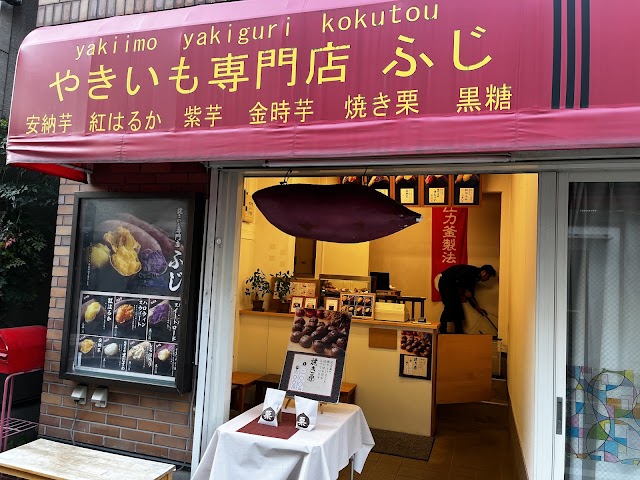
 Scan for map
 Scan for map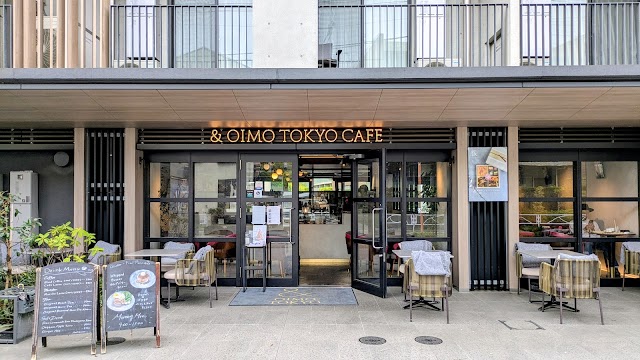
 Scan for map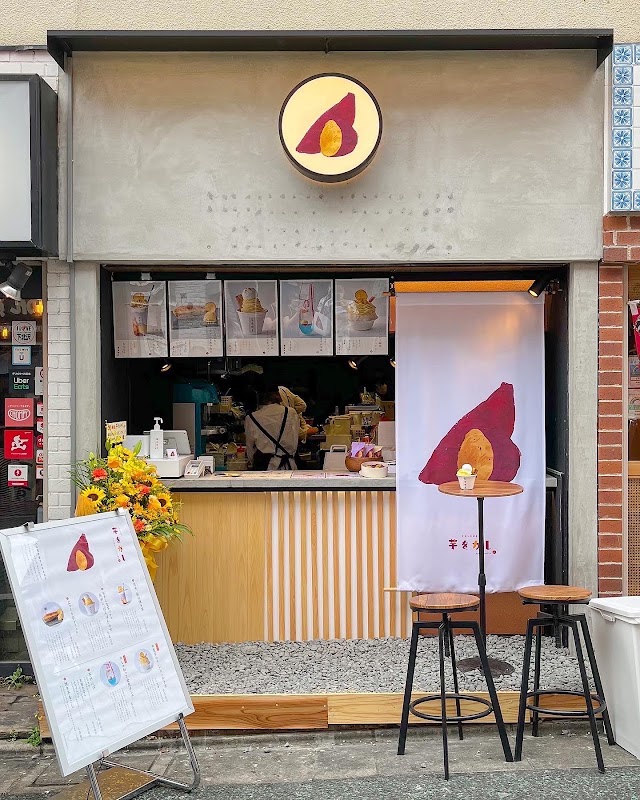

 Scan for map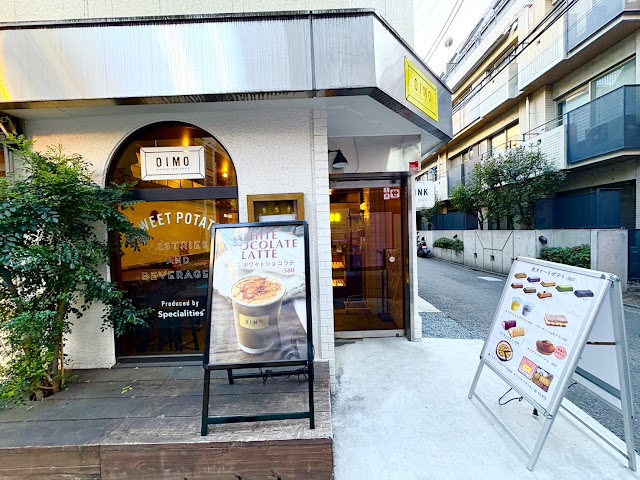
 Scan for map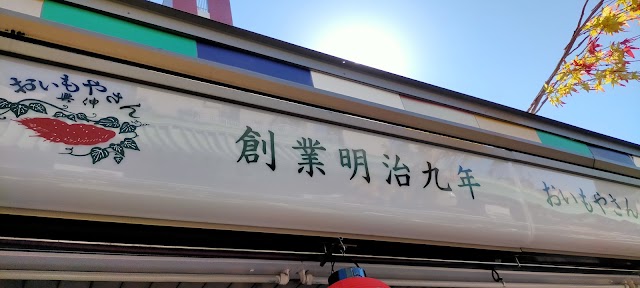
 Scan for map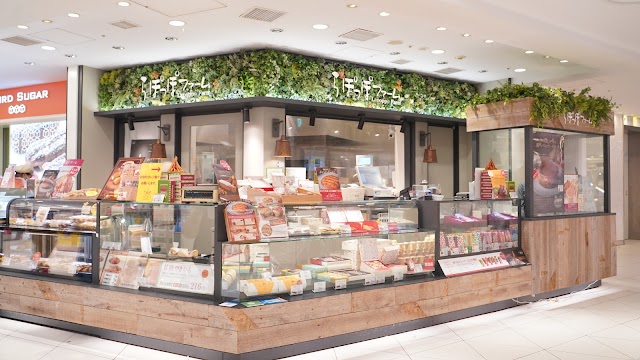
 Scan for map