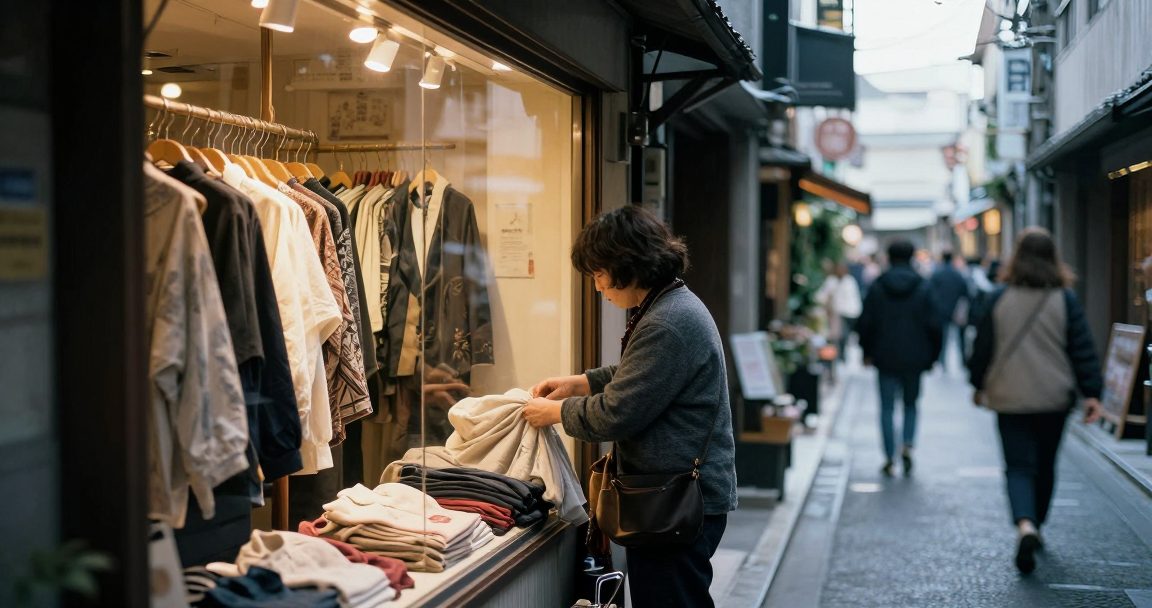
Rising Rents in Harajuku Put Pressure on Japanese Apparel Brands
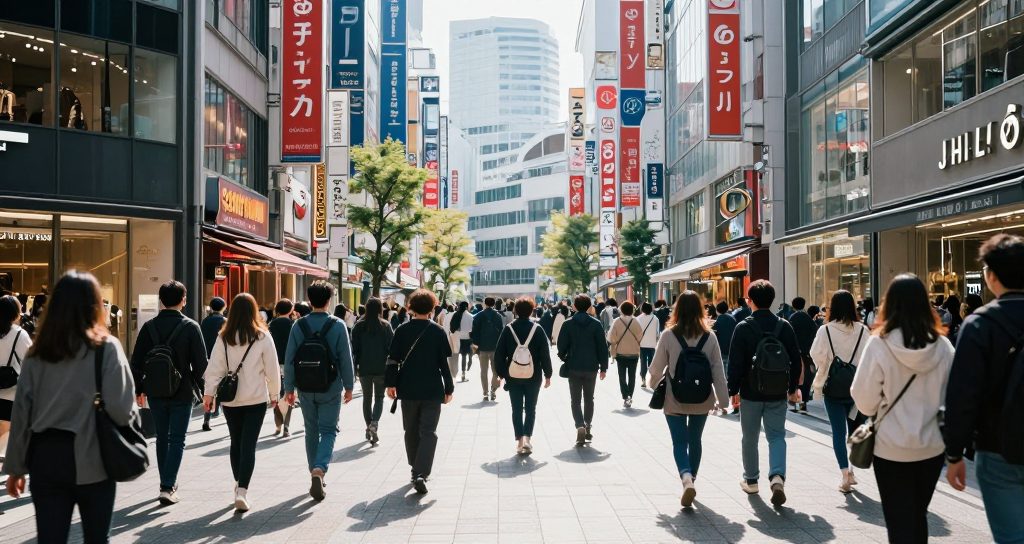
- Rents in Harajuku have hit record highs, intensifying competition among fashion brands.
- Popular brands from both domestic and international markets are rushing to open stores.
- Japanese apparel brands are losing ground due to rising costs and competition.
- Operators report shrinking profit margins as both rent and operating expenses climb.
- Harajuku remains a symbol of fashion prestige, with store openings reflecting brand status.
Harajuku is a live demonstration of what a persistently weak yen does to Japanese retail. Toyo Keizai reports that competition for storefronts has intensified, rents have set a record high, and the tenants winning space are popular brands from Japan and abroad across every category — while domestic apparel labels are the ones being pushed out.
The mechanism is sales per tsubo, not fashion economics. Duty-free retail, food and beverage, cosmetics and experience-led stores can carry higher fixed costs; Japanese apparel prices to a domestic yen customer whose spend has not risen with the rent. Domestic labels are squeezed on the cost side too, since fabric and production are largely overseas and a weaker yen lifts procurement costs that cannot be passed on at home.
Three paths from here: the yen stays weak and rents step higher, pushing domestic apparel to suburban malls and online; the yen recovers and flagship stores carrying record rents fail first on secondary frontage; or rents keep climbing while spend per visitor stalls, filling the street with short-term pop-ups.
For readers looking at Japan: entry cost in a prime district is deposits of six to ten months plus restoration obligations, not the monthly rent. In equities, record rents reward the landlords — developers and retail J-REITs — not the brands inside. Watch Tokyo prime retail rents and vacancy, JNTO and JTA spend-per-visitor data, and same-store sales at major Japanese apparel chains.